Due Sorelle
Marche, Italy: Excellent water quality
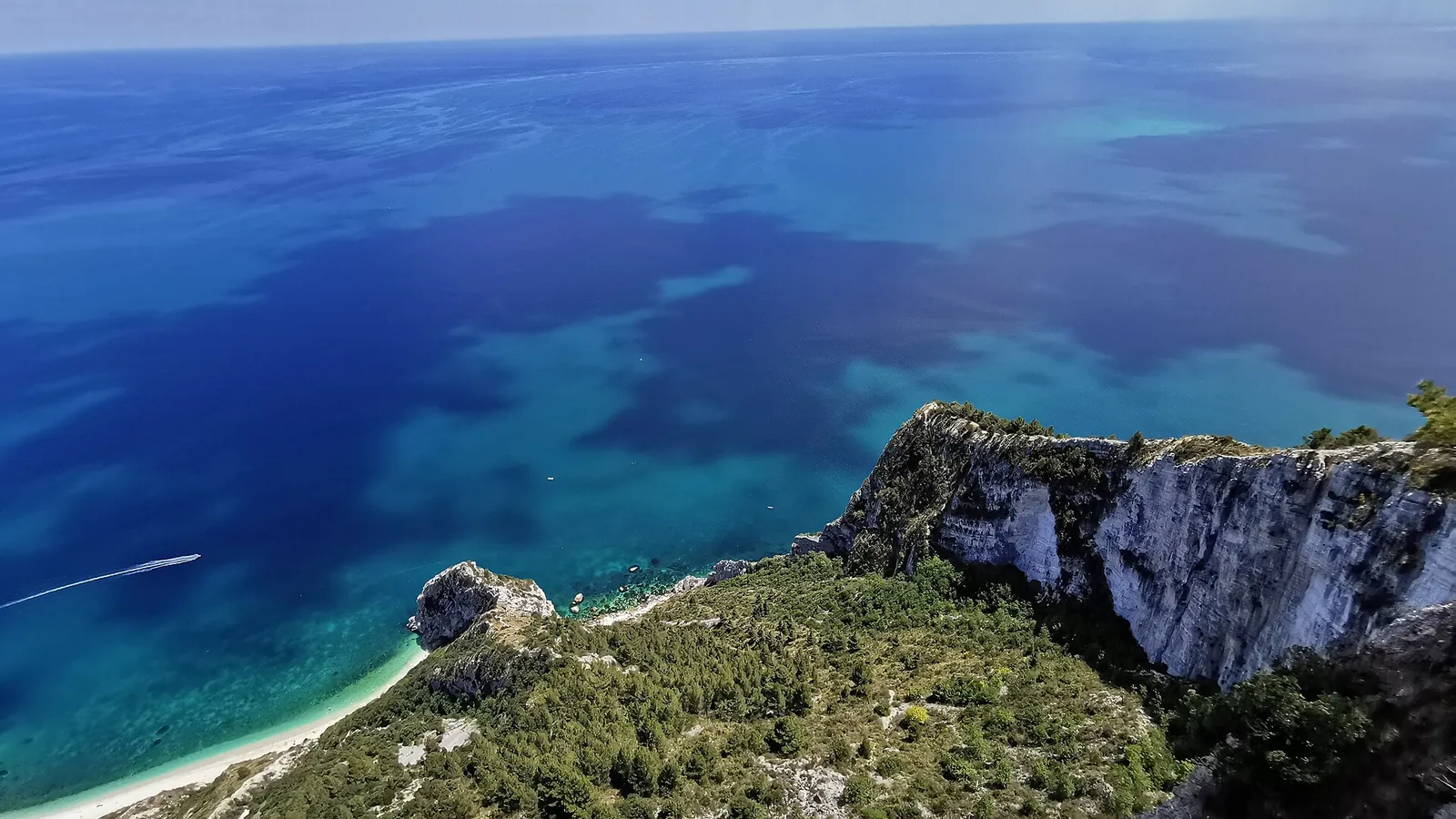
Due Sorelle is a small beach on Italy's Adriatic coast, located near Ancona in the Marche region. The beach takes its name from two distinctive white limestone sea stacks that rise from the water, resembling two sisters at prayer. The beach itself consists of fine…
Quick Overview
Plan Your Visit to Due Sorelle
The key facts before you go
About the Beach
What is Due Sorelle?
Due Sorelle is a small beach on Italy's Adriatic coast, located near Ancona in the Marche region. The beach takes its name from two distinctive white limestone sea stacks that rise from the water, resembling two sisters at prayer. The beach itself consists of fine gravel mixed with pebbles, backed by the dramatic cliffs of Conero.
The water here is exceptionally clear, and the beach earned its Blue Flag status in 2024, confirming excellent bathing water quality. Due Sorelle offers a quieter alternative to crowded summer beaches, with lifeguards on duty and a focus on maintaining high environmental standards.
It sits alongside Blue Flag beaches in Marche, part of a broader network of Blue Flag certified beaches across Italy certified annually by the Foundation for Environmental Education.
Sunrise, Sunset & Beach Direction
Due Sorelle faces east toward Adriatic Sea. The best light for photography and swimming is typically in June. Direct sun hours follow that facing.
Planning
When to Go: Month by Month
| Month | Air Temp | Water Temp | Crowds |
|---|---|---|---|
| Jan | 7°C | 13°C | Low |
| Feb | 9°C | 13°C | Low |
| Mar | 10°C | 13°C | Low |
| Apr | 13°C | 14°C | Low |
| May | 18°C | 18°C | Low |
| Jun | 23°C | 22°C | Med |
| Jul | 26°C | 25°C | High |
| Aug | 26°C | 25°C | High |
| Sep | 21°C | 23°C | Med |
| Oct | 17°C | 20°C | Low |
| Nov | 13°C | 17°C | Low |
| Dec | 9°C | 15°C | Low |
When is the best time to visit Due Sorelle?
The best time to visit Due Sorelle is June. Air temperatures peak around 25.6°C in summer. Peak water temperature reaches 24.5°C in July.
How crowded does Due Sorelle get?
Due Sorelle remains one of the quieter beaches along the Conero coast, particularly compared to nearby Portonovo or Numana. This is partly intentional, the beach's small size and pebble composition naturally limit capacity. During July and August, the beach does fill up, but rarely reaches the saturation point of larger resort beaches.
Early morning visits in summer offer nearly solitary swimming before 9 AM. The lifeguard presence (confirmed during the official swim season) means organized supervision but also indicates when the beach considers conditions safe. Weekdays in July see lighter traffic than weekends. June and September offer warm-enough water temperatures (20°C and 18°C respectively) with significantly fewer visitors.
The beach's position within a national park keeps commercial development minimal, no beach bars, lounger rentals, or music venues that might attract larger crowds. Families with young children often choose other nearby beaches with gentler access and more facilities, which further reduces Due Sorelle's crowd levels. The pebble beach and direct cliff access make it less appealing to visitors seeking traditional sun-lounger experiences, attracting instead swimmers and photographers interested in the distinctive sea stacks and clear water.
Is Due Sorelle open year-round?
The beach itself is accessible year-round, though staffed facilities including lifeguards typically operate only during the official season (03-06 – 17-09). The Blue Flag is displayed during the certification period only.
The Water
Swimming and Beach Life at Due Sorelle
Is Due Sorelle safe to swim?
Due Sorelle is Blue Flag certified, which requires meeting strict bathing water standards set by the EU Bathing Water Directive. Water quality is rated Excellent.
What is the water temperature at Due Sorelle?
Peak water temperature at Due Sorelle reaches around 24.5°C in July, making it comfortable for swimming during the summer months. In winter (January), air temperatures average 7°C.
What is the beach like at Due Sorelle?
Due Sorelle stretches as a relatively compact strip along the base of Conero's white cliffs. The beach composition (fine gravel combined with pebbles) differs from typical sandy Adriatic beaches, which affects how you'll want to prepare. The water clarity that Due Sorelle is known for stems from the rocky seabed and minimal sediment disturbance, making it ideal for seeing into deeper water.
The two white sea stacks that dominate the beach's identity create a distinctive visual landmark visible from the water and shore. These formations aren't merely scenic; they influence local water currents and create sheltered areas at certain tidal phases. The beach faces east, meaning morning light illuminates the water and cliffs beautifully, while afternoon sun shifts to backlight the formations.
In summer, water temperatures reach 22-23°C, comfortable for extended swimming without a wetsuit. The pebble composition means the beach drains well and rarely feels crowded even during peak season, partly because swimmers must navigate the larger stones underfoot. The beach sits within the Conero National Park area, so development is restricted and the surrounding landscape remains relatively natural.
The limestone cliffs provide dramatic geology but also mean no shade structures exist on the beach itself, bring an umbrella or beach tent. Water quality testing, reflected in the Blue Flag designation, confirms low pollution levels and safe bathing conditions year-round when lifeguards are present.
Due Sorelle sits on the Adriatic Sea: explore all Blue Flag beaches on the Adriatic.
While You're Here
Beyond Due Sorelle
Due Sorelle sits within Conero National Park, offering immediate access to coastal walking trails with views across the Adriatic. The white cliffs provide dramatic geology and natural heritage value beyond beach activity. Nearby Portonovo, just 3 km away, offers restaurants and a small harbor where boats depart for coastal tours and swimming spots accessible only by water.
Ancona, the regional capital, lies approximately 30 km north and houses the Museo Archeologico Nazionale delle Marche, containing artifacts from ancient settlements. The Conero coastline contains numerous other small beaches and coves, each with distinct characteristics and less development than major Adriatic resorts. Hiking trails cross the clifftop terrain, connecting Due Sorelle to other viewpoints and natural areas.
The surrounding Marche region produces local wines and agricultural products featured in coastal restaurants. The architectural heritage of fortified towns inland, such as Osimo, provides cultural counterpoints to beach-focused days.
Transport
Getting to Due Sorelle
How do I get to Due Sorelle by car?
Due Sorelle is located in Marche, Italy. Follow local road signs to the beach. Check Google Maps or a local map for the most current directions.
What is the nearest airport to Due Sorelle?
The nearest airport is Marche Airport (AOI), approximately 22.8 km away.
Can I get to Due Sorelle by public transport?
Local bus services connect Ancona with coastal towns near Conero, though schedules vary seasonally. Direct beach access requires either a final taxi journey or private transport.
Summer season typically sees increased bus frequency to beach destinations. Check regional Marche transport schedules in advance, as Due Sorelle's small size means it may not be served by all routes.
Is there a train to Due Sorelle?
Regional trains serve Ancona from major Italian cities. Once at Ancona Centrale station, take local buses or a taxi/car rental to reach Due Sorelle (approximately 25-30 km south along the coast).
The journey from Ancona to the Conero area takes roughly 45 minutes by car. Train connections are reliable during summer months, though bus frequencies may vary seasonally.
Map
Find Due Sorelle
Open the map or get directions to the Due Sorelle pin. Amenity names are listed here only when OpenStreetMap has a mapped feature nearby.
Map loads when you ask. Tiles stay off the first paint.
Map: OpenStreetMap (ODbL)
On the beach
Facilities at Due Sorelle
- Lifeguards
- Yes, during the certified season
- Wheelchair access
- No dedicated disabled access listed
- Visual assistance
- No
- Toilets
- No
- Showers
- No
- Parking
- No parking listed nearby
- Entry
- Free to enter
These details can change. Check on arrival.
Practical Details
Practical Information
| At the Beach | |
| Official Season | 03 Jun – 17 Sep |
|---|---|
| Beach Type | Rocky shore |
| Nearest supermarket | 2.4 km from the beach |
| Visiting Information | |
| GPS Coordinates | 43.5452°N, 13.6280°E |
| Water Quality | Excellent (EU Bathing Water Directive) |
| Blue Flag Operator | Foundation for Environmental Education (FEE), Italy |
Frequently Asked Questions
Due Sorelle FAQ
Is Due Sorelle worth visiting?
Due Sorelle appeals most to swimmers seeking clear water, distinctive natural features, and quieter conditions than crowded Adriatic resorts. The two white sea stacks provide visual interest and the beach earned Blue Flag status in 2024, confirming excellent water quality. The pebble composition and small size make it less suitable for lounging; it's best for active swimmers and photographers.
If you prioritize solitude and water clarity over extensive facilities and sandy beaches, it's worth the journey. Nearby Portonovo and other Conero beaches offer alternatives if Due Sorelle doesn't match your expectations.
How do I get to Due Sorelle?
Due Sorelle is located near Ancona on Italy's Adriatic coast. From Rome, drive or train to Ancona, then proceed south toward Portonovo and Conero. A car is essential for convenient beach access.
Regional trains serve Ancona from major cities, and local buses connect to coastal areas, though the final approach typically requires car, taxi, or local transport. Parking exists near the beach entrance, though spaces fill during peak summer days.
What's the best time of year to visit?
July and August offer the warmest water (24.5°C) and confirmed lifeguard presence, making them officially the swim season. However, June (22.0°C) and September (22.9°C) provide warmer-than-average temperatures with significantly fewer visitors. Water temperatures below 14°C (May and October) require wetsuits for comfort.
January through March are winter months with water near 4-7°C and limited beach activity. If you prefer warm water with fewer crowds, aim for early June or mid-to-late September when weather remains pleasant and air temperatures exceed 20°C.
What facilities are there?
Due Sorelle has lifeguards during the official swim season but limited commercial facilities directly on the beach. There are no reported lounger rentals, beach bars, or changing facilities on the beach itself. Nearby Portonovo, 3 km away, offers restaurants, accommodations, and services.
The beach's location within Conero National Park restricts development intentionally, preserving its natural state. Bring your own water, food, and sun protection.
The pebble beach means wearing water shoes is advisable. Check ahead regarding seasonal facility availability, as smaller beaches adjust services based on visitor numbers.
Is it suitable for families?
Due Sorelle suits some families but not all. The clear water and lifeguard presence support safe swimming, and the small beach size can feel manageable with children. However, the pebble composition means less comfortable walking for small children, and water shoes are essential.
The lack of shade, changing facilities, and food services nearby requires advance planning. Families seeking typical beach amenities (loungers, snack bars, playgrounds) will find nearby beaches more convenient. Older children comfortable with rocky beaches and self-sufficient families appreciate Due Sorelle's quieter character and natural setting.
Explore More
Nearby Blue Flag Beaches
Editorial
From the Zeach Blog
Everything you need to know about what makes a beach qualify for Blue Flag status, from water quality to environmental education.
Read moreOur editorial team's pick of the standout Blue Flag beaches in Italy, rated for family friendliness, scenery, and facilities.
What the flag actually means, how certification works, and why a Blue Flag is a genuinely reliable signal, not just a marketing tool.
Read moreSources
- Foundation for Environmental Education: Blue Flag programme
- FEE site listing for Due Sorelle
- FEE Italia
- European Environment Agency: bathing water quality
Last verified September 2026. National operator pages and FEE listings are the primary certification sources.