Daimus
Valencian Community, Spain: Excellent water quality
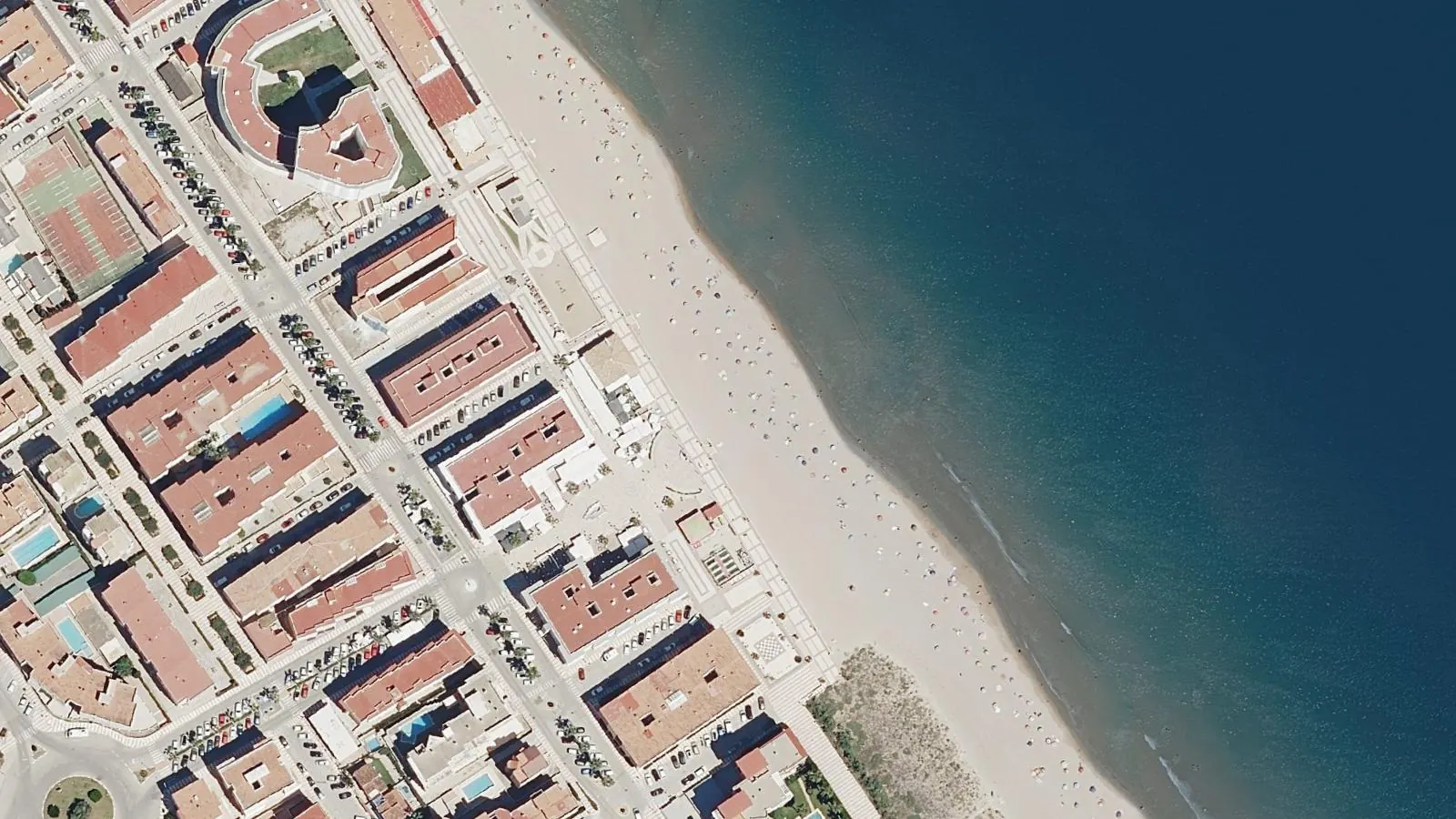
Fine sand. Urban beach. Lifeguards are on duty from June 15 to September 1, daily from 10:30 to 19:00.
Quick Overview
Plan Your Visit to Daimus
The key facts before you go
About the Beach
What is Daimus?
Daimus is a family-oriented urban beach located on Spain's Mediterranean coast in the Valencian Community, roughly 4 km south of Gandía. The beach features fine sand and maintains excellent bathing water quality year-round. Lifeguards patrol during the summer season (mid-June to early September), and the beach has transparent waters that appeal to swimmers and families seeking a straightforward coastal experience. The setting includes a developed promenade with beach bars and footbaths, while nearby natural features like the Dune Area of Safor and the Marjal Gandia wetland provide ecological interest beyond the beach itself.
It sits alongside Blue Flag beaches in Valencian Community, part of a broader network of Blue Flag certified beaches across Spain certified annually by the Foundation for Environmental Education.
Visitor Feedback
What Visitors Say About Daimus
What visitors appreciate
- family beach|family atmosphere|beach bars|promenade|no crowds|fine sand|footbaths|transparent waters|natural dunes|narrow beach
- Well-staffed with lifeguards during season
- Excellent EU-rated bathing water quality
Points to consider
- Can be busy during July and August peak season
- Facilities may be reduced outside peak months
Based on aggregated public visitor feedback. Themes are synthesised from multiple sources, not individual quotes. Zeach does not reproduce individual reviews.
Sunrise, Sunset & Beach Direction
Daimus faces west toward Mediterranean Sea. The best light for photography and swimming is typically in April, May, June. Direct sun hours follow that facing.
Planning
When to Go: Month by Month
| Month | Air Temp | Water Temp | Crowds |
|---|---|---|---|
| Jan | 12°C | 9°C | Low |
| Feb | 13°C | 10°C | Low |
| Mar | 14°C | 11°C | Low |
| Apr | 16°C | 13°C | Low |
| May | 20°C | 17°C | Low |
| Jun | 24°C | 21°C | Low |
| Jul | 27°C | 24°C | High |
| Aug | 27°C | 24°C | High |
| Sep | 24°C | 21°C | Low |
| Oct | 20°C | 17°C | Low |
| Nov | 16°C | 13°C | Low |
| Dec | 14°C | 11°C | Low |
The best time to visit Daimus is April, May, June. Air temperatures peak around 27°C in summer. Peak water temperature reaches 24°C in July.
How crowded does Daimus get?How crowded does Daimus get? The beach maintains a reputation for avoiding excessive crowds, even during summer months, likely due to its narrow profile and positioning between better-known spots like Gandía and Guardamar de la Safor. The family atmosphere is established rather than chaotic, with a steady flow of regular visitors and holidaymakers rather than mass tourism. What times see the most activity? Peak activity occurs during the main summer swimming season (June to September), particularly on weekends and Spanish holiday periods. The promenade stays active with families using beach bars and facilities, but reports suggest the beach doesn't experience the congestion of larger urban beaches. Mornings typically offer quieter conditions than afternoons. The presence of lifeguards from mid-June onward means more organized activity during this period, as families coordinate around supervised swimming hours.
Is Daimus open year-round?The beach itself is accessible year-round, though staffed facilities including lifeguards typically operate only during the official season (10-07 – 31-08). The Blue Flag is displayed during the certification period only.
The Water
Swimming and Beach Life at Daimus
Is Daimus safe to swim?Daimus is Blue Flag certified, which requires meeting strict bathing water standards set by the EU Bathing Water Directive. Water quality is rated Excellent. Lifeguards are on duty during the official season.
What is the water temperature at Daimus?Peak water temperature at Daimus reaches around 24°C in July, making it comfortable for swimming during the summer months. In winter (January), air temperatures average 12.2°C.
What is the beach like at Daimus?Daimus offers a classic Mediterranean beach experience centred on fine sand and clear water. The beach itself is narrow, which keeps it from becoming overcrowded even during peak summer months. The surrounding area is urban, with organized facilities and infrastructure supporting day visitors and families. What makes Daimus functional for swimmers and beach-goers? The excellent bathing water quality is consistent, and the transparent waters allow you to see clearly into the sea, a practical advantage for families with children. Lifeguards are on duty from 15 June to 1 September, operating between 10:30 and 19:00 daily, providing supervision during the peak swimming season. The beach features footbaths, which are useful for rinsing sand before moving between beach and promenade areas. The promenade itself runs along the beach with beach bars offering refreshments and shade options. Sports installations are available on-site, catering to visitors interested in beach activities beyond swimming. Handicap facilities ensure accessibility for visitors with mobility requirements. The fine sand is manageable underfoot and typical of this stretch of the Valencia coast. The west-facing orientation means afternoon sun exposure, which is worth considering when planning your day. The narrow beach character means it doesn't sprawl extensively, so facilities and amenities are concentrated and accessible. Rental options for equipment and vehicles are available nearby, reducing the need to bring everything from home.
Does Daimus have good facilities?As a Blue Flag certified beach, Daimus meets the Foundation for Environmental Education's standards for facilities and services. Trained lifeguards are on duty during the season. Showers are available. Parking is available nearby. The beach has disabled access facilities.
Daimus sits on the Mediterranean Sea: explore all Blue Flag beaches on the Mediterranean.
Planning a trip to Spain? Blue Flag Beaches Spain 2026 , our editorial guide to certified beaches across the country.
While You're Here
Beyond Daimus
The area surrounding Daimus offers ecological and natural interest beyond the beach itself. The Dune Area of Safor lies nearby, providing insight into the coastal dune system that characterizes this stretch of Mediterranean shoreline. The Marjal Gandia wetland, a humid area and natural reserve, is accessible and supports bird-watching and nature observation. The Racon del Duc is another nearby natural site worth exploring. Gandía, located 4 km north, is the main urban centre with broader facilities, shopping, and dining options. The beach's position between Gandía and Guardamar de la Safor places it within a 10-15 km zone of several coastal towns, making day trips to explore the wider Valencian coast feasible. Rental car services at the beach enable exploration of inland villages and agricultural areas typical of the Safor region.
Transport
Getting to Daimus
How do I get to Daimus by car?Daimus is approximately 1.35 km from Daimús. Follow local road signs to the beach. Check Google Maps or a local map for the most current directions.
What is the nearest airport to Daimus?The nearest airport is Alicante-Elche Airport (ALC), approximately 84.9 km away. Alicante-Elche Airport (ALC) is the nearest commercial airport, located 84.9 km north of Daimus. Direct flights serve major European cities and Spanish hubs. From the airport, car rental is available and offers flexibility for reaching the beach and exploring surrounding areas. The drive takes approximately 1.5 hours via the N-332 coastal road heading south. Alternatively, airport shuttle buses and public transport connections exist to Gandía, from which you can access Daimus more locally. No direct airport shuttle to Daimus operates, so rental vehicle or connecting transport via Gandía is typically necessary.
Can I get to Daimus by public transport?Public transport access to Daimus is available, with bus services operating to Daimús town and nearby Gandía. Local buses connect the town centre to the beach area. Schedules vary seasonally, with more frequent services during summer months. Journey times from Gandía are short (under 20 minutes). Bus travel is economical but requires checking current timetables, as services may be reduced outside the main tourist season. The nearest recorded bus stop is 235 m from the beach.
Is there a train to Daimus?Daimus lists Old Grao Station as the nearest railway station, 2.63 km away. Check current timetables before travelling.
Nearby
Near Daimus
Mapped toilets, bus stops, cafés, parking, and shops within about 500 m of Daimus. Distances are walking-line estimates from the beach pin.
Map loads when you ask. Tiles stay off the first paint.
Map: OpenStreetMap (ODbL)
Bus near Daimus
- Daimus Bus stop 235 m
Cafés near Daimus
- Restaurante Daimuz Restaurant 44 m
- Heladería RIO 2.0 Ice cream 73 m
- Heladería Jijona Daimús Ice cream 74 m
- Restaurante Casa Manolo Restaurant 122 m
Parking near Daimus
- Parking Parking 288 m
- Parking Parking 334 m
- Parking Parking 367 m
- Parking Parking 446 m
Source: © OpenStreetMap contributors (ODbL). Names and positions come from mapped OSM features. Confirm on site.
Practical Details
Practical Information
| At the Beach | |
| Entry | Free: no charge to access the beach |
|---|---|
| Lifeguards | ✓ On duty during official season |
| Disabled Access | ✓ Accessible site facilities and water entry |
| Showers | ✓ Available during season |
| Toilets | ✗ |
| Official Season | 10 Jul – 31 Aug |
| Beach Type | Sandy beach |
| Parking | ✓ Available nearby (street-side parking) |
| Nearest supermarket | 2.6 km from the beach |
| Nearest bus stop | 235 m from the beach |
| Visiting Information | |
| GPS Coordinates | 38.9744°N, 0.1397°W |
| Water Quality | Excellent (EU Bathing Water Directive) |
| Blue Flag Operator | Foundation for Environmental Education (FEE), Spain |
Frequently Asked Questions
Daimus FAQ
Is Daimus worth visiting?
Yes, particularly for families seeking a functional Mediterranean beach without excessive crowds. Daimus delivers on basics: excellent water quality, lifeguards in summer, fine sand, and organized facilities. The narrow beach character actually works in its favour, preventing overcrowding. The promenade and beach bars provide convenient amenities. It's a straightforward beach choice rather than a destination seeking novelty, making it suitable for families, swimmers, and visitors prioritizing practical comfort over dramatic scenery.
How do I get to Daimus?
By car: Alicante-Elche Airport is 84.9 km away (1.5 hours drive). Rental vehicles are available at the airport. The N-332 coastal road provides direct access. By public transport: Bus services connect Gandía (4 km north) to Daimús town and the beach. Schedules are frequent in summer, reduced in winter. No direct train service reaches Daimus; the nearest major rail hub is Gandía.
What's the best time of year to visit?
June to September offers warm water temperatures (21–24°C), daily lifeguard supervision, and established beach facilities. Water is swimmable from June onwards. July-August sees peak crowds and heat (27°C+ air temperature). May and October provide quieter conditions with acceptable water temperatures (16–17°C). Winter (November–March) offers mild air temperatures (12°C) but cold water (9–12°C), making it suitable only for non-swimmers or experienced cold-water swimmers.
What facilities are there?
Daimus includes lifeguards (15 June–1 September, 10:30–19:00 daily), sports installations, beach bars, footbaths, a promenade, public transport access, rental car services, accommodation options nearby, and handicap facilities. The excellent bathing water quality is maintained year-round. Fine sand and transparent waters are standard features. The urban setting ensures reliable access to services and amenities without requiring extensive planning.
Is Daimus suitable for families?
Yes. The beach is explicitly classified as family-oriented. Lifeguards supervise swimming during peak months (mid-June to early September), transparent water allows visibility, fine sand is manageable for children, and footbaths help manage sand. Handicap facilities support families with mobility needs. Beach bars provide refreshments, and the promenade offers a safe walking area. The narrow beach means facilities are concentrated and accessible. The family atmosphere and lack of excessive crowds make it practical for parents and children.
Is there a bus near Daimus?
Yes. OpenStreetMap maps a public-transport stop 235 m from Daimus (Daimus). Check current timetables before you travel. © OpenStreetMap contributors (ODbL).
Are there cafés near Daimus?
Yes. OpenStreetMap lists 4 cafés or restaurants near Daimus, including Restaurante Daimuz (44 m), Heladería RIO 2.0 (73 m), Heladería Jijona Daimús (74 m), and Restaurante Casa Manolo (122 m). Hours and seasonal opening are not verified here. Check on the day. © OpenStreetMap contributors (ODbL).
Is there parking near Daimus?
Yes. OpenStreetMap maps parking 288 m from Daimus, with 4 lots or spaces inside about 500 m. Charges and time limits are not recorded here. © OpenStreetMap contributors (ODbL).
Explore More
Nearby Blue Flag Beaches
Editorial
From the Zeach Blog
Everything you need to know about what makes a beach qualify for Blue Flag status, from water quality to environmental education.
Read moreOur editorial team's pick of the standout Blue Flag beaches in Spain, rated for family friendliness, scenery, and facilities.
Explore SpainWhat the flag actually means, how certification works, and why a Blue Flag is a genuinely reliable signal, not just a marketing tool.
Read moreSources
- Foundation for Environmental Education: Blue Flag programme
- FEE site listing for Daimus
- ADEAC (Asociación de Educación Ambiental y del Consumidor)
- European Environment Agency: bathing water quality
Last verified September 2026. National operator pages and FEE listings are the primary certification sources.