Vau
Faro, Portugal: Excellent water quality
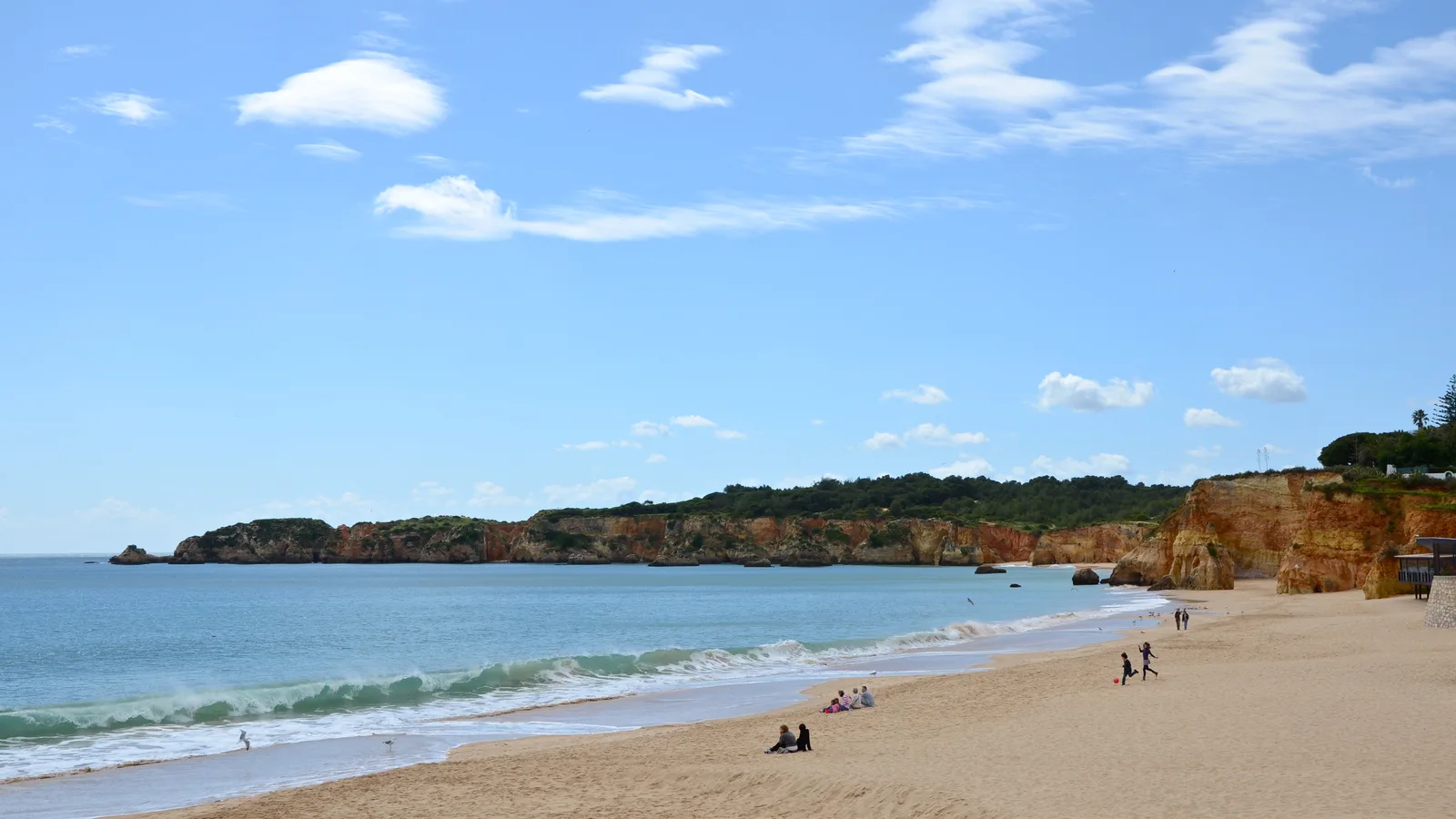
Vau Beach sits between cliffs that drop lower in the middle section, creating a scenic cove. The cliffs show signs of marine erosion and weathering, with numerous nooks and recesses that add character to the shoreline. Several hotels and restaurants line the beach, making it…
Quick Overview
Plan Your Visit to Vau
The key facts before you go
About the Beach
What is Vau?
Vau Beach sits between dramatic cliffs in the Faro region, roughly 53km from Faro Airport and near Portimão. The cliffs recede toward the center, creating a distinctive landscape shaped by natural erosion. The beach is known for its rock formations, caves, and corners carved into the cliff face, features that make it appealing to swimmers and explorers. Several hotels and restaurants line the adjacent area, offering convenient access to food and drink. The bathing water quality is rated Excellent, and lifeguards are on duty during peak season. Vau works best as a summer destination; water temperatures peak in August at 21.6°C.
It sits alongside other certified beaches in Faro, part of a broader network of other Blue Flag beaches in Portugal certified annually by the Foundation for Environmental Education.
Visitor Feedback
What Visitors Say About Vau
What visitors appreciate
- cliffs|caves|calm beach|berlin balls|rock formations|wonderful landscape|pleasant beach|walking at low tide|sand extension|no stairs
- Well-staffed with lifeguards during season
- Excellent EU-rated bathing water quality
Points to consider
- Can be busy during July and August peak season
- Limited parking near the beach
- Facilities may be reduced outside peak months
Based on aggregated public visitor feedback. Themes are synthesised from multiple sources, not individual quotes. Zeach does not reproduce individual reviews.
Sunrise, Sunset & Beach Direction
Vau faces west toward Atlantic Ocean. The best light for photography and swimming is typically in June, September. Direct sun hours follow that facing.
Planning
When to Go: Month by Month
| Month | Air Temp | Water Temp | Crowds |
|---|---|---|---|
| Jan | 12°C | 9°C | Low |
| Feb | 13°C | 10°C | Low |
| Mar | 14°C | 11°C | Low |
| Apr | 16°C | 13°C | Low |
| May | 19°C | 16°C | Low |
| Jun | 21°C | 18°C | Med |
| Jul | 24°C | 21°C | High |
| Aug | 25°C | 22°C | High |
| Sep | 23°C | 20°C | Med |
| Oct | 20°C | 17°C | Low |
| Nov | 16°C | 13°C | Low |
| Dec | 14°C | 11°C | Low |
The best time to visit Vau is June, September. Air temperatures peak around 24.1°C in summer. Peak water temperature reaches 21.1°C in July.
How crowded does Vau get?Vau Beach attracts a mix of visitors during its peak summer months, with July and August seeing the highest footfall. The presence of nearby hotels and restaurants draws a steady stream of guests, but the beach never feels overly packed compared to major resort beaches in the region. Families with children frequent the area, drawn by the calm waters and lifeguard presence. The rock formations and caves appeal to explorers and photographers, so you'll see people investigating the cliff features and low-tide sand extensions. Couples are drawn to the scenic setting, particularly at times when the light softens the cliff colors. The lack of formal infrastructure (no sun loungers, no beach bars directly on the sand) means the crowd remains more natural and less uniform than heavily developed beaches. During shoulder months like June and September, visitor numbers drop noticeably. Winter months see very few swimmers, though the beach remains accessible for walks. The excellent water quality and lifeguard coverage mean parents feel confident bringing children during summer.
Is Vau open year-round?The beach itself is accessible year-round, though staffed facilities including lifeguards typically operate only during the official season (01-06 – 30-09). The Blue Flag is displayed during the certification period only.
The Water
Swimming and Beach Life at Vau
Is Vau safe to swim?Vau is Blue Flag certified, which requires meeting strict bathing water standards set by the EU Bathing Water Directive. Water quality is rated Excellent. Lifeguards are on duty during the official season.
What is the water temperature at Vau?Peak water temperature at Vau reaches around 21.1°C in July, making it comfortable for swimming during the summer months. In winter (January), air temperatures average 12.3°C.
What is the beach like at Vau?Vau Beach's defining feature is its relationship with the cliffs that border it. These cliffs don't form an unbroken wall; instead, they recede in the central section, allowing access to a wider sandy area. The cliff faces show clear signs of weathering (both from sea spray and rainfall) which has created numerous alcoves, recesses, and small caves. These geological features give the beach much of its character and appeal. At low tide, you can walk along an extended sand shelf, discovering different sections of beach and exploring the rocky outcrops. The rock formations rise dramatically from the sand, providing natural windbreaks and shaded areas beneath overhangs. The lack of stairs or formal access routes means you'll need to navigate naturally, which adds to the exploration aspect but requires some physical capability. The sand itself extends further than might be visible at high tide, making timing important if you want to explore the full beach. The calm waters (typical of this area) make swimming straightforward, though the rocky base means you should watch your footing when entering and exiting. The excellent bathing water quality reflects consistent monitoring and relatively low pollution. Hotels and restaurants positioned nearby mean you're never far from refreshment, but the beach itself retains a quieter character than some nearby alternatives. The west-facing orientation means afternoon light reaches the beach directly, though the cliff shadows can cover sections depending on the time of day.
Does Vau have good facilities?As a Blue Flag certified beach, Vau meets the Foundation for Environmental Education's standards for facilities and services. Trained lifeguards are on duty during the season. The beach has disabled access facilities.
Vau sits on the Atlantic Ocean: explore all Blue Flag beaches on the Atlantic.
Planning a trip to Portugal? Blue Flag Beaches Portugal , our editorial guide to certified beaches across the country.
While You're Here
Beyond Vau
Portimão, the nearest city, is 10-15km away and offers a full range of services, restaurants, and shops. The town has a working fishing harbor and a riverside promenade. The wider Faro region contains dozens of beaches, each with distinct characteristics, some rockier, some sandier, some more developed. The Ponta da Piedade area further east is famous for its distinctive ochre-colored cliffs and boat cave tours, though it draws larger crowds. Inland from the coast, the low hills of the Algarve interior contain small villages and rural landscapes. Water sports operators in nearby towns offer kayaking, paddleboarding, and boat trips. The region's restaurants typically focus on fresh fish and seafood given the coastal location. Golf courses dot the surrounding area. Hiking trails follow the coastline in sections, offering cliff-top views and access to smaller coves.
Transport
Getting to Vau
How do I get to Vau by car?Vau is approximately 2.73 km from Portimão. Follow local road signs to the beach. Check Google Maps or a local map for the most current directions.
What is the nearest airport to Vau?The nearest airport is Faro Airport (FAO), approximately 53.2 km away. Faro Airport is the nearest airport, 53.2km away. From FAO, you have several options to reach Vau. Car rental is straightforward; the drive to Portimão (the nearest city) takes roughly 45 minutes via the EN125 or A22 motorway. From Portimão center, Vau Beach is a short drive south toward the coast. Taxi or ride-sharing services operate from the airport but will cost considerably more than car rental for a single journey. Some hotels in the area offer shuttle services if you book accommodation directly. Public transport from the airport exists but involves multiple transfers and takes significantly longer.
Can I get to Vau by public transport?Public transport options vary by season. Check local transport authority websites for current bus and train schedules connecting to Portimão.
Map
Find Vau
Open the map or get directions to the Vau pin. Amenity names are listed here only when OpenStreetMap has a mapped feature nearby.
Map loads when you ask. Tiles stay off the first paint.
Map: OpenStreetMap (ODbL)
Practical Details
Practical Information
| At the Beach | |
| Entry | Free: no charge to access the beach |
|---|---|
| Lifeguards | ✓ On duty during official season |
| Disabled Access | ✓ Accessible site facilities and water entry |
| Showers | ✗ |
| Toilets | ✗ |
| Official Season | 01 Jun – 30 Sep |
| Beach Type | Sandy beach |
| Visiting Information | |
| GPS Coordinates | 37.1196°N, 8.5579°W |
| Water Quality | Excellent (EU Bathing Water Directive) |
| Blue Flag Operator | Foundation for Environmental Education (FEE), Portugal |
Frequently Asked Questions
Vau FAQ
Is Vau Beach worth visiting?
Yes, if you value natural landscape and quieter swimming. The cliff formations and caves create genuine visual interest, and excellent water quality means safe bathing. The calm conditions suit families and less confident swimmers. It works best in summer (July-August) when water reaches 21°C. The nearby hotels and restaurants add convenience without overwhelming the beach's character. If you prefer lively resorts with extensive facilities, other Algarve beaches suit you better.
How do I get to Vau Beach?
Faro Airport (53km away) is your nearest major transport hub. Car rental offers the most flexibility; drive to Portimão then head south to the coast. The drive takes roughly an hour total. Taxis and ride-sharing are available from the airport but cost significantly more than car rental. Public transport options exist but involve multiple transfers and longer journey times. Once there, a car remains useful for exploring other beaches and visiting Portimão.
What's the best time of year to visit Vau Beach?
July and August are peak season, water temperatures reach 21-21.6°C, making comfortable swimming possible. Air temperatures sit around 24-25°C. Lifeguards operate during these months. June and September are quieter alternatives with still-warm water (18-19°C) and air temperatures around 22-23°C. Winter months are cool (water 9-11°C) and attract fewer visitors. Spring and autumn offer moderate conditions but lower visitor numbers, which some prefer.
What facilities are there at Vau Beach?
Lifeguards are present during peak season. Adjacent hotels and restaurants provide food, drink, and accommodation options. There are no formal beach amenities like sun loungers or beach bars directly on the sand. The lack of stairs means natural access only, you navigate the cliff recession and beach naturally. Toilet and shower facilities likely exist at nearby hotels and restaurants, though specifics depend on which establishments you use. Mobile phone coverage is typically available.
Is Vau Beach suitable for families?
Yes, with caveats. The calm water and lifeguard presence create safe swimming conditions. The rock formations and caves appeal to children interested in exploration. The extended sand at low tide provides safe play space. However, the lack of formal infrastructure means you'll need to pack your own supplies and bring children comfortable with natural, unstructured environments. Families wanting sun loungers and beach bars will prefer more developed beaches. The excellent water quality is a genuine safety advantage.
Explore More
Nearby Blue Flag Beaches
Editorial
From the Zeach Blog
Everything you need to know about what makes a beach qualify for Blue Flag status, from water quality to environmental education.
Read moreOur editorial team's pick of the standout Blue Flag beaches in Portugal, rated for family friendliness, scenery, and facilities.
Explore PortugalWhat the flag actually means, how certification works, and why a Blue Flag is a genuinely reliable signal, not just a marketing tool.
Read moreSources
- Foundation for Environmental Education: Blue Flag programme
- FEE site listing for Vau
- ABAE (Associação Bandeira Azul da Europa)
- European Environment Agency: bathing water quality
Last verified September 2026. National operator pages and FEE listings are the primary certification sources.