Varadero
Valencian Community, Spain: Excellent water quality
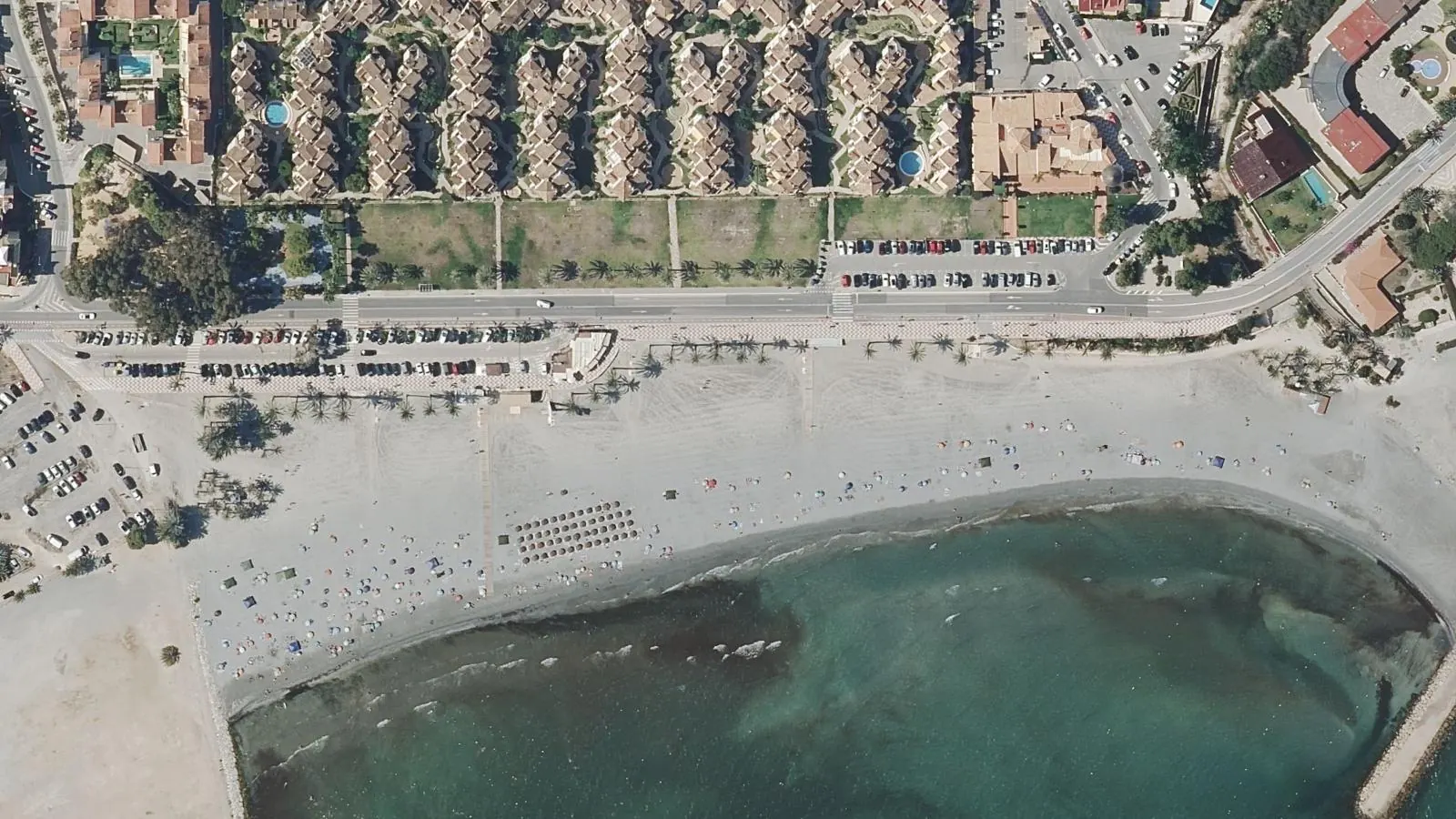
Fine sand and an urban setting make this a popular local beach. Lifeguards are on duty from May 29 to September 19, daily from 11:00 to 19:00. From July 1 to September 12, lifesaving and first aid staff are stationed on the beach.
Quick Overview
Plan Your Visit to Varadero
The key facts before you go
About the Beach
What is Varadero?
Varadero is an urban beach in Santa Pola, in the Valencian Community near Alicante. Located on Spain's southeastern coast, it stretches along the widening of the Levant shoreline, bordered by Santiago Bernabeu Cove to the west and Santa Pola's eastern cove to the east. The beach features fine sand and maintains excellent bathing water quality, backed by solid facilities including sports installations, public transport access, and disabled amenities. Lifeguards patrol from late May through mid-September, operating between 11:00 and 19:00 daily. This is a straightforward, functional beach that works well for swimmers seeking reliable conditions and accessible infrastructure without pretense.
It sits alongside certified beaches along Valencian Community, part of a broader network of certified beaches throughout Spain certified annually by the Foundation for Environmental Education.
Sunrise, Sunset & Beach Direction
Varadero faces south toward Mediterranean Sea. The best light for photography and swimming is typically in June. Direct sun hours follow that facing.
Planning
When to Go: Month by Month
| Month | Air Temp | Water Temp | Crowds |
|---|---|---|---|
| Jan | 12°C | 9°C | Low |
| Feb | 13°C | 10°C | Low |
| Mar | 14°C | 11°C | Low |
| Apr | 16°C | 13°C | Low |
| May | 19°C | 16°C | Low |
| Jun | 23°C | 20°C | Med |
| Jul | 26°C | 23°C | High |
| Aug | 26°C | 23°C | High |
| Sep | 24°C | 21°C | Med |
| Oct | 20°C | 17°C | Low |
| Nov | 16°C | 13°C | Low |
| Dec | 13°C | 10°C | Low |
The best time to visit Varadero is June. Air temperatures peak around 25.9°C in summer. Peak water temperature reaches 22.9°C in July.
How crowded does Varadero get?Varadero draws a mix of locals from Santa Pola and Alicante region visitors, particularly during July through September when lifeguards are active and water temperatures peak. Summer months (especially July-August) bring the predictable crowds of Spanish school holidays and European holiday season, typically busiest mid-morning through early evening. The beach's urban setting means it shares space with residents who swim recreationally year-round, so even off-season you'll encounter regular swimmers testing water conditions. Family groups are visible during peak season, drawn by the lifeguard presence and facilities. The beach's modest size means it doesn't empty out entirely during busy periods, rather, it fills to comfortable capacity without becoming congested. Morning visits tend to be quieter than afternoons. September often sees a decline in crowds as summer holidays end and European tourists head home, though water temperatures remain swimmable (21.1°C). The municipal aquarium nearby draws some family foot traffic that spills onto the beach. Winter months see reduced numbers, with only committed swimmers braving 8-11°C water and shorter daylight. Weekend patterns are typical, busier than weekdays across all seasons.
Is Varadero open year-round?The beach itself is accessible year-round, though staffed facilities including lifeguards typically operate only during the official season (20-06 – 06-09). The Blue Flag is displayed during the certification period only.
The Water
Swimming and Beach Life at Varadero
Is Varadero safe to swim?Varadero is Blue Flag certified, which requires meeting strict bathing water standards set by the EU Bathing Water Directive. Water quality is rated Excellent. Lifeguards are on duty during the official season.
What is the water temperature at Varadero?Peak water temperature at Varadero reaches around 22.9°C in July, making it comfortable for swimming during the summer months. In winter (January), air temperatures average 11.7°C.
What is the beach like at Varadero?Varadero's defining characteristic is its fine sand composition, comfortable underfoot and suitable for all ages. The beach itself is modest in scale, what you're getting here is an urban setting with practical facilities rather than isolation. The water quality consistently earns excellent ratings, which matters for swimmers concerned about cleanliness and safety. The southern exposure means good sun coverage throughout the day, though this also means higher temperatures during peak summer months. Water temperatures are cold in winter (8.7°C in January) but reach 23.4°C by August, creating distinct seasonal swimming conditions. The official swim season runs July through September, when lifeguards are guaranteed and conditions are most predictable. During this period, water sits around 21-23°C, warm enough for extended time in the water without a wetsuit. Outside these months, you'll need to assess conditions individually. May and June see rising temperatures (16.3°C and 20.2°C respectively) while October still holds 17.1°C water. Facility-wise, you'll find sports installations on-site, public toilet facilities, and disabled access throughout. A municipal aquarium operates nearby, adding to the area's infrastructure. The beach itself isn't secluded, it's woven into Santa Pola's urban fabric, which means accessibility but also means you're sharing space with local swimmers and seasonal visitors. Expect a working beach environment rather than a wild or undeveloped one. The Levant winds can influence conditions on certain days, so check local weather before heading out. Sand cleaning and maintenance appear regular given the urban context and Blue Flag status.
Does Varadero have good facilities?As a Blue Flag certified beach, Varadero meets the Foundation for Environmental Education's standards for facilities and services. Trained lifeguards are on duty during the season. The beach has disabled access facilities.
Varadero sits on the Mediterranean Sea: explore all Blue Flag beaches on the Mediterranean.
Planning a trip to Spain? Blue Flag Beaches Spain 2026 , our editorial guide to certified beaches across the country.
While You're Here
Beyond Varadero
Santa Pola offers more than the beach itself. The municipal aquarium sits near Varadero and provides an educational stop, particularly useful for families with younger children. The town maintains a fishing heritage visible in its harbor area, with local restaurants serving fresh seafood. The surrounding Valencian coast includes other coves and natural areas worth exploring if you have transport. Alicante city, 10-15 km away, offers larger attractions including museums, historic quarters, and fuller restaurant scenes if you're staying longer in the region. The Levant coastline has natural sites scattered along it, though specifics require local investigation beyond this beach's immediate sphere.
Transport
Getting to Varadero
How do I get to Varadero by car?Varadero is approximately 1.76 km from Santa Pola. Follow local road signs to the beach. Check Google Maps or a local map for the most current directions.
What is the nearest airport to Varadero?The nearest airport is Alicante-Elche Airport (ALC), approximately 10.5 km away. Alicante-Elche Airport (ALC) sits just 10.5 km from Varadero, making it the closest air gateway. Most European flights arrive here, it's a major hub for Spanish coastal access. From the airport, local buses operate to Santa Pola town center, with journey time around 20-30 minutes depending on stops. Rental cars are available at the airport if you prefer flexibility. The short distance makes Varadero highly accessible for air travelers; you're looking at roughly 45 minutes from landing to beach entry via ground transport.
Can I get to Varadero by public transport?Public transport connects Santa Pola to nearby Alicante via regular bus services. Varadero beach is accessible from Santa Pola town center by local bus. Services run year-round with increased frequency during summer months. Journey from Alicante city center takes approximately 45-60 minutes.
Map
Find Varadero
Open the map or get directions to the Varadero pin. Amenity names are listed here only when OpenStreetMap has a mapped feature nearby.
Map loads when you ask. Tiles stay off the first paint.
Map: OpenStreetMap (ODbL)
Practical Details
Practical Information
| At the Beach | |
| Entry | Free: no charge to access the beach |
|---|---|
| Lifeguards | ✓ On duty during official season |
| Disabled Access | ✓ Accessible site facilities and water entry |
| Showers | ✗ |
| Toilets | ✗ |
| Official Season | 20 Jun – 06 Sep |
| Beach Type | Sandy beach |
| Visiting Information | |
| GPS Coordinates | 38.1890°N, 0.5359°W |
| Water Quality | Excellent (EU Bathing Water Directive) |
| Blue Flag Operator | Foundation for Environmental Education (FEE), Spain |
Frequently Asked Questions
Varadero FAQ
Is Varadero worth visiting?
Yes, if you want a straightforward urban beach with reliable facilities and excellent water quality. Varadero works well for swimmers seeking lifeguard-patrolled conditions (July-September) and disabled access rather than those hunting for solitude or dramatic scenery. The fine sand and proximity to Alicante Airport make it practical for short trips. It's not a destination beach in itself, it's a functional, well-maintained local option that happens to have Blue Flag status.
How do I get to Varadero?
By air: Alicante-Elche Airport is 10.5 km away (20-30 minutes by local bus). By bus: Regular services connect Santa Pola to Alicante and surrounding towns. By car: Accessible via Avenida Santiago Bernabeu. The short distance from the airport and established public transport make Varadero accessible without complication. Local buses run year-round to Santa Pola town center, from which the beach is walkable or a short ride away.
What's the best time of year to visit Varadero?
July through September offers peak conditions: lifeguards on duty, water at 21-23°C, and air temperatures 24-26°C. This is the official swim season. May and June provide warming water (16-20°C) with fewer crowds but no lifeguard guarantee. October still holds 17°C water if you tolerate cool swimming. Winter (November-April) sees water below 12°C, only for wetsuit swimmers or those testing winter conditions. Summer is practical; shoulder seasons require flexibility.
What facilities are there at Varadero?
Varadero provides public toilets, disabled access facilities, sports installations, and public transport connections. Lifeguards operate July 1-September 12, from 11:00-19:00 daily. The municipal aquarium sits nearby. You'll find basic urban beach infrastructure rather than beach bars or rental services. Amenities are functional and sufficient for a day visit, with Santa Pola town offering fuller services within walking distance.
Is Varadero suitable for families?
Yes, particularly during July-September when lifeguards are present. Fine sand, disabled facilities, and nearby amenities support families with children. The municipal aquarium adds an educational option. The urban setting means facilities are accessible but also means crowds during peak holidays. Outside the lifeguard season (May-June, September) you'll need to manage supervision yourself. Overall, it's a practical family beach rather than an adventure destination.
Explore More
Nearby Blue Flag Beaches
Editorial
From the Zeach Blog
Everything you need to know about what makes a beach qualify for Blue Flag status, from water quality to environmental education.
Read moreOur editorial team's pick of the standout Blue Flag beaches in Spain, rated for family friendliness, scenery, and facilities.
Explore SpainWhat the flag actually means, how certification works, and why a Blue Flag is a genuinely reliable signal, not just a marketing tool.
Read moreSources
- Foundation for Environmental Education: Blue Flag programme
- FEE site listing for Varadero
- ADEAC (Asociación de Educación Ambiental y del Consumidor)
- European Environment Agency: bathing water quality
Last verified September 2026. National operator pages and FEE listings are the primary certification sources.