Tresaith
Wales, United Kingdom
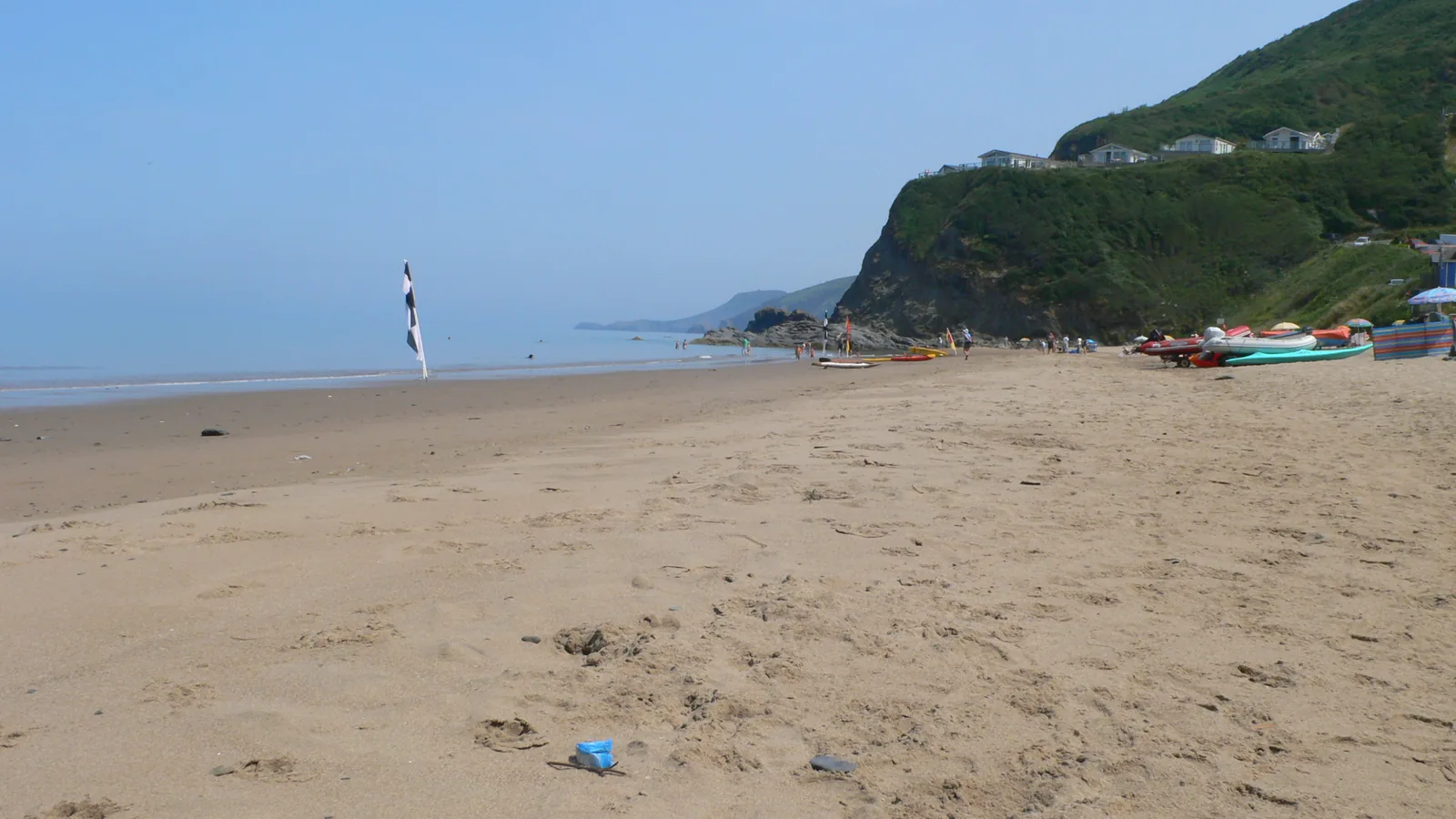
Facing northwest, the bay is popular for swimming, surfing, sailing, and windsurfing, along with beach games and sandcastle building. The village behind the beach has a shop, cafe, and pub. The coastal waters fall within the Cardigan Bay Special Area of Conservation, reflecting the area's…
Quick Overview
Plan Your Visit to Tresaith
The key facts before you go
About the Beach
What is Tresaith?
Tresaith is a Blue Flag beach on the Ceredigion coast in Wales, facing southwest into a sheltered bay. The beach sits below dramatic cliffs, with a picturesque village immediately behind offering practical amenities. Known for water sports including swimming, surfing, sailing and windsurfing, Tresaith also works well for simpler seaside activities like beach games and sandcastle building. The Cardigan Bay Special Area of Conservation designation reflects the ecological importance of these waters. The Ceredigion Coast Path connects Tresaith to neighbouring Aberporth, while low tide walking extends possibilities further north to Penbryn. Regular wildlife sightings (seals and dolphins close to shore) add natural interest to visits.
It sits alongside Blue Flag beaches in Wales, part of a broader network of Blue Flag certified beaches across United Kingdom certified annually by the Foundation for Environmental Education.
Visitor Feedback
What Visitors Say About Tresaith
What visitors appreciate
- waterfall|pub|coastal path|cliffs|rock pools|dog friendly beach|steep walk|honesty box|paddle boarding|kayak hire
Points to consider
- Can be busy during July and August peak season
- Facilities may be reduced outside peak months
Based on aggregated public visitor feedback. Themes are synthesised from multiple sources, not individual quotes. Zeach does not reproduce individual reviews.
Sunrise, Sunset & Beach Direction
Tresaith faces south toward Atlantic Ocean. The best light for photography and swimming is typically in May, June, September. Direct sun hours follow that facing.
Planning
When to Go: Month by Month
| Month | Air Temp | Water Temp | Crowds |
|---|---|---|---|
| Jan | 7°C | 9°C | Low |
| Feb | 7°C | 8°C | Low |
| Mar | 8°C | 8°C | Low |
| Apr | 9°C | 9°C | Low |
| May | 12°C | 11°C | Med |
| Jun | 15°C | 13°C | High |
| Jul | 17°C | 15°C | High |
| Aug | 17°C | 16°C | High |
| Sep | 15°C | 16°C | Med |
| Oct | 12°C | 15°C | Low |
| Nov | 9°C | 13°C | Low |
| Dec | 8°C | 11°C | Low |
The best time to visit Tresaith is May, June, September. Air temperatures peak around 16.7°C in summer. Peak water temperature reaches 15.1°C in July.
How crowded does Tresaith get?Tresaith draws a mixed summer audience: families using the practical village facilities, water sports enthusiasts (particularly surfers), and coastal walkers using the Ceredigion Coast Path. Peak season extends through July-August when air temperatures reach their warmest (16-17°C) and school holidays drive family visits. Weekends see higher occupancy than weekdays throughout summer. Spring and autumn attract fewer people, making April-May and September ideal for those seeking quieter visits while water temperatures become progressively more swimmable. Winter months (November-February) see minimal beach use due to cold air temperatures (6.6°C average in January) and very cold water (8.1°C), though hardy cold-water swimmers and winter walkers still visit. The dog-friendly designation brings regular visits from dog walkers, distributed fairly evenly across seasons except during peak family weeks. The steep walk down to the beach naturally limits casual drop-in visitors compared to car-park-adjacent beaches. This topography tends to deter very large crowds even during summer peak times. The lifeguard presence (when operational) supports summer family visits. Lower crowd levels compared to major seaside resorts mean parking and beach space remain available even during busy periods, though arriving early on summer weekends remains sensible practice.
Is Tresaith open year-round?The beach itself is accessible year-round, though staffed facilities including lifeguards typically operate only during the official season (15-05 – 30-09). The Blue Flag is displayed during the certification period only.
The Water
Swimming and Beach Life at Tresaith
Is Tresaith safe to swim?Tresaith is Blue Flag certified, which requires meeting strict bathing water standards set by the EU Bathing Water Directive.
What is the water temperature at Tresaith?Peak water temperature at Tresaith reaches around 15.1°C in July, making it comfortable for swimming during the summer months. In winter (January), air temperatures average 6.6°C.
What is the beach like at Tresaith?Tresaith's bay opens to the southwest, providing natural shelter that makes it accessible for various water activities. The beach supports an active community of swimmers and water sports users throughout the year. Surfers find consistent conditions, while the calmer inner bay suits sailing and windsurfing when wind direction favours it. Summer months bring swimmers and paddleboarders; kayak hire operates seasonally from the beach. The foreshore extends considerably at low tide, revealing rock pools and creating extended walking opportunities along the sand toward Penbryn to the north. The village behind the beach is genuinely functional rather than seasonal. A shop, cafe and pub provide food and supplies without requiring travel inland. This matters during weather changes or when hunger strikes mid-visit. The steep walk down to the beach is worth noting, families with pushchairs or those with mobility constraints should plan accordingly. The cliffs rising behind create the dramatic setting but also mean the beach floor transitions quickly from sand to rock in places. Water temperatures follow the Welsh coast pattern: winter months (January-March) see temperatures between 8.1°C, requiring wetsuits for swimming. Spring warming is gradual through April-May. Summer peaks in July-August around 15.1°C, swimmable without wetsuits but still cool. Autumn cools through September-November. December returns to winter temperatures. Air temperatures remain moderate year-round: January averages 6.6°C, July-August around 16-17°C. Wind exposure varies with season and weather systems. The Blue Flag status (continuous since 2000) indicates maintained water quality and lifeguard presence during operational periods. Dogs are permitted, making Tresaith accessible for those travelling with pets. The National Trust manages Penbryn's sand dunes and woodland to the north, supporting the conservation designation that protects both the beach environment and marine life.
Tresaith sits on the Atlantic Ocean: explore all Blue Flag beaches on the Atlantic.
While You're Here
Beyond Tresaith
Tresaith's immediate surroundings offer genuine walking and exploration opportunities rather than developed tourist infrastructure. The Ceredigion Coast Path connects northward to Aberporth and southward linking the coastal villages. Low-tide foreshore walking extends north toward Penbryn, where the National Trust manages sand dunes and coastal woodland. This walking area is ecologically significant and offers quieter alternatives to the main beach. Seal and dolphin sightings are regular occurrences in Cardigan Bay's waters, boat-based wildlife watching trips operate from nearby ports. The Cardigan Bay Special Area of Conservation designation protects this marine environment and supports its biological richness. The village itself contains a pub, shop and cafe, functional facilities rather than extensive leisure infrastructure. These provide genuine local character rather than tourist commercialisation. Aberporth, 2-3 km walk along the coast path, offers its own beach and different landscape perspective. The coastal terrain combines sand, rocks, cliffs and woodland, creating environmental variety. This is countryside tourism rather than developed resort tourism, visitors seeking natural landscape exploration will find it; those expecting extended facilities or attractions will not.
Transport
Getting to Tresaith
How do I get to Tresaith by car?Tresaith is approximately 42.37 km from Ceredigion. Follow local road signs to the beach. Check Google Maps or a local map for the most current directions.
What is the nearest airport to Tresaith?The nearest airport is Cardiff International Airport (CWL), approximately 115.2 km away.
Can I get to Tresaith by public transport?Direct bus services to Tresaith operate from Aberteifi (Cardigan) town, approximately 12 km away. Local Ceredigion bus services connect Aberteifi and surrounding villages including Tresaith. Journey time is typically 25-40 minutes depending on route and stops. Frequency is limited, services are primarily designed for local residents rather than tourists, so check timetables carefully. Arriving at Aberteifi by train, then connecting to a local bus, is feasible but requires advance planning to ensure connections align. Summer services may have slightly increased frequency. Bus travel offers economical transport once in the region but requires flexibility regarding departure times.
Is there a train to Tresaith?Train travel to Tresaith requires reaching Aberteifi (Cardigan) station on the Wales & Borders line. Journey from London Paddington takes approximately 4-5 hours with typically one change (usually at Birmingham or Hereford depending on service). From Birmingham, trains run to Aberteifi via the Heart of Wales Line. Frequency varies by season and day of week, services are more frequent on weekdays. Check National Rail timetables before planning. From Aberteifi station, local buses or taxis cover the final 10-12 km to Tresaith. The coastal landscape approaching Aberteifi offers scenic value, and train travel avoids driving fatigue.
Map
Find Tresaith
Open the map or get directions to the Tresaith pin. Amenity names are listed here only when OpenStreetMap has a mapped feature nearby.
Map loads when you ask. Tiles stay off the first paint.
Map: OpenStreetMap (ODbL)
On the beach
Facilities at Tresaith
- Lifeguards
- Yes, during the certified season
- Wheelchair access
- Accessible site facilities
- Visual assistance
- No
- Toilets
- Yes
- Parking
- 163 m away
- Dogs
- Allowed
- Entry
- Free to enter
These details can change. Check on arrival.
Map data © OpenStreetMap contributors
Practical Details
Practical Information
| At the Beach | |
| Official Season | 15 May – 30 Sep |
|---|---|
| Beach Type | Sandy beach |
| Visiting Information | |
| GPS Coordinates | 52.1352°N, 4.5177°W |
| Blue Flag Operator | Foundation for Environmental Education (FEE), United Kingdom |
Frequently Asked Questions
Tresaith FAQ
Is Tresaith worth visiting?
Tresaith suits visitors seeking a functional beach with reliable facilities and good water quality (Blue Flag since 2000). The combination of swimming, water sports, coastal walking and dog-friendly access works well for mixed-interest groups. The picturesque village provides practical amenities without feeling over-developed. It's worth visiting if you value working beaches with clear water and surrounding landscape; less suitable if expecting extensive entertainment or accommodation options. Summer months offer warmer conditions; water temperatures reach 13-14°C July-August but remain cool (4-9°C) spring and autumn.
How do I get to Tresaith?
From London, train to Aberteifi (Cardigan) station takes 4-5 hours, then local bus or taxi covers the final 10-12 km. Driving from London via the A40 and A487 takes 4-5 hours. Once in the area, car access provides most flexibility. Public transport works but requires careful timetable planning, particularly for bus connections. The steep walk from car park to beach is notable for those with mobility concerns.
What's the best time of year to visit?
July-August offer warmest air temperatures (16-17°C) and most swimmable water (15.1°C), though peak holiday crowds apply. April-May and September bring milder conditions (6-15°C air) with fewer visitors and water warming (13.2°C). Winter (November-February) sees very cold water (8.1°C) and modest air temperatures, suitable only for cold-water swimmers and winter walkers. Lifeguards operate during summer months. For balancing weather, crowd levels and affordability, late May, early September, or October half-term offer practical compromises.
What facilities are there?
The village immediately behind the beach contains a shop, cafe and pub, genuine working facilities rather than tourist development. Lifeguards operate during summer season. The beach is dog-friendly. Paddleboard and kayak hire operate seasonally. Rock pools reward exploration at low tide, and the Ceredigion Coast Path provides walking access to adjacent areas. Public car parking exists (though steep walk down required). Facilities are functional and sufficient for day-visits; visitors expecting extensive amenities or accommodation variety should base themselves in larger towns and travel out.
Is Tresaith suitable for families?
Yes, with practical considerations. The village facilities (shop, cafe, pub) support family visits. Lifeguards operate during summer, and the dog-friendly designation suits families with pets. Shallow bay waters and sand suitable for sandcastles and beach games work well for young children. The steep walk down to the beach challenges families with pushchairs or mobility limitations, plan accordingly. Summer water temperatures (13-14°C) suit children with wetsuits. Spring and autumn become cooler. Winter temperatures make family swimming uncomfortable. Coastal walking, rock pool exploration and seal/dolphin spotting add variety beyond beach time.
Explore More
Nearby Blue Flag Beaches
Editorial
From the Zeach Blog
Everything you need to know about what makes a beach qualify for Blue Flag status, from water quality to environmental education.
Read moreOur editorial team's pick of the standout Blue Flag beaches in United Kingdom, rated for family friendliness, scenery, and facilities.
What the flag actually means, how certification works, and why a Blue Flag is a genuinely reliable signal, not just a marketing tool.
Read moreSources
- Foundation for Environmental Education: Blue Flag programme
- FEE site listing for Tresaith
- Keep Britain Tidy / Foundation for Environmental Education
Last verified September 2026. National operator pages and FEE listings are the primary certification sources.