Salinas
Spain: Excellent water quality
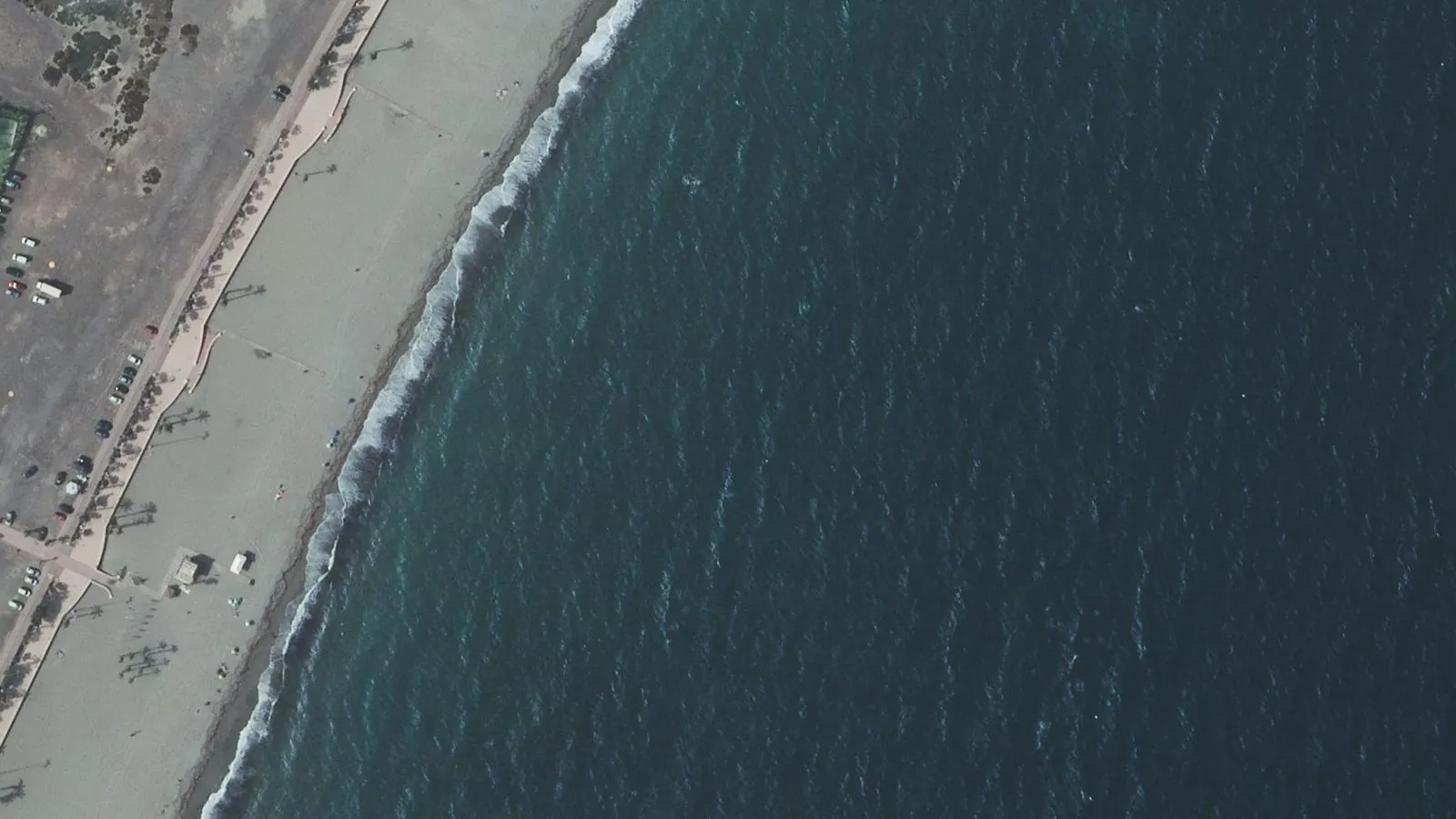
Urban beach with easy access by foot, bike, or car. It's close to town, making it convenient for a quick visit.
Quick Overview
Plan Your Visit to Salinas
The key facts before you go
About the Beach
What is Salinas?
Salinas is an urban beach located on Spain's southern coast near Almería, facing west toward the Mediterranean. The beach sits just minutes from the town center, making it easily accessible whether you arrive on foot, by bike, or by car. The water quality here is excellent, consistently meeting Blue Flag standards. From June through September, water temperatures climb into the low to mid-20s Celsius, creating ideal swimming conditions. The beach's proximity to amenities and straightforward access make it a practical choice for both day visitors and those staying longer in the area.
It is part of a wider group of certified beaches throughout Spain that meet FEE's annual standards for water quality, safety, and environmental management.
Sunrise, Sunset & Beach Direction
Salinas faces west toward Mediterranean Sea. The best light for photography and swimming is typically in April, May, June. Direct sun hours follow that facing.
Planning
When to Go: Month by Month
| Month | Air Temp | Water Temp | Crowds |
|---|---|---|---|
| Jan | 13°C | 10°C | Low |
| Feb | 14°C | 11°C | Low |
| Mar | 15°C | 12°C | Low |
| Apr | 17°C | 14°C | Med |
| May | 21°C | 18°C | High |
| Jun | 25°C | 22°C | High |
| Jul | 27°C | 24°C | High |
| Aug | 28°C | 25°C | High |
| Sep | 25°C | 22°C | High |
| Oct | 21°C | 18°C | Med |
| Nov | 17°C | 14°C | Low |
| Dec | 15°C | 12°C | Low |
The best time to visit Salinas is April, May, June. Air temperatures peak around 27.3°C in summer. Peak water temperature reaches 24.3°C in July.
How crowded does Salinas get?Salinas functions as the local beach for its nearby town, which shapes how busy it gets. During the June-to-September swimming season, expect summer visitors alongside residents, particularly on weekends and during Spanish holiday periods. July and August typically see the highest crowds, as these are peak vacation months across southern Spain. Weekday visits, especially in June and September, tend to be quieter. The urban location means the beach serves practical purposes (it's where locals swim, exercise, and spend time) rather than being a destination beach requiring travel time. Winter months (November through April) are much quieter, though water temperatures make swimming uncomfortable except for committed swimmers with wetsuits. Spring and early summer build gradually as temperatures warm. The presence of lifeguards during the season indicates the beach manages regular visitor volumes. The accessibility by foot, bike, and car means people visit casually without major planning, contributing to steady rather than extreme crowding. If you prefer solitude, aim for weekday mornings in shoulder months like May or October.
Is Salinas open year-round?The beach itself is accessible year-round, though staffed facilities including lifeguards typically operate only during the official season (02-04 – 15-10). The Blue Flag is displayed during the certification period only.
The Water
Swimming and Beach Life at Salinas
Is Salinas safe to swim?Salinas is Blue Flag certified, which requires meeting strict bathing water standards set by the EU Bathing Water Directive. Water quality is rated Excellent. Lifeguards are on duty during the official season.
What is the water temperature at Salinas?Peak water temperature at Salinas reaches around 24.3°C in July, making it comfortable for swimming during the summer months. In winter (January), air temperatures average 12.9°C.
What is the beach like at Salinas?Salinas beach benefits from its location within easy reach of the town, yet offers the experience of a proper coastal environment. The western-facing shoreline means you'll have good light throughout the day for swimming and water activities. Water temperatures tell the story of the Mediterranean calendar here: January and February are chilly at around 10-11°C, but conditions improve steadily through spring. By May, temperatures reach 18°C, and the true swimming season arrives in June when water hits 21.7°C. July and August are warmest, reaching 24-25°C, while September remains pleasant at 22°C. October sees temperatures drop back to 18°C, marking the tail end of comfortable bathing. The bathing water quality is rated as excellent, which means the beach consistently meets the highest European standards for cleanliness and safety. Lifeguards are on duty, adding an important safety layer during the swimming season. The beach's urban location means you won't find isolation or remoteness, this is a working beach integrated into local life. Access is straightforward: you can walk from the town, cycle there easily, or drive and park nearby. The infrastructure supports casual visits and longer stays alike. The sandy beach itself provides the standard Mediterranean setting, with depths and conditions suitable for regular swimmers during summer months. Winter visits are possible but require tolerance for cooler water and less sunshine. The westward orientation means afternoon and evening light can be excellent for photos and relaxation.
Does Salinas have good facilities?As a Blue Flag certified beach, Salinas meets the Foundation for Environmental Education's standards for facilities and services. Trained lifeguards are on duty during the season. Toilet facilities are on site. Parking is available nearby. The beach has disabled access facilities.
Salinas sits on the Mediterranean Sea: explore all Blue Flag beaches on the Mediterranean.
Planning a trip to Spain? Blue Flag Beaches Spain 2026 , our editorial guide to certified beaches across the country.
While You're Here
Beyond Salinas
The town of Salinas itself provides immediate facilities and services, shops, restaurants, bars, and accommodation options are integrated with beach access. The Almería region offers broader exploration opportunities: the historic city of Almería lies inland, featuring the Alcazaba fortress and old town. The broader Almería coast includes other beaches and coastal towns worth visiting if you're staying several days. Inland routes lead toward traditional white villages and mountain scenery characteristic of inland Andalucía. The location on southern Spain's coast places you within reach of other Mediterranean beach areas, though Salinas itself is focused on being a functional local beach rather than a tourist resort destination. The region's agricultural hinterland (famous for greenhouse farming and traditional villages) differs markedly from the coast, offering cultural contrast if you venture inland.
Transport
Getting to Salinas
How do I get to Salinas by car?Salinas is located in Spain. Follow local road signs to the beach. Check Google Maps or a local map for the most current directions.
What is the nearest airport to Salinas?The nearest airport is Málaga-Costa del Sol Airport (AGP), approximately 102.2 km away. Málaga-Costa del Sol Airport (AGP) is the nearest airport, located 102 kilometers northeast of Salinas. This major international hub serves most flights to the region. From the airport, you have several onward options: car rental gives you flexibility for the drive along the coast toward Almería; shuttle services and buses connect the airport to various coastal towns; or you can arrange a taxi, though the distance makes this an expensive choice. Travel time from the airport to Salinas is roughly 1.5 to 2 hours depending on your transport method and traffic conditions. The drive follows the N-340 coastal road or motorway routes eastward toward the Almería province.
Can I get to Salinas by public transport?Public transport options vary by season. Check local transport authority websites for current bus and train schedules connecting to Spain. The nearest recorded bus stop is 1.3 km from the beach.
Is there a train to Salinas?Salinas lists Almería as the nearest railway station, 14.22 km away. Check current timetables before travelling.
Map
Find Salinas
Open the map or get directions to the Salinas pin. Amenity names are listed here only when OpenStreetMap has a mapped feature nearby.
Map loads when you ask. Tiles stay off the first paint.
Map: OpenStreetMap (ODbL)
Practical Details
Practical Information
| At the Beach | |
| Entry | Free: no charge to access the beach |
|---|---|
| Lifeguards | ✓ On duty during official season |
| Disabled Access | ✓ Accessible site facilities and water entry |
| Showers | ✗ |
| Toilets | ✓ Available during season |
| Official Season | 02 Apr – 15 Oct |
| Beach Type | Sandy beach |
| Parking | ✓ Available nearby (street-side parking) |
| Nearest supermarket | 1.4 km from the beach |
| Nearest bus stop | 1.3 km from the beach |
| Visiting Information | |
| GPS Coordinates | 36.7758°N, 2.5980°W |
| Water Quality | Excellent (EU Bathing Water Directive) |
| Blue Flag Operator | Foundation for Environmental Education (FEE), Spain |
Frequently Asked Questions
Salinas FAQ
Is Salinas worth visiting?
Yes, if you want a practical Mediterranean beach with excellent water quality near amenities. Salinas suits swimmers during June-September when water temperatures reach 21-25°C. It's not a remote or undeveloped beach, it's an urban beach that works well for day visits or casual stays without requiring lengthy travel from town. Lifeguards and easy access make it reliable for families. Winter visits require tolerance for cold water and reduced daylight hours.
How do I get to Salinas?
Salinas is near its town center, so access is straightforward once you're in the region. The nearest major airport is Málaga-Costa del Sol, 102km away, taking 1.5-2 hours by car or bus. From there, rent a car for flexibility, use coastal bus services, or arrange a transfer. The beach itself is walkable, bikeable, and accessible by car from the town, with convenient parking options.
What's the best time of year to visit?
June through September is the proper swimming season, with water temperatures ranging from 21°C in June to 25°C in August. July-August are busiest. May and October offer warmer air and fewer crowds, though water is cooler (18-21°C). Winter months see temperatures drop to 10-12°C, suitable only for committed swimmers. Weekday visits in June and September are quieter than peak summer.
What facilities are there?
The beach is integrated with the nearby town, so facilities include restaurants, bars, shops, and accommodation. Lifeguards operate during the swimming season. Access is designed for casual use, parking is available, and the beach is walkable or bikeable from the town center. The excellent water quality means regular testing and maintenance. Standard beach amenities are present, though Salinas functions as a local beach rather than a resort destination.
Is Salinas suitable for families?
Yes. Lifeguards are on duty during swimming season, water quality is excellent, and the beach is easily accessible with no difficult terrain. The nearby town provides facilities, restaurants, and services families need. Water temperatures are warm enough for children June-September. The urban setting means safety infrastructure is in place. Crowding peaks in July-August but remains manageable. Weekday or shoulder-season visits provide a more relaxed family experience.
Explore More
Nearby Blue Flag Beaches
Editorial
From the Zeach Blog
Everything you need to know about what makes a beach qualify for Blue Flag status, from water quality to environmental education.
Read moreOur editorial team's pick of the standout Blue Flag beaches in Spain, rated for family friendliness, scenery, and facilities.
Explore SpainWhat the flag actually means, how certification works, and why a Blue Flag is a genuinely reliable signal, not just a marketing tool.
Read moreSources
- Foundation for Environmental Education: Blue Flag programme
- FEE site listing for Salinas
- ADEAC (Asociación de Educación Ambiental y del Consumidor)
- European Environment Agency: bathing water quality
Last verified September 2026. National operator pages and FEE listings are the primary certification sources.