Salgados
Faro, Portugal: Excellent water quality
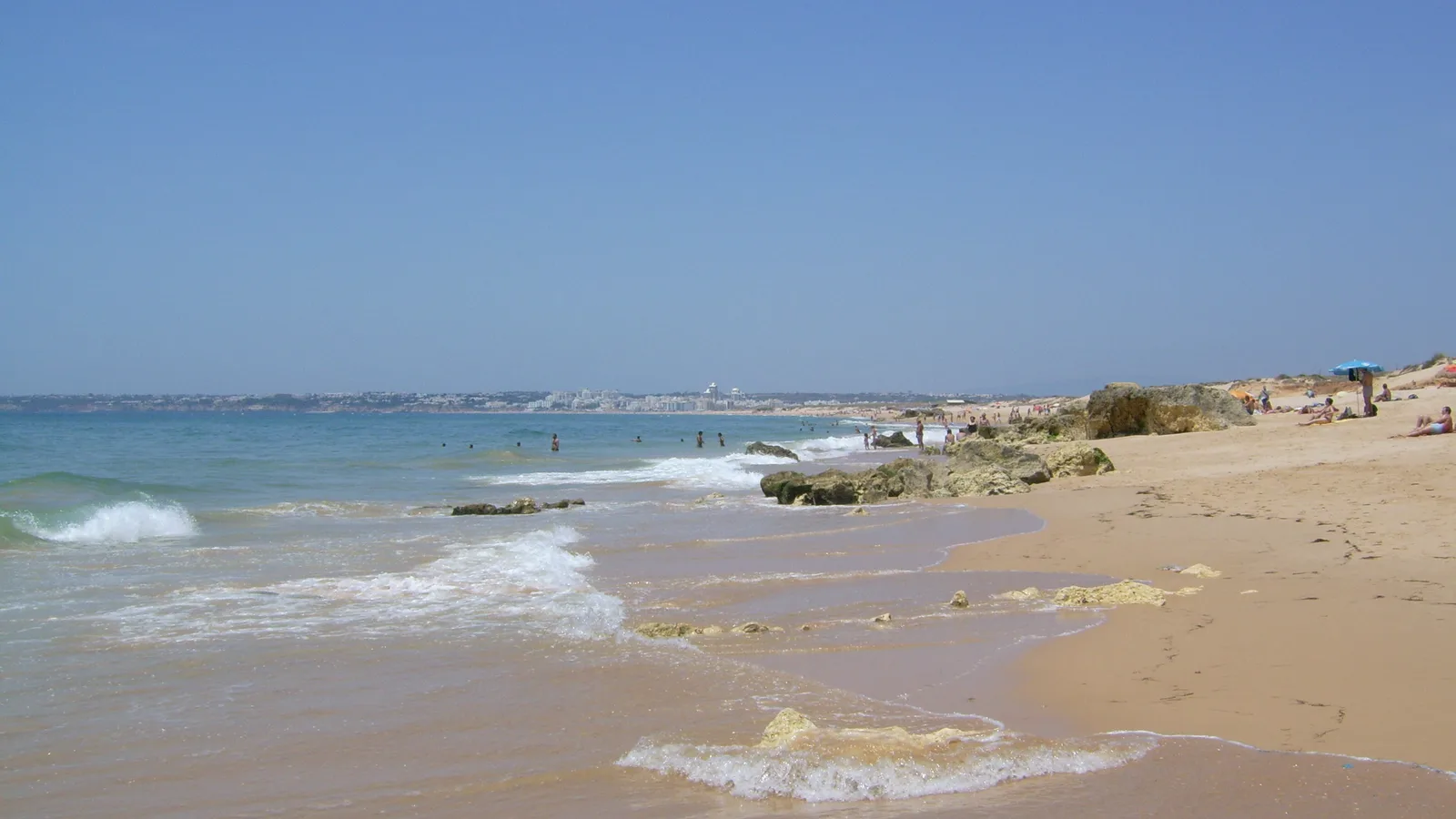
The coastline here curves gently, with advancing dunes interrupted by a small drop where water from Salgados lagoon flows in during winter. You reach the beach by walking through a tourist facility connected to the adjacent golf course. The 200-metre sand area has a paved…
Quick Overview
Plan Your Visit to Salgados
The key facts before you go
About the Beach
What is Salgados?
Salgados is a west-facing beach in Faro district, near Albufeira, where coastal dunes give way to a lagoon system that shapes the shoreline. The beach stretches 200 metres of sand and sits adjacent to the Salgados lagoon, a brackish water body fringed with reeds and canes. Access runs through a golf-course-linked tourist facility with a paved car park including disabled spaces. The lagoon supports significant bird populations including coots, cormorants, and flamingos, making it notable for birdwatchers. Water quality is rated Excellent, with lifeguards on duty during peak season. The location sits 32km from Faro Airport, making it accessible for international visitors exploring the central Algarve coast.
It sits alongside certified beaches along Faro, part of a broader network of certified beaches throughout Portugal certified annually by the Foundation for Environmental Education.
Sunrise, Sunset & Beach Direction
Salgados faces west toward Atlantic Ocean. The best light for photography and swimming is typically in September. Direct sun hours follow that facing.
Planning
When to Go: Month by Month
| Month | Air Temp | Water Temp | Crowds |
|---|---|---|---|
| Jan | 12°C | 9°C | Low |
| Feb | 13°C | 10°C | Low |
| Mar | 14°C | 11°C | Low |
| Apr | 16°C | 13°C | Low |
| May | 20°C | 17°C | Low |
| Jun | 22°C | 19°C | Low |
| Jul | 25°C | 22°C | Med |
| Aug | 25°C | 22°C | High |
| Sep | 23°C | 20°C | Med |
| Oct | 20°C | 17°C | Low |
| Nov | 16°C | 13°C | Low |
| Dec | 14°C | 11°C | Low |
The best time to visit Salgados is September. Air temperatures peak around 25°C in summer. Peak water temperature reaches 22°C in July.
How crowded does Salgados get?Salgados operates within a defined framework that shapes visitor patterns. Access through a tourist facility tied to the golf course means this is not a free-access public beach in the conventional sense. This arrangement naturally limits casual foot traffic compared to major Algarve beaches and creates a more managed visitor environment. The swim season officially runs July through August, the two months when lifeguards are present and water temperatures peak (22°C). During these months, expect standard summer beach activity, families, swimmers, and beachgoers using the 200-metre sand area. The paved parking with disabled spaces suggests the facility anticipates visitor numbers but manages them through controlled access. Outside July–August, usage patterns shift fundamentally. Water temperatures drop to 17°C by October and below 11°C from November through March. The lagoon aspect becomes more prominent than bathing, and the birdwatching dimension (coots, cormorants, flamingos, and rare wading species) attracts a different visitor profile. Winter visitors are often observers rather than swimmers, using the facility for the ecological interest of the lagoon system. The golf course integration suggests the facility caters to combined beach-and-leisure-activity visitors rather than beach-only users. This creates a different atmosphere than crowded public beaches. Visitor density remains moderate relative to major Algarve destinations, a consequence of the access arrangement and the facility's mixed-use nature.
Is Salgados open year-round?The beach itself is accessible year-round, though staffed facilities including lifeguards typically operate only during the official season (01-07 – 30-09). The Blue Flag is displayed during the certification period only.
The Water
Swimming and Beach Life at Salgados
Is Salgados safe to swim?Salgados is Blue Flag certified, which requires meeting strict bathing water standards set by the EU Bathing Water Directive. Water quality is rated Excellent. Lifeguards are on duty during the official season.
What is the water temperature at Salgados?Peak water temperature at Salgados reaches around 22°C in July, making it comfortable for swimming during the summer months. In winter (January), air temperatures average 12.1°C.
What is the beach like at Salgados?Salgados occupies a distinctive position where the Algarve's extended, meandering coastline meets the Salgados lagoon system. The beach itself comprises 200 metres of sand, bounded by advancing dunes that characterise this stretch of coast. A notable topographical feature (a small drop) creates the conditions where lagoon water enters the beach zone, particularly during winter months when water levels rise. This geographical arrangement means Salgados differs markedly from the cliff-backed beaches further east along the Algarve. Access to the sand requires passing through a tourist enterprise that operates alongside the golf course. This arrangement has practical implications: it means the beach is not a simple walk-on facility but requires passing through commercial property. The paved parking area is substantial and includes dedicated disabled spaces, a practical consideration for visitors with mobility requirements. The lagoon itself is a primary feature. Its glass-like waters, when calm, reflect the surrounding vegetation, extensive stands of reeds and canes rooted in brackish water. This is not a crystalline Mediterranean environment but a working coastal wetland. The vegetation creates habitat for significant bird populations. Species regularly observed include coots, cormorants, and flamingos, along with other waders. The long-legged birds mentioned in descriptions include species nearing extinction in European contexts, making the lagoon ecologically noteworthy beyond beach swimming. Water quality testing rates Excellent, meeting Blue Flag standards. However, visitors should understand the difference between lagoon water and open-sea bathing water. Lifeguards operate during the defined swim season (July–August), providing supervised swimming during peak visitor periods. Water temperatures reach 22.0°C in July and 22.3°C in August (the warmest months) making summer swimming comfortable by northern European standards. Outside these months, temperatures drop significantly: October reaches 17.0°C, and winter months fall below 11°C. The beach's west-facing orientation means afternoon and evening light conditions differ from east-facing alternatives, with early sunset during winter months.
Does Salgados have good facilities?As a Blue Flag certified beach, Salgados meets the Foundation for Environmental Education's standards for facilities and services. Trained lifeguards are on duty during the season. Parking is available nearby. The beach has disabled access facilities.
Salgados sits on the Atlantic Ocean: explore all Blue Flag beaches on the Atlantic.
Planning a trip to Portugal? Blue Flag Beaches Portugal , our editorial guide to certified beaches across the country.
While You're Here
Beyond Salgados
Salgados sits within reach of central Algarve attractions. Albufeira town centre, 5km away, offers restaurants, shops, and conventional tourism infrastructure. The beach itself adjoins a golf course, making the facility part of a leisure complex rather than an isolated coastal point. The lagoon system is the primary non-beach attraction. The brackish water ecosystem supports birdwatching across multiple species: coots, cormorants, flamingos, and wading birds including long-legged species near extinction in European populations. The reed and cane vegetation creates habitat and photographic interest beyond standard beach activities. Winter and shoulder seasons, when water temperatures exclude casual swimming, shift focus to ecological observation. The wider Faro region offers conventional tourism: Faro Old Town with its cathedral and city walls lies 32km east; Lagos and Ponta da Piedade, famous for rock formations and caves, require 90–120km driving time. However, these require deliberate travel rather than casual day-trip access. Salgados functions as a specific-purpose destination (beaching in summer, birdwatching and lagoon observation in other seasons) rather than a hub for multi-site touring.
Transport
Getting to Salgados
How do I get to Salgados by car?Salgados is approximately 6.21 km from Albufeira. Follow local road signs to the beach. Check Google Maps or a local map for the most current directions.
What is the nearest airport to Salgados?The nearest airport is Faro Airport (FAO), approximately 32.0 km away. Faro Airport (FAO) lies 32km northwest of Salgados, approximately 35–40 minutes by road depending on traffic and route. The airport is the primary international gateway for the central Algarve, with scheduled connections to major European cities. Car rental at the airport provides direct access; the beach lies just west of Albufeira along the N125 coastal road. Taxi or ride-share services operate from the airport but represent a substantial expense for the 32km journey. Coach services connect Faro Airport to Albufeira town centre, from where local connections to Salgados are possible, though the golf-course access point may require clarification with the facility directly regarding public drop-off arrangements.
Can I get to Salgados by public transport?Regional bus services operate in the Albufeira area, though Salgados' access through a private golf-course facility means standard bus routes may not serve the beach directly. Local buses connect Albufeira town centre to surrounding areas, but reaching Salgados requires either a taxi connection from the bus terminus or direct knowledge of shuttle services operated by the facility itself. Contact the facility in advance to confirm bus accessibility and any shuttle arrangements, as the non-conventional access route differs from standard public beaches. The nearest recorded bus stop is 1.1 km from the beach.
Is there a train to Salgados?Salgados lists Albufeira - Ferreiras as the nearest railway station, 9.33 km away. Check current timetables before travelling.
Nearby
Near Salgados
Mapped toilets, bus stops, cafés, parking, and shops within about 500 m of Salgados. Distances are walking-line estimates from the beach pin.
Map loads when you ask. Tiles stay off the first paint.
Map: OpenStreetMap (ODbL)
Parking near Salgados
- Parking Parking 120 m
- Parking Parking 153 m
- Parking Parking 261 m
- Parking Parking 421 m
- Parking Parking 447 m
Source: © OpenStreetMap contributors (ODbL). Names and positions come from mapped OSM features. Confirm on site.
Practical Details
Practical Information
| At the Beach | |
| Entry | Free: no charge to access the beach |
|---|---|
| Lifeguards | ✓ On duty during official season |
| Disabled Access | ✓ Accessible site facilities and water entry |
| Showers | ✗ |
| Toilets | ✗ |
| Official Season | 01 Jul – 30 Sep |
| Beach Type | Sandy beach |
| Parking | ✓ Available nearby (surface parking) |
| Nearest supermarket | 530 m from the beach |
| Nearest bus stop | 1.1 km from the beach |
| Visiting Information | |
| GPS Coordinates | 37.0846°N, 8.3225°W |
| Water Quality | Excellent (EU Bathing Water Directive) |
| Blue Flag Operator | Foundation for Environmental Education (FEE), Portugal |
Frequently Asked Questions
Salgados FAQ
Is Salgados worth visiting?
Salgados suits specific interests rather than all beach visitors. The Excellent water quality and lifeguard supervision during July–August make it viable for summer swimming. However, access through a golf-course facility rather than direct public entry differentiates it from standard Algarve beaches. The lagoon's ecological significance (hosting flamingos, cormorants, and rare wading birds) appeals strongly to birdwatchers and nature observers, particularly October through March when water temperatures exclude swimming. The 200-metre sand area and paved parking with disabled facilities indicate thoughtful infrastructure. Whether it's 'worth' visiting depends on whether you prioritize summer bathing, winter birdwatching, or both.
How do I get to Salgados?
Faro Airport (FAO), 32km away, is the primary arrival point (35–40 minutes driving). Car rental offers direct access via the N125 coastal road west toward Albufeira; Salgados lies just west of that town. Taxi or ride-share from the airport are options but expensive for 32km. Regional buses serve Albufeira town centre but may not reach Salgados directly due to the private facility access. Contact the beach facility in advance to confirm access arrangements and any shuttle services, as the golf-course-linked entry differs from standard public beach drop-off points.
What is the best time of year to visit Salgados?
July and August offer warmest water (22°C) with lifeguard supervision and peak beach conditions. Summer air temperatures average 25°C, suitable for traditional beach holidays. However, these months also see standard tourist season crowds. October–March water temperatures (below 17°C) exclude casual bathing but make the lagoon system the primary attraction: flamingos, cormorants, coots, and rare wading birds are most active. Shoulder months (May–June, September) offer moderate water temperatures (16–20°C), fewer crowds, and stable weather. The choice depends on whether you prioritize swimming or ecological observation.
What facilities are there at Salgados?
The beach includes a paved car park with disabled spaces, making wheelchair-accessible visits possible. Lifeguards operate July–August during the official swim season. A tourist facility (golf-course-linked) provides access to the beach, suggesting onsite amenities, though specific details regarding food, changing facilities, or equipment rental require direct contact. The 200-metre sand area indicates moderate beach capacity. No data confirms public toilets, showers, or shop facilities, so confirm these with the facility before visiting, particularly outside peak season when services may be limited.
Is Salgados suitable for families?
Salgados accommodates families through lifeguard supervision (July–August), disabled parking spaces, and managed access via the tourist facility. Water temperatures during swim season (22°C in July–August) are comfortable for children. However, the non-standard access through a golf-course property differs from typical family beach environments. The lagoon ecosystem offers educational interest for observing birds, particularly in winter months. Specific family facilities (children's amenities, food services, equipment rental) require confirmation directly with the facility. The 200-metre beach and managed visitor numbers suggest a less crowded alternative to major Algarve family beaches.
Is there parking near Salgados?
Yes. OpenStreetMap maps parking 120 m from Salgados, with 5 lots or spaces inside about 500 m. Charges and time limits are not recorded here. © OpenStreetMap contributors (ODbL).
Explore More
Nearby Blue Flag Beaches
Editorial
From the Zeach Blog
Everything you need to know about what makes a beach qualify for Blue Flag status, from water quality to environmental education.
Read moreOur editorial team's pick of the standout Blue Flag beaches in Portugal, rated for family friendliness, scenery, and facilities.
Explore PortugalWhat the flag actually means, how certification works, and why a Blue Flag is a genuinely reliable signal, not just a marketing tool.
Read moreSources
- Foundation for Environmental Education: Blue Flag programme
- FEE site listing for Salgados
- ABAE (Associação Bandeira Azul da Europa)
- European Environment Agency: bathing water quality
Last verified September 2026. National operator pages and FEE listings are the primary certification sources.