Salgado
Portugal: Excellent water quality
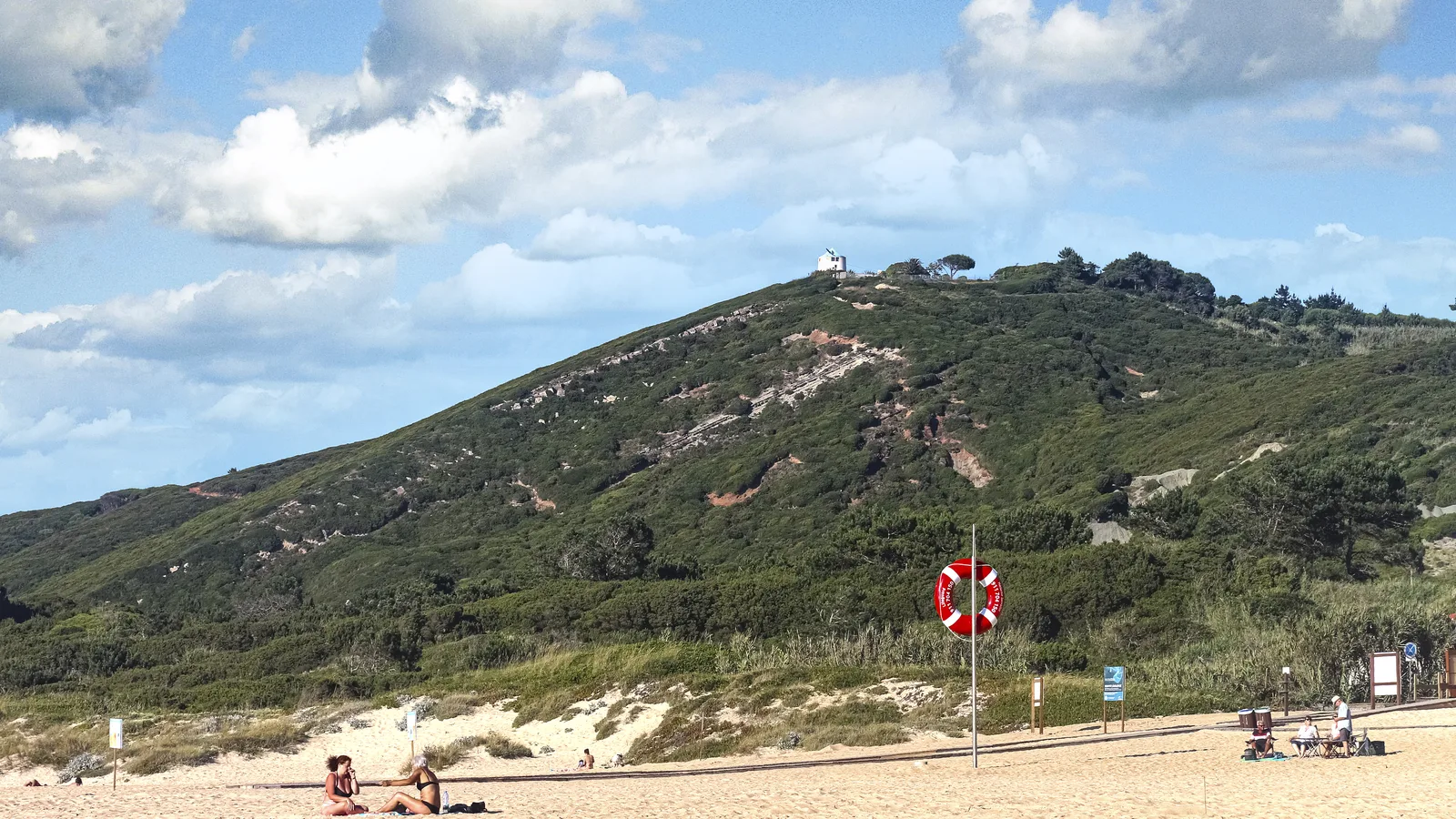
Golden Beach stretches along the base of a cliff in the Sierra Pescaria foothills, near Nazareth Bay. The beach has calm areas, particularly in the sheltered sections of the bay, though the sea can be rough in exposed spots. A beach vendor operates here. The…
Quick Overview
Plan Your Visit to Salgado
The key facts before you go
About the Beach
What is Salgado?
Salgado is a south-facing beach on Portugal's Alentejo coast, known for its golden sand and dramatic cliff backdrop. Located near Nazaré, this extensive beach sits at the base of steep cliffs, creating a striking landscape. The beach has excellent bathing water quality, making it a reliable choice for swimmers. While the sea can be rough at times, the beach includes calmer areas within the bay. Lifeguards are present during the season, adding to safety provision. The combination of natural scenery and established safety measures makes Salgado a genuine option for coastal visits rather than a novelty destination.
It is part of a wider group of other Blue Flag beaches in Portugal that meet FEE's annual standards for water quality, safety, and environmental management.
Sunrise, Sunset & Beach Direction
Salgado faces south toward Atlantic Ocean. The best light for photography and swimming is typically in May, June, September. Direct sun hours follow that facing.
Planning
When to Go: Month by Month
| Month | Air Temp | Water Temp | Crowds |
|---|---|---|---|
| Jan | 11°C | 8°C | Low |
| Feb | 12°C | 9°C | Low |
| Mar | 13°C | 10°C | Low |
| Apr | 14°C | 11°C | Low |
| May | 17°C | 14°C | Low |
| Jun | 18°C | 15°C | Low |
| Jul | 20°C | 17°C | High |
| Aug | 20°C | 17°C | High |
| Sep | 19°C | 16°C | Low |
| Oct | 18°C | 15°C | Low |
| Nov | 14°C | 11°C | Low |
| Dec | 13°C | 10°C | Low |
The best time to visit Salgado is May, June, September. Air temperatures peak around 19.6°C in summer. Peak water temperature reaches 16.6°C in July.
How crowded does Salgado get?What typically characterizes Salgado is moderate use rather than heavy crowding, partly because the beach requires deliberate effort to reach from the clifftop. During summer months, particularly July and August when air temperatures reach 19.6–19.8°C, visitor numbers increase noticeably but rarely to overcrowded levels. The bay areas and calmer sections attract families and less experienced swimmers, especially as water temperatures become more comfortable from June onward. The more exposed sections of the beach tend to draw fewer visitors, either because the rougher conditions deter casual swimmers or because these areas are simply less convenient to reach. Spring and early autumn (April–May and September) represent periods when the beach experiences lighter use while water temperatures are becoming more tolerable. Winter months remain quiet due to cold water temperatures around 8–10°C and less favorable air temperatures. The presence of lifeguards suggests the beach has organized tourism patterns, though the cliff access keeps it from becoming a major resort beach.
Is Salgado open year-round?The beach itself is accessible year-round, though staffed facilities including lifeguards typically operate only during the official season (01-07 – 31-08). The Blue Flag is displayed during the certification period only.
The Water
Swimming and Beach Life at Salgado
Is Salgado safe to swim?Salgado is Blue Flag certified, which requires meeting strict bathing water standards set by the EU Bathing Water Directive. Water quality is rated Excellent. Lifeguards are on duty during the official season.
What is the water temperature at Salgado?Peak water temperature at Salgado reaches around 16.6°C in July, making it comfortable for swimming during the summer months. In winter (January), air temperatures average 11.3°C.
What is the beach like at Salgado?Salgado stretches along the Alentejo coastline with substantial sand coverage, backed by impressive cliffs that define the landscape. The beach faces south, providing good sun exposure throughout the day. The bathing water quality is excellent, consistently meeting strict European standards. Water temperatures show a clear seasonal pattern: coldest in January at 8.3°C and warmest in August at 16.8°C, peaking in summer months from June through September when temperatures range from 15°C to 16.8°C. Spring warming begins in April when water reaches 11.2°C. What makes Salgado distinctive is the variation in sea conditions within the same beach, some areas remain calm, particularly in the sheltered bay section near Nazaré, while other sections can experience rougher conditions. This requires visitors to choose their swimming spot carefully based on conditions on the day. The golden sand provides good beach coverage for different uses. The cliff setting creates a natural frame but also means the beach is somewhat enclosed. Access involves descending from the clifftop, which affects how isolated or populated the beach feels. Lifeguard presence during peak season adds practical reassurance for swimmers. The beach suits different preferences depending on whether you seek the calmer bay areas or experience the more dynamic open sections.
Does Salgado have good facilities?As a Blue Flag certified beach, Salgado meets the Foundation for Environmental Education's standards for facilities and services. Trained lifeguards are on duty during the season. Toilet facilities are on site. Parking is available nearby. The beach has disabled access facilities.
Salgado sits on the Atlantic Ocean: explore all Blue Flag beaches on the Atlantic.
Planning a trip to Portugal? Blue Flag Beaches Portugal , our editorial guide to certified beaches across the country.
While You're Here
Beyond Salgado
The Alentejo region surrounding Salgado contains several elements worth considering. Nazaré, famous internationally for its big wave surfing location and lighthouse, lies nearby and offers food, accommodation, and a distinct atmosphere centered on the fishing industry and wave sports. The region contains smaller fishing towns and villages with local restaurants serving fresh seafood. The coastline itself has alternative beaches within reasonable driving distance, allowing coastal exploration. Inland, the Alentejo is characterized by rural landscapes, cork forests, and agricultural areas. The cliff topography creates scenic routes along the coast. Local restaurants typically feature fish-based dishes reflecting the maritime location. Accommodation ranges from small guesthouses to vacation rentals in nearby settlements. The region functions as working coastal Portugal rather than a heavily developed tourism zone.
Transport
Getting to Salgado
How do I get to Salgado by car?Salgado is located in Portugal. Follow local road signs to the beach. Check Google Maps or a local map for the most current directions.
What is the nearest airport to Salgado?The nearest airport is Faro Airport (FAO), approximately 298.7 km away. Faro Airport (FAO) is the primary air gateway, located 298.7 kilometers from Salgado. This distance is roughly a 3–3.5 hour drive inland to the south and west. Most European carriers serve Faro with regular flights. From the airport, car hire is the most practical option, allowing direct access to the beach via EN120 highway heading toward the Alentejo coast. Alternatively, coach services operate from Faro toward coastal towns in the region, though schedules are less frequent than from closer airports. The journey time and distance mean flying to Faro works best for visitors with flexible timing rather than for quick beach visits.
Can I get to Salgado by public transport?Public transport options vary by season. Check local transport authority websites for current bus and train schedules connecting to Portugal.
Is there a train to Salgado?Salgado lists Famalicão da Nazaré as the nearest railway station, 2.9 km away. Check current timetables before travelling.
Map
Find Salgado
Open the map or get directions to the Salgado pin. Amenity names are listed here only when OpenStreetMap has a mapped feature nearby.
Map loads when you ask. Tiles stay off the first paint.
Map: OpenStreetMap (ODbL)
Practical Details
Practical Information
| At the Beach | |
| Entry | Free: no charge to access the beach |
|---|---|
| Lifeguards | ✓ On duty during official season |
| Disabled Access | ✓ Accessible site facilities and water entry |
| Showers | ✗ |
| Toilets | ✓ Available during season |
| Official Season | 01 Jul – 31 Aug |
| Beach Type | Sandy beach |
| Sand | Golden / yellow sand |
| Parking | ✓ Available nearby (surface parking) |
| Nearest supermarket | 4.2 km from the beach |
| Visiting Information | |
| GPS Coordinates | 39.5481°N, 9.1119°W |
| Water Quality | Excellent (EU Bathing Water Directive) |
| Blue Flag Operator | Foundation for Environmental Education (FEE), Portugal |
Frequently Asked Questions
Salgado FAQ
Is Salgado worth visiting?
Yes, if you value golden sand, cliff scenery, and excellent water quality. The beach suits swimmers seeking reliable bathing conditions, it holds Excellent water quality status. The south-facing aspect provides good sun exposure. The location works well for visitors exploring the Alentejo coast. However, it is not suitable for those wanting guaranteed flat water, as conditions can be rough. The cliff access means it requires more planning than easier-to-reach beaches. Visit during May–September for warmer water (13.6–16.8°C) unless you tolerate colder temperatures.
How do I get to Salgado?
Faro Airport (FAO), 298.7 km away, is the main air gateway, allow 3–3.5 hours driving time. Car hire at the airport provides the most practical access, using EN120 heading toward the Alentejo coast. Coach services from Faro operate toward coastal towns but run less frequently than private transport. No direct rail service reaches the beach itself. Once in the region, local roads connect to the clifftop access point. The cliff location means the final approach involves descending to the beach level rather than direct seafront parking.
What is the best time of year to visit?
May through September offers the most favorable conditions, with water temperatures between 13.6°C and 16.8°C. July and August are warmest, with air temperatures around 19.6–19.8°C, though these months also bring more visitors. April and October remain viable with milder air temperatures (11.2°C and 14.6°C respectively) and fewer crowds, though water is cooler. November through March show cold water temperatures (8.3–11.3°C) and reduced air warmth, suitable only for those accustomed to cold-water swimming.
What facilities are there at Salgado?
Lifeguards are present during the season, providing supervised swimming. The description mentions the beach has a dealer presence, indicating some form of basic service provision. Specific facility detail (toilets, changing areas, food outlets, shade structures) is not confirmed. Visitors should plan accordingly and seek current information about amenities before traveling. The clifftop access suggests facilities may be limited compared to more developed beaches. Bring supplies and plan for self-sufficiency rather than assuming comprehensive services.
Is Salgado suitable for families?
Partly. The beach has lifeguards and excellent water quality, supporting safety. The calmer bay areas near Nazaré suit family swimming better than exposed sections. However, variable sea conditions require choosing swimming spots carefully. The cliff access is manageable but less convenient than seafront parking, meaning less spontaneity with young children. Summer months (July–August) offer warmest water and air, though with more visitors. Families preferring ease of access and guaranteed facilities should research specific amenities before visiting. Older children and families comfortable with variable conditions will find the beach suitable.
Explore More
Nearby Blue Flag Beaches
Editorial
From the Zeach Blog
Everything you need to know about what makes a beach qualify for Blue Flag status, from water quality to environmental education.
Read moreOur editorial team's pick of the standout Blue Flag beaches in Portugal, rated for family friendliness, scenery, and facilities.
Explore PortugalWhat the flag actually means, how certification works, and why a Blue Flag is a genuinely reliable signal, not just a marketing tool.
Read moreSources
- Foundation for Environmental Education: Blue Flag programme
- FEE site listing for Salgado
- ABAE (Associação Bandeira Azul da Europa)
- European Environment Agency: bathing water quality
Last verified September 2026. National operator pages and FEE listings are the primary certification sources.