Roker
England, United Kingdom
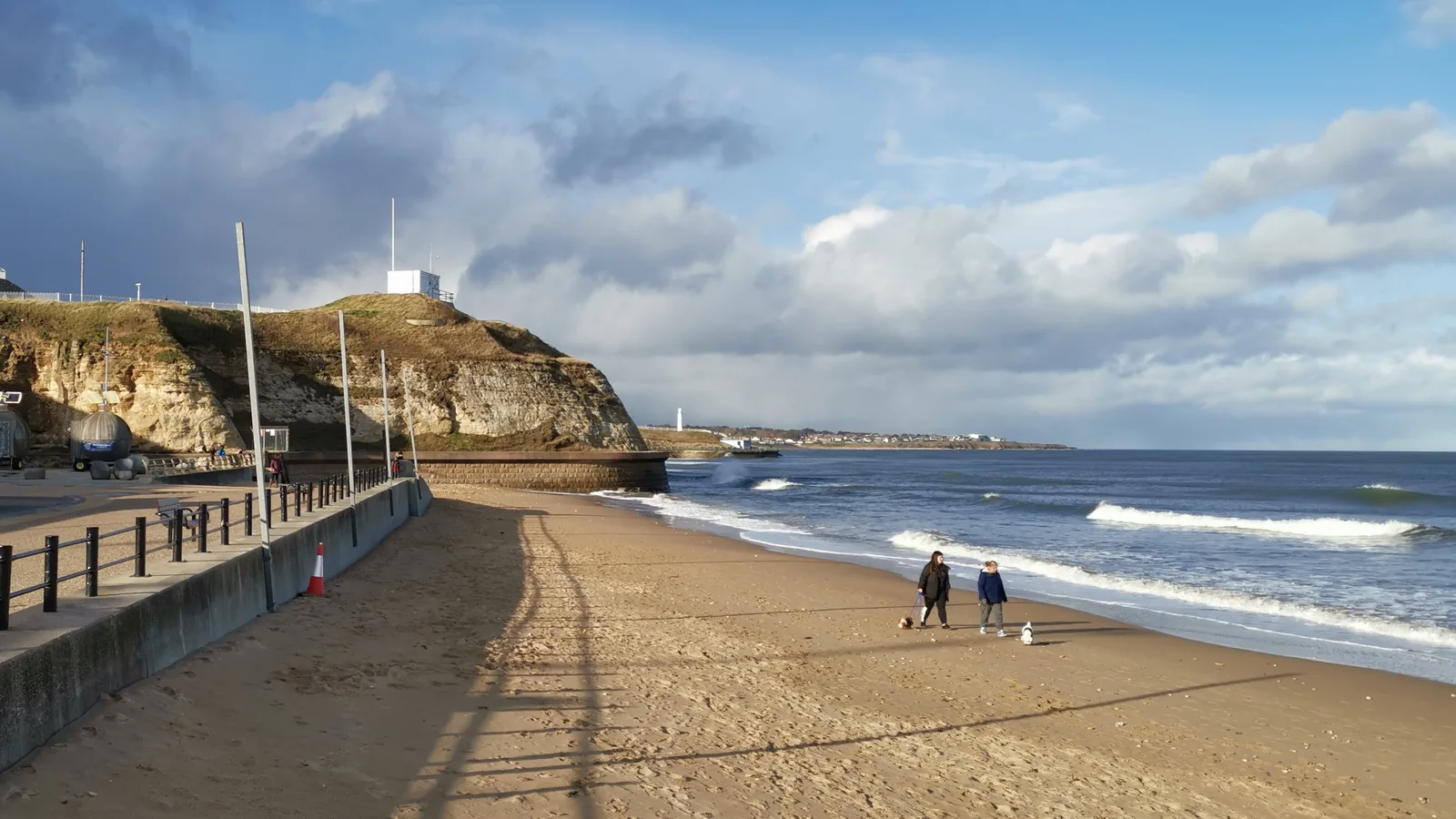
Sunderland sits on England's Northeast coast. The city has award-winning resort beaches at Seaburn and Roker that draw crowds during summer. Roker seafront is in St Peter's Ward in Sunderland's North Area. The area has deep historical roots. Roker Park Conservation Area was declared in…
Quick Overview
Plan Your Visit to Roker
The key facts before you go
About the Beach
What is Roker?
Roker is a working beach on Sunderland's northeast coast, where the seafront combines practical seaside amenities with genuine local character. The beach has been part of the area's identity for decades, anchored by its distinctive pier and backed by the Roker Park Conservation Area, which protects the architectural heritage of the surrounding streets. Water temperatures range from 7.4°C in January to 14.2°C in July, so timing matters for swimming. The beach faces south, offering some shelter from prevailing winds. Lifeguards are on duty during peak season, and the beach is explicitly dog-friendly, making it accessible for different visitor types year-round.
It sits alongside Blue Flag beaches in England, part of a broader network of Blue Flag certified beaches across United Kingdom certified annually by the Foundation for Environmental Education.
Visitor Feedback
What Visitors Say About Roker
What visitors appreciate
- cafes|pier|fish and chips|clean area|relaxing atmosphere|play park|dog walking|dolphin sightings|lighthouse walk|walk along the beach
Points to consider
- Can be busy during July and August peak season
- Facilities may be reduced outside peak months
Based on aggregated public visitor feedback. Themes are synthesised from multiple sources, not individual quotes. Zeach does not reproduce individual reviews.
Sunrise, Sunset & Beach Direction
Roker faces south toward North Sea. The best light for photography and swimming is typically in May, June, September. Direct sun hours follow that facing.
Planning
When to Go: Month by Month
| Month | Air Temp | Water Temp | Crowds |
|---|---|---|---|
| Jan | 5°C | 7°C | Low |
| Feb | 5°C | 7°C | Low |
| Mar | 6°C | 7°C | Low |
| Apr | 8°C | 7°C | Low |
| May | 11°C | 9°C | Med |
| Jun | 14°C | 12°C | High |
| Jul | 16°C | 14°C | High |
| Aug | 16°C | 15°C | High |
| Sep | 14°C | 14°C | Med |
| Oct | 11°C | 12°C | Low |
| Nov | 7°C | 10°C | Low |
| Dec | 5°C | 9°C | Low |
The best time to visit Roker is May, June, September. Air temperatures peak around 16.2°C in summer. Peak water temperature reaches 14.2°C in July.
How crowded does Roker get?Roker attracts visitors primarily during summer months when air temperatures reach 16°C, but crowds here follow local patterns rather than tourist surges. The dog-friendly designation means you'll see regular dog walkers throughout the year, not just seasonal visitors. Lifeguard presence indicates peak season operation, which in Northeast England typically means July and August. The pier and fish and chips outlets suggest there's enough infrastructure for casual family visits, but the water temperature (14.2°C maximum) filters out fair-weather swimmers. This works in your favour if you prefer quieter beaches, most people won't enter water this cold, so the beach doesn't get choked with swimmers. Review mentions of dolphin sightings suggest marine activity happens, which often attracts dedicated wildlife watchers. The relaxing atmosphere tag indicates people come here to decompress rather than party. Walking appears to be the dominant activity, meaning the beach sees steady foot traffic rather than density clustering. The play park will draw families with young children, but again, this points to practical day-trip use rather than holiday resort dynamics. Given the conservation area designation and proximity to Sunderland (a city of 280,000), Roker functions as a local beach that receives visitors rather than a destination beach that draws crowds. Peak times are likely summer weekends, but absolute numbers remain manageable compared to southern English beaches.
Is Roker open year-round?The beach itself is accessible year-round, though staffed facilities including lifeguards typically operate only during the official season (15-05 – 30-09). The Blue Flag is displayed during the certification period only.
The Water
Swimming and Beach Life at Roker
Is Roker safe to swim?Roker is Blue Flag certified, which requires meeting strict bathing water standards set by the EU Bathing Water Directive.
What is the water temperature at Roker?Peak water temperature at Roker reaches around 14.2°C in July, making it comfortable for swimming during the summer months. In winter (January), air temperatures average 4.6°C.
What is the beach like at Roker?Roker beach itself is a straightforward coastal space where locals and visitors coexist without pretence. The water temperature data shows this is genuinely cold even at its warmest (July peaks at 14.2°C, August at 15.2°C) so serious swimmers and surfers are the primary water users. Most visitors use the beach for walking, which the data confirms is a frequent activity, often combined with dog walking. The pier provides a focal point for the seafront and offers a different perspective on the coast. What makes Roker functional rather than scenic is its working identity; this isn't a manicured resort beach but a place where the local community actually spends time. The review tags mention fish and chips, which typically indicates casual food outlets rather than fine dining, and this fits the practical character. The lighthouse walk feature suggests there's enough coastal infrastructure to make an outing structured and purposeful. Air temperature in summer (July at 16.2°C, August at 15.8°C) means you're looking at cool but manageable conditions for outdoor activity, though rarely warm enough for sunbathing in the traditional sense. The beach facing south should provide better afternoon light than a north-facing alternative, though the Northeast coast latitude (54.92°N) means daylight varies dramatically between seasons. The conservation area designation indicates the wider seafront has retained period architecture rather than being redeveloped into modern leisure complexes, which some visitors prefer and others find less convenient. Clean area is mentioned in reviews, suggesting regular maintenance. The play park mentioned indicates families have used this space, though facilities are clearly modest compared to major resort beaches. Roker works best for people who value access and practical seaside activity over climate or luxury.
Roker sits on the North Sea: explore all Blue Flag beaches on the North Sea.
While You're Here
Beyond Roker
Roker's appeal extends beyond the sand into the surrounding St Peter's Ward, where the Roker Park Conservation Area contains period architecture worth walking through. The lighthouse walk is an actual route rather than marketing language, indicating there's navigable coastal infrastructure. The pier itself is a destination, older seafront piers often contain small shops or cafes, and there's typically a walk experience built into visiting one. Fish and chips shops are concentrated in the seafront area, representing traditional seaside food culture. Sunderland itself, a few kilometres inland, offers city-scale museums, shopping, and dining that gives you options if beach weather deteriorates. The dolphin sightings mentioned in reviews suggest you might see marine life without dedicated wildlife tours. The wider Sunderland seafront includes Seaburn beach to the south, offering an alternative if you want to explore further. The conservation area designation means the architectural walk experience is intentional, the streets and buildings have been protected, so you're not looking at generic modern sprawl. Local dog walking culture suggests there are walking routes and informal trails beyond the immediate beach.
Transport
Getting to Roker
How do I get to Roker by car?Roker is approximately 2.4 km from Sunderland. Follow local road signs to the beach. Check Google Maps or a local map for the most current directions.
What is the nearest airport to Roker?The nearest airport is Newcastle International Airport (NCL), approximately 24.2 km away. Newcastle Airport (NCL) is 24.3 km away, making it the nearest significant air hub. From the airport, you have two main routes: take the Metro (Tyne and Wear's light rail system) towards the coast, or arrange ground transport to Sunderland. The Metro runs directly to various Sunderland stops, though you'll then need local bus or taxi connection to Roker specifically. Alternatively, hire a car from the airport for direct access to the beach and flexibility for exploring the wider coastline. Journey time from airport to beach is typically 45 minutes to an hour depending on your chosen transport method. Direct flights to Newcastle come from major UK hubs and several European cities, making this a viable entry point for visiting the Northeast coast.
Can I get to Roker by public transport?Regional buses connect Sunderland to Newcastle and surrounding towns. Once in Sunderland, local Stagecoach buses serve the Roker seafront area directly. Tyne and Wear buses also operate in this region. Check journey times as local services vary by route and time of day. This is the most budget-conscious option if you're already in the Northeast. The nearest recorded bus stop is 87 m from the beach.
Is there a train to Roker?Sunderland has direct rail connections on the East Coast Main Line, with regular services from London King's Cross (approximately 3 hours), Edinburgh, and other major UK cities. From Sunderland station, Roker beach is 2-3 km away. Local buses serve this route, check Stagecoach or Nexus (Tyne and Wear transport provider) for current timetables. Alternatively, take a short taxi journey from the station. The train is reliable for reaching the city, but you'll need secondary transport to reach the beach itself.
Nearby
Near Roker
Mapped toilets, bus stops, cafés, parking, and shops within about 500 m of Roker. Distances are walking-line estimates from the beach pin.
Map loads when you ask. Tiles stay off the first paint.
Map: OpenStreetMap (ODbL)
Toilets near Roker
- Public toilets Public toilets 28 m
- Public toilets Public toilets 285 m
- Public toilets Public toilets 302 m
- Public toilets Public toilets 483 m
Bus near Roker
- ROKER TERRACE-ROKER HOTEL-N/B Bus stop 87 m
- Roker Terrace Bus stop 122 m
- ROKER TERRACE-SIDE CLIFF ROAD-N/B Bus stop 162 m
- Roker Terrace Bus stop 182 m
- ST GEORGE'S TERRACE-E/B Bus stop 211 m
Cafés near Roker
- Emmys Coffee Pod Café 123 m
- Antiko Restaurant 126 m
- Let There Be Crumbs Café 147 m
- Cole Kitchen Café 216 m
- RUHE Café 236 m
Parking near Roker
- Parking Parking 81 m
- Parking Parking 121 m
- Disabled Car Parking Parking 148 m
- Parking Parking 161 m
- Parking Parking 185 m
Source: © OpenStreetMap contributors (ODbL). Names and positions come from mapped OSM features. Confirm on site.
On the beach
Facilities at Roker
- Lifeguards
- Yes, during the certified season
- Wheelchair access
- Accessible site facilities and water entry
- Visual assistance
- No
- Toilets
- No
- Showers
- No
- Parking
- Available nearby (surface parking). 68 m away
- Dogs
- Allowed
- Entry
- Free to enter
These details can change. Check on arrival.
Map data © OpenStreetMap contributors
Practical Details
Practical Information
| At the Beach | |
| Official Season | 15 May – 30 Sep |
|---|---|
| Beach Type | Sandy beach |
| Nearest supermarket | 500 m from the beach |
| Nearest bus stop | 87 m from the beach |
| Visiting Information | |
| GPS Coordinates | 54.9249°N, 1.3655°W |
| Blue Flag Operator | Foundation for Environmental Education (FEE), United Kingdom |
Frequently Asked Questions
Roker FAQ
Is Roker worth visiting?
Roker is worth visiting if you value functional seaside access over resort amenities. The beach offers lifeguards, dog-friendly facilities, and practical infrastructure like fish and chips outlets and a pier. The water is cold year-round (peak 14.2°C in July), so swimming is limited to dedicated swimmers. The Roker Park Conservation Area provides architectural interest during walks. Crowds are manageable compared to major resort beaches. Visit for walking, dog exercise, casual food, and local character rather than sunbathing or warm-water swimming. It's genuinely accessible rather than spectacular.
How do I get to Roker?
Newcastle Airport is 24.3 km away, use the Metro or hire a car to reach Sunderland, then local bus or taxi to the beach. Sunderland has direct train connections from London King's Cross (3 hours) and other UK cities; use local buses for the final 2-3 km to Roker. Regional buses connect Sunderland to Newcastle and surrounding areas. Once in Sunderland, Stagecoach or Tyne and Wear buses serve the Roker seafront directly. No single transport method is significantly faster than another; choose based on your starting point and budget.
What's the best time of year to visit Roker?
Summer months (July-August) offer the best air temperatures (16.2°C and 15.8°C respectively) and lifeguard presence, though water remains cold at 14.2°C and 15.2°C. Most visitors come during these months. If you want to avoid crowds, visit outside peak season, the beach remains accessible year-round and is popular with local dog walkers. Water temperature drops to 7.4°C in January, making swimming impractical. September (13.8°C air temperature) offers quieter conditions than peak summer. Timing depends on whether you prioritize warm air, cold water tolerance, or fewer people.
What facilities are available at Roker?
Roker has lifeguards (peak season operation), a pier, fish and chips outlets, a play park, and cafes. The beach is explicitly dog-friendly with active dog-walking culture. The immediate seafront is described as a clean area, suggesting regular maintenance. The Roker Park Conservation Area provides architectural walking routes. Facilities are practical rather than luxury, expect traditional seaside amenities rather than resort services. Specific details about toilets, changing facilities, or equipment hire aren't confirmed in the available data, so contact Sunderland council or local services for detailed facility information.
Is Roker suitable for families?
Yes, Roker is suitable for families. The beach is dog-friendly, has lifeguards, includes a play park, and offers fish and chips and cafes. Air temperatures in summer are cool (16°C) but manageable for outdoor activity. Water temperature (14.2°C maximum in July) means children will find it cold for swimming, wetsuits are practical. The pier and lighthouse walk provide structured activities beyond the beach. The conservation area walk offers family exploration. Crowds are manageable, reducing stress compared to major resorts. The relaxing atmosphere tag indicates it's not a party beach. Roker works for practical family seaside time rather than luxury resort experiences.
Are there toilets near Roker?
Yes. OpenStreetMap maps 4 toilet locations near Roker, including 28 m away, 285 m away, 302 m away, and 483 m away. Distances are walking-line estimates within about 500 m of the beach pin. Confirm opening hours on site; some facilities are seasonal. © OpenStreetMap contributors (ODbL).
Is there a bus near Roker?
Yes. OpenStreetMap maps a public-transport stop 87 m from Roker (ROKER TERRACE-ROKER HOTEL-N/B), plus 4 more within about 500 m. Check current timetables before you travel. © OpenStreetMap contributors (ODbL).
Are there cafés near Roker?
Yes. OpenStreetMap lists 5 cafés or restaurants near Roker, including Emmys Coffee Pod (123 m), Antiko (126 m), Let There Be Crumbs (147 m), and Cole Kitchen (216 m). Hours and seasonal opening are not verified here. Check on the day. © OpenStreetMap contributors (ODbL).
Is there parking near Roker?
Yes. OpenStreetMap maps parking 81 m from Roker, with 5 lots or spaces inside about 500 m. Charges and time limits are not recorded here. © OpenStreetMap contributors (ODbL).
Explore More
Nearby Blue Flag Beaches
Editorial
From the Zeach Blog
Everything you need to know about what makes a beach qualify for Blue Flag status, from water quality to environmental education.
Read moreOur editorial team's pick of the standout Blue Flag beaches in United Kingdom, rated for family friendliness, scenery, and facilities.
What the flag actually means, how certification works, and why a Blue Flag is a genuinely reliable signal, not just a marketing tool.
Read moreSources
- Foundation for Environmental Education: Blue Flag programme
- FEE site listing for Roker
- Keep Britain Tidy / Foundation for Environmental Education
Last verified September 2026. National operator pages and FEE listings are the primary certification sources.