Roche
Spain: Excellent water quality
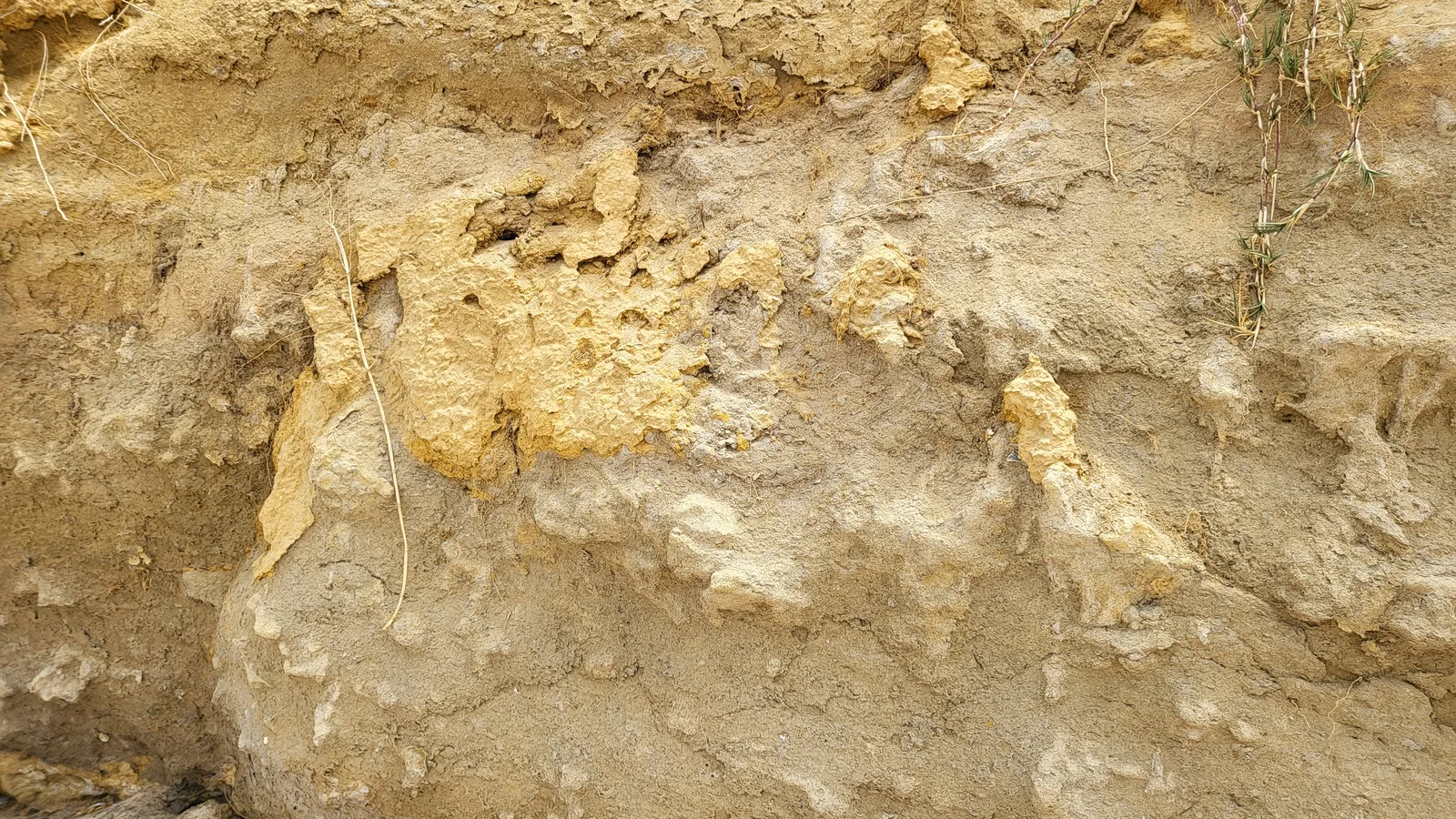
Rural beach. How to get to the beach: From the N- 340, Ctra urbanization Roche
Quick Overview
Plan Your Visit to Roche
The key facts before you go
About the Beach
What is Roche?
Roche is a rural beach on Spain's Costa de la Luz, positioned on the Cádiz coast in Andalusia. The beach sits on the Atlantic side of the Strait of Gibraltar, facing west toward open ocean. Water quality here is rated Excellent, making it a reliable choice for swimmers concerned about cleanliness and safety standards. The beach forms part of a series of coves backed by cliffs, offering a more secluded feel than developed resort beaches. Access comes via the N-340 highway and the Roche urbanization road, though the rural setting means fewer commercial amenities than urban alternatives. Lifeguards are present during operational periods, adding an extra layer of safety oversight.
It is part of a wider group of Blue Flag certified beaches across Spain that meet FEE's annual standards for water quality, safety, and environmental management.
Visitor Feedback
What Visitors Say About Roche
What visitors appreciate
- cove|no beach bars|levante wind|cliffs|crystal clear waters|clean waters|access to the coves|cigarette butts in the sand|special cove|beaches of cádiz
- Well-staffed with lifeguards during season
- Excellent EU-rated bathing water quality
Points to consider
- Can be busy during July and August peak season
- Facilities may be reduced outside peak months
Based on aggregated public visitor feedback. Themes are synthesised from multiple sources, not individual quotes. Zeach does not reproduce individual reviews.
Sunrise, Sunset & Beach Direction
Roche faces west toward Atlantic Ocean. The best light for photography and swimming is typically in June. Direct sun hours follow that facing.
Planning
When to Go: Month by Month
| Month | Air Temp | Water Temp | Crowds |
|---|---|---|---|
| Jan | 13°C | 10°C | Low |
| Feb | 14°C | 11°C | Low |
| Mar | 15°C | 12°C | Low |
| Apr | 16°C | 13°C | Low |
| May | 19°C | 16°C | Low |
| Jun | 22°C | 19°C | Med |
| Jul | 25°C | 22°C | High |
| Aug | 25°C | 22°C | High |
| Sep | 23°C | 20°C | Med |
| Oct | 21°C | 18°C | Low |
| Nov | 16°C | 13°C | Low |
| Dec | 15°C | 12°C | Low |
The best time to visit Roche is June. Air temperatures peak around 24.6°C in summer. Peak water temperature reaches 21.6°C in July.
How crowded does Roche get?What draws people to Roche is precisely what keeps crowds manageable: the rural location and lack of commercial services. This beach doesn't function as a destination for day-trippers seeking bars, restaurants, or rental equipment. Instead, visitors are typically those who've deliberately researched and planned a trip to this specific cove. The cliff-backed setting and limited road access naturally cap the number of people present at any one time compared to accessible urban beaches. Summer months (July and August, peak water temperature season) will see more activity than winter, but 'busy' at Roche remains relative. The beach sees regular use from local residents and those staying in the nearby Roche urbanization, but the rural character prevents the mass tourism patterns found 30–50 kilometers away in developed resorts. Expect a quieter experience overall, especially outside July-August. The presence of lifeguards during peak season provides supervision without the crowded atmosphere that lifeguard presence can sometimes indicate elsewhere.
Is Roche open year-round?The beach itself is accessible year-round, though staffed facilities including lifeguards typically operate only during the official season (01-06 – 30-09). The Blue Flag is displayed during the certification period only.
The Water
Swimming and Beach Life at Roche
Is Roche safe to swim?Roche is Blue Flag certified, which requires meeting strict bathing water standards set by the EU Bathing Water Directive. Water quality is rated Excellent. Lifeguards are on duty during the official season.
What is the water temperature at Roche?Peak water temperature at Roche reaches around 21.6°C in July, making it comfortable for swimming during the summer months. In winter (January), air temperatures average 12.6°C.
What is the beach like at Roche?Roche beach reveals itself as a cove environment rather than an expansive sandy stretch. The westward-facing orientation means it catches afternoon and evening light, with the Atlantic setting at the far horizon. Water clarity here is notably good, visitors consistently report crystal clear conditions, which both enhances swimming visibility and reflects the low pollution levels measured in official bathing water surveys. The surrounding cliffs form a natural boundary, creating visual drama and some shelter from certain wind directions, though the levante wind does reach this beach and can affect conditions on some days. The sandy substrate itself shows signs of typical coastal use: cigarette butts occasionally appear in the sand, a practical reality worth noting rather than glossing over. Access to additional coves exists from the beach, giving exploratory swimmers and walkers options to move along the shoreline. The rural character means no beach bars operate here, amenities are minimal. This absence of commercial infrastructure appeals to visitors seeking quieter conditions but requires prior planning for food and drinks. Water temperature follows the Atlantic pattern: cold from January through April (9.6–13.1°C), warming to comfortable swimming levels from June onward, peaking at 22.2°C in August, then cooling again through autumn. The official swim season runs July to August, though experienced swimmers comfortable with cooler water may enter earlier or later in the year.
Does Roche have good facilities?As a Blue Flag certified beach, Roche meets the Foundation for Environmental Education's standards for facilities and services. Trained lifeguards are on duty during the season. Parking is available nearby.
Roche sits on the Atlantic Ocean: explore all Blue Flag beaches on the Atlantic.
Planning a trip to Spain? Blue Flag Beaches Spain 2026 , our editorial guide to certified beaches across the country.
While You're Here
Beyond Roche
The Cádiz coast around Roche offers additional beaches and natural areas worth exploring. The region falls within the Costa de la Luz designation, known for Atlantic conditions and less developed coastline compared to Mediterranean alternatives. Nearby villages provide basic services, though the rural setting means facilities concentrate in larger towns several kilometers inland. The Strait of Gibraltar geography creates distinct Atlantic water conditions, cooler temperatures and different marine ecosystems than sheltered Mediterranean coasts. For cultural interest, historic Cádiz city lies within reasonable driving distance, offering centuries of maritime history and architecture. The broader region has a working fishing heritage rather than pure tourism infrastructure, which appeals to visitors seeking authentic coastal character. Wine production, particularly sherry from the Jerez region inland, represents another regional draw. The levante wind characteristic of this area can kick up dust and affect visibility on some days, so weather planning matters more here than on more sheltered coasts.
Transport
Getting to Roche
How do I get to Roche by car?Roche is located in Spain. Follow local road signs to the beach. Check Google Maps or a local map for the most current directions.
What is the nearest airport to Roche?The nearest airport is Faro Airport (FAO), approximately 179.7 km away. Faro Airport (FAO) serves as the nearest aviation hub, located 179.7 kilometers from Roche. This Portuguese airport receives flights from major European cities and offers car rental facilities for onward travel. The drive from Faro to Roche takes approximately 2.5 hours, heading south through the Algarve and crossing into Spanish territory via the N-340 highway. Alternatively, Málaga Airport lies further east but offers more flight options if fares or schedules favor that route. Ground transport from either airport to Roche requires a rental vehicle or prearranged transfer, as public transport connections to this rural beach area are limited.
Can I get to Roche by public transport?Public transport options vary by season. Check local transport authority websites for current bus and train schedules connecting to Spain. The nearest recorded bus stop is 1.3 km from the beach.
Is there a train to Roche?Roche lists Pelagatos as the nearest railway station, 10.37 km away. Check current timetables before travelling.
Map
Find Roche
Open the map or get directions to the Roche pin. Amenity names are listed here only when OpenStreetMap has a mapped feature nearby.
Map loads when you ask. Tiles stay off the first paint.
Map: OpenStreetMap (ODbL)
Practical Details
Practical Information
| At the Beach | |
| Entry | Free: no charge to access the beach |
|---|---|
| Lifeguards | ✓ On duty during official season |
| Disabled Access | ✗ No dedicated disabled access listed |
| Showers | ✗ |
| Toilets | ✗ |
| Official Season | 01 Jun – 30 Sep |
| Beach Type | Sandy beach |
| Parking | ✓ Available nearby (surface parking) |
| Nearest supermarket | 400 m from the beach |
| Nearest bus stop | 1.3 km from the beach |
| Visiting Information | |
| GPS Coordinates | 36.3171°N, 6.1556°W |
| Water Quality | Excellent (EU Bathing Water Directive) |
| Blue Flag Operator | Foundation for Environmental Education (FEE), Spain |
Frequently Asked Questions
Roche FAQ
Is Roche worth visiting?
Yes, if you value quiet conditions, clear water, and rural coastal character. The Excellent bathing water quality rating backs up what visitors report about clarity. However, it's worthwhile only if you're prepared for lack of beach bars, restaurants, and commercial amenities. This isn't a destination for convenience-seeking day-trippers. The cove setting and cliff backdrop offer scenic appeal, and the access to adjacent coves adds exploration value. Best suited for those deliberately seeking calmer, less crowded beach experiences where water quality and natural setting matter more than facilities.
How do I get to Roche?
By car is essential. From Faro Airport (179.7 km away), rent a vehicle and drive approximately 2.5 hours via the N-340 highway south. Once in the Roche area, follow signs toward the Roche urbanization. The road approach from the N-340 is direct but requires navigation. Public transport connections are minimal due to the rural location. If flying into Málaga instead, allow extra driving time. There is no practical train access to Roche itself, and bus services don't reliably reach this specific beach area.
What's the best time of year to visit?
July and August offer the warmest water (21.6–22.2°C) and air temperatures (24.6–25.2°C), matching the official swim season designation. Water remains cold January–April (9.6–13.1°C). If you tolerate cooler water and prefer smaller crowds, May-June and September offer milder conditions: May water reaches 16.3°C, June 18.9°C, September 20.4°C. Air temperatures stay comfortable September through June. Winter (November–February) sees water temperatures below 12°C and lower air temps, suitable only for experienced cold-water swimmers. Choose based on your temperature tolerance and crowd preference.
What facilities are there?
Minimal. Lifeguards are present, and bathing water quality is monitored (Excellent rating). However, no beach bars or restaurants operate at Roche itself. No rental equipment, shower facilities, or commercial services exist onsite. You must bring food, drinks, and any equipment you'll need. The rural setting prioritizes natural conditions over infrastructure. This setup suits self-sufficient visitors but requires advance planning. Nearby towns and the Roche urbanization may have some services, but assume the beach itself offers no amenities beyond lifeguard supervision.
Is it suitable for families?
Potentially yes, with caveats. The lifeguard presence and Excellent water quality support safe swimming conditions. However, the lack of amenities (no bathrooms, no food, no shade structures) requires families to bring everything needed. Older children comfortable with less infrastructure may enjoy the cove exploration and quieter environment. Young children in diapers face challenges without facilities. The rural access and lack of entertainment or service options mean families need self-entertainment capacity. Most suitable for families comfortable with independent beach days focused on swimming and exploring rather than relying on commercial support services.
Explore More
Nearby Blue Flag Beaches
Editorial
From the Zeach Blog
Everything you need to know about what makes a beach qualify for Blue Flag status, from water quality to environmental education.
Read moreOur editorial team's pick of the standout Blue Flag beaches in Spain, rated for family friendliness, scenery, and facilities.
Explore SpainWhat the flag actually means, how certification works, and why a Blue Flag is a genuinely reliable signal, not just a marketing tool.
Read moreSources
- Foundation for Environmental Education: Blue Flag programme
- FEE site listing for Roche
- ADEAC (Asociación de Educación Ambiental y del Consumidor)
- European Environment Agency: bathing water quality
Last verified September 2026. National operator pages and FEE listings are the primary certification sources.