Rifienne
Tangier-Tetouan-Al Hoceima, Spain
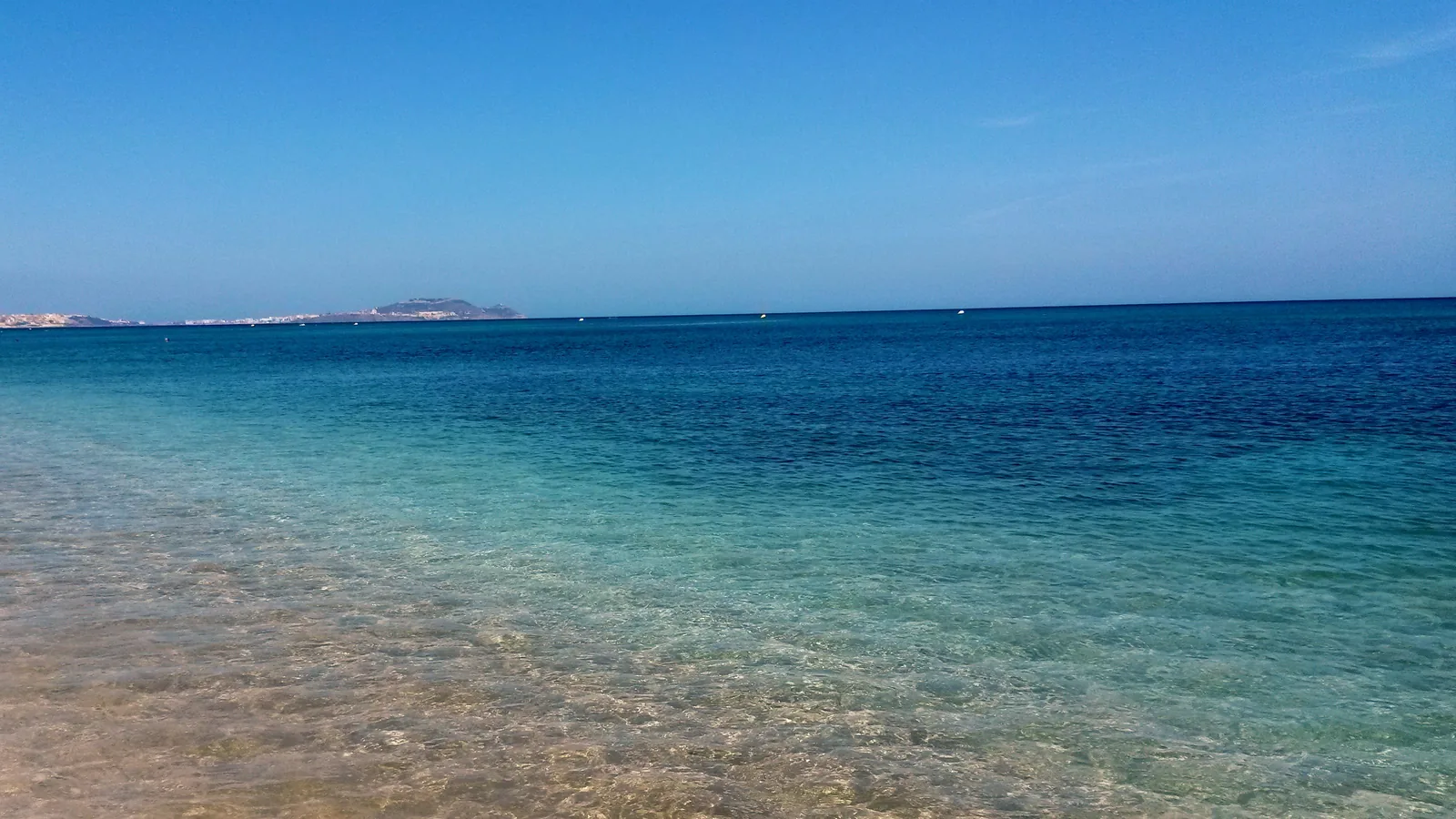
Fnideq is a fast-growing town that serves as a commercial hub and transit point for travelers crossing from Ceuta into Morocco. The town retains a Spanish colonial landmark, a church built in 1939 that now functions as a social center and Catholic mission.
Quick Overview
Plan Your Visit to Rifienne
The key facts before you go
About the Beach
What is Rifienne?
Rifienne is a working beach in Fnideq, a rapidly growing coastal town in Spain's Tangier-Tetouan-Al Hoceima region. Located just south of Fnideq proper along the Tamuda Bay coastal road, Rifienne offers access to fine sand and calm waters backed by the green slopes of the Hauz mountains. The beach features a maritime promenade that frames the shoreline. This is not a remote or undeveloped spot. Fnideq itself has deep historical roots, retaining a 1939 church from the Spanish colonial period now used as a social centre. Rifienne serves locals and visitors seeking straightforward beach access without the commercialisation of more famous destinations along this stretch of coast.
It sits alongside other certified beaches in Tangier-Tetouan-Al Hoceima, part of a broader network of other Blue Flag beaches in Spain certified annually by the Foundation for Environmental Education.
Sunrise, Sunset & Beach Direction
Rifienne faces east toward Atlantic Ocean. The best light for photography and swimming is typically in June. Direct sun hours follow that facing.
Planning
When to Go: Month by Month
| Month | Air Temp | Water Temp | Crowds |
|---|---|---|---|
| Jan | 14°C | 11°C | Low |
| Feb | 14°C | 11°C | Low |
| Mar | 15°C | 12°C | Low |
| Apr | 16°C | 13°C | Low |
| May | 18°C | 15°C | Low |
| Jun | 21°C | 18°C | Med |
| Jul | 23°C | 20°C | High |
| Aug | 24°C | 21°C | High |
| Sep | 22°C | 19°C | Med |
| Oct | 20°C | 17°C | Low |
| Nov | 17°C | 14°C | Low |
| Dec | 15°C | 12°C | Low |
The best time to visit Rifienne is June. Air temperatures peak around 22.6°C in summer. Peak water temperature reaches 19.6°C in July.
How crowded does Rifienne get?Rifienne operates as a local beach rather than a tourist draw, which shapes its crowd character substantially. Fnideq is a commercial hub and transit point between Ceuta and interior Morocco, meaning the town itself sees regular through-traffic. The beach, however, reflects the needs of local residents and those already in the area rather than drawing dedicated beach holidays. Summer months (June through September) will see the highest visitor density, driven by school holidays and warm water temperatures. July and August are predictably busier, though data on peak-hour numbers is not available. The presence of lifeguards indicates safety infrastructure and suggests enough seasonal use to justify staffing. Winter months (November to March) are quieter, water temperatures below 12°C deter casual swimmers, though locals may still visit for walks along the promenade or brief visits. The maritime promenade suggests the beach functions as part of the town's social fabric: a place for evening walks, local gatherings, and informal recreation rather than beach tourism in the Mediterranean sense. Fnideq's character as a growing commercial town (not a resort) sets expectations. Crowding is unlikely to be severe even in summer, and the beach serves a practical social role for residents rather than attracting crowds from distant locations.
Is Rifienne open year-round?The beach itself is accessible year-round, though staffed facilities including lifeguards typically operate only during the official season (15-06 – 15-09). The Blue Flag is displayed during the certification period only.
The Water
Swimming and Beach Life at Rifienne
Is Rifienne safe to swim?Rifienne is Blue Flag certified, which requires meeting strict bathing water standards set by the EU Bathing Water Directive. Lifeguards are on duty during the official season.
What is the water temperature at Rifienne?Peak water temperature at Rifienne reaches around 19.6°C in July, making it comfortable for swimming during the summer months. In winter (January), air temperatures average 13.5°C.
What is the beach like at Rifienne?Rifienne's defining characteristics are its fine sand and the consistently calm water conditions that make it approachable year-round. The beach sits on an east-facing shore, which means it catches morning light and benefits from shelter during westerly winds, a practical advantage given the Atlantic's tendency toward swell. The Hauz mountains rise inland, creating a visual frame and contributing to the relatively stable conditions. Water temperatures follow a predictable seasonal pattern typical of this latitude. Winter months (January to March) see temperatures between 10.5°C and 11.5°C, cold enough to require a wetsuit for extended swimming or water sports. Spring warming is gradual: May reaches 15.2°C, June 17.5°C. By July and August, temperatures peak at 19.6°C and 20.6°C respectively, offering genuine swimming comfort. Autumn cools steadily from September's 19.3°C through October (16.7°C) and November (13.5°C). This thermal profile makes Rifienne most appealing for swimmers between June and September. The maritime promenade is a practical feature, providing pedestrian access and some amenity infrastructure along the shoreline. Lifeguards are present, which matters for safety assessment and suggests basic rescue capability. The beach itself is straightforward, fine sand, shelving gradually into the sea, backed by developed seafront rather than wild dunes. There is no indication of major water sports facilities or beach clubs, making it functional rather than activity-focused. Sand quality holds well, and the calm nature of the water means it does not generate significant undertow or challenging conditions. During peak season (summer months), the beach will fill with local visitors from Fnideq and surrounding areas, though specific crowd patterns are not documented.
Does Rifienne have good facilities?As a Blue Flag certified beach, Rifienne meets the Foundation for Environmental Education's standards for facilities and services. Trained lifeguards are on duty during the season. Parking is available nearby. The beach has disabled access facilities.
Rifienne sits on the Atlantic Ocean: explore all Blue Flag beaches on the Atlantic.
Planning a trip to Spain? Blue Flag Beaches Spain 2026 , our editorial guide to certified beaches across the country.
While You're Here
Beyond Rifienne
Fnideq itself holds historical interest: the 1939 church, now a Catholic social and missionary centre, is a tangible reminder of the Spanish colonial period and worth a visit for architectural context. The town's function as a commercial and transit hub means basic services (shops, restaurants, cafés) are present, though this is not a tourist resort town. Tamuda Bay, cited in local descriptions, represents the broader coastal development south of Fnideq toward Tetouan. The Hauz mountains visible from Rifienne dominate the inland landscape and extend toward Mdiq to the south. This region offers walking and exploration opportunities, though specific trails or viewpoints are not documented. Tetouan itself, as the regional capital, lies further south and offers medina exploration, galleries, and broader cultural amenities. The coast between Fnideq and Tetouan is relatively undeveloped compared to Mediterranean resort areas, making it suitable for those seeking lower-key coastal exploration.
Transport
Getting to Rifienne
How do I get to Rifienne by car?Rifienne is approximately 1.09 km from Fnideq ⴼⵏⵉⴷⴰⵇ الفنيدق. Follow local road signs to the beach. Check Google Maps or a local map for the most current directions.
What is the nearest airport to Rifienne?The nearest airport is Málaga-Costa del Sol Airport (AGP), approximately 172.5 km away. Málaga-Costa del Sol Airport (AGP) is the nearest airport, located 172.5 km southwest of Rifienne. This is a major international hub with regular connections from across Europe and beyond. From Málaga airport, ground options include car rental, coach services, or taxi transfer. The distance and routing mean this is a 3–4 hour journey depending on road conditions and border crossing procedures. Many visitors use this airport when visiting the wider Tangier-Tetouan coast, though it requires a significant onward journey to reach Rifienne itself.
Can I get to Rifienne by public transport?Public transport options vary by season. Check local transport authority websites for current bus and train schedules connecting to Fnideq ⴼⵏⵉⴷⴰⵇ الفنيدق. The nearest recorded bus stop is 584 m from the beach.
Is there a train to Rifienne?Rifienne lists Ksar Sghir as the nearest railway station, 17.6 km away. Check current timetables before travelling.
Nearby
Near Rifienne
Mapped toilets, bus stops, cafés, parking, and shops within about 500 m of Rifienne. Distances are walking-line estimates from the beach pin.
Map loads when you ask. Tiles stay off the first paint.
Map: OpenStreetMap (ODbL)
Parking near Rifienne
- Parking Parking 166 m
Source: © OpenStreetMap contributors (ODbL). Names and positions come from mapped OSM features. Confirm on site.
Practical Details
Practical Information
| At the Beach | |
| Entry | Free: no charge to access the beach |
|---|---|
| Lifeguards | ✓ On duty during official season |
| Disabled Access | ✓ Accessible site facilities and water entry |
| Showers | ✗ |
| Toilets | ✗ |
| Official Season | 15 Jun – 15 Sep |
| Beach Type | Sandy beach |
| Parking | ✓ Available nearby (surface parking) |
| Nearest bus stop | 584 m from the beach |
| Visiting Information | |
| GPS Coordinates | 35.8325°N, 5.3526°W |
| Blue Flag Operator | Foundation for Environmental Education (FEE), Spain |
Frequently Asked Questions
Rifienne FAQ
Is Rifienne worth visiting?
Rifienne suits visitors seeking local, straightforward beach access rather than resort tourism. The fine sand and calm waters are genuine assets, and the maritime promenade provides pleasant pedestrian access. It's worth visiting if you're in Fnideq, exploring the Tangier-Tetouan coast, or prefer working beaches over commercialised destinations. The presence of lifeguards supports safety. It is not a destination in itself if you're based in southern Spain, the distance from Málaga makes dedicated trips logistically demanding.
How do I get to Rifienne?
Rifienne is located in Fnideq, just south of the town centre along the coastal road toward Tetouan. If flying, Málaga-Costa del Sol Airport (AGP) is 172.5 km away, a 3–4 hour drive depending on border procedures and traffic. Car rental from Málaga is practical for accessing this coast. Fnideq itself has road connections from Ceuta and Tangier. Public transport specifics (bus or train) are not documented; local enquiry in Fnideq will clarify connection details.
Best time of year to visit Rifienne?
June through September offer the most comfortable conditions. July and August peak at 19.6–20.6°C water and 22–24°C air temperatures, warm enough for extended swimming and sunbathing without wetsuits. June and September provide slightly lower temperatures (17.5°C and 19.3°C water) but fewer crowds and still reliable warmth. May and October are marginal: water temperatures around 15°C require wetsuits. Winter (November–March) sees water temperatures of 10–12°C and cooler air, suitable for those in thermal protection but not casual swimmers.
What facilities are there at Rifienne?
Rifienne has lifeguards on duty, supporting water safety. The maritime promenade provides pedestrian access and seafront walking. Fnideq itself, immediately adjacent, offers shops, restaurants, and cafés for basic services. Specific facilities like toilets, showers, changing rooms, or beach cafés at Rifienne are not documented. This is a straightforward beach rather than an amenity-heavy resort, bring essentials and expect local-standard infrastructure. Enquire locally in Fnideq for current facility details.
Is Rifienne suitable for families?
Rifienne has practical appeal for families: calm water, lifeguards, fine sand, and a promenade for walks all support family visits. Water temperatures in summer (19–21°C) are manageable for children with time limits or wetsuits. Winter months are less comfortable unless children are accustomed to cold water. Local use suggests a safe, familiar environment rather than tourist-oriented crowds. Services are available in Fnideq. Supervision of children is essential as with all open beaches, though calm conditions reduce risk compared to rougher coasts.
Is there parking near Rifienne?
Yes. OpenStreetMap maps parking 166 m from Rifienne. Charges and time limits are not recorded here. © OpenStreetMap contributors (ODbL).
Explore More
Nearby Blue Flag Beaches
Editorial
From the Zeach Blog
Everything you need to know about what makes a beach qualify for Blue Flag status, from water quality to environmental education.
Read moreOur editorial team's pick of the standout Blue Flag beaches in Spain, rated for family friendliness, scenery, and facilities.
Explore SpainWhat the flag actually means, how certification works, and why a Blue Flag is a genuinely reliable signal, not just a marketing tool.
Read moreSources
- Foundation for Environmental Education: Blue Flag programme
- FEE site listing for Rifienne
- ADEAC (Asociación de Educación Ambiental y del Consumidor)
Last verified September 2026. National operator pages and FEE listings are the primary certification sources.