Port Eynon
Wales, United Kingdom
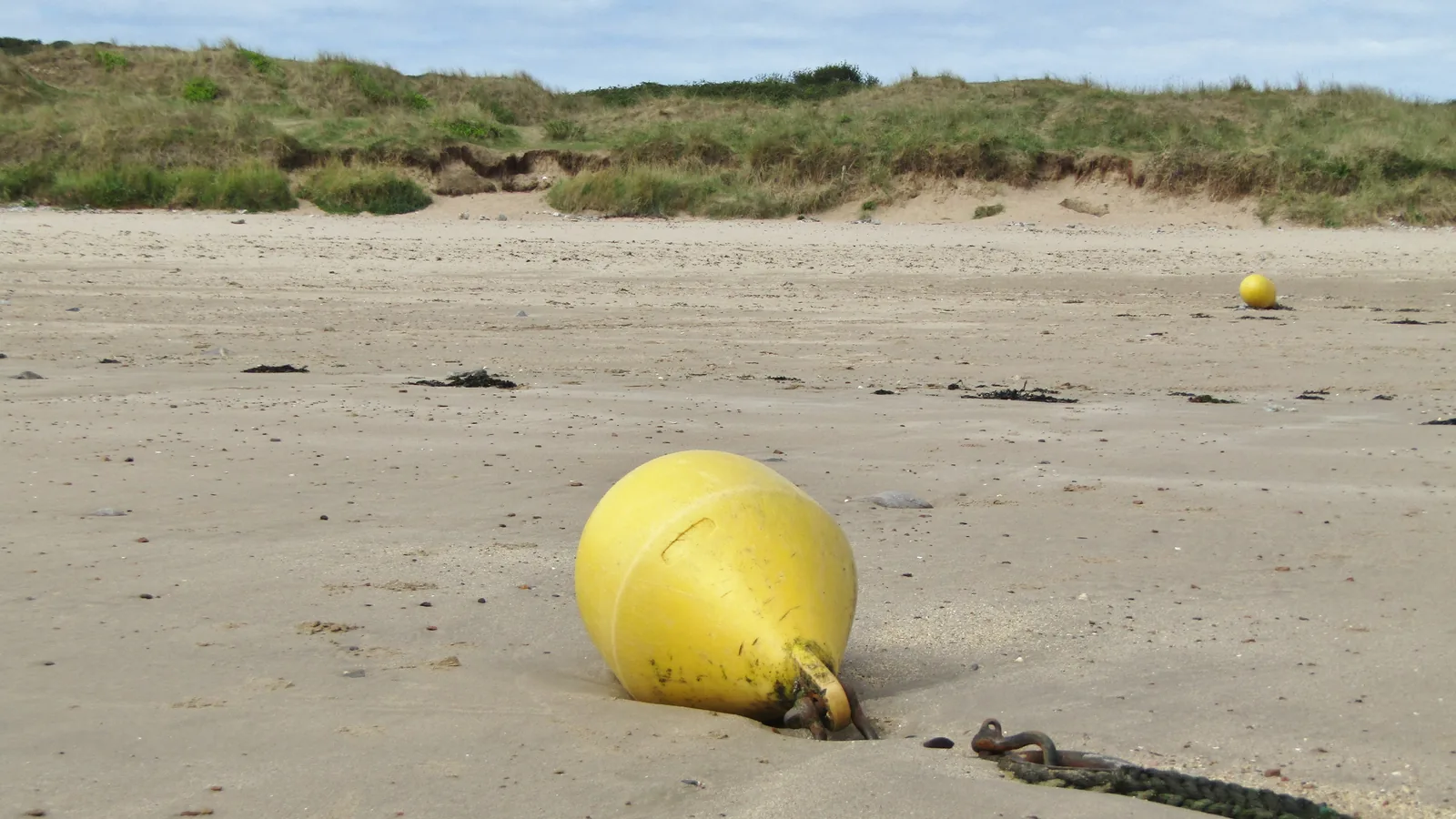
Port Eynon is a family-friendly beach with a wide sandy shore and easy access to nearby campsites. At low tide, rock pools appear along the beach, great for children to explore. Lifeguards patrol during summer months. At the far end of the bay stands an…
Quick Overview
Plan Your Visit to Port Eynon
The key facts before you go
About the Beach
What is Port Eynon?
Port Eynon is a south-facing beach on the Gower Peninsula, Wales's first designated Area of Outstanding Natural Beauty. Located near Swansea, this Blue Flag beach has been recognised for its water quality and safety standards since 1997. The beach features a wide expanse of golden sand backed by dunes, making it accessible for families and dog owners alike. Summer lifeguard patrols provide additional reassurance for swimmers. The nearby village offers cafes and restaurants, while the historic eighteenth-century Salt House ruin adds cultural interest to your visit.
It sits alongside Blue Flag beaches in Wales, part of a broader network of Blue Flag certified beaches across United Kingdom certified annually by the Foundation for Environmental Education.
Visitor Feedback
What Visitors Say About Port Eynon
What visitors appreciate
- walks|fish and chip shop|fish and chips|rock pools|dog friendly|coastline|paddle boarding|sand dunes|beach walk|blue flag beach
Points to consider
- Can be busy during July and August peak season
- Facilities may be reduced outside peak months
Based on aggregated public visitor feedback. Themes are synthesised from multiple sources, not individual quotes. Zeach does not reproduce individual reviews.
Sunrise, Sunset & Beach Direction
Port Eynon faces south toward Atlantic Ocean. The best light for photography and swimming is typically in May, June. Direct sun hours follow that facing.
Planning
When to Go: Month by Month
| Month | Air Temp | Water Temp | Crowds |
|---|---|---|---|
| Jan | 7°C | 10°C | Low |
| Feb | 7°C | 9°C | Low |
| Mar | 8°C | 9°C | Low |
| Apr | 9°C | 10°C | Low |
| May | 12°C | 11°C | Med |
| Jun | 15°C | 13°C | High |
| Jul | 17°C | 15°C | High |
| Aug | 17°C | 16°C | Med |
| Sep | 15°C | 16°C | Low |
| Oct | 13°C | 15°C | Low |
| Nov | 10°C | 13°C | Low |
| Dec | 8°C | 11°C | Low |
The best time to visit Port Eynon is May, June. Air temperatures peak around 16.9°C in summer. Peak water temperature reaches 15.4°C in July.
How crowded does Port Eynon get?Port Eynon attracts families, dog walkers, and visitors exploring the Gower Peninsula, with busy periods during school holidays and weekends. How crowded is Port Eynon? Peak times are summer school breaks and Saturdays and Sundays, particularly in July and August. On these days, car parks fill early and the beach becomes noticeably busy, though the sand expanse usually absorbs visitors without feeling claustrophobic. Weekdays outside school holidays tend quieter. Winter sees significantly fewer visitors, and you can easily find empty stretches of beach, though cold water temperatures limit swimming. Spring and autumn attract steadier crowds, with better weather than winter but without peak summer numbers. Dog walkers are present year-round, particularly in off-peak seasons when dogs are more visible. The lifeguard presence during summer months concentrates activity in designated patrolled zones, which can reassure families but also serves as a focal point for activity. The accessible parking and convenient beach access mean it handles moderate crowds reasonably well. Early morning visits generally offer quieter conditions throughout the year.
Is Port Eynon open year-round?The beach itself is accessible year-round, though staffed facilities including lifeguards typically operate only during the official season (15-05 – 31-08). The Blue Flag is displayed during the certification period only.
The Water
Swimming and Beach Life at Port Eynon
Is Port Eynon safe to swim?Port Eynon is Blue Flag certified, which requires meeting strict bathing water standards set by the EU Bathing Water Directive.
What is the water temperature at Port Eynon?Peak water temperature at Port Eynon reaches around 15.4°C in July, making it comfortable for swimming during the summer months. In winter (January), air temperatures average 6.8°C.
What is the beach like at Port Eynon?Port Eynon stretches as a generous sandy beach facing south, which helps it catch available light during the shorter months. The sand is complemented by sand dunes behind the beach, providing natural shelter and a more interesting landscape than uniform flat shores. What makes this beach particularly engaging for families and explorers are the rock pools that become accessible during low tide. These pools allow children to observe marine life and rock formations up close without entering the main water. The selection of rock pools means you can spend hours investigating different areas as the tide shifts throughout the day. At the far end of the bay stands the Salt House, an eighteenth-century structure now in ruins. This nationally important historic site provides a focal point for walks and photographs, and offers context about Port Eynon's maritime heritage. The coastal setting on the Gower Peninsula means the beach is surrounded by natural landscape rather than built-up development, which is increasingly rare along British coasts. Access to the beach itself is straightforward and convenient, reducing the effort needed to get families and dogs from parking areas to the sand. Water temperatures are typical for Wales and southern Britain. Winter months see temperatures around 4°C, requiring a wetsuit for anything beyond brief wading. Spring warming is gradual, reaching 9°C by May. Summer temperatures peak at around 14°C in July and August, which many find swimmable without thermal protection, though sensitivity varies. Autumn cooling is steady, dropping back to single figures by November. The beach is dog-friendly, making it a reliable option for visitors with pets. Summer lifeguards patrol the beach, providing supervision during the months when swimming is most appealing.
Port Eynon sits on the Atlantic Ocean: explore all Blue Flag beaches on the Atlantic.
While You're Here
Beyond Port Eynon
Port Eynon village, immediately adjacent to the beach, contains cafes, restaurants and souvenir shops, making it convenient to grab food without travelling far. The Gower Peninsula extends beyond Port Eynon, offering additional beaches and coastal walking routes for visitors wanting to explore further. The area's designation as Britain's first Area of Outstanding Natural Beauty reflects the landscape quality across the wider region. Coastal walks connect Port Eynon to neighbouring areas, allowing exploration of different sections of coastline and different beach types. The Salt House ruin at the bay's far end provides a specific walk destination and historical interest. The combination of beach amenities and nearby village facilities means you can base yourself at Port Eynon for a beach day without needing extensive planning for food or supplies. The Peninsula's broader attractions make it suitable for multi-day visits where beach time alternates with exploring inland areas.
Transport
Getting to Port Eynon
How do I get to Port Eynon by car?Port Eynon is approximately 20.1 km from Swansea. Follow local road signs to the beach. Check Google Maps or a local map for the most current directions.
What is the nearest airport to Port Eynon?The nearest airport is Cardiff International Airport (CWL), approximately 62.1 km away.
Can I get to Port Eynon by public transport?Public transport options vary by season. Check local transport authority websites for current bus and train schedules connecting to Swansea. The nearest recorded bus stop is 299 m from the beach.
Is there a train to Port Eynon?Port Eynon lists Llanelli as the nearest railway station, 14.94 km away. Check current timetables before travelling.
Map
Find Port Eynon
Open the map or get directions to the Port Eynon pin. Amenity names are listed here only when OpenStreetMap has a mapped feature nearby.
Map loads when you ask. Tiles stay off the first paint.
Map: OpenStreetMap (ODbL)
On the beach
Facilities at Port Eynon
- Lifeguards
- Yes, during the certified season
- Wheelchair access
- Accessible site facilities
- Visual assistance
- No
- Toilets
- Yes
- Showers
- No
- Parking
- Available nearby (surface parking). 218 m away, a fee is charged
- Dogs
- Allowed
- Surface
- Golden sand
- Entry
- Free to enter
These details can change. Check on arrival.
Map data © OpenStreetMap contributors
Practical Details
Practical Information
| At the Beach | |
| Official Season | 15 May – 31 Aug |
|---|---|
| Beach Type | Sandy beach |
| Nearest supermarket | 570 m from the beach |
| Nearest bus stop | 299 m from the beach |
| Visiting Information | |
| GPS Coordinates | 51.5428°N, 4.2092°W |
| Blue Flag Operator | Foundation for Environmental Education (FEE), United Kingdom |
Frequently Asked Questions
Port Eynon FAQ
Is Port Eynon worth visiting?
Port Eynon is worth visiting if you value safe, family-friendly beaches with good facilities and natural surroundings. The Blue Flag status since 1997 reflects consistent water quality standards. Rock pools at low tide offer extended entertainment for children, and the dog-friendly policy appeals to pet owners. The nearby historic Salt House and Gower Peninsula location provide interest beyond just swimming. However, water temperatures remain cool year-round, so swimming comfort depends on season and cold-water tolerance. The accessible location near Swansea makes it practical for day trips or longer stays.
How do I get to Port Eynon?
Port Eynon is reached via road, located on the Gower Peninsula near Swansea. Car hire provides the most practical transport for reaching the beach with flexibility. Swansea is the nearest city with rail connections, from which you can drive or use local transport to reach Port Eynon. Once on the Gower Peninsula, follow signs to Port Eynon village, where car parking provides access to the beach.
What is the best time of year to visit Port Eynon?
Summer months (July and August) offer the warmest conditions, with average air temperatures around 17°C and water temperatures peaking at 14°C, making swimming most comfortable. School holidays bring more activity and busier conditions. Spring (April-May) and autumn (September-October) provide milder weather with smaller crowds, though water temperatures remain cool. Winter sees fewer visitors and quieter beaches, but temperatures drop to around 7°C in the air and 4°C in the water, limiting swimming appeal. Rock pool exploration works well year-round at low tide, regardless of season.
What facilities are there at Port Eynon?
Port Eynon beach has lifeguards patrolling during summer months, providing supervision in the water. The adjacent village contains cafes, restaurants, and souvenir shops for food and supplies. Car parking provides convenient access. The beach is dog-friendly, welcoming visitors with pets. The expanse of sand and rock pools require no special facilities to access. Specific details about changing facilities, toilets, and other amenities should be confirmed with local information, as these details weren't specified in available data.
Is Port Eynon suitable for families?
Port Eynon is well-suited for families with young children. The wide sandy beach provides safe space, and summer lifeguards offer supervision during swimming. Low-tide rock pools allow children to explore marine life and geology without entering open water, extending entertainment. The convenient beach access suits families with young children or those carrying equipment. The nearby village offers refreshment options, and dog-friendly facilities mean families with pets are welcome. The accessible, straightforward setup means less complicated planning compared to more remote beaches.
Explore More
Nearby Blue Flag Beaches
Editorial
From the Zeach Blog
Everything you need to know about what makes a beach qualify for Blue Flag status, from water quality to environmental education.
Read moreOur editorial team's pick of the standout Blue Flag beaches in United Kingdom, rated for family friendliness, scenery, and facilities.
What the flag actually means, how certification works, and why a Blue Flag is a genuinely reliable signal, not just a marketing tool.
Read moreSources
- Foundation for Environmental Education: Blue Flag programme
- FEE site listing for Port Eynon
- Keep Britain Tidy / Foundation for Environmental Education
Last verified September 2026. National operator pages and FEE listings are the primary certification sources.