Poppit Sands
Wales, United Kingdom
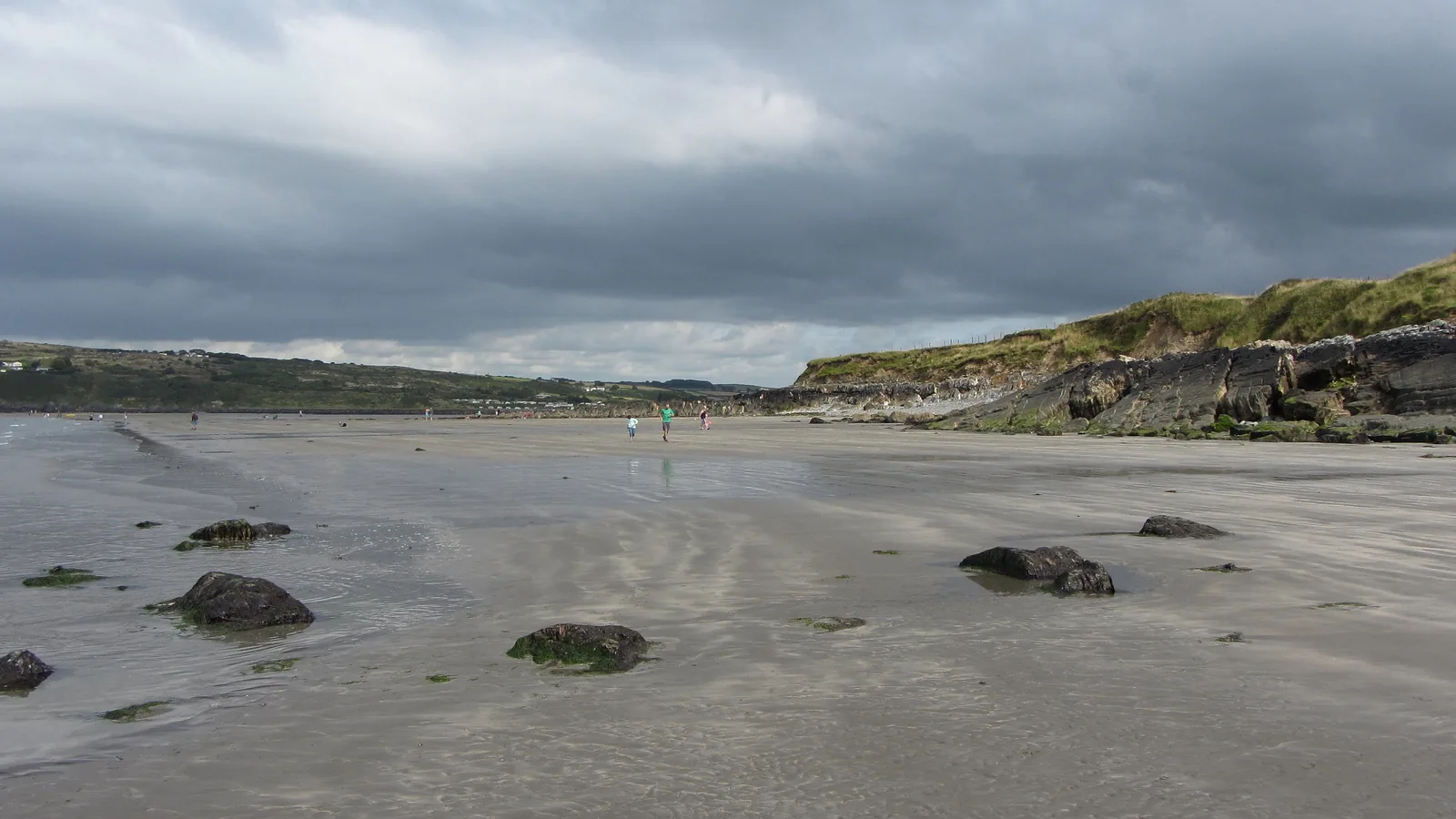
Poppit Sands lives up to its name. The beach has clean shallow sand and extensive dunes, making it a natural base for exploring the Pembrokeshire coast. The Pembrokeshire Coast Path starts here, offering walkers coastal views and chances to spot seals, porpoises, and occasionally bottlenosed…
Quick Overview
Plan Your Visit to Poppit Sands
The key facts before you go
About the Beach
What is Poppit Sands?
Poppit Sands lives up to its charming name with a welcoming stretch of clean shallow sand backed by extensive dunes. Located on the Pembrokeshire coast, this south-facing beach marks the starting point of the famous Pembrokeshire Coast Path, making it a gateway to some of Wales' most dramatic coastal walks. The beach draws a steady mix of visitors, walkers exploring the path's spectacular scenery, surfers and sailors attracted by the challenging waves, and families enjoying the safe bathing areas between lifeguard flags. Clean water and a Blue Flag award since 2000 reflect its appeal. The location offers genuine appeal for those seeking active coastal pursuits combined with accessible family-friendly swimming.
It sits alongside other certified beaches in Wales, part of a broader network of other Blue Flag beaches in United Kingdom certified annually by the Foundation for Environmental Education.
Visitor Feedback
What Visitors Say About Poppit Sands
What visitors appreciate
- cafe|dog friendly|dog walking|dunes|rock pools|dog friendly beach|estuary|overflow car park|spacious beach|golden sand
Points to consider
- Can be busy during July and August peak season
- Facilities may be reduced outside peak months
Based on aggregated public visitor feedback. Themes are synthesised from multiple sources, not individual quotes. Zeach does not reproduce individual reviews.
Sunrise, Sunset & Beach Direction
Poppit Sands faces south toward Atlantic Ocean. The best light for photography and swimming is typically in May, June. Direct sun hours follow that facing.
Planning
When to Go: Month by Month
| Month | Air Temp | Water Temp | Crowds |
|---|---|---|---|
| Jan | 7°C | 9°C | Low |
| Feb | 7°C | 8°C | Low |
| Mar | 7°C | 8°C | Low |
| Apr | 9°C | 9°C | Low |
| May | 12°C | 11°C | Med |
| Jun | 15°C | 13°C | High |
| Jul | 16°C | 15°C | High |
| Aug | 16°C | 16°C | Med |
| Sep | 15°C | 16°C | Low |
| Oct | 12°C | 15°C | Low |
| Nov | 9°C | 13°C | Low |
| Dec | 8°C | 11°C | Low |
The best time to visit Poppit Sands is May, June. Air temperatures peak around 16.3°C in summer. Peak water temperature reaches 15.1°C in July.
How crowded does Poppit Sands get?What are the actual crowd patterns at Poppit Sands? The beach operates in distinct seasonal rhythms. Summer weekends see the steadiest footfall, particularly July and August when water temperatures reach their peak (13.3°C) and school holidays drive family visits. Fine weather Sundays attract walkers onto the Pembrokeshire Coast Path, creating visible clusters of people heading inland from the beach car park. Weekdays year-round remain noticeably quieter, even in summer. Autumn and spring bring dedicated walkers and surfers but fewer casual visitors. Winter is genuinely quiet, air temperatures hover around 6.7°C in January, water drops to 9.1°C, and you'll see mainly committed dog walkers, surfers in wetsuits, and path hikers rather than swimmers. The overflow car park's existence tells you that peak periods do fill the main facility, but this suggests manageable capacity rather than overcrowding. Early morning visits, particularly on weekdays, offer genuine solitude. The beach's exposure to challenging waves means it never becomes a packed sunbathing destination, it's purpose-focused for active use rather than lounging. Summer bank holidays will see busier conditions, as will any extended spell of warm weather during school holidays. The dog-friendly designation brings steady dog walker numbers throughout the week. Generally, Poppit Sands experiences visitor flow rather than overwhelming crowds, making it accessible for families wanting some space while still having facilities present.
Is Poppit Sands open year-round?The beach itself is accessible year-round, though staffed facilities including lifeguards typically operate only during the official season (15-05 – 31-08). The Blue Flag is displayed during the certification period only.
The Water
Swimming and Beach Life at Poppit Sands
Is Poppit Sands safe to swim?Poppit Sands is Blue Flag certified, which requires meeting strict bathing water standards set by the EU Bathing Water Directive.
What is the water temperature at Poppit Sands?Peak water temperature at Poppit Sands reaches around 15.1°C in July, making it comfortable for swimming during the summer months. In winter (January), air temperatures average 6.7°C.
What is the beach like at Poppit Sands?What makes Poppit Sands distinctive is its combination of practical beach features and access to larger coastal experiences. The shallow sand shelves gradually, making it genuinely suitable for building confidence in the water. The dune system behind the beach is substantial and worth exploring, these spaces support coastal wildlife and provide natural shelter from wind. The water temperature ranges from 9.1°C in January to 13.3°C in July and August, so a wetsuit is sensible outside summer months. The beach does experience strong currents in places, but the lifeguard-patrolled swimming areas between the flags are managed for safety. Bathing between the flags is the correct approach here rather than swimming freely along the entire beach. Waves here are genuinely challenging, which is why sailing and surfing have become key activities. This isn't a flat, mirror-like beach, the conditions attract people specifically looking for water sports potential. If you're seeking sheltered, calm water for leisurely swimming, other Pembrokeshire beaches may suit you better. The beach's role as the start of the Pembrokeshire Coast Path means it attracts serious walkers alongside casual visitors. The path itself offers spectacular coastal scenery with varied landscape and wildlife interest. The unspoilt coastline here supports marine life including seals and porpoise, with bottlenosed dolphins occasionally spotted in the waters. Rock pools form naturally along parts of the beach, particularly at lower tides, offering exploration opportunities. The golden sand and spacious layout mean it rarely feels cramped, even during peak summer periods. An overflow car park indicates that visitor numbers do build up, particularly on fine weekends. Dog walking is clearly established here, the beach is explicitly dog-friendly, and you'll see regular dog walkers using the expanse and dunes. The beach's practical setup with accessible facilities makes it functional rather than pretentious, which many visitors prefer.
Poppit Sands sits on the Atlantic Ocean: explore all Blue Flag beaches on the Atlantic.
While You're Here
Beyond Poppit Sands
The Pembrokeshire Coast Path, which begins at Poppit Sands, offers the primary reason to venture beyond the beach itself. This established walking route stretches across Pembrokeshire's coastline with documented scenic value and landscape variety. Walkers can undertake sections ranging from brief coastal strolls to multi-day expeditions, with the path's starting point at Poppit providing natural access. The broader Pembrokeshire coast supports recognized marine wildlife viewing. The seals, porpoise, and occasional bottlenosed dolphins mentioned in relation to Poppit extend throughout the surrounding waters. Dedicated wildlife watching trips operate from various coastal points in the region, though the beach itself offers natural observation opportunities during calm conditions. The estuary features at Poppit indicate connection to river systems inland, the Afon Teifi estuary is present here, creating distinct ecological zones where freshwater and saltwater environments meet. This produces varied habitat for different wildlife species. Pembrokeshire itself contains multiple other beaches, each with distinct characteristics. Newgale, Saundersfoot, and Tenby are established visitor destinations within reasonable driving distance, offering alternatives if conditions at Poppit don't suit your plans. The region's geography means you're positioned to explore different coastal aspects rather than being limited to a single beach location.
Transport
Getting to Poppit Sands
How do I get to Poppit Sands by car?Poppit Sands is approximately 33.61 km from Pembrokeshire. Follow local road signs to the beach. Check Google Maps or a local map for the most current directions.
What is the nearest airport to Poppit Sands?The nearest airport is Cardiff International Airport (CWL), approximately 122.3 km away.
Can I get to Poppit Sands by public transport?Public transport options vary by season. Check local transport authority websites for current bus and train schedules connecting to Pembrokeshire. The nearest recorded bus stop is 296 m from the beach.
Is there a train to Poppit Sands?Poppit Sands lists Pontgoch as the nearest railway station, 19.88 km away. Check current timetables before travelling.
Map
Find Poppit Sands
Open the map or get directions to the Poppit Sands pin. Amenity names are listed here only when OpenStreetMap has a mapped feature nearby.
Map loads when you ask. Tiles stay off the first paint.
Map: OpenStreetMap (ODbL)
On the beach
Facilities at Poppit Sands
- Lifeguards
- Yes, during the certified season
- Wheelchair access
- Accessible site facilities and water entry
- Visual assistance
- No
- Toilets
- No
- Showers
- No
- Parking
- Available nearby (surface parking). 159 m away
- Dogs
- Allowed
- Surface
- Golden sand
- Entry
- Free to enter
These details can change. Check on arrival.
Map data © OpenStreetMap contributors
Practical Details
Practical Information
| At the Beach | |
| Official Season | 15 May – 31 Aug |
|---|---|
| Beach Type | Sandy beach |
| Nearest bus stop | 296 m from the beach |
| Visiting Information | |
| GPS Coordinates | 52.1056°N, 4.7016°W |
| Blue Flag Operator | Foundation for Environmental Education (FEE), United Kingdom |
Frequently Asked Questions
Poppit Sands FAQ
Is Poppit Sands worth visiting?
Yes, if you're seeking active coastal time rather than passive sunbathing. The beach delivers genuine value for walkers, surfers, and families wanting safe swimming areas. The Pembrokeshire Coast Path's starting point here adds significant appeal, you get beach access plus the option to walk dramatic coastline. The Blue Flag award since 2000 confirms consistent water quality and safety standards. It's worth visiting specifically, not as a fallback option. The shallow sand and dunes suit families, while challenging waves attract experienced water users. The main consideration is managing expectations around weather and water temperature, this is Atlantic-facing Welsh coast, not Mediterranean. Plan accordingly and the beach delivers genuine experience.
How do I get to Poppit Sands?
Car is the most practical option. Direct train service to the beach doesn't exist, and bus options are limited, making independent vehicle access strongly preferable. From major Welsh cities, driving through Pembrokeshire takes 2-3 hours depending on your starting point. The beach has both main and overflow car parking, though peak summer weekends can fill these. Once there, parking is clearly established and accessible. If you're visiting multiple Pembrokeshire locations, having a car is essential, the coast's geography spreads attractions across distances that make public transport impractical for most visitors.
What's the best time of year to visit Poppit Sands?
Summer (June-August) offers warmest water (13.3°C) and air temperatures (16.3°C), plus the most reliable daylight for Coast Path walking. July and August bring family crowds and school holidays. For fewer visitors, visit May, September, or early October, water remains swimmable (15.8°C), weather is often stable, and crowds drop noticeably. Autumn brings golden light valued by walkers. Winter (November-February) suits dedicated walkers and surfers comfortable with cold conditions (water 10.7°C, air 6.7°C), but expect limited daylight and wet weather. If you're specifically seeking active pursuits rather than passive beach time, shoulder seasons (April-May, September-October) offer the best balance of pleasant conditions and manageable crowds. Winter's main advantage is genuine solitude.
What facilities are there at Poppit Sands?
The beach offers established visitor infrastructure: main car park with overflow capacity for peak periods, lifeguards during operating hours (confirming active safety management), and a café. Dog facilities are explicitly supported, the beach is dog-friendly with dog walking clearly a regular activity. The dune system provides natural shelter and exploration space beyond the sand itself. Facilities are functional rather than extensive, you get essentials for beach time and refreshment rather than resort-style amenities. Rock pools form naturally at lower tides, adding exploration value. The beach's role as the Pembrokeshire Coast Path starting point means basic facilities support day visitors and walkers. There's no indication of accommodation directly on the beach, so this operates as a day-visit destination rather than a resort setting.
Is Poppit Sands suitable for families?
Yes, with specific considerations. The shallow sand shelves gradually, making it genuinely safe for children learning to swim. Lifeguards patrol designated swimming areas (between the flags), and the Blue Flag award confirms safety standards. The dunes offer exploration beyond the sand, and rock pools at lower tides engage children's curiosity. Dog-friendly status matters if your family includes pets, dogs are clearly welcome, not merely tolerated. The spacious beach layout prevents cramping in peak season. The main family consideration is water temperature: summer months (13.3°C) are the realistic swimming window for young children. Outside June-August, wetsuits become necessary, limiting spontaneous paddling. The challenging waves suit older children and teenagers confident in water but aren't suitable for beginner swimmers. Plan summer visits for family swimming; shoulder seasons work better for walking, dune exploration, and rock pool investigation than for traditional swimming holidays.
Explore More
Nearby Blue Flag Beaches
Editorial
From the Zeach Blog
Everything you need to know about what makes a beach qualify for Blue Flag status, from water quality to environmental education.
Read moreOur editorial team's pick of the standout Blue Flag beaches in United Kingdom, rated for family friendliness, scenery, and facilities.
What the flag actually means, how certification works, and why a Blue Flag is a genuinely reliable signal, not just a marketing tool.
Read moreSources
- Foundation for Environmental Education: Blue Flag programme
- FEE site listing for Poppit Sands
- Keep Britain Tidy / Foundation for Environmental Education
Last verified September 2026. National operator pages and FEE listings are the primary certification sources.