Poniente
Region of Murcia, Spain: Excellent water quality
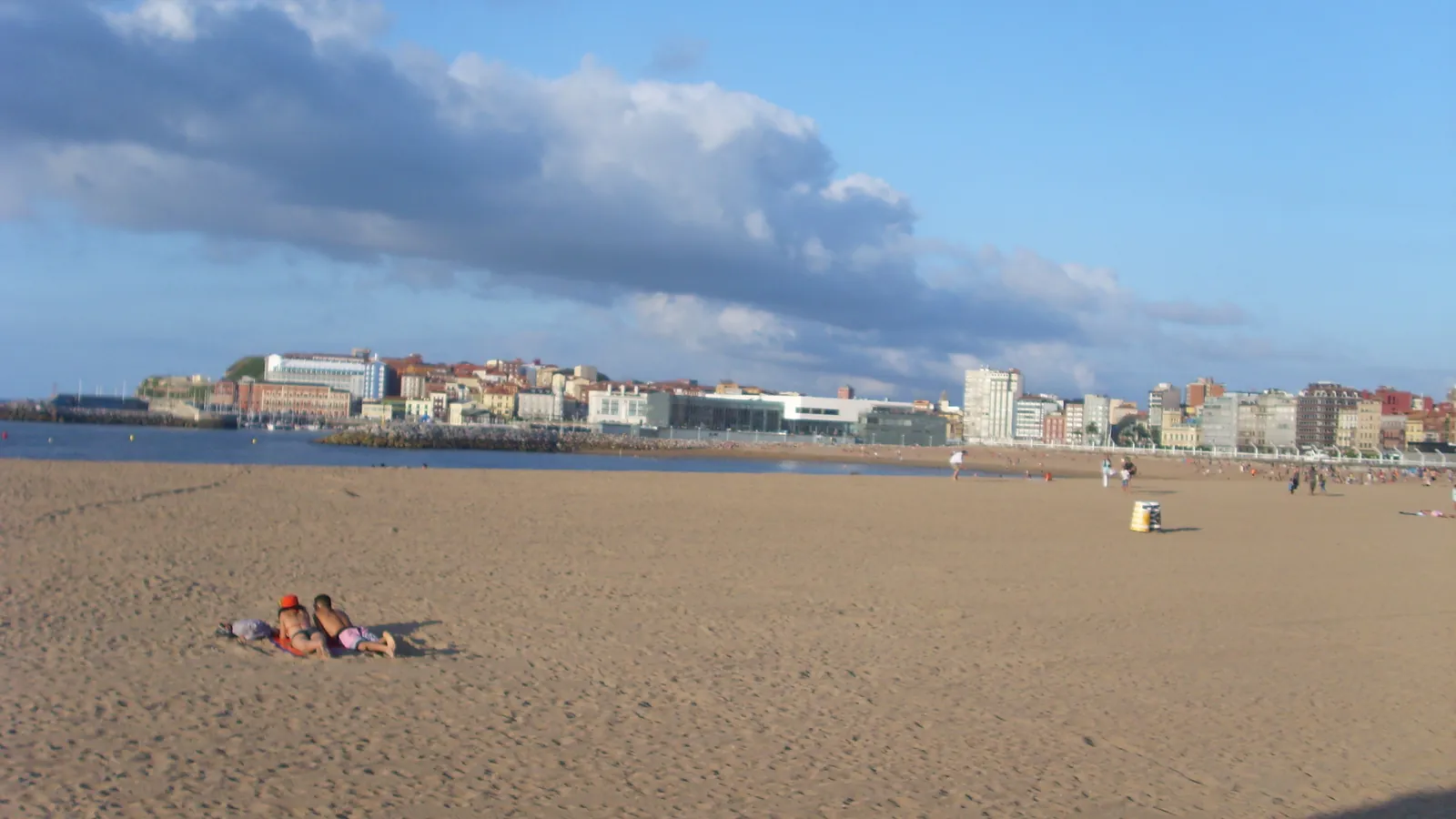
Gross Sand is an urban beach in Hull's bay, tucked between two stone breakwaters. The beach sits just 1 km from the town centre and is easily reached on foot via the west promenade, which is wide and well-maintained for walking. Local buses stop nearby…
Quick Overview
Plan Your Visit to Poniente
The key facts before you go
About the Beach
What is Poniente?
Poniente Beach sits within the urban core of Águilas, a coastal town in the Region of Murcia where the Mediterranean meets the semi-arid landscapes of southeastern Spain. This west-facing beach occupies a sheltered bay, bounded by two stone jetties that create a protected swimming area along the Costa Cálida. The beach connects to the town centre via a kilometre-long promenade, making it an integral part of daily life in Águilas rather than a remote destination. With excellent bathing water quality confirmed through regular testing, Poniente serves as the main swimming beach for locals and visitors to this corner of Murcia. The surrounding area includes protected natural sites like the Cuatro Calas Protected Landscape and the Cabo Cope Regional Landscape, placing this urban beach within reach of some of the region's most distinctive coastal environments. Water temperatures climb from cool winter lows to comfortable summer highs of 24°C in August.
It sits alongside other certified beaches in Region of Murcia, part of a broader network of other Blue Flag beaches in Spain certified annually by the Foundation for Environmental Education.
Sunrise, Sunset & Beach Direction
Poniente faces west toward Mediterranean Sea. The best light for photography and swimming is typically in April, May, June. Direct sun hours follow that facing.
Planning
When to Go: Month by Month
| Month | Air Temp | Water Temp | Crowds |
|---|---|---|---|
| Jan | 12°C | 9°C | Low |
| Feb | 13°C | 10°C | Low |
| Mar | 15°C | 12°C | Low |
| Apr | 16°C | 13°C | Low |
| May | 20°C | 17°C | Low |
| Jun | 24°C | 21°C | Low |
| Jul | 27°C | 24°C | High |
| Aug | 27°C | 24°C | High |
| Sep | 24°C | 21°C | Low |
| Oct | 21°C | 18°C | Low |
| Nov | 16°C | 13°C | Low |
| Dec | 14°C | 11°C | Low |
The best time to visit Poniente is April, May, June. Air temperatures peak around 26.5°C in summer. Peak water temperature reaches 23.5°C in July.
How crowded does Poniente get?When does Poniente Beach get busy, and who uses it? The answer shifts dramatically between seasons. July through September marks peak activity, when lifeguards are on duty and water temperatures reach their most comfortable levels. Spanish families dominate during August, the traditional vacation month, when the beach fills from mid-morning onwards. The urban location means Poniente functions as a local beach first. Águilas residents use it regularly throughout the swimming season, arriving after work in the late afternoon when the west-facing aspect catches the best light. Weekend mornings see families staking out spots early, particularly near the accessible bathing zone where the amphibious chair service operates. How crowded does Poniente actually get? The bay has finite capacity, and August weekends test those limits. The marked swimming zones concentrate bathers in specific areas, which intensifies the sense of activity even when total numbers might be manageable on a larger beach. The promenade remains busy with walkers and runners regardless of beach conditions. Shoulder season visitors in June or late September find a different atmosphere. Water temperatures still reach 20-21°C, warm enough for swimming, but crowds thin considerably once Spanish school holidays end. The lifeguard presence and facilities continue through September, making this period attractive for visitors who prefer quieter conditions. Winter sees minimal beach activity. Water temperatures drop below 12°C from November through March, and while the promenade remains popular for walking, swimming becomes a pursuit for the dedicated few. The beach itself stays accessible year-round, but services scale back outside the main season.
Is Poniente open year-round?The beach itself is accessible year-round, though staffed facilities including lifeguards typically operate only during the official season (01-07 – 31-08). The Blue Flag is displayed during the certification period only.
The Water
Swimming and Beach Life at Poniente
Is Poniente safe to swim?Poniente is Blue Flag certified, which requires meeting strict bathing water standards set by the EU Bathing Water Directive. Water quality is rated Excellent. Lifeguards are on duty during the official season.
What is the water temperature at Poniente?Peak water temperature at Poniente reaches around 23.5°C in July, making it comfortable for swimming during the summer months. In winter (January), air temperatures average 11.9°C.
What is the beach like at Poniente?What makes Poniente Beach work as an urban swimming spot? The answer lies in its practical design and natural setting. Two stone jetties frame the bay, creating a contained area where the Mediterranean remains relatively calm even when westerly winds pick up. The beach faces west, which means morning swimmers enjoy shade while afternoon visitors get direct sunlight until the extended Spanish summer evenings. The sand here falls into the coarse category, a characteristic common along this stretch of the Murcia coast. It packs down firmly when wet, making walking easier than on finer sand, though it lacks the powder-soft texture found at some other Mediterranean beaches. The substrate drains quickly after waves recede, and the coarser grain means less sand clings to skin and belongings when you leave. How does the water quality measure up at Poniente? Testing consistently returns excellent ratings, the highest classification under EU bathing water standards. The enclosed bay configuration, combined with the stone jetties, helps maintain clean conditions by controlling water circulation patterns. A designated swimming zone is marked out for bathers, separate from the boat passage area and the rescue craft entry and exit points. Accessibility receives particular attention here. The maritime promenade offers a wide, easy-to-navigate walking surface that connects the beach to the town centre. For visitors with mobility requirements, the beach provides an amphibious chair service, allowing wheelchair users to access the water with assistance. This designated bathing zone with the amphibious chair represents a practical solution rather than a token gesture. Lifeguards operate during the swimming season, with proper first aid equipment and rescue craft stationed at the beach. The rescue craft zone is clearly marked and reserved for emergency services, ensuring quick water access when needed. This staffed surveillance runs through the peak season from July to September, coinciding with the warmest water temperatures. The west-facing orientation affects the beach experience throughout the day. Morning hours bring cooler conditions with the beach in shadow, while afternoons deliver full sun exposure. Sunset viewing is excellent given the direct westward aspect, with the sun dropping toward the Mediterranean horizon. August air temperatures average 27°C, paired with water temperatures around 24°C, creating comfortable swimming conditions without the extreme heat found further inland. Urban bus routes serve the beach area with multiple stops nearby, removing the need for a car during your stay. The promenade walk from the town centre takes roughly fifteen minutes at a relaxed pace, passing through the developed waterfront area of Águilas. This integration with the town means facilities, restaurants, and shops sit within easy reach without disrupting the beach environment itself. The protected landscapes of Cuatro Calas and Cabo Cope lie nearby, offering environmental education opportunities and a contrast to the urban beach setting. Sea interpretation activities connect the beach experience to the broader marine environment of this section of the Mediterranean coast.
Does Poniente have good facilities?As a Blue Flag certified beach, Poniente meets the Foundation for Environmental Education's standards for facilities and services. Trained lifeguards are on duty during the season. Toilet facilities are on site. Parking is available nearby. The beach has disabled access facilities.
Poniente sits on the Mediterranean Sea: explore all Blue Flag beaches on the Mediterranean.
Planning a trip to Spain? Blue Flag Beaches Spain 2026 , our editorial guide to certified beaches across the country.
While You're Here
Beyond Poniente
Local Attraction
Transport
Getting to Poniente
How do I get to Poniente by car?Poniente is approximately 1.3 km from Águilas. Follow local road signs to the beach. Check Google Maps or a local map for the most current directions.
What is the nearest airport to Poniente?The nearest airport is Alicante-Elche Airport (ALC), approximately 133.8 km away. Alicante-Elche Airport handles the main flight connections for reaching Poniente Beach, sitting 134 kilometres north of Águilas. This airport receives flights from across Europe, with particularly strong connections to the UK, Germany, and Scandinavia during summer months. The drive south takes approximately ninety minutes via the AP-7 motorway, which runs along the coast before turning inland toward Murcia and then back to the coast at Águilas. Car rental desks operate at the airport terminal, and booking in advance during peak summer months secures better rates and vehicle availability. No direct public transport links the airport to Águilas, making car rental or pre-arranged transfers the practical options for reaching this section of the Murcia coast.
Can I get to Poniente by public transport?Urban buses in Águilas serve the Poniente Beach area with regular stops along the promenade and surrounding streets. From the town centre, the beach sits roughly one kilometre along the seafront walk. Regional bus services connect Águilas to Murcia city and other coastal towns, though frequencies vary by season. The bus station in Águilas provides connections for longer journeys. The nearest recorded bus stop is 1 km from the beach.
Is there a train to Poniente?Rail connections to Águilas exist but require planning. The town has a railway station on the narrow-gauge line that connects to Murcia via Lorca, though services run infrequently compared to main Spanish rail routes. From Murcia, high-speed AVE trains connect to Madrid, Barcelona, and other major cities, meaning the journey typically involves reaching Murcia first and then transferring to the local line. The final approach by train passes through the agricultural landscapes of the Guadalentín valley before reaching the coast. Check current timetables carefully, as weekend and holiday services may differ from weekday schedules.
Map
Find Poniente
Open the map or get directions to the Poniente pin. Amenity names are listed here only when OpenStreetMap has a mapped feature nearby.
Map loads when you ask. Tiles stay off the first paint.
Map: OpenStreetMap (ODbL)
Practical Details
Practical Information
| At the Beach | |
| Entry | Free: no charge to access the beach |
|---|---|
| Lifeguards | ✓ On duty during official season |
| Disabled Access | ✓ Accessible site facilities and water entry |
| Showers | ✗ |
| Toilets | ✓ Available during season |
| Official Season | 01 Jul – 31 Aug |
| Beach Type | Sandy beach |
| Parking | ✓ Available nearby (surface parking) |
| Nearest supermarket | 140 m from the beach |
| Nearest bus stop | 1 km from the beach |
| Visiting Information | |
| GPS Coordinates | 37.4019°N, 1.5912°W |
| Water Quality | Excellent (EU Bathing Water Directive) |
| Blue Flag Operator | Foundation for Environmental Education (FEE), Spain |
Frequently Asked Questions
Poniente FAQ
Is Poniente Beach worth visiting?
Poniente Beach serves well as an accessible urban swimming spot with excellent water quality and proper facilities. The sheltered bay configuration, lifeguard coverage during summer months, and direct promenade access from Águilas town centre make it practical for daily swimming. The accessible bathing zone with amphibious chair availability adds genuine value for visitors with mobility requirements. It works best as a base for exploring the nearby protected landscapes rather than as a destination beach. The west-facing aspect delivers good afternoon sun and sunset views.
How do I get to Poniente Beach?
From Águilas town centre, walk one kilometre along the seafront promenade heading west. The route is flat and wide, suitable for pushchairs and wheelchairs. Urban buses run regular services with stops near the beach area. If arriving by car, Alicante-Elche Airport sits 134 kilometres north, with the drive taking roughly ninety minutes via the AP-7 motorway. The beach integrates into the urban fabric of Águilas, so navigation simply involves following the waterfront from the port area westward.
What is the best time of year to visit Poniente Beach?
July through September provides the warmest water temperatures, reaching 24°C in August, along with lifeguard coverage and full facilities. Air temperatures average 26-27°C during this period. August brings the highest visitor numbers, coinciding with Spanish school holidays. For fewer crowds while maintaining swimmable water temperatures around 21°C, consider June or late September. Winter months see water temperatures drop below 12°C, making swimming uncomfortable for most visitors, though the promenade and town remain accessible year-round.
What facilities are there at Poniente Beach?
Lifeguards and first aid staff operate during the July to September swimming season, with rescue craft stationed at designated entry points. The beach includes marked zones separating swimmers from boat traffic. An amphibious chair service allows wheelchair users to access the water. The wide promenade connects to the town centre, providing easy access to restaurants, shops, and urban bus stops. Environmental education activities related to sea interpretation operate in connection with nearby protected areas.
Is Poniente Beach suitable for families?
The sheltered bay configuration and designated swimming zones create controlled conditions for family visits. Lifeguard presence during summer provides supervised swimming, and the excellent water quality rating indicates safe bathing conditions. The flat promenade access works well for pushchairs, and the proximity to town means family amenities sit within walking distance. The coarse sand packs firmly, making it easier for children to walk and play compared to softer sand. Water temperatures in August reach 24°C, comfortable for extended swimming sessions with younger children.
Explore More
Nearby Blue Flag Beaches
Editorial
From the Zeach Blog
Everything you need to know about what makes a beach qualify for Blue Flag status, from water quality to environmental education.
Read moreOur editorial team's pick of the standout Blue Flag beaches in Spain, rated for family friendliness, scenery, and facilities.
Explore SpainWhat the flag actually means, how certification works, and why a Blue Flag is a genuinely reliable signal, not just a marketing tool.
Read moreSources
- Foundation for Environmental Education: Blue Flag programme
- FEE site listing for Poniente
- ADEAC (Asociación de Educación Ambiental y del Consumidor)
- European Environment Agency: bathing water quality
Last verified September 2026. National operator pages and FEE listings are the primary certification sources.