Nares
Region of Murcia, Spain: Excellent water quality
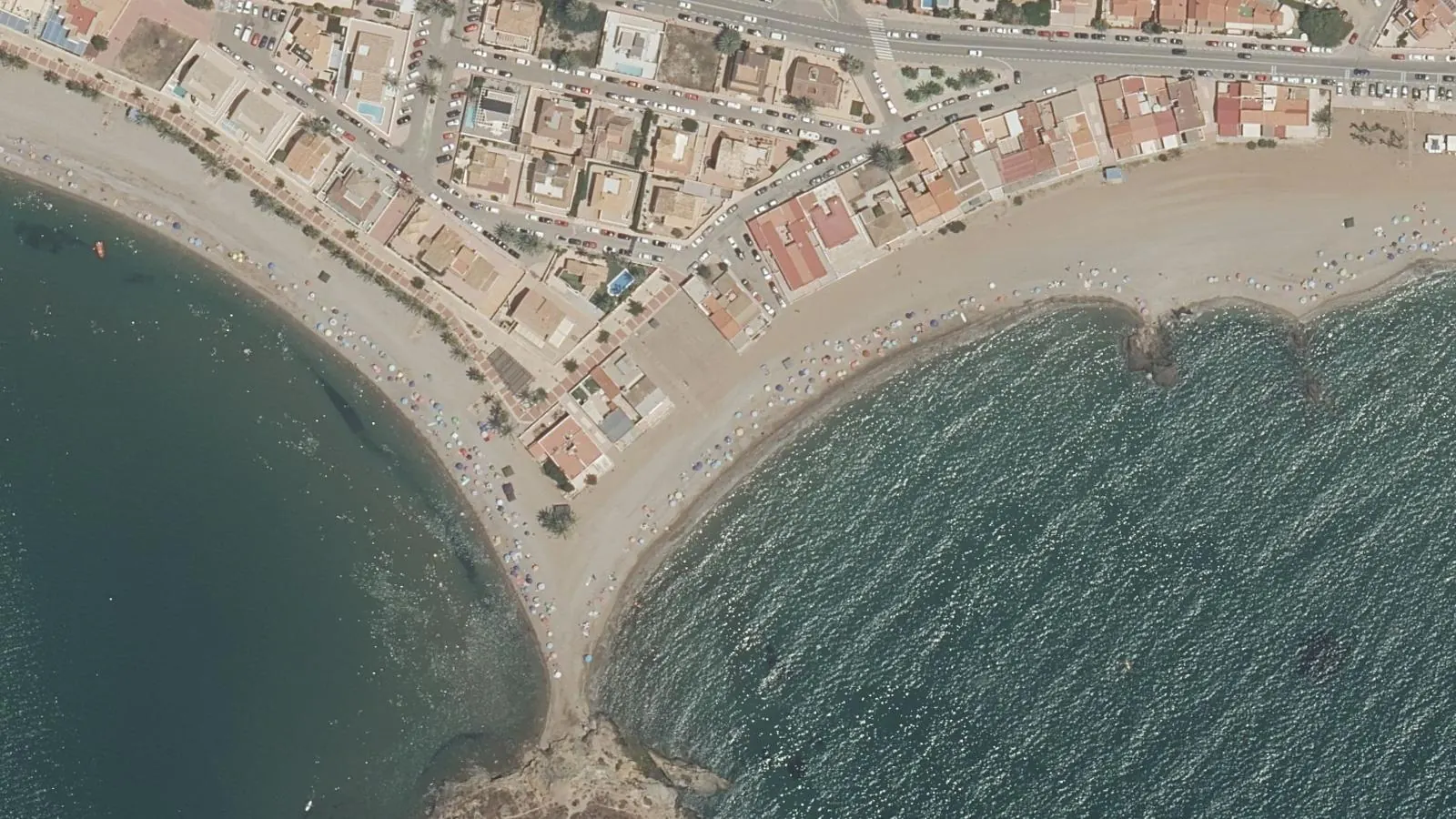
This urban beach sits at kilometer 2.670 of the Puerto de Mazarrón–Playa Bolnuevo road and stretches 400 meters of medium, golden sand. It holds a maximum of 607 people.
Quick Overview
Plan Your Visit to Nares
The key facts before you go
About the Beach
What is Nares?
Nares is an urban beach in Mazarrón, Region of Murcia, stretching 400 meters of medium golden sand along the Costa Cálida. Located at kilometer 2.670 of the Puerto de Mazarrón–Playa Bolnuevo road, this accessible beach serves both locals and visitors seeking reliable Mediterranean bathing. The water quality is rated Excellent, and lifeguards are present during the season. With a maximum capacity of 607 people, Nares offers a manageable beach experience with practical amenities including sunbed rentals, restrooms, and beach bars. The urban location means easy access via bus and vehicle, making it a straightforward choice for a day at the water rather than a remote coastal escape.
It sits alongside certified beaches along Region of Murcia, part of a broader network of certified beaches throughout Spain certified annually by the Foundation for Environmental Education.
Sunrise, Sunset & Beach Direction
Nares faces west toward Mediterranean Sea. The best light for photography and swimming is typically in April, May, June. Direct sun hours follow that facing.
Planning
When to Go: Month by Month
| Month | Air Temp | Water Temp | Crowds |
|---|---|---|---|
| Jan | 11°C | 8°C | Low |
| Feb | 13°C | 10°C | Low |
| Mar | 14°C | 11°C | Low |
| Apr | 16°C | 13°C | Low |
| May | 20°C | 17°C | Low |
| Jun | 24°C | 21°C | Low |
| Jul | 27°C | 24°C | High |
| Aug | 27°C | 24°C | High |
| Sep | 24°C | 21°C | Low |
| Oct | 20°C | 17°C | Low |
| Nov | 16°C | 13°C | Low |
| Dec | 13°C | 10°C | Low |
The best time to visit Nares is April, May, June. Air temperatures peak around 26.8°C in summer. Peak water temperature reaches 23.8°C in July.
How crowded does Nares get?What type of crowd uses Nares? This is fundamentally an urban beach serving the Mazarrón residential area and day-trippers from nearby towns. During summer months, you'll encounter a mix of locals and holidaymakers, but the 607-person capacity keeps numbers manageable compared to larger regional beaches. Families dominate the scene, particularly on weekends and during school holidays, drawn by the lifeguard presence and rental facilities. Weekday visits, especially outside July and August, tend to be quieter, with a higher proportion of local swimmers and retirees. The beach bar presence suggests a social, relaxed atmosphere rather than a party-focused environment. During the shoulder season (June and September–October), when water temperatures are comfortable but summer holidays have ended, the beach likely feels noticeably less crowded. Winter months (November through May) are substantially quieter, with visitors mainly limited to locals and coastal walkers taking advantage of the promenade. The bus connections to Murcia suggest some use by non-drivers, which may slightly shift the demographic toward those without private transport. The urban setting means you're never isolated; there's always activity in the surrounding town if you need restaurants, shops, or services beyond the beach bar offerings.
Is Nares open year-round?The beach itself is accessible year-round, though staffed facilities including lifeguards typically operate only during the official season (01-07 – 31-08). The Blue Flag is displayed during the certification period only.
The Water
Swimming and Beach Life at Nares
Is Nares safe to swim?Nares is Blue Flag certified, which requires meeting strict bathing water standards set by the EU Bathing Water Directive. Water quality is rated Excellent. Lifeguards are on duty during the official season.
What is the water temperature at Nares?Peak water temperature at Nares reaches around 23.8°C in July, making it comfortable for swimming during the summer months. In winter (January), air temperatures average 11.2°C.
What is the beach like at Nares?What makes Nares distinctive is its direct integration into the Mazarrón urban fabric. The 400-meter stretch of medium golden sand runs between the road access point and the Mediterranean, creating a compact beach environment. The sand quality is consistent throughout the season, and the seafloor slopes gradually, which many swimmers find manageable. Water temperatures vary significantly by season. Winter months (January–March) are cold, ranging from 8.2°C to 11.2°C, limiting comfortable swimming to those in wetsuits. Spring warming begins in April at 13.2°C and accelerates through May (17.2°C). The genuine swimming season runs from June onward, when water reaches 21.2°C and continues warming through August to a peak of 24.2°C. September remains pleasant at 21.3°C, October at 17.2°C, and the season tapers through November (12.6°C) as water cools again. Air temperatures show less extreme variation. Summer months (July–August) average 26.8°C to 27.2°C, with September still comfortable at 24.3°C. Winter air temperature averages around 11.2°C in January, making the beach usable year-round for walking, though swimming is concentrated June through November. The beach faces west, meaning afternoon and evening light dominates the swimming hours. Lifeguards are on duty, which is essential information for those planning visits during peak season. Services include sunbed and umbrella rentals, restrooms with adapted facilities for people with disabilities, bike parking, disabled parking, beach bars for refreshment, foot showers for rinsing, walkways, waste bins, and first aid. The beach is partially accessible, so those with mobility requirements should verify specific access routes before visiting. The maximum capacity of 607 people means the beach rarely feels overcrowded by Mediterranean standards, even during summer.
Does Nares have good facilities?As a Blue Flag certified beach, Nares meets the Foundation for Environmental Education's standards for facilities and services. Trained lifeguards are on duty during the season. Parking is available nearby. The beach has disabled access facilities.
Nares sits on the Mediterranean Sea: explore all Blue Flag beaches on the Mediterranean.
Planning a trip to Spain? Blue Flag Beaches Spain 2026 , our editorial guide to certified beaches across the country.
While You're Here
Beyond Nares
Mazarrón itself is a working fishing and industrial port town rather than a resort, so atmosphere and attractions differ markedly from purpose-built beach destinations. The town center sits inland from Nares and offers local restaurants, shops, and a genuine community character. The Puerto de Mazarrón waterfront area is worth exploring if you're spending a full day, this is where the fishing fleet operates, and local seafood restaurants overlook the working harbor. The Region of Murcia has inland attractions including the towns of Mula and Alhama de Murcia, though these require separate transport. The coastal strip itself holds other beaches within 20–30 kilometers, giving options if you want variety across multiple visits. Playa Bolnuevo, referenced in the beach's road coordinates, lies nearby and is worth comparison if you're exploring the immediate area. For water-based activities beyond swimming, ask at the beach bar about local operators; the sheltered waters here may support small boat rentals or diving services, though nothing is guaranteed without local verification.
Transport
Getting to Nares
How do I get to Nares by car?Nares is approximately 5.13 km from Mazarrón. Follow local road signs to the beach. Check Google Maps or a local map for the most current directions.
What is the nearest airport to Nares?The nearest airport is Alicante-Elche Airport (ALC), approximately 103.0 km away. Alicante-Elche Airport (ALC), located 103 kilometers away, is the nearest air gateway to Nares. This is Spain's fifth-busiest airport with regular connections to European cities and domestic routes. From the airport, the drive to Mazarrón takes roughly 90 minutes via the A-7 autovía, heading south toward Almería then west toward the coast. Car rental is practical here, though bus services also connect Alicante to Murcia, from where onward connections to Mazarrón are available. The distance means flying into Alicante suits visitors planning a broader coastal or inland itinerary rather than those arriving specifically for a single beach day.
Can I get to Nares by public transport?Bus access to Nares is straightforward via urban lines serving Mazarrón and the Murcia–Mazarrón route, with a dedicated stop at the beach entrance. This direct access means visitors without cars can reach the beach reliably. Journey duration from Murcia city center is approximately 1 hour. The urban bus lines suggest regular weekday and weekend service, making this an accessible option for day-trippers from the city. The nearest recorded bus stop is 131 m from the beach.
Nearby
Near Nares
Mapped toilets, bus stops, cafés, parking, and shops within about 500 m of Nares. Distances are walking-line estimates from the beach pin.
Map loads when you ask. Tiles stay off the first paint.
Map: OpenStreetMap (ODbL)
Bus near Nares
- Nares Bus stop 131 m
- Nares Bus stop 143 m
- Puerto de Mazarron - El Triangulo Bus stop 488 m
- Puerto de Mazarron - El Triangulo Bus stop 494 m
- Playa Grande Bus stop 496 m
Cafés near Nares
- La Meseguera Restaurant 274 m
Parking near Nares
- Parking Parking 253 m
- Parking Parking 425 m
- Parking Parking 441 m
Supermarket near Nares
- Cati Supermarket 293 m
Source: © OpenStreetMap contributors (ODbL). Names and positions come from mapped OSM features. Confirm on site.
Practical Details
Practical Information
| At the Beach | |
| Entry | Free: no charge to access the beach |
|---|---|
| Lifeguards | ✓ On duty during official season |
| Disabled Access | ✓ Accessible site facilities |
| Showers | ✗ |
| Toilets | ✗ |
| Official Season | 01 Jul – 31 Aug |
| Beach Type | Sandy beach |
| Sand | Golden / yellow sand |
| Parking | ✓ Available nearby (underground parking) |
| Nearest supermarket | 290 m from the beach |
| Nearest bus stop | 131 m from the beach |
| Visiting Information | |
| GPS Coordinates | 37.5587°N, 1.2855°W |
| Water Quality | Excellent (EU Bathing Water Directive) |
| Blue Flag Operator | Foundation for Environmental Education (FEE), Spain |
Frequently Asked Questions
Nares FAQ
Is Nares worth visiting?
Yes, if you value practical beach access and reliable facilities over remoteness or novelty. The Excellent water quality, lifeguard presence, and manageable 607-person capacity make it a sensible choice for families and regular swimmers. The urban location means easy parking, bus access, and nearby refreshments. This is a working beach for locals and day-trippers, not a destination beach, visit for swimming and amenities, not for scenery or solitude.
How do I get to Nares?
By car, follow the Puerto de Mazarrón–Playa Bolnuevo road to kilometer 2.670, where street-level parking is available. By bus, multiple lines serve the beach stop directly from Mazarrón town center and from Murcia (approximately 1 hour from the city). By air, fly to Alicante-Elche Airport (103 km away) and rent a car or use onward bus connections. The beach has bike parking, so cycling is possible if you're based locally.
What's the best time of year to visit?
June through November is the genuine swimming season, when water temperatures range from 21.2°C to 24.2°C. August offers the warmest water (24.2°C) and air (27.2°C), but also the most crowded conditions. June and September–October provide comfortable swimming (21–23°C water) with fewer crowds. Winter (December–May) is cold for swimming (8–13°C), though the beach remains accessible for walking.
What facilities are there at Nares?
Sunbed and umbrella rentals, restrooms with adapted facilities, bike parking, disabled parking, beach bars, foot showers, walkways, waste bins, and first aid staffed by lifeguards. The beach is partially accessible; verify specific access routes if you have mobility requirements. These amenities make the beach practical for a full day visit rather than a quick swim.
Is Nares suitable for families?
Yes, it's well-suited for families. Lifeguards are present, restrooms include adapted facilities, the sandy seafloor slopes gradually, and the 607-person capacity prevents dangerous overcrowding. Sunbed and umbrella rentals reduce setup burden, beach bars provide refreshment, and the urban location offers nearby shops and services. The downside is limited novelty for older children seeking adventure or water sports.
Is there a bus near Nares?
Yes. OpenStreetMap maps a public-transport stop 131 m from Nares (Nares), plus 4 more within about 500 m. Check current timetables before you travel. © OpenStreetMap contributors (ODbL).
Are there cafés near Nares?
Yes. OpenStreetMap lists a café or restaurant near Nares, including La Meseguera (274 m). Hours and seasonal opening are not verified here. Check on the day. © OpenStreetMap contributors (ODbL).
Is there parking near Nares?
Yes. OpenStreetMap maps parking 253 m from Nares, with 3 lots or spaces inside about 500 m. Charges and time limits are not recorded here. © OpenStreetMap contributors (ODbL).
Is there a supermarket near Nares?
Yes. OpenStreetMap maps a supermarket 293 m from Nares (Cati). Walking-line distance; confirm opening hours locally. © OpenStreetMap contributors (ODbL).
Explore More
Nearby Blue Flag Beaches
Editorial
From the Zeach Blog
Everything you need to know about what makes a beach qualify for Blue Flag status, from water quality to environmental education.
Read moreOur editorial team's pick of the standout Blue Flag beaches in Spain, rated for family friendliness, scenery, and facilities.
Explore SpainWhat the flag actually means, how certification works, and why a Blue Flag is a genuinely reliable signal, not just a marketing tool.
Read moreSources
- Foundation for Environmental Education: Blue Flag programme
- FEE site listing for Nares
- ADEAC (Asociación de Educación Ambiental y del Consumidor)
- European Environment Agency: bathing water quality
Last verified September 2026. National operator pages and FEE listings are the primary certification sources.