Mogor
Spain: Excellent water quality
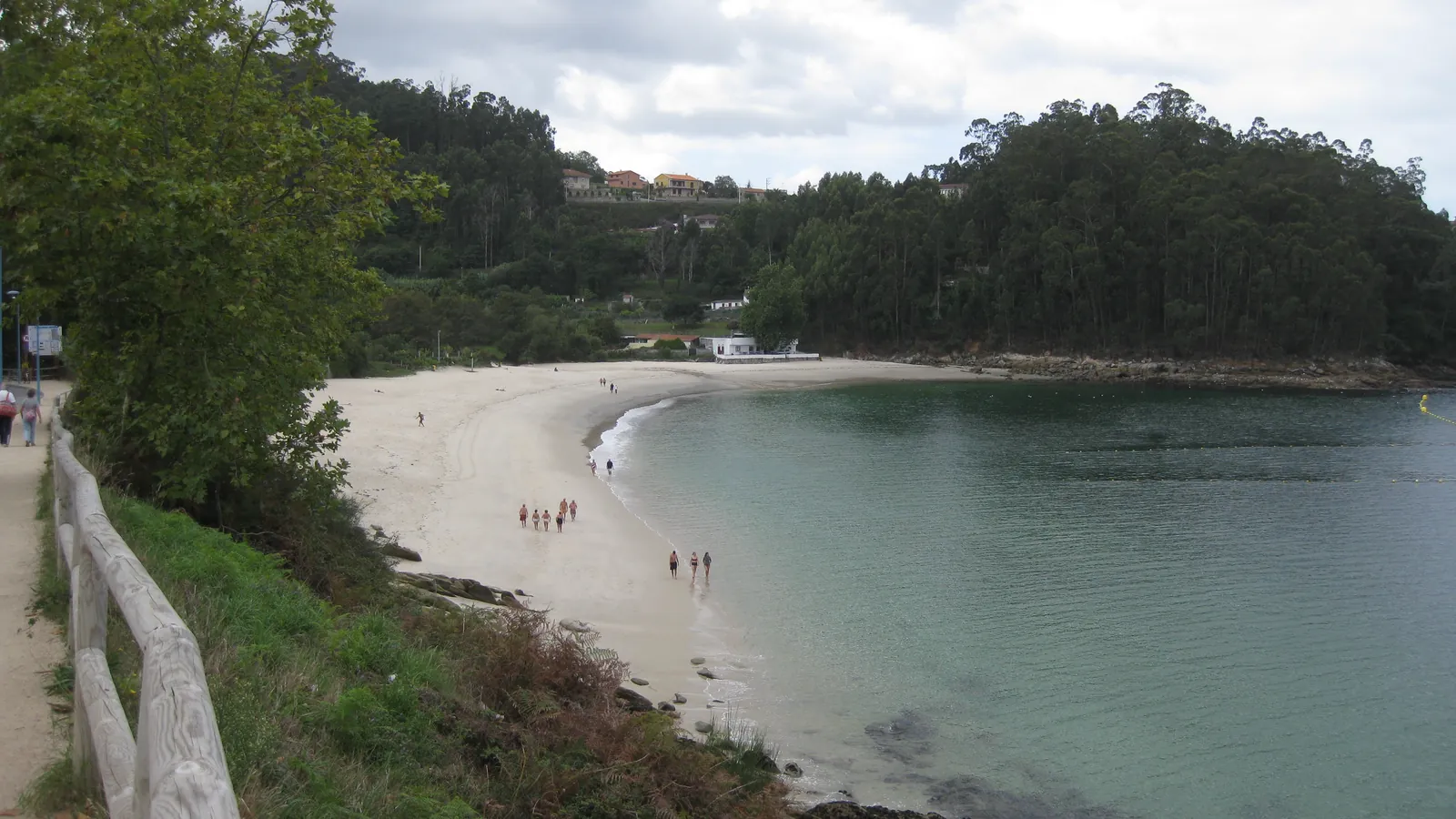
This 250-meter beach has fine sand and lifeguards on duty from 11:00 to 21:00, June 15 to September 15. The beach has accommodation, public transport access, and handicap facilities nearby.
Quick Overview
Plan Your Visit to Mogor
The key facts before you go
About the Beach
What is Mogor?
Mogor Beach sits along the western coast of Galicia in the municipality of Marín, where Atlantic waters meet a 250-metre stretch of fine sand. This rural beach faces west, catching the afternoon sun as it descends toward the horizon. The bathing water quality here carries an Excellent rating, reflecting the clean coastal waters that define this section of the Rías Baixas. Lifeguards patrol the beach daily from 11:00 to 21:00 between mid-June and mid-September, providing extended coverage through the main swimming season. What sets Mogor apart is its setting within a landscape where woodland meets shoreline, with the Cotorredondo Natural Park located nearby. The beach offers accommodation options and public transport connections, making it accessible for visitors without private vehicles. Handicap facilities are available, ensuring broader access to this stretch of Galician coast. Just offshore, the Atlantic Islands National Park provides a glimpse of the protected marine environment that influences these waters.
It is part of a wider group of other Blue Flag beaches in Spain that meet FEE's annual standards for water quality, safety, and environmental management.
Sunrise, Sunset & Beach Direction
Mogor faces west toward Atlantic Ocean. The best light for photography and swimming is typically in April, May, June. Direct sun hours follow that facing.
Planning
When to Go: Month by Month
| Month | Air Temp | Water Temp | Crowds |
|---|---|---|---|
| Jan | 9°C | 6°C | Low |
| Feb | 11°C | 8°C | Low |
| Mar | 11°C | 8°C | Low |
| Apr | 13°C | 10°C | Low |
| May | 16°C | 13°C | Low |
| Jun | 18°C | 15°C | Low |
| Jul | 21°C | 18°C | High |
| Aug | 21°C | 18°C | High |
| Sep | 19°C | 16°C | Low |
| Oct | 16°C | 13°C | Low |
| Nov | 12°C | 9°C | Low |
| Dec | 11°C | 8°C | Low |
The best time to visit Mogor is April, May, June. Air temperatures peak around 21.1°C in summer. Peak water temperature reaches 18.1°C in July.
How crowded does Mogor get?Who visits Mogor Beach throughout the year? The seasonal patterns here follow Atlantic rhythms, with water temperatures largely determining visitor numbers. January through April sees the beach at its quietest, when water temperatures between 6.3°C and 10.1°C discourage all but the hardiest swimmers. Local walkers and dog owners may use the beach during these months, though facilities operate on reduced schedules. May marks the transition period as water reaches 13.2°C and air temperatures climb. Weekend visitors begin appearing, though weekday visits remain peaceful. The beach's rural classification means even busier periods lack the density found at urban beaches in nearby Vigo. June 15 signals the official summer season, when lifeguards begin daily duty from 11:00 to 21:00. Visitor numbers increase noticeably, particularly during July and August when water temperatures peak around 18°C. Spanish domestic tourists and families from the Galicia region form the primary audience during peak weeks. The 250-metre length helps distribute crowds, though midday hours on August weekends will see higher occupancy. The lifeguard schedule extending to 21:00 reflects local beach culture, where late afternoon and early evening visits are common. The west-facing orientation makes sunset viewing possible directly from the sand. September maintains summer conditions until mid-month, when lifeguard service ends. Water remains swimable at 16.3°C, and reduced crowds make this period attractive for visitors preferring quieter conditions. October through December returns to off-season patterns, with mostly local visitors.
Is Mogor open year-round?The beach itself is accessible year-round, though staffed facilities including lifeguards typically operate only during the official season (01-07 – 31-08). The Blue Flag is displayed during the certification period only.
The Water
Swimming and Beach Life at Mogor
Is Mogor safe to swim?Mogor is Blue Flag certified, which requires meeting strict bathing water standards set by the EU Bathing Water Directive. Water quality is rated Excellent. Lifeguards are on duty during the official season.
What is the water temperature at Mogor?Peak water temperature at Mogor reaches around 18.1°C in July, making it comfortable for swimming during the summer months. In winter (January), air temperatures average 9.3°C.
What is the beach like at Mogor?What makes Mogor Beach a good choice for Atlantic swimming? The combination of fine sand, Excellent water quality certification, and comprehensive lifeguard coverage creates conditions suited to both casual beachgoers and those seeking proper swimming opportunities. The 250-metre length provides enough space to find a quieter spot, particularly given its rural beach classification. The sand at Mogor is fine-grained, typical of the protected coves found along this section of the Galician coast. West-facing orientation means the beach receives direct afternoon and evening sunlight, though morning visitors will find the sand in shadow. This aspect also exposes the beach to prevailing Atlantic swells, which can create conditions ranging from calm to moderately rough depending on weather patterns. Water temperatures here follow the Atlantic pattern common to northwestern Spain. Winter months see temperatures drop to around 6-8°C, with January averaging just 6.3°C. Swimming without a wetsuit during these months is reserved for cold-water enthusiasts. Spring brings gradual warming, with April reaching 10.1°C and May climbing to 13.2°C. The peak swimming season runs from June through September, when temperatures range from 15°C to 18.1°C. July typically offers the warmest water at 18.1°C, with August nearly matching at 18°C. By October, temperatures retreat to 13.3°C, and November drops to 9.2°C. How does the beach environment compare to nearby options? Mogor's rural classification means development remains limited compared to urban beaches in Vigo or Pontevedra. The surrounding woodlands create a different atmosphere from more built-up coastal areas. Accommodation is available near the beach, though the rural setting means options may be fewer than in larger towns. Lifeguard service operates from 11:00 to 21:00 daily throughout the main season, running from June 15 to September 15. This extended coverage reflects the beach's popularity during summer months and provides safety assurance for families and less confident swimmers. First aid equipment and trained staff are present during these hours. The beach includes handicap facilities, improving access for visitors with mobility requirements. Public transport connections serve the area, offering an alternative to private vehicle access. The normal road network provides straightforward routes for drivers. Air temperatures complement the swimming season effectively. January averages around 9.3°C, making beach visits more suited to walking than sunbathing. Summer months bring warmer conditions, with July and August averaging 21°C and September remaining comfortable at 19.3°C. The west-facing aspect means afternoon warmth can extend into early evening, particularly during longer summer days. The proximity to Cotorredondo Natural Park adds dimension to beach visits. The park features native woodland species alongside introduced trees, providing shaded walking routes away from the sand. Lake Castiñeiras within the park includes an exercise circuit, while a wildlife recovery centre houses various species. A viewpoint at Cotorredondo offers views across the Marín and Vigo estuaries.
Does Mogor have good facilities?As a Blue Flag certified beach, Mogor meets the Foundation for Environmental Education's standards for facilities and services. Trained lifeguards are on duty during the season. Parking is available nearby. The beach has disabled access facilities.
Mogor sits on the Atlantic Ocean: explore all Blue Flag beaches on the Atlantic.
Planning a trip to Spain? Blue Flag Beaches Spain 2026 , our editorial guide to certified beaches across the country.
While You're Here
Beyond Mogor
Cotorredondo Natural Park provides the most immediate option for activities beyond the sand at Mogor. The park occupies woodland territory where native Galician species grow alongside introduced trees, creating varied walking environments. Lake Castiñeiras forms a focal point within the park, with an exercise circuit running around its shores for those seeking structured physical activity. The park hosts a wildlife recovery centre where rescued animals receive care before potential release. Various species can be observed here, making it a practical stop for families with children. A horseriding centre operates within the park boundaries, offering an alternative way to explore the woodland trails. The Cotorredondo viewpoint rewards the short walk with panoramic views across both the Marín and Vigo estuaries. This elevated position provides perspective on the coastal geography that shapes the region's character. Offshore, the Atlantic Islands National Park protects the marine environment visible from the Galician coast. While access requires boat transport, the park represents the ecological significance of these waters. The municipality of Marín itself offers additional exploration on foot, bicycle, or horseback. Sea sports including sailing and canoeing utilise the coastal waters, taking advantage of the estuary conditions.
Transport
Getting to Mogor
How do I get to Mogor by car?Mogor is located in Spain. Follow local road signs to the beach. Check Google Maps or a local map for the most current directions.
What is the nearest airport to Mogor?The nearest airport is Vigo Airport (VGO) (VGO), approximately 18.7 km away. Vigo Airport (VGO) serves as the nearest air connection to Mogor Beach, located approximately 18.7 kilometres away. This regional airport handles domestic Spanish routes and some European connections, primarily serving the Galician region. Flight options include services to Madrid, Barcelona, and seasonal routes to other Spanish cities. From the airport, reaching Mogor requires ground transportation via normal roads. The journey takes roughly 25-30 minutes by car depending on traffic conditions. Car hire desks operate at the airport terminal, providing vehicle options for those planning to explore the wider region. Taxi services offer direct transfers to the beach area. For broader European connections, Santiago de Compostela Airport provides additional flight options, though at greater distance from Mogor Beach.
Can I get to Mogor by public transport?Public transport serves Mogor Beach, connecting it to the wider Marín municipality and surrounding areas. Bus services operate through the regional transport network, providing access without private vehicles. Specific route numbers and schedules should be verified with local operators or through the municipal website at www.concellodemarin.com. The nearest recorded bus stop is 787 m from the beach.
Is there a train to Mogor?Rail connections serve the Marín area, with the Spanish rail network (Renfe) operating services through Galicia. The regional train network connects Marín to larger cities including Pontevedra and Vigo, where connections to Madrid and other Spanish destinations are available. From train stations in the area, local transport or taxi services complete the journey to Mogor Beach. The beach is accessible using public transport according to local information, though specific route details should be confirmed with regional transport operators. Journey times from major cities vary significantly, with Vigo offering the closest rail hub to the beach area.
Map
Find Mogor
Open the map or get directions to the Mogor pin. Amenity names are listed here only when OpenStreetMap has a mapped feature nearby.
Map loads when you ask. Tiles stay off the first paint.
Map: OpenStreetMap (ODbL)
Practical Details
Practical Information
| At the Beach | |
| Entry | Free: no charge to access the beach |
|---|---|
| Lifeguards | ✓ On duty during official season |
| Disabled Access | ✓ Accessible site facilities and water entry |
| Showers | ✗ |
| Toilets | ✗ |
| Official Season | 01 Jul – 31 Aug |
| Beach Type | Sandy beach |
| Parking | ✓ Available nearby (surface parking) |
| Nearest supermarket | 1.4 km from the beach |
| Nearest bus stop | 787 m from the beach |
| Visiting Information | |
| GPS Coordinates | 42.3855°N, 8.7203°W |
| Water Quality | Excellent (EU Bathing Water Directive) |
| Blue Flag Operator | Foundation for Environmental Education (FEE), Spain |
Frequently Asked Questions
Mogor FAQ
Is Mogor Beach worth visiting?
Mogor Beach offers genuine appeal for visitors seeking a rural Atlantic beach experience. The Excellent bathing water quality rating confirms clean swimming conditions, while the 250-metre stretch of fine sand provides adequate space. The west-facing aspect delivers afternoon sun and sunset views. Proximity to Cotorredondo Natural Park adds walking and nature options beyond typical beach activities. Lifeguard coverage from 11:00 to 21:00 during summer months provides safety assurance. The rural setting means fewer facilities than urban beaches but also fewer crowds.
How do I get to Mogor Beach?
Mogor Beach is accessible by public transport and private vehicle via normal roads. Vigo Airport (VGO) lies 18.7 kilometres away, with car hire and taxi services available for the final journey. The regional bus network serves the area, connecting to the Marín municipality. Train services reach nearby Pontevedra and Vigo, where local transport continues to the beach. The municipal website www.concellodemarin.com provides current transport information. Handicap facilities are available at the beach for visitors with accessibility requirements.
What is the best time of year to visit Mogor Beach?
July and August offer the warmest conditions, with water temperatures reaching 18°C and air temperatures averaging 21°C. Lifeguards operate daily from June 15 to September 15, providing supervised swimming. June brings improving conditions with 15°C water. September maintains comfortable temperatures around 16.3°C with smaller crowds. May suits visitors preferring quieter beaches, though water at 13.2°C requires tolerance for cooler swimming. Winter months see water drop to 6-8°C, limiting swimming to cold-water specialists.
What facilities are there at Mogor Beach?
Mogor Beach provides lifeguard service from 11:00 to 21:00 daily during the main season (June 15 to September 15), with first aid equipment and trained staff on duty. The beach includes handicap facilities for visitors with accessibility needs. Accommodation options exist in the area, and public transport connections serve the beach. As a rural beach, facilities are more limited than urban alternatives. The nearby Cotorredondo Natural Park adds recreational options including walking trails, an exercise circuit, and a wildlife recovery centre.
Is Mogor Beach suitable for families?
Mogor Beach works well for families during the supervised season. Daily lifeguard coverage from 11:00 to 21:00 between June 15 and September 15 provides safety oversight for children swimming. Fine sand suits sandcastle building and play. The Excellent water quality rating confirms clean bathing conditions. Handicap facilities improve access for family members with mobility needs. Cotorredondo Natural Park nearby offers additional family activities including a wildlife recovery centre with animals that appeal to younger visitors, plus woodland walks around Lake Castiñeiras.
Explore More
Nearby Blue Flag Beaches
Editorial
From the Zeach Blog
Everything you need to know about what makes a beach qualify for Blue Flag status, from water quality to environmental education.
Read moreOur editorial team's pick of the standout Blue Flag beaches in Spain, rated for family friendliness, scenery, and facilities.
Explore SpainWhat the flag actually means, how certification works, and why a Blue Flag is a genuinely reliable signal, not just a marketing tool.
Read moreSources
- Foundation for Environmental Education: Blue Flag programme
- FEE site listing for Mogor
- ADEAC (Asociación de Educación Ambiental y del Consumidor)
- European Environment Agency: bathing water quality
Last verified September 2026. National operator pages and FEE listings are the primary certification sources.