Miramar
Porto, Portugal: Excellent water quality
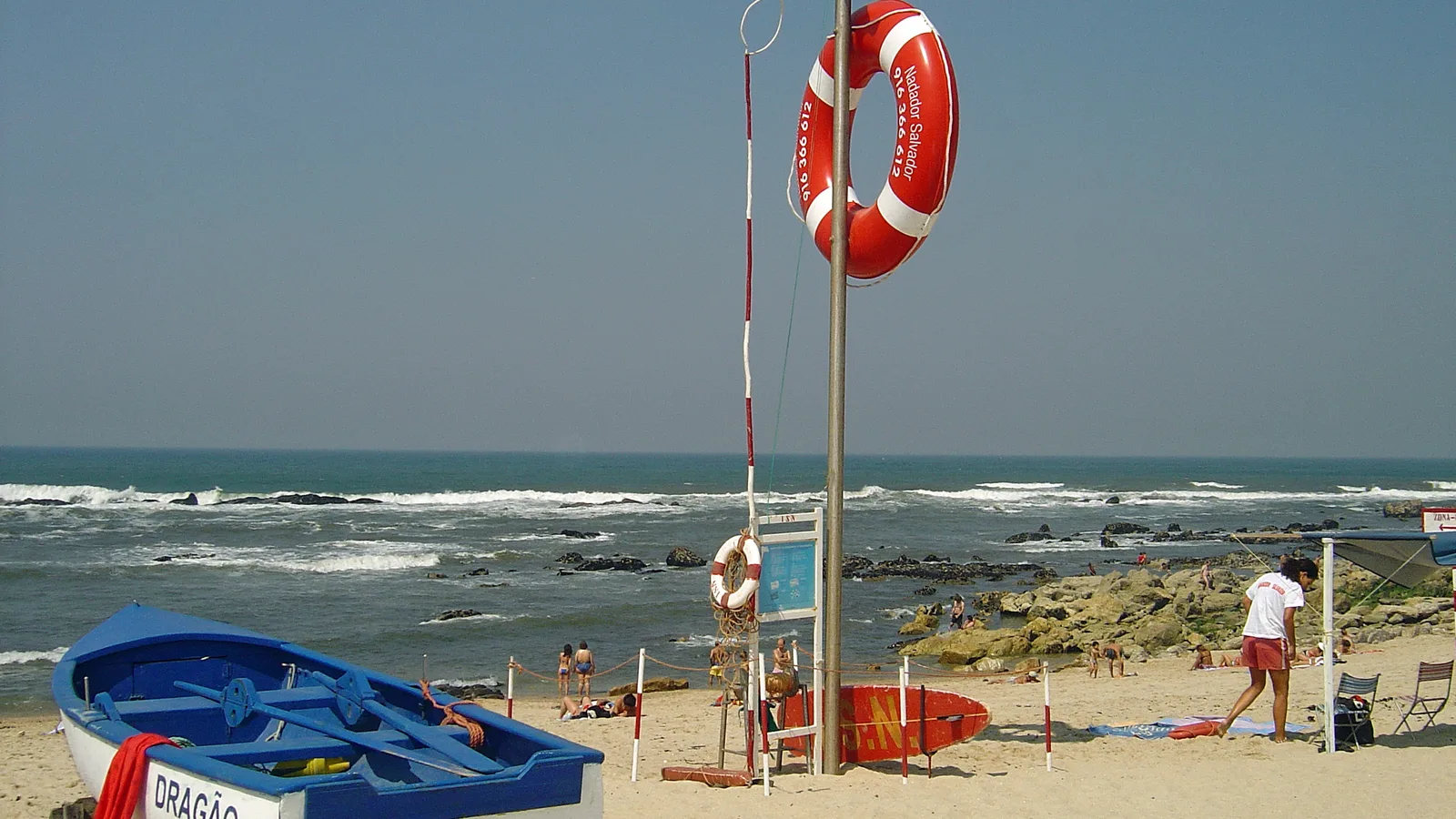
Miramar beach in Vila Nova de Gaia is an urban sandy beach with a wide, open shoreline broken only occasionally by small rock outcrops. To the north, the Chapel of the Lord of the Stone is visible across the water.
Quick Overview
Plan Your Visit to Miramar
The key facts before you go
About the Beach
What is Miramar?
Miramar is an urban beach in Vila Nova de Gaia, just across the Douro River from Porto. This extensive sandy beach has held Blue Flag status since 2002, marking its consistent water quality and safety standards. The beach stretches along the waterfront with occasional rock formations breaking up the sand, and you can see the Chapel of the Lord of the Stone standing on the headland to the north. The west-facing orientation means good afternoon light, and lifeguards are on duty during the swimming season. Local bathers return regularly for the calm conditions and reliable facilities that come with an established urban beach.
It sits alongside Blue Flag beaches in Porto, part of a broader network of Blue Flag certified beaches across Portugal certified annually by the Foundation for Environmental Education.
Visitor Feedback
What Visitors Say About Miramar
What visitors appreciate
- beach|chapel|rocks|clean beach|sandy area|calm beach|pleasant beach|iconic beach|blue flag|beach with rocks
- Well-staffed with lifeguards during season
- Excellent EU-rated bathing water quality
Points to consider
- Can be busy during July and August peak season
- Limited parking near the beach
- Facilities may be reduced outside peak months
Based on aggregated public visitor feedback. Themes are synthesised from multiple sources, not individual quotes. Zeach does not reproduce individual reviews.
Sunrise, Sunset & Beach Direction
Miramar faces west toward Atlantic Ocean. The best light for photography and swimming is typically in June, September. Direct sun hours follow that facing.
Planning
When to Go: Month by Month
| Month | Air Temp | Water Temp | Crowds |
|---|---|---|---|
| Jan | 10°C | 7°C | Low |
| Feb | 11°C | 8°C | Low |
| Mar | 12°C | 9°C | Low |
| Apr | 14°C | 11°C | Low |
| May | 16°C | 13°C | Low |
| Jun | 18°C | 15°C | Med |
| Jul | 21°C | 18°C | High |
| Aug | 20°C | 17°C | High |
| Sep | 19°C | 16°C | Med |
| Oct | 17°C | 14°C | Low |
| Nov | 13°C | 10°C | Low |
| Dec | 12°C | 9°C | Low |
The best time to visit Miramar is June, September. Air temperatures peak around 20.6°C in summer. Peak water temperature reaches 17.6°C in July.
How crowded does Miramar get?How busy does Miramar get? During summer weekends and Portuguese holidays, this urban beach attracts significant crowds, locals from Porto and Vila Nova de Gaia, plus day-trippers from further afield. The extensive sandy area helps distribute people, so even when busy, individual visitors and families can usually find space. Weekday mornings in shoulder seasons (May, September) tend to be quieter. The promenade above the beach is active year-round with walkers and cyclists, but actual water swimmers are concentrated in the warmer months (June through September). Winter sees the fewest bathers, though the beach doesn't close. The rock formations and varied topography mean different sections have different dynamics, the clearer sandy stretches toward the south tend to absorb more swimmers, while areas near rocks feel more secluded. The Chapel of the Lord of the Stone viewpoint draws significant foot traffic, so expect a steady stream of photographers and sightseers even outside peak beach season.
Is Miramar open year-round?The beach itself is accessible year-round, though staffed facilities including lifeguards typically operate only during the official season (15-06 – 13-09). The Blue Flag is displayed during the certification period only.
The Water
Swimming and Beach Life at Miramar
Is Miramar safe to swim?Miramar is Blue Flag certified, which requires meeting strict bathing water standards set by the EU Bathing Water Directive. Water quality is rated Excellent. Lifeguards are on duty during the official season.
What is the water temperature at Miramar?Peak water temperature at Miramar reaches around 17.6°C in July, making it comfortable for swimming during the summer months. In winter (January), air temperatures average 9.8°C.
What is the beach like at Miramar?Miramar's defining feature is its scale, this is a genuinely extensive sandy beach that rarely feels cramped even on busy days. The sand profile is consistent across most of the beach, though small rock formations interrupt the shoreline at intervals. These rocks create natural breakwaters that help keep the water calmer than you'd find on fully exposed beaches in the region. The Chapel of the Lord of the Stone dominates the northern view, a distinctive landmark that's been attracting visitors for centuries. Water quality is rated as Excellent, backed up by the Blue Flag designation since 2002. What conditions should you expect seasonally? Summer water temperatures peak around 17–18°C in July and August, cool by Mediterranean standards but manageable for most swimmers with acclimation. Water temperature reaches just under 14°C in May and drops to around 9°C by November. Winter temperatures (6.8–8.5°C) are for experienced swimmers or those in wetsuits. The beach faces west, which means afternoon sun illuminates the water and sand from mid-day onward. In winter and spring, incoming Atlantic swells occasionally reach Miramar, though the rock formations provide some shelter. Lifeguards are present during the designated bathing season, primarily summer months. The sandy profile makes entry straightforward for swimmers of varying abilities, with a gradual slope into deeper water in most areas. Facilities are typical of an urban beach, there are cafés and restaurants overlooking the sand, changing facilities, and good pedestrian access from the promenade.
Does Miramar have good facilities?As a Blue Flag certified beach, Miramar meets the Foundation for Environmental Education's standards for facilities and services. Trained lifeguards are on duty during the season. The beach has disabled access facilities.
Miramar sits on the Atlantic Ocean: explore all Blue Flag beaches on the Atlantic.
Planning a trip to Portugal? Blue Flag Beaches Portugal , our editorial guide to certified beaches across the country.
While You're Here
Beyond Miramar
Vila Nova de Gaia itself deserves exploration beyond Miramar. The riverfront directly across from Porto is lined with historic wine lodges (caves), many offering tastings and tours of Port wine production. The Dom Luís Bridge, Porto's iconic two-tier iron structure, is a short walk away and provides sweeping views of both the Douro River and the Atlantic coast. Porto city center, just across the river, contains medieval streets, the Livraria Clérigos tower, and the Ribeira district's narrow waterfront lanes. The coastal landscape extends north and south of Miramar. Felgueiras and Mindelo beaches are reachable by local transport if you want to sample other shorelines. The Chapel of the Lord of the Stone, visible from Miramar itself, can be visited for its historical and spiritual significance dating back centuries.
Transport
Getting to Miramar
How do I get to Miramar by car?Miramar is approximately 8.08 km from Vila Nova de Gaia. Follow local road signs to the beach. Check Google Maps or a local map for the most current directions.
What is the nearest airport to Miramar?The nearest airport is Francisco de Sá Carneiro Airport (OPO) (OPO), approximately 20.2 km away. Francisco de Sá Carneiro Airport (OPO) is 20 kilometers north of Miramar. From the airport, take the metro (Line A) into central Porto, a journey of around 30 minutes to the main stations downtown. From Porto's central stations (São Bento or Bolhão), you can take a local train or bus south toward Vila Nova de Gaia and Miramar. Alternatively, taxis and ride-sharing services operate from the airport and will take you directly to Miramar in approximately 25–35 minutes depending on traffic. The metro connection is reliable and economical if you're traveling light or want to explore Porto itself.
Can I get to Miramar by public transport?Local bus services connect Porto city center and Vila Nova de Gaia to Miramar. Journey times from central Porto are typically 20–30 minutes depending on route and traffic. The bus network is operated by the regional transport authority, and stops are clearly marked. Buses run regularly through the day, with reduced evening and weekend services.
Is there a train to Miramar?Miramar is served by local train connections within the greater Porto area. Regional trains run between Porto's central stations and Vila Nova de Gaia. The journey from central Porto takes 15–20 minutes depending on which line you use. Once you arrive in Vila Nova de Gaia, Miramar is accessible via a short walk or local bus connection from the station. Confirm the exact service schedules locally, as they adjust seasonally and by day of week.
Nearby
Near Miramar
Mapped toilets, bus stops, cafés, parking, and shops within about 500 m of Miramar. Distances are walking-line estimates from the beach pin.
Map loads when you ask. Tiles stay off the first paint.
Map: OpenStreetMap (ODbL)
Toilets near Miramar
- Public toilets Public toilets 287 m
- Public toilets Public toilets 377 m
Bus near Miramar
- Areal - Miramar Bus stop 75 m
- Senhor da Pedra (Rotunda Miramar) Bus stop 283 m
- Senhor da Pedra (Rotunda Miramar) Bus stop 328 m
- Senhor da Pedra (Rotunda Miramar) Bus stop 357 m
- Senhor da Pedra Bus stop 484 m
Cafés near Miramar
- Esplanada do Neca Café 15 m
- Esplanada do Bano Café 61 m
- Areal Café 87 m
- Sinfonia Amarela Café 236 m
- Solar Senhor da Pedra Restaurant 251 m
Parking near Miramar
- Parking Parking 45 m
- Parking Parking 80 m
- Parking Parking 89 m
- Parking Parking 113 m
- Parking Parking 141 m
Source: © OpenStreetMap contributors (ODbL). Names and positions come from mapped OSM features. Confirm on site.
Practical Details
Practical Information
| At the Beach | |
| Entry | Free: no charge to access the beach |
|---|---|
| Lifeguards | ✓ On duty during official season |
| Disabled Access | ✓ Accessible site facilities and water entry |
| Showers | ✗ |
| Toilets | ✗ |
| Official Season | 15 Jun – 13 Sep |
| Beach Type | Sandy beach |
| Visiting Information | |
| GPS Coordinates | 41.0674°N, 8.6564°W |
| Water Quality | Excellent (EU Bathing Water Directive) |
| Blue Flag Operator | Foundation for Environmental Education (FEE), Portugal |
Frequently Asked Questions
Miramar FAQ
Is Miramar worth visiting?
Yes, for its consistent water quality (Excellent rating, Blue Flag since 2002) and reliable urban facilities. The extensive sandy beach rarely feels overcrowded, and the distinctive Chapel of the Lord of the Stone viewpoint makes it distinct from other Porto-area beaches. It's worth visiting if you value established infrastructure, calm conditions due to protective rock formations, and proximity to Porto's attractions. Summer months offer the warmest water (17–18°C), though spring and autumn provide quieter conditions. Winter swimming requires wetsuits and experience.
How do I get to Miramar?
From Porto, take local trains or buses heading south toward Vila Nova de Gaia, journey time is 15–30 minutes depending on your starting point and transport mode. Francisco de Sá Carneiro Airport is 20 kilometers away; use the airport metro to central Porto, then connect onward. Taxis and ride-sharing also operate directly from the airport in 25–35 minutes. Miramar is walkable from central Vila Nova de Gaia if you don't mind a 15–20 minute stroll, particularly from the riverfront wine lodge areas.
What's the best time of year to visit?
June through September offers the warmest water (14–18°C) and most lifeguard cover. July and August are peak season with the warmest conditions but also the most crowded. May and September provide quieter, pleasant weather with still-swimmable water around 13–16°C. Spring (April–May) water temperatures range 10–13°C, manageable for acclimated swimmers. Winter (December–February) is for dedicated cold-water swimmers; air temperatures average 9–10°C and water drops to 6–8°C. Shoulder seasons offer good balance for sightseeing without water contact.
What facilities are there at Miramar?
The beach has lifeguard cover during the bathing season, changing facilities, and a promenade with cafés and restaurants overlooking the sand. It's an established urban beach with good pedestrian access and standard amenities. There are no explicit reports of issues with basic facilities, though you should confirm current opening hours and any seasonal closures locally. The rock formations and sandy profile mean entry is straightforward for most swimmers, with a gradual slope into deeper water.
Is Miramar suitable for families?
Yes. The extensive sandy beach, calm conditions (protected partly by rock formations), lifeguard presence, and nearby facilities make it family-friendly. The gradual entry slope is safe for children learning to swim. Restaurants and cafés on the promenade allow adults to supervise from nearby seating. The Chapel viewpoint provides a clear landmark for navigation. Water temperatures May–September are acceptable for most family outings. Winter conditions require older, experienced swimmers. The urban setting means you're never far from help or amenities.
Are there toilets near Miramar?
Yes. OpenStreetMap maps 2 toilet locations near Miramar, including 287 m away and 377 m away. Distances are walking-line estimates within about 500 m of the beach pin. Confirm opening hours on site; some facilities are seasonal. © OpenStreetMap contributors (ODbL).
Is there a bus near Miramar?
Yes. OpenStreetMap maps a public-transport stop 75 m from Miramar (Areal - Miramar), plus 4 more within about 500 m. Check current timetables before you travel. © OpenStreetMap contributors (ODbL).
Are there cafés near Miramar?
Yes. OpenStreetMap lists 5 cafés or restaurants near Miramar, including Esplanada do Neca (15 m), Esplanada do Bano (61 m), Areal (87 m), and Sinfonia Amarela (236 m). Hours and seasonal opening are not verified here. Check on the day. © OpenStreetMap contributors (ODbL).
Is there parking near Miramar?
Yes. OpenStreetMap maps parking 45 m from Miramar, with 5 lots or spaces inside about 500 m. Charges and time limits are not recorded here. © OpenStreetMap contributors (ODbL).
Explore More
Nearby Blue Flag Beaches
Editorial
From the Zeach Blog
Everything you need to know about what makes a beach qualify for Blue Flag status, from water quality to environmental education.
Read moreOur editorial team's pick of the standout Blue Flag beaches in Portugal, rated for family friendliness, scenery, and facilities.
Explore PortugalWhat the flag actually means, how certification works, and why a Blue Flag is a genuinely reliable signal, not just a marketing tool.
Read moreSources
- Foundation for Environmental Education: Blue Flag programme
- FEE site listing for Miramar
- ABAE (Associação Bandeira Azul da Europa)
- European Environment Agency: bathing water quality
Last verified September 2026. National operator pages and FEE listings are the primary certification sources.