Mira
Coimbra, Portugal: Excellent water quality
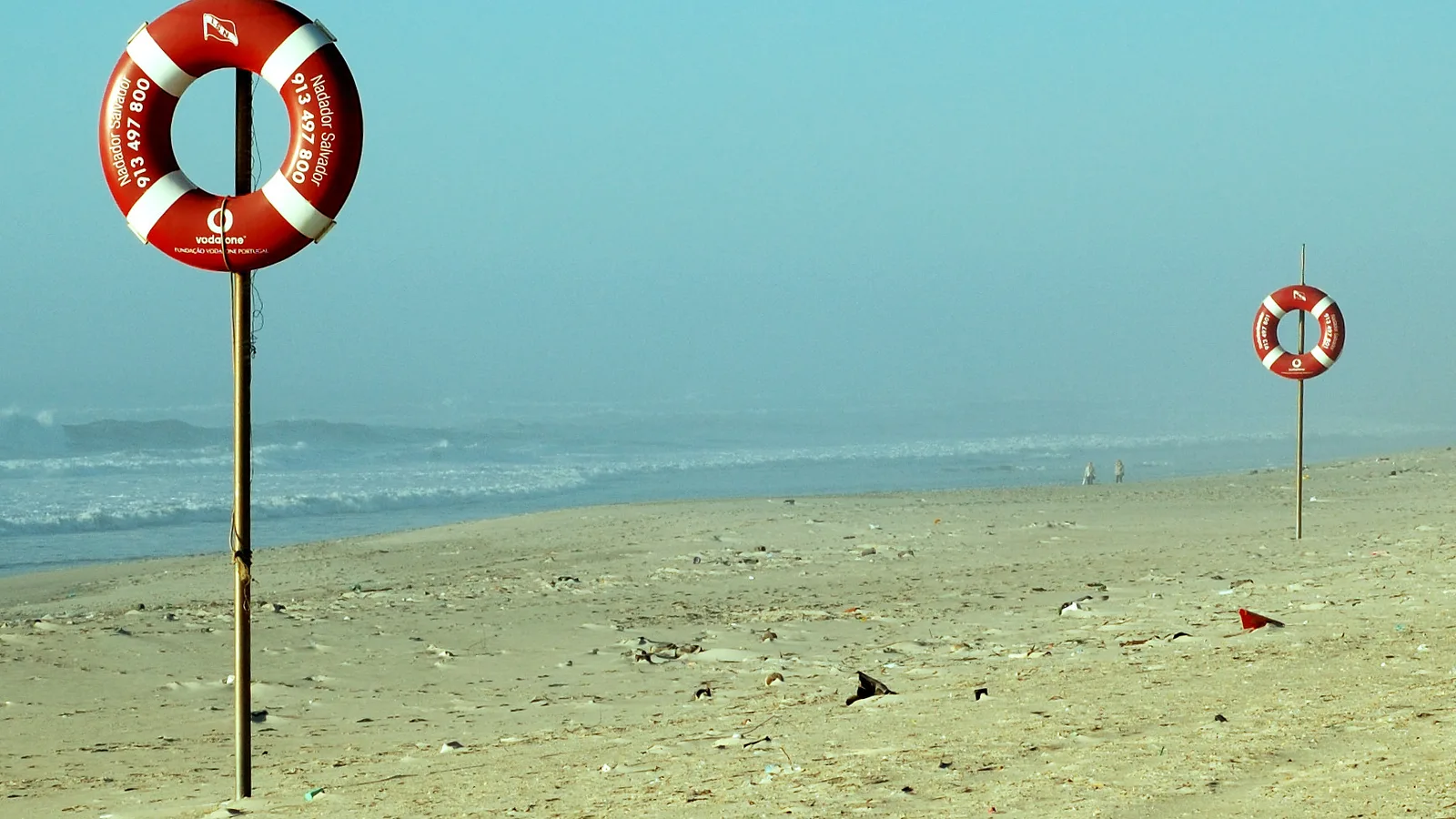
Praia de Mira holds a rare distinction: it's been awarded the Blue Flag continuously since 1987, the only beach in the world with that honor since the program's inception. Located on Portugal's central coast in Coimbra district, in Mira municipality, the beach stretches wide along…
Quick Overview
Plan Your Visit to Mira
The key facts before you go
About the Beach
What is Mira?
Praia de Mira holds a distinction no other beach in the world can claim: it has flown the Blue Flag continuously since the program's founding in 1987. Located on Portugal's central Atlantic coast in the Coimbra district, this wide sandy beach sits within a protected landscape of rolling dunes and extensive pine forest. The Barrinha pond adds freshwater contrast to the ocean setting, while the entire area falls under Natura 2000 protection as a Site of Community Importance. The fishing village of Praia de Mira maintains its maritime heritage through the practice of arte-xávega, a traditional seine fishing method still performed here with distinctive half-moon shaped boats. Beyond the beach, over 30 kilometers of pedestrian and cycling tracks wind through diverse habitats, connecting visitors to a coastline where conservation and coastal tradition coexist. With excellent bathing water quality and lifeguard supervision during the bathing season, Mira offers an authentic Portuguese beach experience backed by decades of environmental standards.
It sits alongside other certified beaches in Coimbra, part of a broader network of other Blue Flag beaches in Portugal certified annually by the Foundation for Environmental Education.
Sunrise, Sunset & Beach Direction
Mira faces east toward Atlantic Ocean. The best light for photography and swimming is typically in June, September. Direct sun hours follow that facing.
Planning
When to Go: Month by Month
| Month | Air Temp | Water Temp | Crowds |
|---|---|---|---|
| Jan | 10°C | 7°C | Low |
| Feb | 12°C | 9°C | Low |
| Mar | 13°C | 10°C | Low |
| Apr | 14°C | 11°C | Low |
| May | 17°C | 14°C | Low |
| Jun | 18°C | 15°C | Med |
| Jul | 20°C | 17°C | High |
| Aug | 20°C | 17°C | High |
| Sep | 19°C | 16°C | Med |
| Oct | 17°C | 14°C | Low |
| Nov | 14°C | 11°C | Low |
| Dec | 12°C | 9°C | Low |
The best time to visit Mira is June, September. Air temperatures peak around 20.4°C in summer. Peak water temperature reaches 17.4°C in July.
How crowded does Mira get?When is Praia de Mira busiest? Summer brings intense utilization, as the local description accurately states. July and August see the highest visitor numbers, coinciding with Portuguese school holidays and the warmest water temperatures of 17°C. Families dominate during these months, drawn by lifeguard services and the wide beach that accommodates larger crowds. Who visits Praia de Mira? The beach attracts primarily Portuguese visitors, particularly from the Coimbra region and central Portugal. Its location away from the main tourist corridors of Lisbon and the Algarve means international visitors remain fewer than at southern beaches. This creates a more local atmosphere, especially outside peak summer weeks. The shoulder seasons of June and September offer a different experience. Water temperatures remain reasonable for swimming at 15-16°C, air temperatures hover around 19-20°C, and beach space increases significantly. These months suit visitors who prefer fewer crowds while still accessing lifeguard services and beach facilities. Spring and autumn bring walkers and cyclists who use the extensive 30 kilometers of combined pedestrian-cycle tracks and 60 kilometers of footpaths. The protected natural areas attract nature-focused visitors year-round, though beach swimming becomes impractical as water temperatures fall below 14°C from October onward. Winter sees the beach at its quietest, visited mainly by locals, surfers in wetsuits, and those interested in watching traditional fishing operations that continue regardless of season.
Is Mira open year-round?The beach itself is accessible year-round, though staffed facilities including lifeguards typically operate only during the official season (13-06 – 13-09). The Blue Flag is displayed during the certification period only.
The Water
Swimming and Beach Life at Mira
Is Mira safe to swim?Mira is Blue Flag certified, which requires meeting strict bathing water standards set by the EU Bathing Water Directive. Water quality is rated Excellent. Lifeguards are on duty during the official season.
What is the water temperature at Mira?Peak water temperature at Mira reaches around 17.4°C in July, making it comfortable for swimming during the summer months. In winter (January), air temperatures average 10.4°C.
What is the beach like at Mira?What makes Praia de Mira worth the journey? The answer lies in a combination of consistent water quality, protected natural surroundings, and living maritime tradition found nowhere else in quite this form. The beach faces east, which shapes its character throughout the day. Morning light arrives directly over the water, while afternoon hours bring the sun behind you as you face the Atlantic. This orientation also influences wave patterns and wind exposure, creating conditions that have supported both swimming and traditional fishing for generations. How cold is the water at Praia de Mira? The Atlantic here follows a predictable seasonal pattern. Winter months see temperatures drop to around 7-9°C from December through February, too cold for casual swimming without a wetsuit. Spring brings gradual warming through March and April, reaching approximately 11°C by late spring. The swimming season proper arrives in June when water temperatures climb to around 15°C, peaking at 17°C during July and August. September remains swimmable at roughly 16°C before autumn cooling sets in. These temperatures reflect the beach's position on the cooler northern Portuguese coast rather than the warmer Algarve waters to the south. Air temperatures complement the water conditions, with summer months averaging around 20°C in July, August, and September. This moderate coastal climate avoids the extreme heat found further inland while providing comfortable beach conditions during peak season. The beach itself stretches wide, backed by sand dunes that form part of the Natura 2000 protected zone. This classification recognizes the area's ecological importance, including multiple habitat types that support high biodiversity. Pine forest extends behind the dunes, creating a green backdrop that contrasts with the sandy coastline. Lifeguards patrol during the bathing season, providing supervised swimming areas essential for a beach facing open Atlantic waters. The excellent bathing water quality rating confirms that the environmental standards underpinning the continuous Blue Flag status translate into actual conditions. What distinguishes Praia de Mira from other Portuguese beaches? The arte-xávega fishing tradition provides a living connection to practices largely abandoned elsewhere. These traditional fishing operations use specific boat designs and collaborative beach-based hauling techniques that have continued here while disappearing from most of the coast. Watching the half-moon boats and their crews work offers insight into maritime culture that predates modern tourism. The Barrinha pond nearby provides a different water experience, particularly relevant for those who find Atlantic temperatures challenging. This freshwater lagoon sits close to the beach, offering calmer conditions and an alternative swimming environment. Accommodation options range from hotels overlooking either sea or forest to camping facilities in the pine woods, including bungalow options at a lakeside park near the coast. This variety allows visitors to match their lodging to their preferences while remaining close to the beach.
Does Mira have good facilities?As a Blue Flag certified beach, Mira meets the Foundation for Environmental Education's standards for facilities and services. Trained lifeguards are on duty during the season. Toilet facilities are on site. Parking is available nearby. The beach has disabled access facilities.
Mira sits on the Atlantic Ocean: explore all Blue Flag beaches on the Atlantic.
Planning a trip to Portugal? Blue Flag Beaches Portugal , our editorial guide to certified beaches across the country.
While You're Here
Beyond Mira
The village of Praia de Mira preserves its fishing heritage through several cultural sites. The Ethnographic Museum and Mira's Gândara Territory documents local traditions and the distinctive coastal lifestyle that developed here. Mira's parish church and the chapel of Nossa Senhora da Conceição, located near the fisherman statue, represent the religious architecture typical of Portuguese coastal communities. Typical constructions throughout the village reflect traditional building methods, while water mills in the area recall pre-industrial grain processing. These nostalgic mills offer glimpses into the agricultural practices that complemented fishing in the local economy. Nature trails provide structured access to the protected habitats. Six designated footpaths covering over 60 kilometers allow exploration of dune systems, pine forest, and wetland areas that earned Natura 2000 classification. The 30 kilometers of combined pedestrian-cycle track suit both walkers and cyclists seeking longer routes. Local cuisine emphasizes both sea and land. Baked fish dishes and fish stews showcase the catch from arte-xávega fishing, while heartier meals feature pork preparations including sarrabulho and rojões, traditional dishes from the Beira region.
Transport
Getting to Mira
How do I get to Mira by car?Mira is approximately 0.04 km from Praia de Mira. Follow local road signs to the beach. Check Google Maps or a local map for the most current directions.
What is the nearest airport to Mira?The nearest airport is Viseu Airport (VSE) (VSE), approximately 82.8 km away. The nearest airport to Praia de Mira is Viseu Airport (VSE), located approximately 83 kilometers inland. However, Viseu serves primarily general aviation rather than scheduled commercial flights. Most visitors arriving by air use Porto Airport (OPO), roughly 130 kilometers north, which offers extensive international and domestic connections. Lisbon Airport provides an alternative approximately 200 kilometers south. From either major airport, reaching Praia de Mira requires ground transportation, whether by rental car, bus connection, or combination of train and local transport. The drive from Porto takes approximately 90 minutes via the A1 motorway and connecting roads through the Coimbra district.
Can I get to Mira by public transport?Bus services connect Praia de Mira to Coimbra and other regional centers, though schedules may be limited outside summer months. Check current timetables with Rede Expressos or regional operators for connections from Coimbra. During peak season, services typically increase to accommodate beach visitors.
Is there a train to Mira?Portugal's rail network connects major cities but does not reach Praia de Mira directly. The nearest significant rail station is Coimbra-B, the main intercity station serving the Coimbra region. Trains from Porto and Lisbon stop here regularly. From Coimbra, you will need to arrange onward transport to the coast, a distance of roughly 40 kilometers. Options include local bus services, taxi, or rental car. The journey from Coimbra to the beach takes approximately 45 minutes by road.
Map
Find Mira
Open the map or get directions to the Mira pin. Amenity names are listed here only when OpenStreetMap has a mapped feature nearby.
Map loads when you ask. Tiles stay off the first paint.
Map: OpenStreetMap (ODbL)
Practical Details
Practical Information
| At the Beach | |
| Entry | Free: no charge to access the beach |
|---|---|
| Lifeguards | ✓ On duty during official season |
| Disabled Access | ✓ Accessible site facilities and water entry |
| Showers | ✗ |
| Toilets | ✓ Available during season |
| Official Season | 13 Jun – 13 Sep |
| Beach Type | Sandy beach |
| Parking | ✓ Available nearby (street-side parking) |
| Nearest supermarket | 80 m from the beach |
| Visiting Information | |
| GPS Coordinates | 40.4559°N, 8.8029°W |
| Water Quality | Excellent (EU Bathing Water Directive) |
| Blue Flag Operator | Foundation for Environmental Education (FEE), Portugal |
Frequently Asked Questions
Mira FAQ
Is Praia de Mira worth visiting?
Praia de Mira merits a visit for its unique distinction as the only beach worldwide holding the Blue Flag since the program began in 1987. The excellent bathing water quality backs this record with actual conditions. Beyond the beach itself, the protected Natura 2000 landscape, traditional arte-xávega fishing still practiced with half-moon boats, and extensive trail network through diverse habitats provide experiences unavailable at more developed coastal resorts. The authentic fishing village atmosphere appeals to visitors seeking Portuguese coastal culture rather than international tourist infrastructure.
How do I get to Praia de Mira?
Most visitors arrive by car, with Porto Airport approximately 130 kilometers north offering the closest major international connections. The drive takes roughly 90 minutes via the A1 motorway. From Lisbon, expect approximately two hours. Train travelers can reach Coimbra-B station, then connect via bus or taxi for the remaining 40 kilometers to the coast. Local bus services operate from Coimbra, with increased frequency during summer months. The nearest listed airport is Viseu at 83 kilometers, though it handles primarily general aviation rather than scheduled flights.
Best time of year?
July and August offer the warmest water temperatures at around 17°C and guaranteed lifeguard presence, though crowds peak during these months. June and September provide a balance of swimmable water temperatures (15-16°C), pleasant air temperatures near 19-20°C, and reduced visitor numbers. Spring and autumn suit walkers and cyclists exploring the 90 kilometers of trails through protected habitats. Winter appeals to those interested in observing traditional fishing or experiencing the coast in solitude, though water temperatures around 7-9°C require wetsuits for any swimming.
What facilities are there?
Praia de Mira provides lifeguard supervision during the bathing season, essential for an Atlantic-facing beach. The village offers accommodation ranging from hotels with sea or forest views to camping facilities in the pine forest, including bungalow options at a lakeside park. The Ethnographic Museum documents local heritage. Restaurant options serve traditional local cuisine including fish dishes and regional pork specialties. A 30-kilometer pedestrian-cycle track and six footpaths totaling over 60 kilometers provide recreational infrastructure beyond the beach itself.
Is it suitable for families?
The wide beach, lifeguard presence during bathing season, and excellent water quality ratings make Praia de Mira appropriate for families. The relatively moderate summer air temperatures around 20°C prevent the extreme heat found inland. Water temperatures reaching 17°C in peak summer remain cool but manageable for children. The nearby Barrinha pond offers calmer freshwater swimming as an alternative to Atlantic waves. The cycling and walking trails suit active families, while the ethnographic museum and traditional fishing demonstrations provide educational elements beyond beach time.
Explore More
Nearby Blue Flag Beaches
Editorial
From the Zeach Blog
Everything you need to know about what makes a beach qualify for Blue Flag status, from water quality to environmental education.
Read moreOur editorial team's pick of the standout Blue Flag beaches in Portugal, rated for family friendliness, scenery, and facilities.
Explore PortugalWhat the flag actually means, how certification works, and why a Blue Flag is a genuinely reliable signal, not just a marketing tool.
Read moreSources
- Foundation for Environmental Education: Blue Flag programme
- FEE site listing for Mira
- ABAE (Associação Bandeira Azul da Europa)
- European Environment Agency: bathing water quality
Last verified September 2026. National operator pages and FEE listings are the primary certification sources.