Maspalomas
Canary Islands, Spain: Excellent water quality
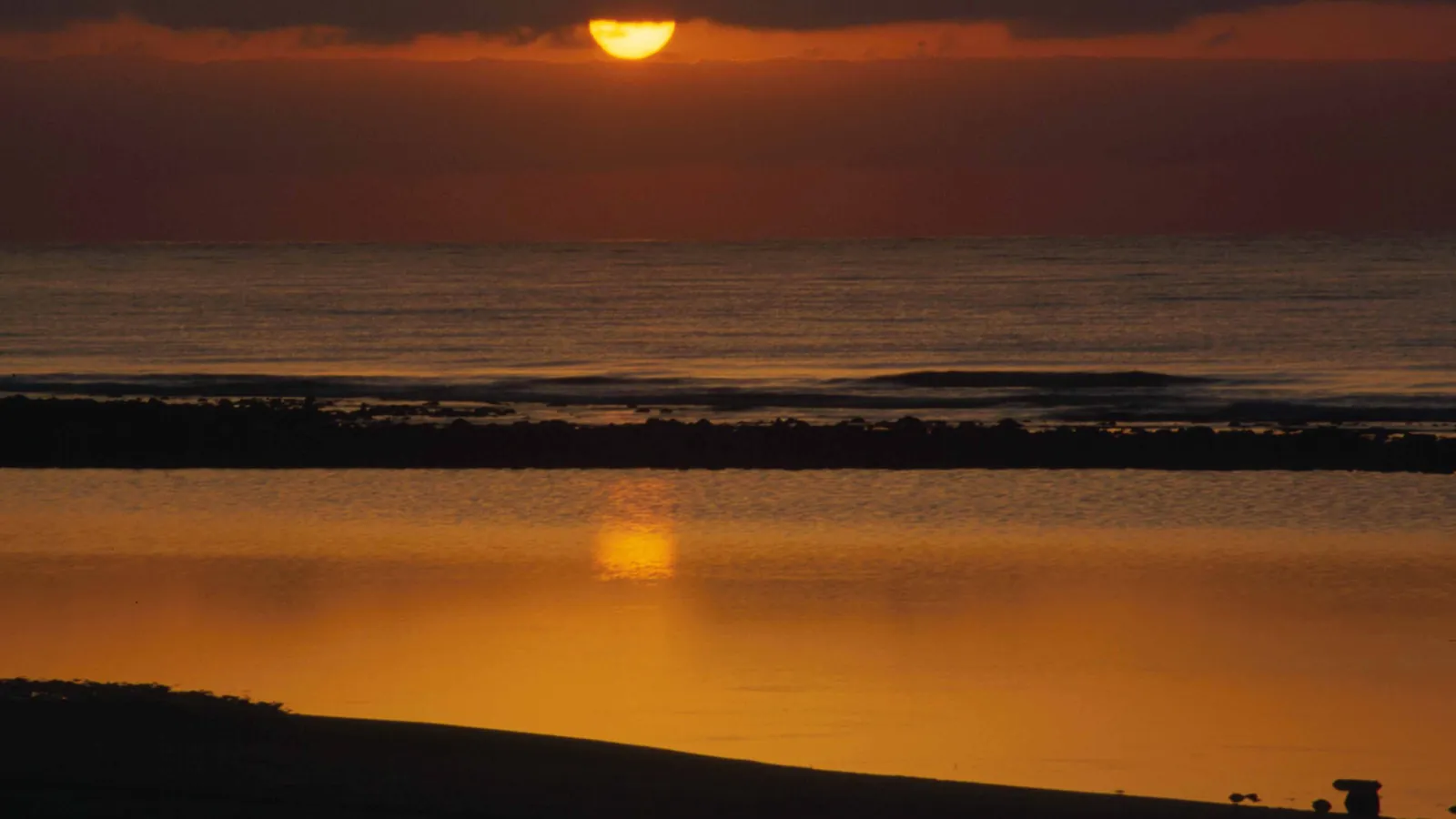
Playa de Maspalomas is a fine-sand urban beach in the south of Gran Canaria, in San Bartolomé de Tirajana municipality. The beach has sports facilities, rental car services, and nearby accommodation options.
Quick Overview
Plan Your Visit to Maspalomas
The key facts before you go
About the Beach
What is Maspalomas?
Maspalomas is a major beach destination in the south of Gran Canaria, stretching along the coast near San Bartolomé de Tirajana. The beach itself features fine sand and a west-facing aspect, making it a reliable spot for consistent conditions. What sets Maspalomas apart is its unique geography: the beach adjoins the famous Maspalomas Dunes Natural Reserve, a protected area of substantial sand formations that create a distinctive landscape unlike typical European beaches. The beach has lifeguard coverage and maintains excellent bathing water quality. Beyond the main beach, you'll find La Charca lagoon and the Maspalomas Lighthouse at the western end, with the rocky Playa de Las Mujeres beyond that. The area is well-developed with rental facilities, accommodation options, and sports installations, making it accessible for various visitor needs.
It sits alongside other certified beaches in Canary Islands, part of a broader network of other Blue Flag beaches in Spain certified annually by the Foundation for Environmental Education.
Sunrise, Sunset & Beach Direction
Maspalomas faces west toward Atlantic Ocean. The best light for photography and swimming is typically in April, May, June. Direct sun hours follow that facing.
Planning
When to Go: Month by Month
| Month | Air Temp | Water Temp | Crowds |
|---|---|---|---|
| Jan | 18°C | 15°C | Med |
| Feb | 19°C | 16°C | Med |
| Mar | 19°C | 16°C | Med |
| Apr | 19°C | 16°C | High |
| May | 21°C | 18°C | High |
| Jun | 23°C | 20°C | High |
| Jul | 26°C | 23°C | High |
| Aug | 27°C | 24°C | High |
| Sep | 25°C | 22°C | High |
| Oct | 24°C | 21°C | Med |
| Nov | 21°C | 18°C | Med |
| Dec | 19°C | 16°C | Med |
The best time to visit Maspalomas is April, May, June. Air temperatures peak around 25.7°C in summer. Peak water temperature reaches 22.7°C in July.
How crowded does Maspalomas get?Maspalomas is a well-established resort beach, so expecting quiet solitude isn't realistic. The beach is urban, meaning it's integrated into a developed coastal area with infrastructure, facilities, and visitor capacity to match. Summer months, particularly July and August when water temperatures reach their peak at 22-24°C, draw the heaviest crowds. This is when water conditions are genuinely warm and comfortable, so you'll share the beach with other swimmers taking advantage of the season. What affects crowding patterns here? The proximity of Playa del Inglés immediately to the east means people move between these beaches, and the bus station at the end of Avenida Cristobal Colon funnels visitors through the area. Lifeguard presence suggests the beach manages visitor numbers with some supervision. The sports installations and rental facilities indicate organized, popular use rather than casual, low-key beach time. Winter months from November through June see fewer visitors because water temperatures drop significantly. January and February average just 15-16°C, making casual swimming uncomfortable for most people. The developed nature of Maspalomas means you're never looking at an empty beach, but seasonal differences do create quieter periods. Visiting outside peak summer months will mean fewer crowds, though you'll be swimming in cooler water unless you're specifically cold-water capable.
Is Maspalomas open year-round?The beach itself is accessible year-round, though staffed facilities including lifeguards typically operate only during the official season (01-01 – 31-12). The Blue Flag is displayed during the certification period only.
The Water
Swimming and Beach Life at Maspalomas
Is Maspalomas safe to swim?Maspalomas is Blue Flag certified, which requires meeting strict bathing water standards set by the EU Bathing Water Directive. Water quality is rated Excellent. Lifeguards are on duty during the official season.
What is the water temperature at Maspalomas?Peak water temperature at Maspalomas reaches around 22.7°C in July, making it comfortable for swimming during the summer months. In winter (January), air temperatures average 18°C.
What is the beach like at Maspalomas?Maspalomas beach itself is a straightforward urban beach with fine sand, running west from Punta de Maspalomas where it meets the east-facing Playa del Inglés. The water quality is consistently excellent, which you'll notice when swimming here. The beach faces west, which influences both light conditions and swell patterns throughout the day. If you're thinking about water temperatures, summer months are when the sea becomes genuinely swimmable. August peaks at 24°C, and the reliable swim season runs from July through October. Even in winter months like January and February, water temperatures sit around 15-16°C, manageable for experienced swimmers but challenging for casual bathing. The air temperature profile is more forgiving, with July and August reaching 25-27°C, though even winter sees average air temperatures around 18°C. The beach infrastructure includes lifeguards, making it a supervised bathing area. Sports installations are available if you're interested in beach activities beyond swimming. What distinguishes Maspalomas from other Gran Canaria beaches is its proximity to the dunes, you can access the Maspalomas Dunes Natural Reserve through a large arched entrance on Avenida de Tirajana. This protected natural area sits directly adjacent to the urban beach, creating an unusual combination of developed beach amenities alongside a significant natural landscape. At the western end of the main beach, La Charca lagoon and the Maspalomas Lighthouse mark natural features worth exploring. The rocky Playa de Las Mujeres extends farther west if you're interested in exploring beyond the main sand area. The beach composition and protected water quality make it reliable for regular swimming throughout the year, though seasonal temperature variations will significantly affect comfort levels depending on your cold-water tolerance.
Does Maspalomas have good facilities?As a Blue Flag certified beach, Maspalomas meets the Foundation for Environmental Education's standards for facilities and services. Trained lifeguards are on duty during the season. Showers are available. Toilet facilities are on site. Parking is available nearby. The beach has disabled access facilities.
Maspalomas sits on the Atlantic Ocean: explore all Blue Flag beaches on the Atlantic.
Planning a trip to Spain? Blue Flag Beaches Spain 2026 , our editorial guide to certified beaches across the country.
While You're Here
Beyond Maspalomas
The Maspalomas Dunes Natural Reserve is the major draw beyond the beach itself. This protected area is accessed through a large arched entrance on Avenida de Tirajana and offers a substantial landscape of sand formations you won't find on typical European beaches. Walking through the dunes provides distinct environmental contrast to the developed beach area. The Juncalillo del Sur Scientific Interest Site is another designated natural area nearby, indicating the region has recognized ecological value worth protecting. At the western end of the main beach, La Charca lagoon and the Maspalomas Lighthouse provide focal points for exploration, the lighthouse is a visible landmark and the lagoon creates a different water environment from the open beach. Rocky Playa de Las Mujeres extends beyond these features if you want to explore different beach geology. San Bartolomé de Tirajana is the municipality containing Maspalomas, so town facilities and services beyond beach-specific amenities would be available in that direction. The proximity of Playa del Inglés to the east means you can easily reach that major resort area if you're interested in different beach environments or want to compare conditions.
Transport
Getting to Maspalomas
How do I get to Maspalomas by car?Maspalomas is approximately 21.17 km from San Bartolomé de Tirajana. Follow local road signs to the beach. Check Google Maps or a local map for the most current directions.
What is the nearest airport to Maspalomas?The nearest airport is Gran Canaria Airport (LPA) (LPA), approximately 30.0 km away. Gran Canaria Airport (LPA) is located 30km from Maspalomas, making it the practical entry point for most visitors. The airport handles regular international flights, connecting to mainland Spain and wider European destinations. From the airport, ground transportation options to Maspalomas include rental car services and taxi options. The 30km distance is manageable in under an hour by car in normal traffic conditions. If you're driving, the route is straightforward via the main road network south toward San Bartolomé de Tirajana. Rental car availability at the airport gives you flexibility for exploring the wider Gran Canaria region beyond Maspalomas itself. Alternatively, taxi services operate from the airport, though journey costs will reflect the distance traveled.
Can I get to Maspalomas by public transport?Bus services operate from the Maspalomas bus station, positioned at the end of Avenida Cristobal Colon near the lighthouse. From here, buses connect to Playa del Inglés and other resort areas and towns across south Gran Canaria. This makes the bus station a logical transport hub if you're moving between different coastal areas. Taxis also operate from the bus station, providing alternative transport options for reaching other parts of the region. The nearest recorded bus stop is 425 m from the beach.
Nearby
Near Maspalomas
Mapped toilets, bus stops, cafés, parking, and shops within about 500 m of Maspalomas. Distances are walking-line estimates from the beach pin.
Map loads when you ask. Tiles stay off the first paint.
Map: OpenStreetMap (ODbL)
Toilets near Maspalomas
- Public toilets Public toilets 36 m
- Public toilets Public toilets 98 m
- Public toilets Public toilets 120 m
- Public toilets Public toilets 136 m
- Public toilets Public toilets 260 m
Bus near Maspalomas
- Faro de Maspalomas (Andén 6) Bus stop 425 m
- Faro de Maspalomas (Andén 4) Bus stop 427 m
- Estación Faro de Maspalomas Bus station 435 m
- Faro de Maspalomas (Andén 1) Bus stop 443 m
- Faro de Maspalomas (Andén 3) Bus stop 443 m
Cafés near Maspalomas
- Castus Faro Restaurant 65 m
- El Oasis Restaurant 83 m
- FEI TENG Restaurant 105 m
- Dunna Restaurant Restaurant 118 m
- La Bodega Restaurant 149 m
Parking near Maspalomas
- Parking Parking 107 m
- Parking Parking 131 m
- Plaza de las Palermas Parking 132 m
- Plaza de las Palermas Parking 138 m
- Plaza de las Palermas Parking 138 m
Source: © OpenStreetMap contributors (ODbL). Names and positions come from mapped OSM features. Confirm on site.
Practical Details
Practical Information
| At the Beach | |
| Entry | Free: no charge to access the beach |
|---|---|
| Lifeguards | ✓ On duty during official season |
| Disabled Access | ✓ Accessible site facilities and water entry |
| Showers | ✓ Available during season |
| Toilets | ✓ Available during season |
| Official Season | 01 Jan – 31 Dec |
| Beach Type | Sandy beach |
| Parking | ✓ Available nearby (street-side parking) |
| Nearest supermarket | 310 m from the beach |
| Nearest bus stop | 425 m from the beach |
| Visiting Information | |
| GPS Coordinates | 27.7359°N, 15.5956°W |
| Water Quality | Excellent (EU Bathing Water Directive) |
| Blue Flag Operator | Foundation for Environmental Education (FEE), Spain |
Frequently Asked Questions
Maspalomas FAQ
Is Maspalomas worth visiting?
Maspalomas offers reliable beach conditions with excellent bathing water quality and a distinctive setting adjacent to the Maspalomas Dunes Natural Reserve. The beach has proper lifeguard coverage, sports facilities, and established accommodation and rental infrastructure. If you're specifically interested in warm-water swimming, the July-October period makes it worthwhile. However, it's a developed, busy urban beach rather than a secluded spot. The combination of beach access, dune landscape, and wider south Gran Canaria location provides practical appeal for various visitor needs.
How do I get to Maspalomas?
Gran Canaria Airport (LPA) sits 30km away, accessible by rental car or taxi in under an hour. Once in the area, the Maspalomas bus station at the end of Avenida Cristobal Colon provides local connections to Playa del Inglés and other towns in south Gran Canaria. Taxis operate from the bus station. If you're driving, routes to the beach are straightforward via main road networks leading south toward San Bartolomé de Tirajana municipality. The infrastructure supports various arrival and movement options depending on your preference.
What's the best time of year to visit Maspalomas?
July through October offers genuinely swimmable water temperatures, peaking at 24°C in August. This is when the beach is most crowded but most comfortable for swimming. If you want to avoid crowds, winter months are quieter but water temperatures drop to 15-16°C in January-February, manageable only for experienced cold-water swimmers. Air temperatures remain reasonable year-round, with summer averaging 25-27°C and winter around 18°C. Your choice depends on balancing water temperature comfort against crowd levels.
What facilities are there at Maspalomas?
The beach has lifeguard coverage and sports installations for active beach use. Rental car, accommodation options, and various services are available in the developed area. The Maspalomas bus station provides transport connections. However, specific details about individual facilities like changing rooms, showers, or food vendors aren't detailed in available information. The urban beach setting means facilities exist, but checking current availability before your visit is advisable for specific requirements.
Is Maspalomas suitable for families?
The beach's lifeguard presence, facilities, and accommodation options support family visits. However, the urban, busy character means it's not a quiet family retreat. Summer water temperatures of 22-24°C are comfortable for children, while winter temperatures become challenging. The proximity of the Maspalomas Dunes Natural Reserve offers non-beach activity options. The beach's accessibility via buses and taxi services and established infrastructure support practical family movement, though the developed, resort-style environment suits organized family visits rather than seeking seclusion.
Are there toilets near Maspalomas?
Yes. OpenStreetMap maps 5 toilet locations near Maspalomas, including 36 m away, 98 m away, 120 m away, and 136 m away. Distances are walking-line estimates within about 500 m of the beach pin. Confirm opening hours on site; some facilities are seasonal. © OpenStreetMap contributors (ODbL).
Is there a bus near Maspalomas?
Yes. OpenStreetMap maps a public-transport stop 425 m from Maspalomas (Faro de Maspalomas (Andén 6)), plus 4 more within about 500 m. Check current timetables before you travel. © OpenStreetMap contributors (ODbL).
Are there cafés near Maspalomas?
Yes. OpenStreetMap lists 5 cafés or restaurants near Maspalomas, including Castus Faro (65 m), El Oasis (83 m), FEI TENG (105 m), and Dunna Restaurant (118 m). Hours and seasonal opening are not verified here. Check on the day. © OpenStreetMap contributors (ODbL).
Is there parking near Maspalomas?
Yes. OpenStreetMap maps parking 107 m from Maspalomas, with 5 lots or spaces inside about 500 m. Charges and time limits are not recorded here. © OpenStreetMap contributors (ODbL).
Explore More
Nearby Blue Flag Beaches
Editorial
From the Zeach Blog
Everything you need to know about what makes a beach qualify for Blue Flag status, from water quality to environmental education.
Read moreOur editorial team's pick of the standout Blue Flag beaches in Spain, rated for family friendliness, scenery, and facilities.
Explore SpainWhat the flag actually means, how certification works, and why a Blue Flag is a genuinely reliable signal, not just a marketing tool.
Read moreSources
- Foundation for Environmental Education: Blue Flag programme
- FEE site listing for Maspalomas
- ADEAC (Asociación de Educación Ambiental y del Consumidor)
- European Environment Agency: bathing water quality
Last verified September 2026. National operator pages and FEE listings are the primary certification sources.