Marineta Cassiana
Valencian Community, Spain: Excellent water quality
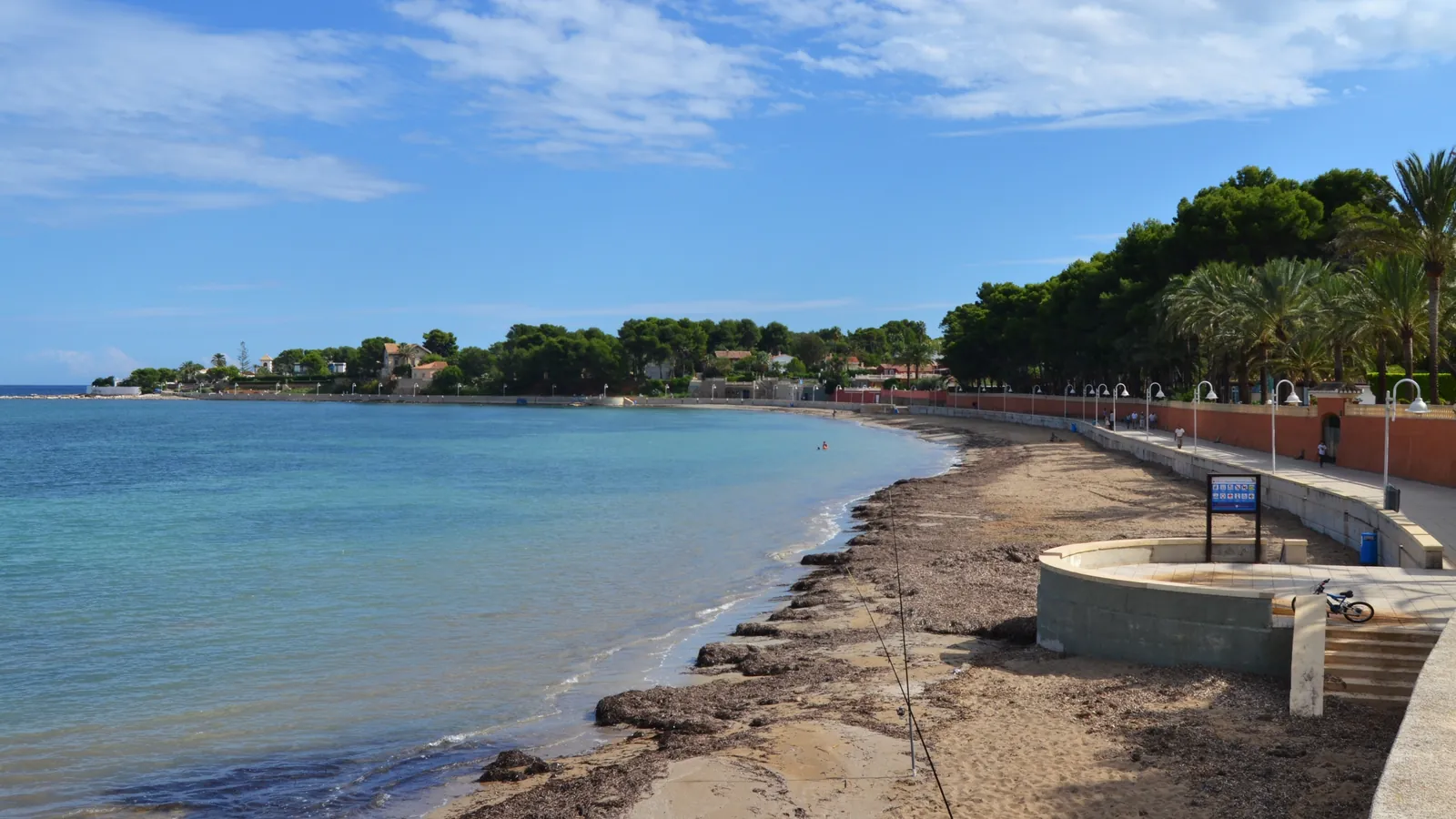
Fine sand beach in the heart of Denia. Lifeguards are on duty during summer months. The beach has sports facilities and accessible amenities for visitors with disabilities. It's close to the Montgó Natural Park and Cabo de San Antonio Marine Reserve. For more information, visit…
Quick Overview
Plan Your Visit to Marineta Cassiana
The key facts before you go
About the Beach
What is Marineta Cassiana?
Marineta Cassiana is an urban beach located in Dénia, on Spain's Costa Blanca in the Valencian Community. Situated on the southern-facing coastline, this fine sand beach offers excellent bathing water quality and reliable lifeguard presence throughout the swimming season. The beach sits within proximity to natural sites and environmental education facilities, including the Natural Park of Montgó and the Cabo de San Antonio Reserve. With water temperatures reaching 23.6°C in August and accessible sports and handicap facilities, Marineta Cassiana serves as a practical coastal option for swimmers and families exploring the Dénia area.
It sits alongside Blue Flag beaches in Valencian Community, part of a broader network of Blue Flag certified beaches across Spain certified annually by the Foundation for Environmental Education.
Sunrise, Sunset & Beach Direction
Marineta Cassiana faces south toward Mediterranean Sea. The best light for photography and swimming is typically in June. Direct sun hours follow that facing.
Planning
When to Go: Month by Month
| Month | Air Temp | Water Temp | Crowds |
|---|---|---|---|
| Jan | 12°C | 9°C | Low |
| Feb | 13°C | 10°C | Low |
| Mar | 14°C | 11°C | Low |
| Apr | 16°C | 13°C | Low |
| May | 19°C | 16°C | Low |
| Jun | 23°C | 20°C | Med |
| Jul | 26°C | 23°C | High |
| Aug | 27°C | 24°C | High |
| Sep | 24°C | 21°C | Med |
| Oct | 20°C | 17°C | Low |
| Nov | 16°C | 13°C | Low |
| Dec | 14°C | 11°C | Low |
The best time to visit Marineta Cassiana is June. Air temperatures peak around 26.2°C in summer. Peak water temperature reaches 23.2°C in July.
How crowded does Marineta Cassiana get?What kind of crowds does Marineta Cassiana see? As an urban beach within Dénia, foot traffic varies with season and day of the week rather than remaining consistently quiet. During July and August, expect concentrated visitor numbers typical of peak Mediterranean beach season. Spanish holiday patterns (particularly August when many Spaniards take vacation) will noticeably increase presence. Weekends throughout summer attract more visitors than weekdays. The beach's facilities and lifeguard presence indicate it's designed to handle regular visitor volume. Sports facilities suggest active use beyond simple sunbathing, with activities generating additional activity on the sand. The nearby information office for the Natural Park brings educational groups and nature-focused visitors, particularly during school terms. What about quieter periods? June and September see fewer crowds than peak July-August, though swimming conditions remain good (water temperatures at 20.4°C in June and 21°C in September). Spring months (April-May) are substantially quieter, though water temperatures climb steadily. Winter is genuinely quiet. January through March bring minimal beach users, partly due to cooler air temperatures (12.1°C in January) despite the beach being accessible year-round. The urban location means Marineta Cassiana doesn't offer isolation, even at quietest times. However, this same characteristic provides reliable access to facilities and amenities without extensive travel.
Is Marineta Cassiana open year-round?The beach itself is accessible year-round, though staffed facilities including lifeguards typically operate only during the official season (01-06 – 30-09). The Blue Flag is displayed during the certification period only.
The Water
Swimming and Beach Life at Marineta Cassiana
Is Marineta Cassiana safe to swim?Marineta Cassiana is Blue Flag certified, which requires meeting strict bathing water standards set by the EU Bathing Water Directive. Water quality is rated Excellent. Lifeguards are on duty during the official season.
What is the water temperature at Marineta Cassiana?Peak water temperature at Marineta Cassiana reaches around 23.2°C in July, making it comfortable for swimming during the summer months. In winter (January), air temperatures average 12.1°C.
What is the beach like at Marineta Cassiana?Marineta Cassiana is a sandy beach with fine, light-coloured sand typical of this stretch of the Costa Blanca. What makes this beach distinct is its positioning as an urban beach within Dénia, meaning direct access to town amenities rather than isolation. The southern-facing orientation provides consistent daylight exposure, which is useful if you're planning a full day by the water. Water quality here rates as excellent according to bathing water quality assessments. The seafloor shelves gradually, which is worth noting if you're bringing children or less confident swimmers. The beach experiences typical Mediterranean conditions, calm periods are common, though seasonal wind patterns can affect surface conditions. What facilities does the beach offer? The beach has lifeguards on duty during the swimming season and includes dedicated sports facilities. Importantly, there are handicap access facilities available, which is relatively uncommon for beaches in this region. An information office for the Natural Park of Montgó and Cabo de San Antonio Reserve operates nearby, offering context about the wider coastal environment. Temperature data shows water conditions vary significantly across seasons. January averages 9.1°C, genuinely cold. By May, water reaches 16.3°C. Summer months (June through September) are warmest, with peak temperatures of 23.6°C in August. September water still sits at 21°C, making it practical for swimming. Spring months (April-May) show rapid warming, while autumn cooling is gradual. Air temperatures range from 12.1°C in January to 26.6°C in August. The beach's classification as urban means development and infrastructure nearby. This affects the natural character compared to more remote beaches, but provides convenience for facilities, food, and services. Environmental education programs operate through the nearby information office, suggesting opportunities to learn about coastal ecosystems and protected areas.
Does Marineta Cassiana have good facilities?As a Blue Flag certified beach, Marineta Cassiana meets the Foundation for Environmental Education's standards for facilities and services. Trained lifeguards are on duty during the season. Showers are available. Toilet facilities are on site. Parking is available nearby. The beach has disabled access facilities.
Marineta Cassiana sits on the Mediterranean Sea: explore all Blue Flag beaches on the Mediterranean.
Planning a trip to Spain? Blue Flag Beaches Spain 2026 , our editorial guide to certified beaches across the country.
While You're Here
Beyond Marineta Cassiana
Marineta Cassiana's location in Dénia provides access to significant natural and cultural sites beyond the beach itself. The Natural Park of Montgó is immediately adjacent, offering hiking trails through Mediterranean vegetation with coastal views. The Cabo de San Antonio Reserve sits nearby, a protected marine area relevant for understanding the broader ecosystem that maintains the excellent bathing water quality. Both sites have information offices providing guidance for visitors interested in environmental education. Dénia itself functions as a working port town with fishing heritage, restaurants serving locally-caught fish, and historic architecture reflecting centuries of Mediterranean trade. The town center lies within easy walking distance of the beach. Archaeological sites and museums document the area's Greek, Roman, and Moorish history. Markets operate regularly if you're interested in local produce and regional foods. The Costa Blanca coastline extends in both directions, other beaches and coves are accessible for comparison or alternative swimming spots. Jávea and other nearby coastal towns are reachable as day trips. The region's wine production areas inland offer visits if you're exploring beyond strictly coastal activities.
Transport
Getting to Marineta Cassiana
How do I get to Marineta Cassiana by car?Marineta Cassiana is approximately 1.85 km from Dénia. Follow local road signs to the beach. Check Google Maps or a local map for the most current directions.
What is the nearest airport to Marineta Cassiana?The nearest airport is Alicante-Elche Airport (ALC), approximately 85.0 km away. Alicante-Elche Airport (ALC) is the primary airport serving Dénia and Marineta Cassiana, located approximately 85 kilometers to the south. This is Spain's 5th busiest airport with direct flights from most major European cities and connections to international hubs. Car rental is widely available at the airport if you plan independent travel. The drive to Dénia takes roughly 75-90 minutes via autopista (motorway), following the AP-7 coastal route northward. Alternatively, arrange transfers through established companies or use ride-sharing services, expect costs between €90-120 depending on time and demand.
Can I get to Marineta Cassiana by public transport?Public transport options vary by season. Check local transport authority websites for current bus and train schedules connecting to Dénia. The nearest recorded bus stop is 46 m from the beach.
Is there a train to Marineta Cassiana?Marineta Cassiana lists Dénia as the nearest railway station, 1.28 km away. Check current timetables before travelling.
Nearby
Near Marineta Cassiana
Mapped toilets, bus stops, cafés, parking, and shops within about 500 m of Marineta Cassiana. Distances are walking-line estimates from the beach pin.
Map loads when you ask. Tiles stay off the first paint.
Map: OpenStreetMap (ODbL)
Toilets near Marineta Cassiana
- Public toilets Public toilets 266 m
- Public toilets Public toilets 368 m
- Public toilets Public toilets 432 m
Bus near Marineta Cassiana
- La Marineta Bus stop 46 m
- La Marineta Bus stop 50 m
- Subida Troyas Cadenetes Bus stop 327 m
- Bada Troyas Cadenetes Bus stop 342 m
- Hotel Port Dénia - Tropicana Bus stop 360 m
Cafés near Marineta Cassiana
- Arena Restaurant 318 m
- Mandarín Restaurant 375 m
- Restaurante Arrocería Qfitness Restaurant 407 m
- Restaurant Restaurant 447 m
Parking near Marineta Cassiana
- Parking Parking 322 m
- Parking Parking 445 m
- Parking Parking 497 m
Source: © OpenStreetMap contributors (ODbL). Names and positions come from mapped OSM features. Confirm on site.
Practical Details
Practical Information
| At the Beach | |
| Entry | Free: no charge to access the beach |
|---|---|
| Lifeguards | ✓ On duty during official season |
| Disabled Access | ✓ Accessible site facilities and water entry |
| Showers | ✓ Available during season |
| Toilets | ✓ Available during season |
| Official Season | 01 Jun – 30 Sep |
| Beach Type | Sandy beach |
| Parking | ✓ Available nearby (private parking) |
| Nearest supermarket | 750 m from the beach |
| Nearest bus stop | 46 m from the beach |
| Visiting Information | |
| GPS Coordinates | 38.8333°N, 0.1252°E |
| Water Quality | Excellent (EU Bathing Water Directive) |
| Blue Flag Operator | Foundation for Environmental Education (FEE), Spain |
Frequently Asked Questions
Marineta Cassiana FAQ
Is Marineta Cassiana worth visiting?
Yes, if you value reliable facilities, excellent water quality, and convenient beach access within a town setting. The lifeguard presence and sports facilities make it practical rather than exceptional. Water temperatures peak at 23.6°C in August. The fine sand and southern exposure provide typical Mediterranean beach conditions. Urban location means you're not isolating yourself from services. It's worth visiting specifically if you're already in Dénia or appreciate beaches with developed infrastructure. It's less suitable if you're seeking quiet, remote coastal experiences.
How do I get to Marineta Cassiana?
Alicante-Elche Airport (ALC), 85km south, is the main arrival point. Hire a car and drive north via the AP-7 autopista, journey takes 75-90 minutes. Ride-sharing services cost €90-120. Once in Dénia, the beach is accessible from the town center. Public transport connections exist via regional services connecting Alicante to Dénia, though travel times are longer than driving. The beach's urban location means straightforward navigation once you reach the town.
What's the best time to visit?
July through September is the official swimming season with peak water temperatures (23.2-23.6°C). August offers warmest conditions but highest crowds. June and September provide good water temperatures (20.4°C and 21°C respectively) with fewer visitors. Spring months show rapid temperature increases. May reaches 16.3°C. Winter (December-March) is genuinely cold with water at 9-11°C, limiting swimming for most people. September offers the practical balance of manageable crowds and excellent swimming conditions.
What facilities are available at the beach?
Lifeguards operate during the swimming season (July-September). Sports facilities are on-site for active recreation. Handicap facilities are available, which is significant accessibility provision. An information office for the Natural Park of Montgó and Cabo de San Antonio Reserve operates nearby, offering environmental education. The urban beach location means town services (restaurants, shops, services) are accessible. However, specific details about changing rooms, parking, or additional amenities require checking current Dénia town council information (www.ayto.denia.es).
Is it suitable for families?
Yes, with qualifications. Lifeguards present during swimming season and gradually shelving sandy bottom support families with children. Sports facilities provide activity options beyond swimming. Handicap facilities suggest family-friendly infrastructure. The urban location means amenities and services nearby. However, peak summer crowds (July-August) create congestion during family holiday periods. Consider visiting in June or September for better balance between good water conditions and manageable visitor numbers. Water temperatures below 16°C (October-May) are generally uncomfortable for extended children's swimming.
Are there toilets near Marineta Cassiana?
Yes. OpenStreetMap maps 3 toilet locations near Marineta Cassiana, including 266 m away, 368 m away, and 432 m away. Distances are walking-line estimates within about 500 m of the beach pin. Confirm opening hours on site; some facilities are seasonal. © OpenStreetMap contributors (ODbL).
Is there a bus near Marineta Cassiana?
Yes. OpenStreetMap maps a public-transport stop 46 m from Marineta Cassiana (La Marineta), plus 4 more within about 500 m. Check current timetables before you travel. © OpenStreetMap contributors (ODbL).
Are there cafés near Marineta Cassiana?
Yes. OpenStreetMap lists 4 cafés or restaurants near Marineta Cassiana, including Arena (318 m), Mandarín (375 m), Restaurante Arrocería Qfitness (407 m), and 447 m away. Hours and seasonal opening are not verified here. Check on the day. © OpenStreetMap contributors (ODbL).
Is there parking near Marineta Cassiana?
Yes. OpenStreetMap maps parking 322 m from Marineta Cassiana, with 3 lots or spaces inside about 500 m. Charges and time limits are not recorded here. © OpenStreetMap contributors (ODbL).
Explore More
Nearby Blue Flag Beaches
Editorial
From the Zeach Blog
Everything you need to know about what makes a beach qualify for Blue Flag status, from water quality to environmental education.
Read moreOur editorial team's pick of the standout Blue Flag beaches in Spain, rated for family friendliness, scenery, and facilities.
Explore SpainWhat the flag actually means, how certification works, and why a Blue Flag is a genuinely reliable signal, not just a marketing tool.
Read moreSources
- Foundation for Environmental Education: Blue Flag programme
- FEE site listing for Marineta Cassiana
- ADEAC (Asociación de Educación Ambiental y del Consumidor)
- European Environment Agency: bathing water quality
Last verified September 2026. National operator pages and FEE listings are the primary certification sources.