La Grava
Spain: Excellent water quality
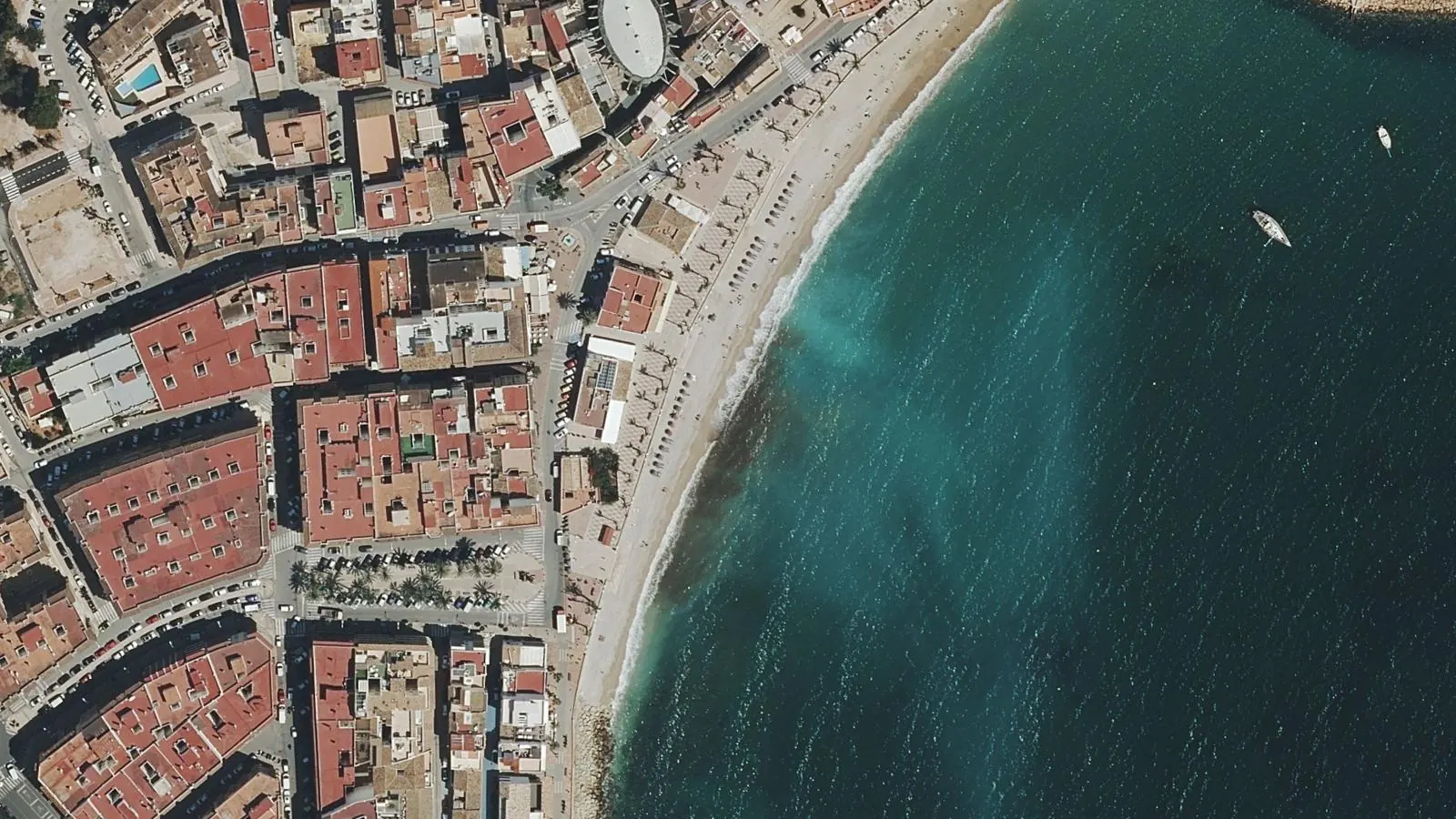
Fine sand beach in the heart of town, right next to the fishing harbor known as Puerto. Lifeguards are on duty from June 1 to October 31, daily from 11:00 to 19:00.
Quick Overview
Plan Your Visit to La Grava
The key facts before you go
About the Beach
What is La Grava?
La Grava is an urban beach in Jávea, Spain, located on the coast of the Valencia region near the historic fishing port. This small, central beach stretches along the waterfront with fine sand and is known for its clear water and proximity to the town's maritime character. The beach faces west and benefits from a natural bay setting, with views across the water to the surrounding coastline. Water quality here is rated as excellent, making it a reliable choice for swimming during the warmer months. La Grava offers direct access to local amenities and serves as a gateway to both the beach and the working fishing community that gives the area its authentic character.
It is part of a wider group of other Blue Flag beaches in Spain that meet FEE's annual standards for water quality, safety, and environmental management.
Visitor Feedback
What Visitors Say About La Grava
What visitors appreciate
- stones|stone beach|crystal clear water|pebble beach|promenade|small beach|urban beach|view of the bay|near the port|central beach
- Well-staffed with lifeguards during season
- Excellent EU-rated bathing water quality
Points to consider
- Can be busy during July and August peak season
- Facilities may be reduced outside peak months
Based on aggregated public visitor feedback. Themes are synthesised from multiple sources, not individual quotes. Zeach does not reproduce individual reviews.
Sunrise, Sunset & Beach Direction
La Grava faces west toward Mediterranean Sea. The best light for photography and swimming is typically in June, September. Direct sun hours follow that facing.
Planning
When to Go: Month by Month
| Month | Air Temp | Water Temp | Crowds |
|---|---|---|---|
| Jan | 12°C | 13°C | Low |
| Feb | 12°C | 13°C | Low |
| Mar | 14°C | 14°C | Low |
| Apr | 16°C | 16°C | Low |
| May | 19°C | 18°C | Low |
| Jun | 23°C | 21°C | Med |
| Jul | 26°C | 24°C | High |
| Aug | 26°C | 25°C | High |
| Sep | 24°C | 22°C | Med |
| Oct | 20°C | 21°C | Low |
| Nov | 16°C | 16°C | Low |
| Dec | 13°C | 13°C | Low |
The best time to visit La Grava is June, September. Air temperatures peak around 25.8°C in summer. Peak water temperature reaches 24.3°C in July.
How crowded does La Grava get?La Grava's compact size and central location within Jávea make it a popular destination, particularly during July and August. The beach experiences steady visitor traffic throughout the swimming season, with peak crowding during mid-summer weeks and weekends. Morning hours, especially before 11:00, tend to be quieter, while afternoons typically see the highest density of bathers and sunbathers. The beach's integration with the fishing port and town promenade attracts a mixed visitor base, tourists and locals, families seeking supervised swimming, and those interested in the maritime atmosphere. Parking near the beach can be limited during summer peaks, which naturally caps how crowded the shoreline itself becomes. June and September offer more breathing room than July and August. During these shoulder months, the beach remains pleasant and usable without the intense summer crowding. October marks the end of the official lifeguard season but still sees visitors, with noticeably reduced numbers and a quieter character. The stone and pebble elements at La Grava mean the beach's perceived crowding is influenced by the availability of comfortable sitting spots on sand. During busy periods, finding unoccupied sand space requires either early arrival or afternoon settling-in as some visitors leave. The promenade itself provides alternative gathering space when the beach proper is full.
Is La Grava open year-round?The beach itself is accessible year-round, though staffed facilities including lifeguards typically operate only during the official season (15-06 – 15-09). The Blue Flag is displayed during the certification period only.
The Water
Swimming and Beach Life at La Grava
Is La Grava safe to swim?La Grava is Blue Flag certified, which requires meeting strict bathing water standards set by the EU Bathing Water Directive. Water quality is rated Excellent. Lifeguards are on duty during the official season.
What is the water temperature at La Grava?Peak water temperature at La Grava reaches around 24.3°C in July, making it comfortable for swimming during the summer months. In winter (January), air temperatures average 12.1°C.
What is the beach like at La Grava?La Grava is a compact urban beach that sits between the town of Jávea and the fishing port area known locally as Puerto. The beach itself features fine sand, though visitors should note that pebbles and stones are present, particularly toward the waterline. This mix of substrates reflects the beach's active maritime setting and its position within an established coastal settlement. The water at La Grava is notably clear, allowing good visibility into the bay. Bathing water quality is certified as excellent, and the beach benefits from a west-facing orientation that captures afternoon light. The bay setting provides some natural protection, making conditions generally calmer than more exposed stretches of coast in the region. During the main swimming season from June through October, lifeguards are on duty daily from 11:00 to 19:00, covering the peak visiting and bathing hours. Water temperatures during these months range from 21.4°C in June to 22.2°C in September, providing comfortable conditions for extended time in the water. By October, temperatures drop to 20.6°C but remain swimmable for most visitors. The beach's urban location means it integrates directly with the town's infrastructure. A promenade runs along the waterfront, connecting La Grava to the working fishing port and local amenities. This setting appeals to those seeking beach access without isolation, though it also means the beach experiences regular use and is busiest during peak summer weeks. The small size of La Grava means it reaches capacity relatively quickly during July and August. Morning visits typically offer the most space and are generally less crowded than afternoons. The beach's position within the urban fabric means sunbathing space is limited compared to larger regional beaches, making comfort dependent on arrival time during summer months.
Does La Grava have good facilities?As a Blue Flag certified beach, La Grava meets the Foundation for Environmental Education's standards for facilities and services. Trained lifeguards are on duty during the season. Showers are available. Parking is available nearby. The beach has disabled access facilities.
La Grava sits on the Mediterranean Sea: explore all Blue Flag beaches on the Mediterranean.
Planning a trip to Spain? Blue Flag Beaches Spain 2026 , our editorial guide to certified beaches across the country.
While You're Here
Beyond La Grava
La Grava's location places it within reach of several natural and cultural sites. The Natural Park of Montgo lies nearby, offering walking trails and views across the coast and inland landscape. The Marinades Reserve at Cap de Sant Antoni provides accessible exploration of protected coastal environment with marine flora. A microreserve of protected flora is also positioned near the beach area. Jávea itself contains the historic fishing port directly adjacent to La Grava, where daily fish landings can be observed and local seafood restaurants operate. The town center offers shops, cafes, and restaurants typical of a working Mediterranean coastal settlement. The beach's urban position means cultural and commercial amenities are immediately accessible without requiring transport. For broader exploration, the broader Valencia coastline extends both north and south of Jávea, providing access to additional beaches and protected areas. The positioning near Cap de Sant Antoni offers coastal walks and marine reserve access within walking distance or a short drive.
Transport
Getting to La Grava
How do I get to La Grava by car?La Grava is located in Spain. Follow local road signs to the beach. Check Google Maps or a local map for the most current directions.
What is the nearest airport to La Grava?The nearest airport is Alicante-Elche Airport (ALC), approximately 85.6 km away. Alicante-Elche Airport (ALC) is the nearest major airport, situated 85.6 km south of La Grava. Journey time by road is approximately 90 minutes to two hours depending on traffic conditions and specific routing through Alicante toward Jávea. Car rental is widely available at the airport and is typically the most convenient option for reaching La Grava and exploring the surrounding coast. Shuttle services and taxis operate from the airport but are costly for this distance. Public transport connections exist via bus from Alicante to Jávea, though journey times are longer and may require transfers.
Can I get to La Grava by public transport?Regular bus services connect Alicante to Jávea, with the primary operator providing multiple daily routes. Journey time is approximately 1.5 to 2 hours depending on service type and stops. Buses terminate in central Jávea, from where La Grava is accessible on foot (approximately 10-15 minutes through town) or by local taxi. Bus travel is economical but less flexible than private transport for beach trips. The nearest recorded bus stop is 261 m from the beach.
Is there a train to La Grava?La Grava lists Dénia as the nearest railway station, 7.82 km away. Check current timetables before travelling.
Map
Find La Grava
Open the map or get directions to the La Grava pin. Amenity names are listed here only when OpenStreetMap has a mapped feature nearby.
Map loads when you ask. Tiles stay off the first paint.
Map: OpenStreetMap (ODbL)
Practical Details
Practical Information
| At the Beach | |
| Entry | Free: no charge to access the beach |
|---|---|
| Lifeguards | ✓ On duty during official season |
| Disabled Access | ✓ Accessible site facilities |
| Showers | ✓ Available during season |
| Toilets | ✗ |
| Official Season | 15 Jun – 15 Sep |
| Beach Type | Rocky shore |
| Sand | Pebble / shingle beach |
| Parking | ✓ Available nearby (surface parking) |
| Nearest supermarket | 170 m from the beach |
| Nearest bus stop | 261 m from the beach |
| Visiting Information | |
| GPS Coordinates | 38.7948°N, 0.1825°E |
| Water Quality | Excellent (EU Bathing Water Directive) |
| Blue Flag Operator | Foundation for Environmental Education (FEE), Spain |
Frequently Asked Questions
La Grava FAQ
Is La Grava worth visiting?
La Grava suits visitors seeking a genuine urban beach with reliable water quality and lifeguard supervision rather than an isolated natural setting. The beach's compact size and integration with a working fishing port create distinctive character unavailable at larger regional beaches. Excellent bathing water quality and calm bay conditions make it practical for swimming and families. It is worth visiting if you value accessibility, clear water, and authentic maritime atmosphere over expansive sandy space. Peak summer crowding means timing your visit for June or September provides better comfort than July-August.
How do I get to La Grava?
Alicante-Elche Airport (ALC), 85.6 km away, is the nearest major airport. Car rental provides the most flexible access, with a 90-minute drive to Jávea. Bus services from Alicante reach Jávea in 1.5-2 hours, with La Grava accessible on foot from the town center. Within Jávea, taxis and local buses provide final connections. Driving allows easy exploration of nearby natural reserves and coastal areas; public transport requires more planning but is economical.
What is the best time of year to visit La Grava?
The official swimming season runs June through October with lifeguard cover. June and September offer the best balance, comfortable water temperatures (21.4°C and 22.2°C respectively) with notably fewer visitors than July-August. Water temperatures peak in August at 24.6°C but coincide with peak crowding. October remains swimmable at 20.6°C with reduced summer traffic, though lifeguards end their seasonal duty on October 31. Outside this window, water temperatures drop significantly, making swimming less comfortable.
What facilities are there at La Grava?
Lifeguards operate daily from 11:00 to 19:00 throughout the June-October season. A promenade borders the beach, providing walking and gathering space. The adjacent fishing port and urban center offer shops, restaurants, and accommodations within immediate reach. Public transport connects to the beach via local services. The beach itself is compact, meaning sunbathing and relaxation space is limited during peak hours. Environmental education facilities and activities operate in connection with the nearby natural reserves, though specific details are available via the Jávea municipal website.
Is La Grava suitable for families?
La Grava is practical for families during the lifeguarded season (June-October, 11:00-19:00), with calm bay conditions and excellent water quality reducing swimming hazards. The small size means children and adults remain visible to each other easily. Urban positioning provides quick access to restrooms, food, and shade. However, the beach's compactness and stone/pebble content mean less comfortable sunbathing space than larger regional alternatives. Families seeking expansive sandy beaches for long summer days may find the crowding and limited space challenging during peak July-August weeks.
Explore More
Nearby Blue Flag Beaches
Editorial
From the Zeach Blog
Everything you need to know about what makes a beach qualify for Blue Flag status, from water quality to environmental education.
Read moreOur editorial team's pick of the standout Blue Flag beaches in Spain, rated for family friendliness, scenery, and facilities.
Explore SpainWhat the flag actually means, how certification works, and why a Blue Flag is a genuinely reliable signal, not just a marketing tool.
Read moreSources
- Foundation for Environmental Education: Blue Flag programme
- FEE site listing for La Grava
- ADEAC (Asociación de Educación Ambiental y del Consumidor)
- European Environment Agency: bathing water quality
Last verified September 2026. National operator pages and FEE listings are the primary certification sources.