La Granadella
Valencian Community, Spain: Excellent water quality
Fine Sand. Urban Beach.
Quick Overview
Plan Your Visit to La Granadella
The key facts before you go
About the Beach
What is La Granadella?
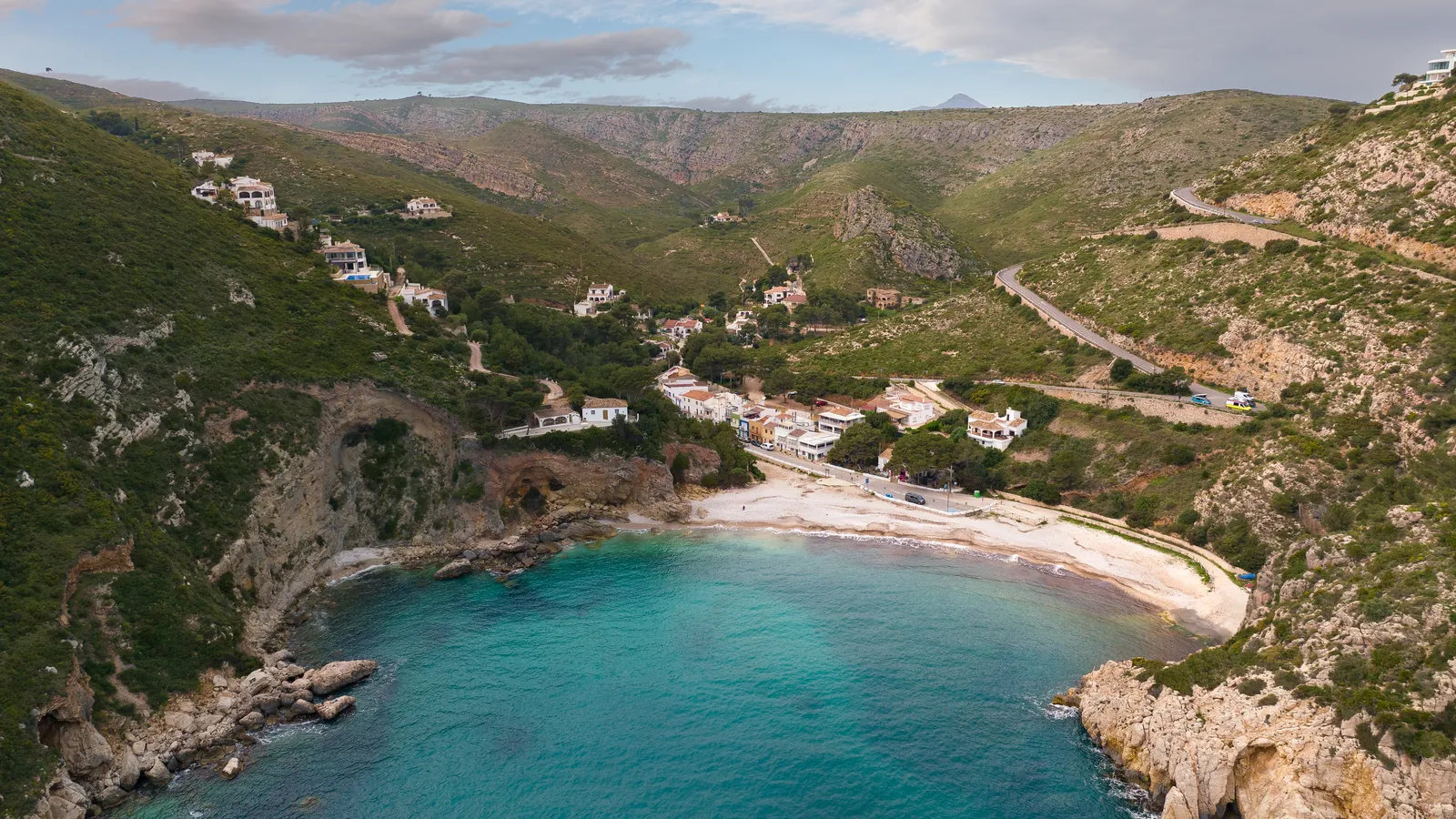
La Granadella is a cove beach in Xàbia on Spain's Costa Blanca, located in the Valencian Community. The beach sits at the mouth of the Granadella valley and features fine sand backed by rocky terrain. Crystal clear water and controlled access make it a sought-after destination for snorkelers and swimmers. Bathing water quality is rated Excellent. The beach has lifeguard coverage from June through October, with typical summer water temperatures reaching 24°C. Sport facilities and public transport connections serve visitors, and the site includes handicap access. The setting combines accessible urban amenities with the character of a natural rocky cove.
It sits alongside Blue Flag beaches in Valencian Community, part of a broader network of Blue Flag certified beaches across Spain certified annually by the Foundation for Environmental Education.
Visitor Feedback
What Visitors Say About La Granadella
What visitors appreciate
- cove|crystal clear waters|stone beach|kayaking|snorkeling|pebbles|jellyfish|controlled access|rocky beach|turquoise water
- Excellent EU-rated bathing water quality
Points to consider
- Can be busy during July and August peak season
- Facilities may be reduced outside peak months
Based on aggregated public visitor feedback. Themes are synthesised from multiple sources, not individual quotes. Zeach does not reproduce individual reviews.
Sunrise, Sunset & Beach Direction
La Granadella faces west toward Mediterranean Sea. The best light for photography and swimming is typically in June, September. Direct sun hours follow that facing.
Planning
When to Go: Month by Month
| Month | Air Temp | Water Temp | Crowds |
|---|---|---|---|
| Jan | 12°C | 15°C | Low |
| Feb | 12°C | 14°C | Low |
| Mar | 14°C | 15°C | Low |
| Apr | 16°C | 16°C | Low |
| May | 19°C | 18°C | Low |
| Jun | 23°C | 22°C | Med |
| Jul | 26°C | 25°C | High |
| Aug | 26°C | 26°C | High |
| Sep | 24°C | 25°C | Med |
| Oct | 20°C | 22°C | Low |
| Nov | 16°C | 19°C | Low |
| Dec | 13°C | 16°C | Low |
The best time to visit La Granadella is June, September. Air temperatures peak around 25.9°C in summer. Peak water temperature reaches 25°C in July.
How crowded does La Granadella get?La Granadella operates under controlled access, meaning visitor numbers are managed, this distinguishes it from open urban beaches. During the peak summer months (July–August), the cove reaches capacity on weekends and warm weekdays. Early morning visits (before 11:00) or late afternoon sessions (after 17:00, when lifeguards leave) offer quieter conditions. June and September are notably less crowded than July–August, with water temperatures still suitable (21.8°C and 24.9°C respectively). The snorkeling reputation attracts dedicated water enthusiasts rather than casual sunbathers, shaping the visitor profile. Weekday visits are generally calmer than weekends. October sees significant reduction in visitor numbers as Spanish schools resume and air temperatures cool. The pebble and stone beach means fewer families with small children compared to large sand beaches, naturally limiting certain demographic crowding. Weekend parking can be challenging during July–August peak weeks.
Is La Granadella open year-round?The beach itself is accessible year-round, though staffed facilities including lifeguards typically operate only during the official season (15-06 – 15-09). The Blue Flag is displayed during the certification period only.
The Water
Swimming and Beach Life at La Granadella
Is La Granadella safe to swim?La Granadella is Blue Flag certified, which requires meeting strict bathing water standards set by the EU Bathing Water Directive. The latest official class is Excellent (2025).
Water quality
Excellent (2025)
Earlier seasons: 2024 Excellent, 2023 Excellent, 2022 Excellent.
Excellent is the top class under the EU Bathing Water Directive. Recent samples stayed inside the strictest limits for bacteria.
Source: European Environment Agency
Peak water temperature at La Granadella reaches around 25°C in July, making it comfortable for swimming during the summer months. In winter (January), air temperatures average 12°C.
What is the beach like at La Granadella?La Granadella presents a distinctive Mediterranean setting. The beach combines fine sand with stone and pebble sections, characteristic of the Valencian coast. The cove's western exposure provides shelter while allowing good light conditions. Water clarity is notable, visitors regularly report turquoise hues and visibility suited to snorkeling. The rocky features both at the water's edge and inland create a natural landscape typical of this stretch of coastline. Seabed composition transitions from sand to rock as you move deeper, supporting diverse marine life visible to snorkelers. Water temperature varies significantly by season. Winter months (January through March) see temperatures between 12.5°C and 14.6°C, requiring a wetsuit for comfortable extended swimming. Spring warming brings temperatures to 16–17°C by May. Summer peak occurs July through September, with water temperatures between 22°C and 26.3°C, ideal for recreational swimming and snorkeling without thermal protection. October still reaches 22.1°C, maintaining comfortable conditions into autumn. The designated swimming season runs June through October, aligning with lifeguard presence from 11:00 to 19:00 daily. Outside these months, the beach remains accessible but without supervision. The pebble and stone sections can be underfoot in some areas; appropriate footwear helps. Jellyfish presence has been documented, requiring awareness during warm months. The controlled access to the cove means capacity management occurs, particularly during peak summer weeks. The combination of excellent water quality, snorkeling opportunities, and natural setting makes this cove distinct from the broader urban beach infrastructure nearby.
La Granadella sits on the Mediterranean Sea: explore all Blue Flag beaches on the Mediterranean.
Planning a trip to Spain? Blue Flag Beaches Spain 2026 , our editorial guide to certified beaches across the country.
While You're Here
Beyond La Granadella
The Granadella valley location places the beach within a natural site context. Xàbia itself offers a working port town with restaurants, shops, and accommodation ranging from small hotels to holiday rentals. The town center lies a short distance from the cove. Nearby rocky coastline supports other small coves and swimming spots accessible by foot or short drives. The inland valley areas are accessible for walks and exploration of Mediterranean vegetation. The Costa Blanca region has established cycling routes and coastal walking paths. Accommodation options in Xàbia range from budget to mid-range lodging; high season (July–August) requires advance booking. The Alicante region contains broader cultural and historical sites; however, La Granadella itself focuses on coastal recreation rather than heritage activities. Day visitors can combine cove time with town exploration. The controlled-access cove means planning arrival and departure times around lifeguard hours (June–October, 11:00–19:00) for supervised swimming.
Transport
Getting to La Granadella
How do I get to La Granadella by car?La Granadella is approximately 7.2 km from Xàbia / Jávea. Follow local road signs to the beach. Check Google Maps or a local map for the most current directions.
What is the nearest airport to La Granadella?The nearest airport is Alicante-Elche Miguel Hernández Airport (ALC), approximately 82.3 km away. Alicante-Elche Airport (ALC) is the nearest major airport, located 81.9 km south. Journey time is approximately 75–90 minutes by car depending on traffic through the Alicante metropolitan area and route taken. Car rental is standard for independent travelers; the route follows the coastal road northward or interior highways. Shuttle services and ride-share options operate from the airport. Public transport connections exist but require transfers; bus services from Alicante connect to Xàbia but involve longer journey times (typically 2–2.5 hours total). Direct train connections from the airport to Xàbia are not available. Flight options to Alicante serve European cities extensively, making it the practical gateway for international visitors.
Can I get to La Granadella by public transport?Bus services connect Alicante and surrounding towns to Xàbia. Regional bus networks operate from Alicante central station, with services heading north along the Costa Blanca. Journey times from central Alicante to Xàbia typically run 1.5–2 hours depending on route stops. From Xàbia town center, local transport connections reach La Granadella, though the final approach may require walking or taxi service depending on which bus route you use. Public transport passes and regional travel tickets may reduce costs for multiple journeys.
Is there a train to La Granadella?La Granadella lists Teulada as the nearest railway station, 8.47 km away. Check current timetables before travelling.
Map
Find La Granadella
Open the map or get directions to the La Granadella pin. Amenity names are listed here only when OpenStreetMap has a mapped feature nearby.
Map loads when you ask. Tiles stay off the first paint.
Map: OpenStreetMap (ODbL)
On the beach
Facilities at La Granadella
- Lifeguards
- Yes, during the certified season
- Wheelchair access
- No dedicated disabled access listed
- Visual assistance
- No
- Toilets
- Yes
- Showers
- No
- Parking
- Available nearby (private parking). 25 m away
- Surface
- Pebbles
- Entry
- Free to enter
These details can change. Check on arrival.
Map data © OpenStreetMap contributors
Practical Details
Practical Information
| At the Beach | |
| Official Season | 15 Jun – 15 Sep |
|---|---|
| Beach Type | Rocky shore |
| Nearest supermarket | 2.6 km from the beach |
| Visiting Information | |
| GPS Coordinates | 38.7297°N, 0.1956°E |
| Water Quality | Excellent (2025) (EU Bathing Water Directive) |
| Blue Flag Operator | Foundation for Environmental Education (FEE), Spain |
Frequently Asked Questions
La Granadella FAQ
Is La Granadella worth visiting?
Yes, if snorkeling and clear water appeal to you. Excellent bathing water quality, turquoise water, and rocky marine habitat make it worthwhile for swimmers and snorkelers. The controlled access keeps it manageable compared to crowded urban beaches. However, pebble and stone sections are less comfortable for lounging than sand beaches. Best for active water users rather than passive sunbathers. Summer visits require early arrival due to capacity limits.
How do I get to La Granadella?
By car is most practical. Alicante-Elche Airport is 81.9 km away; rental car journey takes 75–90 minutes. From Xàbia town center, drive or walk to the cove access point. Bus services connect Alicante to Xàbia (1.5–2 hours), then local connection needed to the beach. No direct train service reaches Xàbia from the airport. Parking at La Granadella fills quickly in July–August; arrive early or visit shoulder seasons.
What is the best time of year to visit La Granadella?
June and September offer ideal conditions: lifeguards present (June–October, 11:00–19:00), water temperatures comfortable (21.8°C and 24.9°C), and fewer crowds than July–August. Water remains swimmable through October (22.1°C). July–August peak season brings warmest water (24–26.3°C) but crowding and capacity limits. Winter water drops below 14°C, requiring wetsuits. Avoid peak weekends in July–August unless early arrival is feasible.
What facilities are available at La Granadella?
Lifeguards operate June–October (11:00–19:00). Sport installations are available. Public transport connection exists from Xàbia town. Handicap access facilities are in place. The beach has accommodation nearby in Xàbia town (hotels, holiday rentals). Restaurants and shops are in the town center, a short distance away. No lifeguards November–May. Bring water and snacks if visiting outside town hours, as beachside facilities are limited.
Is La Granadella suitable for families?
Partly. Lifeguard presence (June–October) is reassuring for young swimmers. Handicap facilities support accessibility. However, pebble and stone beach sections are harder on young children's feet than sand. Jellyfish presence in warm months requires awareness. The snorkeling focus attracts water-confident visitors more than young children or non-swimmers. Calmer water makes it safer than exposed beaches. Better suited to families with older children or strong swimmers than toddlers.
Editorial
From the Zeach Blog
Everything you need to know about what makes a beach qualify for Blue Flag status, from water quality to environmental education.
Read moreOur editorial team's pick of the standout Blue Flag beaches in Spain, rated for family friendliness, scenery, and facilities.
What the flag actually means, how certification works, and why a Blue Flag is a genuinely reliable signal, not just a marketing tool.
Read moreSources
- Foundation for Environmental Education: Blue Flag programme
- FEE site listing for La Granadella
- ADEAC (Asociación de Educación Ambiental y del Consumidor)
Last verified September 2026. National operator pages and FEE listings are the primary certification sources.