La Goleta
Spain: Excellent water quality
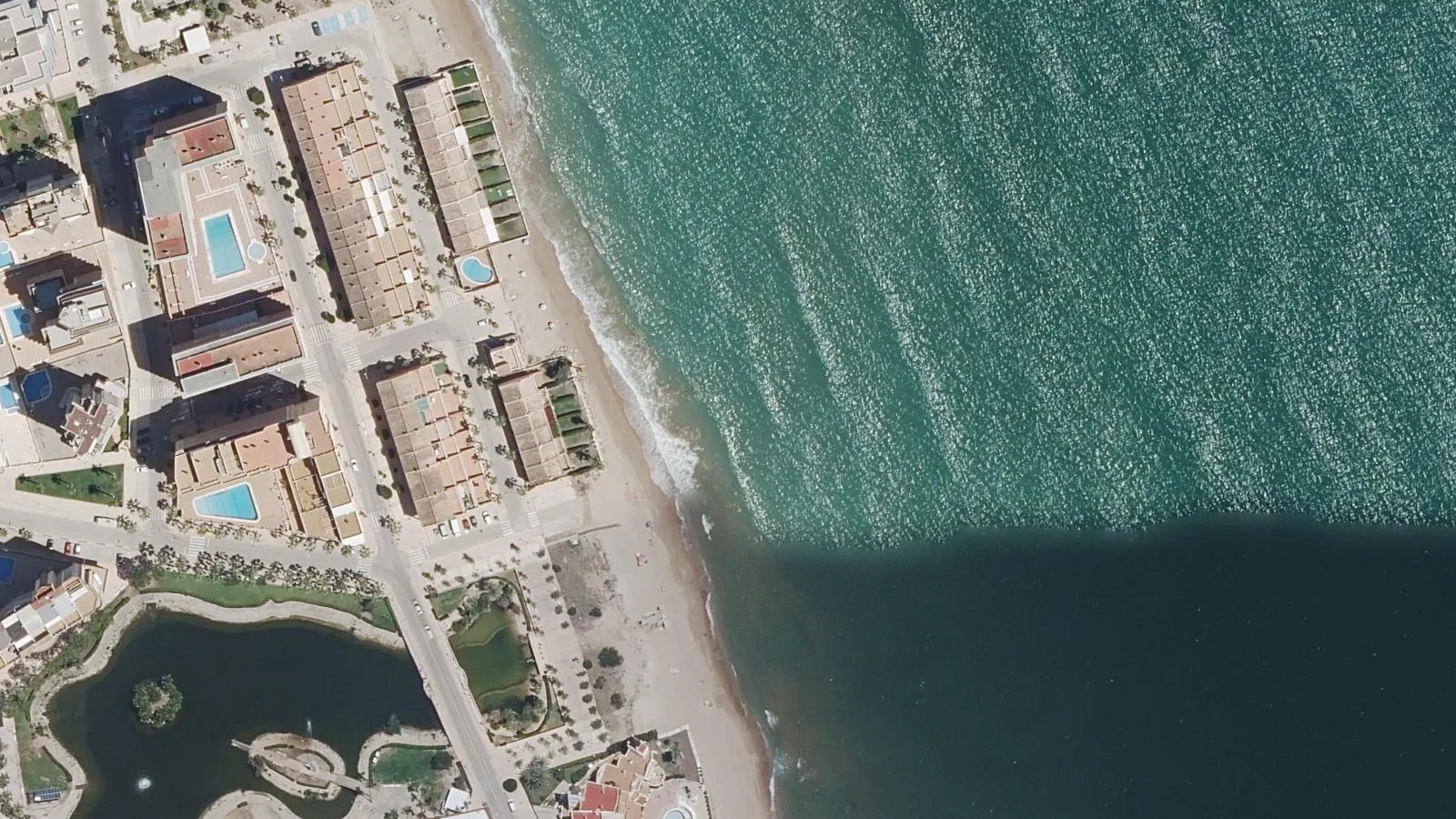
Fine sand beach in an urban setting. Lifeguards are on duty daily from 10am to 8pm between June 1st and September 30th.
Quick Overview
Plan Your Visit to La Goleta
The key facts before you go
About the Beach
What is La Goleta?
La Goleta is an urban beach located 5 km from Tavernes de la Valldigna in the Province of Valencia, Spain. This west-facing beach features fine sand and sits in a distinctive horseshoe-shaped valley that opens directly to the sea. The surrounding landscape varies significantly, offering visitors a mix of coastal and natural scenery. Bathing water quality is consistently excellent, making it a reliable choice for swimmers. The beach operates with lifeguards during the summer months, providing supervised swimming from June through September. Essential facilities including sports installations, car rental services, accommodation options, and public transport access are all available nearby. Accessibility features for visitors with disabilities are also provided.
It is part of a wider group of Blue Flag certified beaches across Spain that meet FEE's annual standards for water quality, safety, and environmental management.
Sunrise, Sunset & Beach Direction
La Goleta faces west toward Mediterranean Sea. The best light for photography and swimming is typically in May, June, September. Direct sun hours follow that facing.
Planning
When to Go: Month by Month
| Month | Air Temp | Water Temp | Crowds |
|---|---|---|---|
| Jan | 11°C | 12°C | Low |
| Feb | 12°C | 12°C | Low |
| Mar | 13°C | 14°C | Low |
| Apr | 16°C | 16°C | Med |
| May | 19°C | 18°C | High |
| Jun | 23°C | 22°C | High |
| Jul | 26°C | 25°C | High |
| Aug | 26°C | 25°C | High |
| Sep | 24°C | 22°C | Med |
| Oct | 20°C | 20°C | Low |
| Nov | 15°C | 16°C | Low |
| Dec | 12°C | 12°C | Low |
The best time to visit La Goleta is May, June, September. Air temperatures peak around 26.2°C in summer. Peak water temperature reaches 24.7°C in July.
How crowded does La Goleta get?How busy is La Goleta? As an urban beach serving the Tavernes de la Valldigna municipality and positioned between Cullera and nearby beaches, it experiences seasonal variation typical of Mediterranean coast locations. Peak traffic occurs during the official swim season (June-October) when lifeguard coverage attracts swimmers prioritizing safety. July and August represent the busiest period, coinciding with Spanish school holidays and peak European summer tourism. Weekends during these months see concentrations of visitors. June and September experience moderate crowds, with better conditions for those seeking calmer beach days. May and October fall outside the lifeguard season but attract visitors avoiding peak-season congestion. Winter months remain quiet, though water temperatures limit swimming appeal for most visitors. The beach's urban infrastructure supports handling crowds during peak times, with adequate parking, facilities, and services. The defined lifeguard schedule (10:00-20:00) means visiting outside these hours offers solitude but without supervision. Understanding crowd patterns helps visitors select visit times matching their preferences.
Is La Goleta open year-round?The beach itself is accessible year-round, though staffed facilities including lifeguards typically operate only during the official season (14-04 – 30-09). The Blue Flag is displayed during the certification period only.
The Water
Swimming and Beach Life at La Goleta
Is La Goleta safe to swim?La Goleta is Blue Flag certified, which requires meeting strict bathing water standards set by the EU Bathing Water Directive. Water quality is rated Excellent. Lifeguards are on duty during the official season.
What is the water temperature at La Goleta?Peak water temperature at La Goleta reaches around 24.7°C in July, making it comfortable for swimming during the summer months. In winter (January), air temperatures average 11.2°C.
What is the beach like at La Goleta?What makes La Goleta distinctive is its setting within a natural horseshoe valley rather than on an open coastline. The fine sand beach is integrated into the urban fabric of the municipality, making it accessible and well-serviced while retaining natural character. The west-facing orientation means afternoon and evening light conditions are favorable for swimming and beach activities. Water temperatures follow a typical Mediterranean pattern. Winter months from January to March are cold, ranging from 11.7°C to 13.9°C, making swimming uncomfortable without thermal protection. Spring sees gradual warming, reaching 16.4°C by April and 17.9°C by May. Summer temperatures peak in July and August at approximately 24.7-24.8°C, ideal for extended swimming sessions. September remains warm at 22°C, and October still offers acceptable conditions at 20.1°C. By November, temperatures drop to 15.5°C. Air temperatures align with water conditions. Winter averages 11.2°C, while July and August peak at 26.2-26.3°C, with September at 23.5°C. These conditions support the defined swim season running from June through October. Lifeguards operate on a fixed schedule during this period: daily coverage from 10:00 to 20:00 hours from 1 June to 30 September. This supervised timeframe is essential information for swimmers planning their visits. The beach's urban location means immediate access to restaurants, shops, and services rather than isolated natural surroundings.
Does La Goleta have good facilities?As a Blue Flag certified beach, La Goleta meets the Foundation for Environmental Education's standards for facilities and services. Trained lifeguards are on duty during the season. Parking is available nearby. The beach has disabled access facilities.
La Goleta sits on the Mediterranean Sea: explore all Blue Flag beaches on the Mediterranean.
Planning a trip to Spain? Blue Flag Beaches Spain 2026 , our editorial guide to certified beaches across the country.
While You're Here
Beyond La Goleta
The horseshoe valley geography that contains La Goleta extends beyond the beach into significant natural landscape variety. The valley's distinctive shape creates microclimates and diverse vegetation patterns worth exploring. Nearby Cullera offers additional beach options and its own coastal attractions. Tavernes de la Valldigna municipality provides the local tourist infrastructure, with official tourism information available through www.valldignaturisme.org. The surrounding terrain supports hiking and nature observation activities given the varied landscapes documented in the area. The valley's opening to the sea creates scenic viewpoints along the coastal road. This geography makes the location suitable for visitors interested in combining beach time with landscape observation and local exploration.
Transport
Getting to La Goleta
How do I get to La Goleta by car?La Goleta is located in Spain. Follow local road signs to the beach. Check Google Maps or a local map for the most current directions.
What is the nearest airport to La Goleta?The nearest airport is Alicante-Elche Airport (ALC), approximately 95.7 km away. Alicante-Elche Airport (ALC) serves La Goleta, located 95.7 km north of the beach. This is Spain's primary gateway for accessing the Valencia region's Mediterranean coast. Multiple European airlines operate regular services to Alicante, including budget carriers and full-service operators. Ground transportation from the airport includes rental car services, buses, and taxis. Driving from Alicante takes approximately 90 minutes via the A-7 motorway (exits 59 or 60), then local roads. The CV-603 local road connects from the N-332 national highway to reach the beach directly.
Can I get to La Goleta by public transport?Public transport options vary by season. Check local transport authority websites for current bus and train schedules connecting to Spain.
Is there a train to La Goleta?La Goleta lists Tavernes de la Valldigna as the nearest railway station, 2.77 km away. Check current timetables before travelling.
Nearby
Near La Goleta
Mapped toilets, bus stops, cafés, parking, and shops within about 500 m of La Goleta. Distances are walking-line estimates from the beach pin.
Map loads when you ask. Tiles stay off the first paint.
Map: OpenStreetMap (ODbL)
Bus near La Goleta
- Passeig de la Goleta (Mercado) Bus stop 200 m
- Passeig de la Goleta (Mercado) Bus stop 206 m
- Carrer Cullera (Campo de futbol) Bus stop 220 m
- Passeig de la Goleta Nº 1 Bus stop 490 m
Cafés near La Goleta
- Los Jijonencos Ice cream 228 m
- Ice cream Ice cream 329 m
- Casa Macario Restaurant 396 m
Parking near La Goleta
- Aparcament públic Parking 468 m
Supermarket near La Goleta
- Eroski Supermarket 192 m
Source: © OpenStreetMap contributors (ODbL). Names and positions come from mapped OSM features. Confirm on site.
Practical Details
Practical Information
| At the Beach | |
| Entry | Free: no charge to access the beach |
|---|---|
| Lifeguards | ✓ On duty during official season |
| Disabled Access | ✓ Accessible site facilities and water entry |
| Showers | ✗ |
| Toilets | ✗ |
| Official Season | 14 Apr – 30 Sep |
| Beach Type | Sandy beach |
| Parking | ✓ Available nearby (surface parking) |
| Nearest supermarket | 190 m from the beach |
| Visiting Information | |
| GPS Coordinates | 39.1036°N, 0.2211°W |
| Water Quality | Excellent (EU Bathing Water Directive) |
| Blue Flag Operator | Foundation for Environmental Education (FEE), Spain |
Frequently Asked Questions
La Goleta FAQ
Is La Goleta worth visiting?
Yes, if you prioritize excellent water quality, supervised swimming, and accessible coastal facilities. The beach's urban setting provides immediate amenities, and the distinctive horseshoe valley geography offers scenic variety beyond typical beach landscapes. The consistent 'Excellent' bathing water quality rating confirms reliable swimming conditions. Lifeguard coverage during peak season (June-September) adds safety assurance. It suits visitors seeking established facilities and services rather than remote or undeveloped beaches.
How do I get to La Goleta?
From Alicante-Elche Airport (95.7 km away), drive north via the A-7 motorway (exits 59 or 60) toward Valencia. Take the N-332 national highway and turn onto the local CV-603 road leading directly to the beach. Total driving time is approximately 90 minutes. Rental car services operate at the airport. Public transport options exist but require verification through local providers. The beach is located 5 km from Tavernes de la Valldigna municipality center.
What is the best time of year to visit?
June through October offers the official swim season with lifeguard supervision (10:00-20:00 daily). July and August provide warmest conditions (24.7-24.8°C water, 26°C+ air) but attract peak crowds. June and September offer warmer water (21.8°C and 22°C respectively) with moderate crowds. October remains swimmable at 20.1°C water with fewer visitors. Winter months (November-May) experience cold water (11.7-15.5°C) unsuitable for most swimmers despite clear skies in some periods.
What facilities are available at La Goleta?
The beach provides sports installations, public transport access, handicap facilities for visitors with disabilities, car rental services, and nearby accommodation options. Lifeguards operate daily from 10:00 to 20:00 from 1 June through 30 September. The urban beach location ensures proximity to restaurants and shops. Environmental education facilities are mentioned in official resources. Additional details are available through www.valldignaturisme.org and local tourism offices in Tavernes de la Valldigna.
Is La Goleta suitable for families?
Yes. Lifeguard supervision during the swim season (June-September) provides safety for children. Fine sand is appropriate for family use. Handicap facilities ensure accessibility for members with mobility considerations. The urban setting provides immediate amenities including accommodation, food services, and rental facilities. The absence of dangerous currents or extreme conditions, combined with excellent water quality ratings, makes it a reliable family destination. May through October offers extended suitable conditions for family visits.
Is there a bus near La Goleta?
Yes. OpenStreetMap maps a public-transport stop 200 m from La Goleta (Passeig de la Goleta (Mercado)), plus 3 more within about 500 m. Check current timetables before you travel. © OpenStreetMap contributors (ODbL).
Are there cafés near La Goleta?
Yes. OpenStreetMap lists 3 cafés or restaurants near La Goleta, including Los Jijonencos (228 m), 329 m away, and Casa Macario (396 m). Hours and seasonal opening are not verified here. Check on the day. © OpenStreetMap contributors (ODbL).
Is there parking near La Goleta?
Yes. OpenStreetMap maps parking 468 m from La Goleta (Aparcament públic). Charges and time limits are not recorded here. © OpenStreetMap contributors (ODbL).
Is there a supermarket near La Goleta?
Yes. OpenStreetMap maps a supermarket 192 m from La Goleta (Eroski). Walking-line distance; confirm opening hours locally. © OpenStreetMap contributors (ODbL).
Explore More
Nearby Blue Flag Beaches
Editorial
From the Zeach Blog
Everything you need to know about what makes a beach qualify for Blue Flag status, from water quality to environmental education.
Read moreOur editorial team's pick of the standout Blue Flag beaches in Spain, rated for family friendliness, scenery, and facilities.
Explore SpainWhat the flag actually means, how certification works, and why a Blue Flag is a genuinely reliable signal, not just a marketing tool.
Read moreSources
- Foundation for Environmental Education: Blue Flag programme
- FEE site listing for La Goleta
- ADEAC (Asociación de Educación Ambiental y del Consumidor)
- European Environment Agency: bathing water quality
Last verified September 2026. National operator pages and FEE listings are the primary certification sources.