La Fossa
Valencian Community, Spain: Excellent water quality
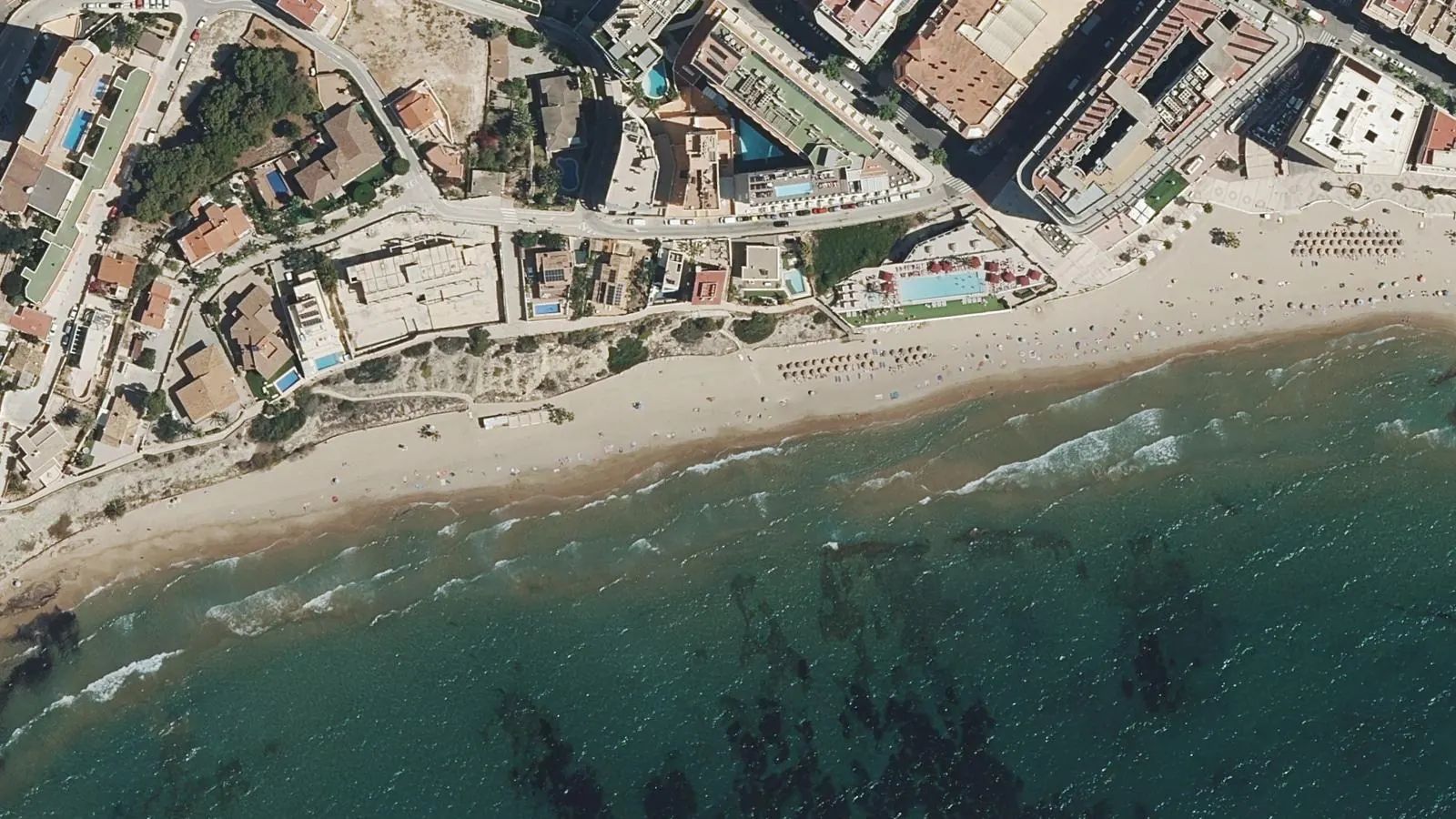
Fine Sand.Urban Beach.
Quick Overview
Plan Your Visit to La Fossa
The key facts before you go
About the Beach
What is La Fossa?
La Fossa is an urban beach in Calp, a coastal town in the Valencian Community of Spain. Located just 65 kilometres from Alicante-Elche Airport, this south-facing beach offers fine sand and excellent bathing water quality. The beach sits at the edge of Calp's developed shoreline, making it easily accessible for visitors exploring the Costa Blanca. Water temperatures peak in August at nearly 25°C, creating ideal swimming conditions from June through October. The presence of lifeguards during the bathing season adds a layer of safety for swimmers of all abilities. La Fossa provides a straightforward coastal experience without pretension, a working beach where locals and visitors share the same stretch of sand.
It sits alongside Blue Flag beaches in Valencian Community, part of a broader network of Blue Flag certified beaches across Spain certified annually by the Foundation for Environmental Education.
Sunrise, Sunset & Beach Direction
La Fossa faces south toward Mediterranean Sea. The best light for photography and swimming is typically in June, September. Direct sun hours follow that facing.
Planning
When to Go: Month by Month
| Month | Air Temp | Water Temp | Crowds |
|---|---|---|---|
| Jan | 12°C | 13°C | Low |
| Feb | 12°C | 13°C | Low |
| Mar | 14°C | 14°C | Low |
| Apr | 16°C | 16°C | Low |
| May | 19°C | 18°C | Low |
| Jun | 23°C | 21°C | Med |
| Jul | 26°C | 24°C | High |
| Aug | 26°C | 25°C | High |
| Sep | 24°C | 22°C | Med |
| Oct | 20°C | 21°C | Low |
| Nov | 16°C | 16°C | Low |
| Dec | 13°C | 13°C | Low |
The best time to visit La Fossa is June, September. Air temperatures peak around 25.9°C in summer. Peak water temperature reaches 24.4°C in July.
How crowded does La Fossa get?What draws people to La Fossa? Its location within Calp's urban fabric means regular local use alongside seasonal tourism. The beach experiences typical Mediterranean resort patterns, busier during summer months, notably July and August when water temperatures reach 24-25°C. The fine sand supports typical beach activities, though the urban setting means you're sharing space with town infrastructure nearby. Lifeguard presence during the bathing season attracts families and less experienced swimmers seeking supervision. The June-October window sees increased activity as water temperatures become genuinely warm. Outside this period, visitor numbers drop considerably, partly due to cooler conditions and reduced services. The beach's character is distinctly local rather than exclusive, this is Calp's working beach, not a secluded getaway. Weekday visits generally offer more space than weekends. The urban setting provides easy access to services and amenities, which appeals to visitors wanting facilities nearby rather than isolated beach experiences. Crowding varies by specific dates and season, but expect standard Mediterranean resort-season patterns.
Is La Fossa open year-round?The beach itself is accessible year-round, though staffed facilities including lifeguards typically operate only during the official season (01-06 – 30-09). The Blue Flag is displayed during the certification period only.
The Water
Swimming and Beach Life at La Fossa
Is La Fossa safe to swim?La Fossa is Blue Flag certified, which requires meeting strict bathing water standards set by the EU Bathing Water Directive. Water quality is rated Excellent. Lifeguards are on duty during the official season.
What is the water temperature at La Fossa?Peak water temperature at La Fossa reaches around 24.4°C in July, making it comfortable for swimming during the summer months. In winter (January), air temperatures average 12°C.
What is the beach like at La Fossa?La Fossa occupies a compact urban setting within Calp's beach infrastructure. The fine sand underfoot is characteristic of this stretch of the Costa Blanca, offering comfortable walking and lounging conditions. What defines this beach most clearly? Its integration into the town rather than isolation from it. You'll find the beach bordered by the typical Mediterranean coastal development, apartment buildings, restaurants, and commercial establishments backing onto the shoreline. The south-facing orientation means consistent sun exposure throughout the day, which is relevant for planning your time there. Water entry is gradual, making it accessible for swimmers building confidence. The bathing water maintains excellent quality ratings, monitored regularly by authorities. Lifeguards are present during the official bathing season from June to October, providing visible safety oversight. Beyond summer months, water temperatures drop significantly. January and February average just 12.5°C. Spring conditions improve progressively; March sees 14.2°C rising to 16.4°C by April. Autumn sees a gradual cooling from September's 22.3°C. The beach's primary appeal lies in its reliable facilities and proximity to town amenities rather than dramatic natural features. For swimmers seeking warm water and supervised conditions, the June-through-October window delivers. Those considering winter visits should prepare for substantially colder water and fewer services.
Does La Fossa have good facilities?As a Blue Flag certified beach, La Fossa meets the Foundation for Environmental Education's standards for facilities and services. Trained lifeguards are on duty during the season. Showers are available. Parking is available nearby. The beach has disabled access facilities.
La Fossa sits on the Mediterranean Sea: explore all Blue Flag beaches on the Mediterranean.
Planning a trip to Spain? Blue Flag Beaches Spain 2026 , our editorial guide to certified beaches across the country.
While You're Here
Beyond La Fossa
Calp itself provides the immediate context for La Fossa. The town has developed considerably as a Mediterranean resort, offering restaurants, cafés, and commercial services within walking distance of the beach. The broader Valencian coast presents additional destinations. Benidorm lies 15 kilometres south, while Altea sits north of Calp with its own distinct character. Inland from the coast, the region transitions to agricultural areas and small towns characteristic of interior Valencia. The nearby Peñón de Ifach, a prominent limestone formation, dominates Calp's landscape and marks the local geography. The Costa Blanca coastline generally offers similar beach experiences with variations in development intensity and beach character. Visitors basing themselves in Calp have straightforward access to other Mediterranean beaches without extensive travel time, making the area suitable for exploring multiple coastal locations during a longer stay.
Transport
Getting to La Fossa
How do I get to La Fossa by car?La Fossa is approximately 0.37 km from Calp. Follow local road signs to the beach. Check Google Maps or a local map for the most current directions.
What is the nearest airport to La Fossa?The nearest airport is Alicante-Elche Airport (ALC), approximately 65.7 km away. Alicante-Elche Airport (ALC), located 65.7 kilometres south of La Fossa, serves the region with international connections. The journey time from airport to Calp is approximately 60-75 minutes depending on traffic conditions and your chosen transport method. Car rental provides direct access; the drive follows the N-332 coastal highway northward. Organised transfers and taxis operate from the airport but are relatively expensive for this distance. The airport handles year-round traffic with multiple daily flights from European cities. Arriving in summer months (June-August) means immediate warm water conditions, whereas winter arrivals require patience for swimming. Planning your airport departure time around traffic patterns, early morning or late afternoon travel reduces delays.
Can I get to La Fossa by public transport?Public transport options vary by season. Check local transport authority websites for current bus and train schedules connecting to Calp. The nearest recorded bus stop is 1.6 km from the beach.
Is there a train to La Fossa?La Fossa lists Calp as the nearest railway station, 1.61 km away. Check current timetables before travelling.
Nearby
Near La Fossa
Mapped toilets, bus stops, cafés, parking, and shops within about 500 m of La Fossa. Distances are walking-line estimates from the beach pin.
Map loads when you ask. Tiles stay off the first paint.
Map: OpenStreetMap (ODbL)
Cafés near La Fossa
- Solymar Gran Hotel Restaurant 90 m
- Les Duanes Restaurant 126 m
- El Bodegón Restaurant 142 m
- El Boquerón de Plata Restaurant 168 m
- A Lo Bruto Restaurant 180 m
Parking near La Fossa
- Parking Parking 151 m
- Parking Parking 162 m
- Parking Parking 179 m
- Parking Parking 254 m
- Parking Parking 262 m
Supermarket near La Fossa
- Mymercat Supermarket 214 m
- Dia Supermarket 281 m
- Spar Supermarket 344 m
- Maxcoop Supermarket 346 m
- Super 24h Supermarket 461 m
Source: © OpenStreetMap contributors (ODbL). Names and positions come from mapped OSM features. Confirm on site.
Practical Details
Practical Information
| At the Beach | |
| Entry | Free: no charge to access the beach |
|---|---|
| Lifeguards | ✓ On duty during official season |
| Disabled Access | ✓ Accessible site facilities and water entry |
| Showers | ✓ Available during season |
| Toilets | ✗ |
| Official Season | 01 Jun – 30 Sep |
| Beach Type | Sandy beach |
| Parking | ✓ Available nearby (private parking) |
| Nearest supermarket | 210 m from the beach |
| Nearest bus stop | 1.6 km from the beach |
| Visiting Information | |
| GPS Coordinates | 38.6413°N, 0.0478°E |
| Water Quality | Excellent (EU Bathing Water Directive) |
| Blue Flag Operator | Foundation for Environmental Education (FEE), Spain |
Frequently Asked Questions
La Fossa FAQ
Is La Fossa worth visiting?
La Fossa works as a functional beach visit, particularly during the June-October swimming season when water temperatures reach 21-25°C. Excellent bathing water quality and lifeguard supervision make it reliable for swimmers. However, it lacks dramatic natural features, this is an urban beach integrated into Calp's town development. Worth visiting? Yes, if you value accessible facilities, supervised swimming, and genuine Mediterranean conditions over scenic isolation. Less appealing for winter visits when water drops below 14°C and services reduce.
How do I get to La Fossa?
Flying into Alicante-Elche Airport (ALC), 65.7 kilometres away, takes 60-75 minutes to Calp by car or organised transfer. Car rental offers direct access via the N-332 coastal highway heading north. The beach sits within Calp town, so once you've reached the town centre, La Fossa is immediately accessible. Taxis and transfers cost considerably more than car rental for this distance. No direct rail or bus connections from the airport eliminate those options for convenient access.
What is the best time of year to visit La Fossa?
June through October defines the optimal period, water temperatures climb from 21.4°C in June to peak at 24.7°C in August, then cool gradually through October. Air temperatures average 23-26°C during summer and early autumn. This window aligns with lifeguard presence and maximum services. July and August bring warmest water but increased crowds. June and September-October offer warmer conditions than shoulder seasons with fewer visitors. Winter months (December-February) feature water temperatures around 12-13°C, reducing swimming appeal.
What facilities are there at La Fossa?
Lifeguards are present during the official bathing season (June-October), providing supervised swimming conditions. The urban beach setting means restaurants, cafés, and commercial services operate nearby within Calp's town centre. Standard resort amenities exist within walking distance. The fine sand beach itself requires no special access fees. Specific facility details beyond these elements (changing rooms, shower availability, or parking arrangements) require direct contact with Calp municipal authorities or local information sources for current confirmation.
Is La Fossa suitable for families?
Yes, particularly during the June-October bathing season when lifeguards provide supervision and water temperatures support comfortable swimming for children. The gradual water entry and fine sand create accessible conditions for young swimmers building confidence. Urban location means facilities and services nearby rather than remote beach isolation. Cooler months (below 16°C water temperature) reduce family appeal due to limited swimming comfort. The beach's straightforward character suits families seeking reliable, supervised conditions over dramatic scenery or exclusive settings.
Are there cafés near La Fossa?
Yes. OpenStreetMap lists 5 cafés or restaurants near La Fossa, including Solymar Gran Hotel (90 m), Les Duanes (126 m), El Bodegón (142 m), and El Boquerón de Plata (168 m). Hours and seasonal opening are not verified here. Check on the day. © OpenStreetMap contributors (ODbL).
Is there parking near La Fossa?
Yes. OpenStreetMap maps parking 151 m from La Fossa, with 5 lots or spaces inside about 500 m. Charges and time limits are not recorded here. © OpenStreetMap contributors (ODbL).
Is there a supermarket near La Fossa?
Yes. OpenStreetMap maps a supermarket 214 m from La Fossa (Mymercat). Walking-line distance; confirm opening hours locally. © OpenStreetMap contributors (ODbL).
Explore More
Nearby Blue Flag Beaches
Editorial
From the Zeach Blog
Everything you need to know about what makes a beach qualify for Blue Flag status, from water quality to environmental education.
Read moreOur editorial team's pick of the standout Blue Flag beaches in Spain, rated for family friendliness, scenery, and facilities.
Explore SpainWhat the flag actually means, how certification works, and why a Blue Flag is a genuinely reliable signal, not just a marketing tool.
Read moreSources
- Foundation for Environmental Education: Blue Flag programme
- FEE site listing for La Fossa
- ADEAC (Asociación de Educación Ambiental y del Consumidor)
- European Environment Agency: bathing water quality
Last verified September 2026. National operator pages and FEE listings are the primary certification sources.