La Fosca
Catalonia, Spain: Excellent water quality
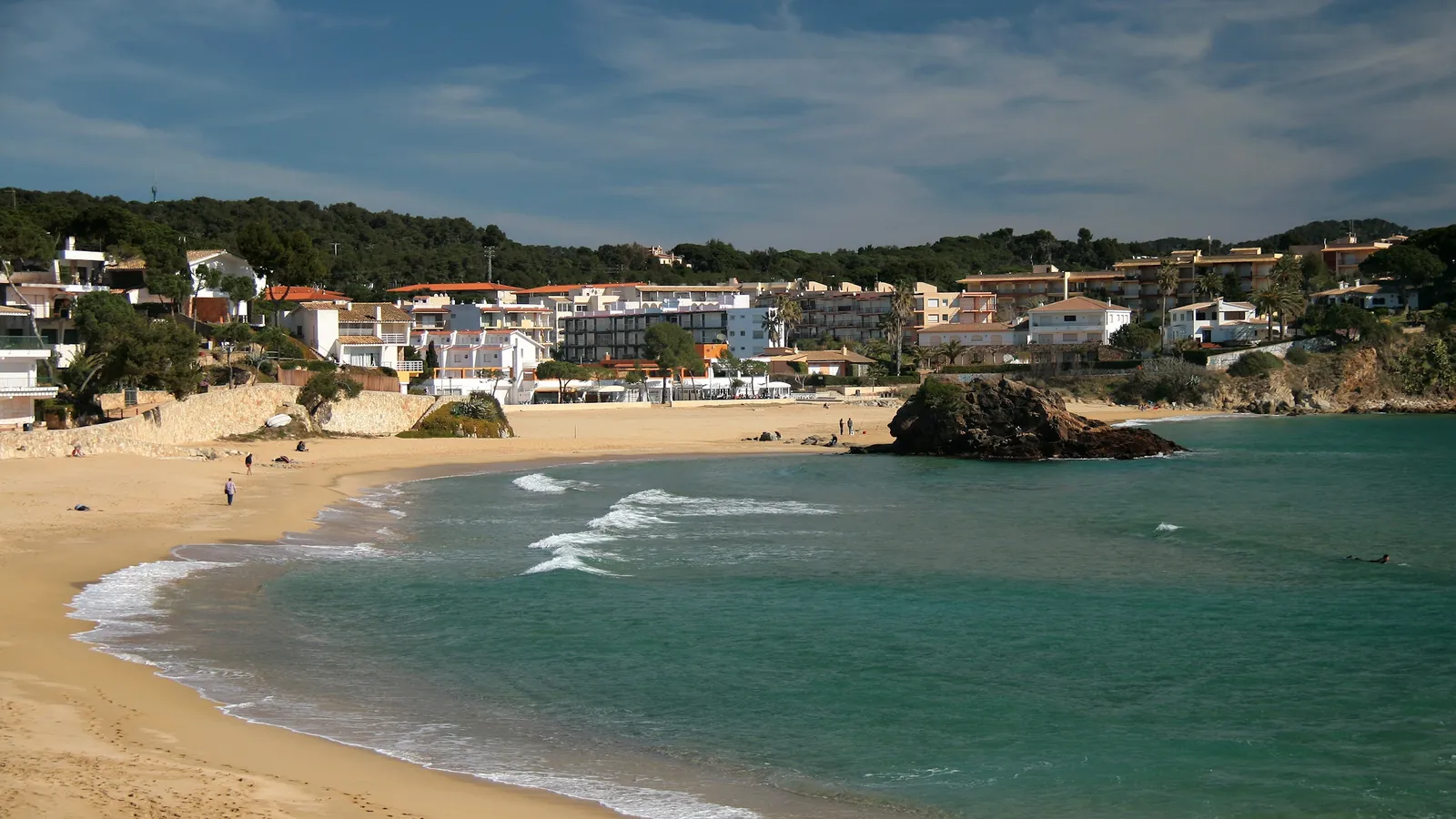
Near the beach sits Cap Gros Urban Park. The beach is located in Palamós, within the Cap Gros urban park area between Cap Gros and Punta de Sant Esteve.
Quick Overview
Plan Your Visit to La Fosca
The key facts before you go
About the Beach
What is La Fosca?
La Fosca is a south-facing beach in Palamós, Catalonia, situated within the Cap Gros urban park. This stretch of Catalan coast offers excellent bathing water quality and lies just over 100km from Barcelona's main airport. The beach sits between Cap Gros and Punta de Sant Esteve, giving it natural definition and shelter. Summer temperatures reach 24°C in air and 22–23°C in water, with the main swimming season running from June through October. Lifeguards are present during bathing season. La Fosca appeals to visitors seeking accessible coastal swimming with reliable water conditions and established facilities nearby.
It sits alongside certified beaches along Catalonia, part of a broader network of certified beaches throughout Spain certified annually by the Foundation for Environmental Education.
Sunrise, Sunset & Beach Direction
La Fosca faces south toward Mediterranean Sea. The best light for photography and swimming is typically in June, September. Direct sun hours follow that facing.
Planning
When to Go: Month by Month
| Month | Air Temp | Water Temp | Crowds |
|---|---|---|---|
| Jan | 9°C | 10°C | Low |
| Feb | 10°C | 10°C | Low |
| Mar | 12°C | 12°C | Low |
| Apr | 14°C | 15°C | Low |
| May | 17°C | 16°C | Low |
| Jun | 21°C | 20°C | Med |
| Jul | 24°C | 23°C | High |
| Aug | 24°C | 23°C | High |
| Sep | 21°C | 20°C | Med |
| Oct | 18°C | 18°C | Low |
| Nov | 13°C | 14°C | Low |
| Dec | 11°C | 11°C | Low |
The best time to visit La Fosca is June, September. Air temperatures peak around 24°C in summer. Peak water temperature reaches 22.5°C in July.
How crowded does La Fosca get?What determines visitor patterns at La Fosca? The beach's proximity to Palamós and location within Cap Gros urban park means it functions as both a local swimming spot and a destination beach. Summer months (June–August) see predictable crowding, particularly on weekends and during school holidays when air temperatures exceed 24°C. Peak season crowds correspond with school breaks and tourist influx to the Costa Brava region. June and September tend to be quieter than July–August, with water temperatures still comfortable (19.6°C+) but fewer families present. October sees reduced numbers as water cools to 18.2°C and summer holidays end. The presence of lifeguards suggests infrastructure designed for moderate to substantial visitor numbers, particularly in peak season. Urban park location means the beach shares space with broader recreational use rather than existing in isolation. Weekend usage typically exceeds weekday patterns. April–May and October–November attract mainly local swimmers and experienced visitors willing to tolerate cooler water (12–18°C range). Winter months see minimal bathing activity due to water temperatures dropping below 12°C.
Is La Fosca open year-round?The beach itself is accessible year-round, though staffed facilities including lifeguards typically operate only during the official season (01-06 – 15-09). The Blue Flag is displayed during the certification period only.
The Water
Swimming and Beach Life at La Fosca
Is La Fosca safe to swim?La Fosca is Blue Flag certified, which requires meeting strict bathing water standards set by the EU Bathing Water Directive. Water quality is rated Excellent. Lifeguards are on duty during the official season.
What is the water temperature at La Fosca?Peak water temperature at La Fosca reaches around 22.5°C in July, making it comfortable for swimming during the summer months. In winter (January), air temperatures average 9.3°C.
What is the beach like at La Fosca?La Fosca occupies a sheltered position within Cap Gros urban park, benefiting from its south-facing aspect and the protection offered by the surrounding headlands. What makes this beach practical for swimmers is its excellent bathing water quality rating, maintained consistently according to local testing. The Mediterranean here warms gradually through spring (reaching 14.5°C by April and 15.5°C by May) before becoming genuinely swimmable from June onwards. July and August peak at 22.5–22.6°C, making those months comfortable for extended time in the water. September remains pleasant at 19.6°C, while October cools to 18.2°C but remains viable for most swimmers. Winter months (January–March) drop to single digits or low teens, ruling out regular bathing. The beach sits integrated into urban parkland rather than in a remote setting, meaning it connects directly to infrastructure and amenities. Its location between two geographical points (Cap Gros and Punta de Sant Esteve) creates a defined beach zone with natural boundaries. Lifeguard presence during the swimming season provides supervision for safety. The water quality classification reflects regular monitoring and maintenance, important for those with specific health considerations or preference for verified cleanliness. Access involves entry through the Cap Gros park system, which shapes how visitors approach and use the beach. The south-facing orientation provides good sun exposure throughout the day, relevant for those planning extended visits or seeking therapeutic warmth.
Does La Fosca have good facilities?As a Blue Flag certified beach, La Fosca meets the Foundation for Environmental Education's standards for facilities and services. Trained lifeguards are on duty during the season. Showers are available. Parking is available nearby. The beach has disabled access facilities.
La Fosca sits on the Mediterranean Sea: explore all Blue Flag beaches on the Mediterranean.
Planning a trip to Spain? Blue Flag Beaches Spain 2026 , our editorial guide to certified beaches across the country.
While You're Here
Beyond La Fosca
Palamós itself is a functional port town with restaurants, shops, and accommodation options ranging from budget to mid-range. Cap Gros urban park provides walking routes and recreational facilities beyond the beach itself. The immediate coastal area offers additional swimming spots if you explore nearby coves and headlands. Inland Catalonia offers villages, local markets, and rural accommodation within 30–50km. The Costa Brava coastline provides numerous alternative beaches and coves for comparison visits if you're exploring the region beyond La Fosca. Palamós town centre contains supermarkets, pharmacies, and general services needed for stays of any length. The region has historical sites and cultural attractions typical of this part of Catalonia, though specifics would require local research beyond beach-focused information.
Transport
Getting to La Fosca
How do I get to La Fosca by car?La Fosca is approximately 1.43 km from Palamós. Follow local road signs to the beach. Check Google Maps or a local map for the most current directions.
What is the nearest airport to La Fosca?The nearest airport is Josep Tarradellas Barcelona-El Prat Airport (BCN), approximately 107.8 km away. Josep Tarradellas Barcelona-El Prat Airport (BCN) lies 107.8km from La Fosca. Journey time by rental car is approximately 90–110 minutes depending on traffic conditions and your route along the AP-7 motorway toward Palamós. The A-7/AP-7 highway provides direct access north from Barcelona toward the Costa Brava. Peak traffic periods (Friday–Sunday afternoons, summer months) can extend travel time significantly. Alternative routes via inland roads exist but add distance. Public transport from the airport involves train or bus connections to Palamós, followed by local access to the beach. Most independent travellers rent vehicles for flexibility exploring the Catalan coast, though organised transfers and shuttle services operate seasonally.
Can I get to La Fosca by public transport?Bus connections serve Palamós from Barcelona and surrounding towns. Journey duration varies by route and stops but typically runs 2–3 hours from central Barcelona. Local bus services within Palamós connect to the Cap Gros area and beach access points. Journey specifics depend on which operator and route you select, as multiple companies service this region. Schedules operate year-round with increased frequency during summer months. The nearest recorded bus stop is 900 m from the beach.
Is there a train to La Fosca?Train services from Barcelona connect to Palamós via Renfe regional lines. Journey time is approximately 90–120 minutes depending on train type and connections. Palamós railway station provides the nearest rail access. From Palamós station, the beach requires additional transport, local bus services, taxi, or car rental for the final distance into Cap Gros. Trains run regularly but frequency varies seasonally, with more services in summer months. Timetables should be checked in advance as schedules change. This option suits visitors without vehicles or those preferring not to drive.
Nearby
Near La Fosca
Mapped toilets, bus stops, cafés, parking, and shops within about 500 m of La Fosca. Distances are walking-line estimates from the beach pin.
Map loads when you ask. Tiles stay off the first paint.
Map: OpenStreetMap (ODbL)
Toilets near La Fosca
- Public toilets Public toilets 380 m
- Public toilets Public toilets 444 m
Cafés near La Fosca
- Can Pujol Restaurant 54 m
- Hostel Restaurant La Fosca Restaurant 112 m
- El Timon Restaurant 360 m
- Restaurant Restaurant 365 m
- Restaurant Restaurant 371 m
Parking near La Fosca
- Parking Parking 87 m
- Parking Parking 390 m
- Parking Parking 406 m
- Parking Parking 419 m
- Parking Parking 439 m
Supermarket near La Fosca
- Supermarket Supermarket 368 m
- Spar Supermarket 489 m
Source: © OpenStreetMap contributors (ODbL). Names and positions come from mapped OSM features. Confirm on site.
Practical Details
Practical Information
| At the Beach | |
| Entry | Free: no charge to access the beach |
|---|---|
| Lifeguards | ✓ On duty during official season |
| Disabled Access | ✓ Accessible site facilities and water entry |
| Showers | ✓ Available during season |
| Toilets | ✗ |
| Official Season | 01 Jun – 15 Sep |
| Beach Type | Sandy beach |
| Parking | ✓ Available nearby (surface parking) |
| Nearest supermarket | 370 m from the beach |
| Nearest bus stop | 900 m from the beach |
| Visiting Information | |
| GPS Coordinates | 41.8567°N, 3.1423°E |
| Water Quality | Excellent (EU Bathing Water Directive) |
| Blue Flag Operator | Foundation for Environmental Education (FEE), Spain |
Frequently Asked Questions
La Fosca FAQ
Is La Fosca worth visiting?
La Fosca suits visitors seeking reliable bathing conditions with verified water quality ratings. Excellent bathing water classification, lifeguard presence, and comfortable summer temperatures (22–23°C July–August) make it practical for regular swimmers. The beach integrates into developed parkland rather than offering remote coastal experience. Worth visiting depends on your priorities, it delivers functional, safe swimming rather than novelty or isolation. June–October provides the viable window; winter conditions (9–10°C water) rule out most bathing.
How do I get to La Fosca?
From Barcelona airport (BCN, 107.8km away): rental car via AP-7 motorway takes 90–110 minutes to Palamós, then local access to Cap Gros beach. Train option: Renfe regional service Barcelona–Palamós (90–120 minutes), then local transport to beach. Bus services operate Barcelona–Palamós (2–3 hours). From Palamós, beach access involves car, taxi, or local bus into Cap Gros park. Driving offers most flexibility for coastal exploration.
Best time of year to visit?
June–September offers peak swimming comfort: water reaches 19.6–22.6°C and air temperatures range 21–24°C. July–August sees warmest conditions (24°C air, 22.5°C water) but highest crowds. June and September provide comfortable temperatures with fewer visitors, water remains 19.6°C. May (15.5°C water) and October (18.2°C water) suit cold-tolerant swimmers. April reaches 14.5°C, marginal for most. November–March drops below usable temperatures for regular bathing (9–13°C range).
What facilities are there?
Lifeguards are present during the swimming season. Beach sits within Cap Gros urban park, providing park-integrated facilities and access infrastructure. Palamós town (nearby) offers restaurants, shops, pharmacies, and supermarkets for supplies. Specific facility details (toilets, showers, rentals, cafés on the beach itself) require direct contact with local authorities or Palamós tourism office, as this information was not available from core beach data.
Is La Fosca suitable for families?
La Fosca suits families who prioritise water safety and reliable conditions. Lifeguard presence and excellent water quality provide practical reassurance. Summer temperatures (June–August, 22–24°C) work well for children. Integration into Cap Gros urban park offers broader recreational space beyond the beach itself. Proximity to Palamós ensures food, supplies, and services. Water temperature in shoulder months (May, October) at 15–18°C may limit younger children's comfort. Winter months are unsuitable for family bathing due to cold water (9–12°C).
Are there toilets near La Fosca?
Yes. OpenStreetMap maps 2 toilet locations near La Fosca, including 380 m away and 444 m away. Distances are walking-line estimates within about 500 m of the beach pin. Confirm opening hours on site; some facilities are seasonal. © OpenStreetMap contributors (ODbL).
Are there cafés near La Fosca?
Yes. OpenStreetMap lists 5 cafés or restaurants near La Fosca, including Can Pujol (54 m), Hostel Restaurant La Fosca (112 m), El Timon (360 m), and 365 m away. Hours and seasonal opening are not verified here. Check on the day. © OpenStreetMap contributors (ODbL).
Is there parking near La Fosca?
Yes. OpenStreetMap maps parking 87 m from La Fosca, with 5 lots or spaces inside about 500 m. Charges and time limits are not recorded here. © OpenStreetMap contributors (ODbL).
Is there a supermarket near La Fosca?
Yes. OpenStreetMap maps a supermarket 368 m from La Fosca. Walking-line distance; confirm opening hours locally. © OpenStreetMap contributors (ODbL).
Explore More
Nearby Blue Flag Beaches
Editorial
From the Zeach Blog
Everything you need to know about what makes a beach qualify for Blue Flag status, from water quality to environmental education.
Read moreOur editorial team's pick of the standout Blue Flag beaches in Spain, rated for family friendliness, scenery, and facilities.
Explore SpainWhat the flag actually means, how certification works, and why a Blue Flag is a genuinely reliable signal, not just a marketing tool.
Read moreSources
- Foundation for Environmental Education: Blue Flag programme
- FEE site listing for La Fosca
- ADEAC (Asociación de Educación Ambiental y del Consumidor)
- European Environment Agency: bathing water quality
Last verified September 2026. National operator pages and FEE listings are the primary certification sources.