Hípica
Melilla, Spain: Excellent water quality
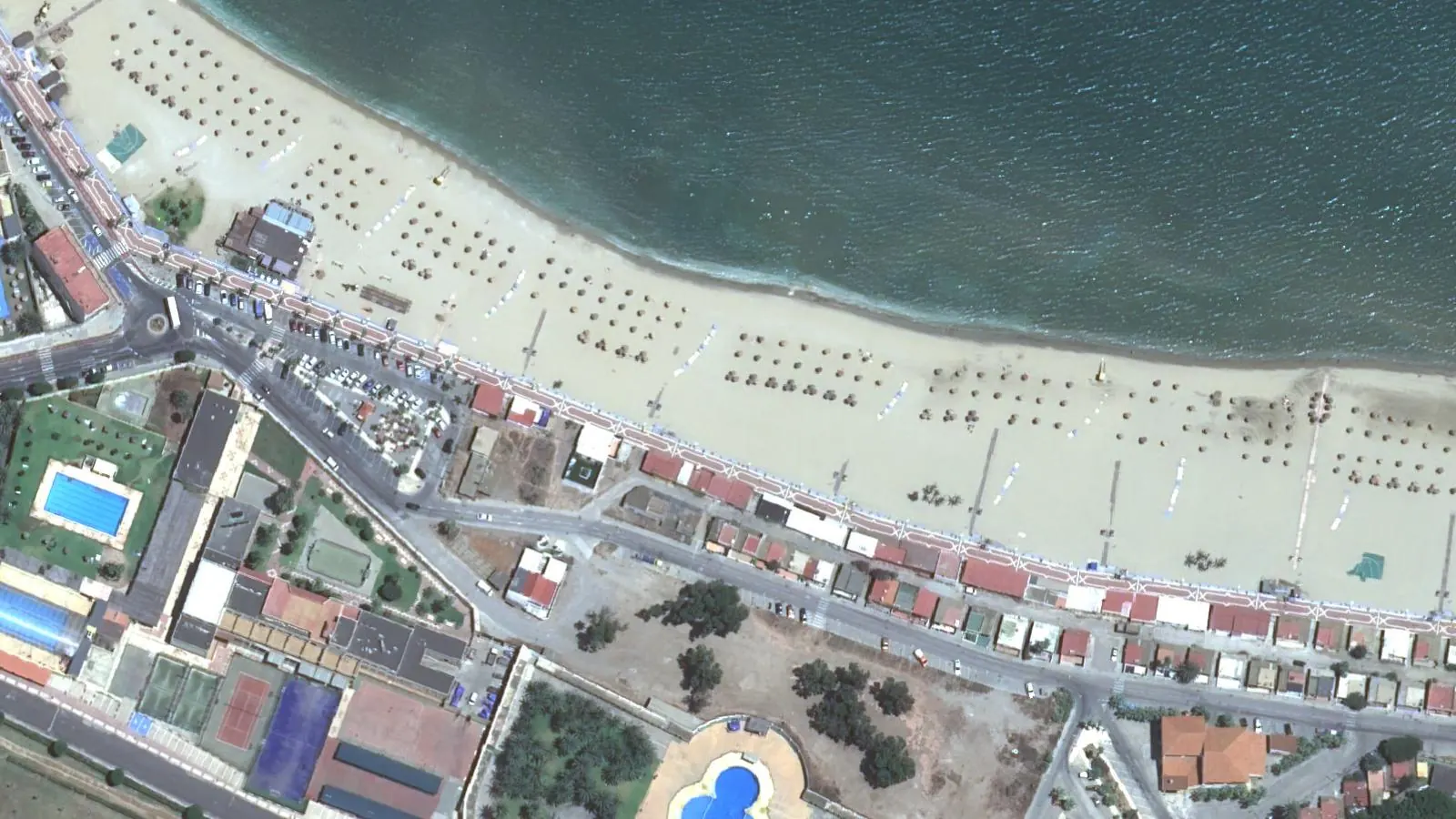
Take bus line 1 and get off at Street of Heroes of Alcantara, then walk 300 meters to the beach.
Quick Overview
Plan Your Visit to Hípica
The key facts before you go
About the Beach
What is Hípica?
Hipica is a Blue Flag beach in Melilla, Spain, offering excellent bathing water quality and a genuine urban beach experience. Located on the Mediterranean coast of North Africa's Spanish enclave, this west-facing beach attracts both locals and visitors seeking reliable swimming conditions and straightforward amenities. The beach features fine golden sand, a wide expanse of shoreline, and notably calm water, ideal for those looking for a straightforward beach day without the crowds of more famous Spanish destinations. With lifeguards on duty and verified water quality standards, Hipica provides a practical option for swimmers during the warmer months.
It sits alongside Blue Flag beaches in Melilla, part of a broader network of Blue Flag certified beaches across Spain certified annually by the Foundation for Environmental Education.
Visitor Feedback
What Visitors Say About Hípica
What visitors appreciate
- umbrellas|hammocks|fine sand|free umbrella|wide beach|golden sand|urban beach|blue flag|length|calm water
- Well-staffed with lifeguards during season
- Excellent EU-rated bathing water quality
Points to consider
- Can be busy during July and August peak season
- Limited parking near the beach
- Facilities may be reduced outside peak months
Based on aggregated public visitor feedback. Themes are synthesised from multiple sources, not individual quotes. Zeach does not reproduce individual reviews.
Sunrise, Sunset & Beach Direction
Hípica faces west toward Mediterranean Sea. The best light for photography and swimming is typically in May, June. Direct sun hours follow that facing.
Planning
When to Go: Month by Month
| Month | Air Temp | Water Temp | Crowds |
|---|---|---|---|
| Jan | 13°C | 10°C | Low |
| Feb | 14°C | 11°C | Low |
| Mar | 15°C | 12°C | Low |
| Apr | 16°C | 13°C | Low |
| May | 20°C | 17°C | Med |
| Jun | 23°C | 20°C | High |
| Jul | 26°C | 23°C | High |
| Aug | 26°C | 23°C | High |
| Sep | 24°C | 21°C | Med |
| Oct | 21°C | 18°C | Low |
| Nov | 17°C | 14°C | Low |
| Dec | 14°C | 11°C | Low |
The best time to visit Hípica is May, June. Air temperatures peak around 25.5°C in summer. Peak water temperature reaches 22.5°C in July.
How crowded does Hípica get?Hipica operates as a working urban beach serving Melilla's resident population and visiting swimmers. During the official swim season from July through September, the beach experiences regular use, though the wide sand expanse helps distribute visitors across its length. The calm water particularly attracts families and less confident swimmers, which shapes the typical crowd composition. Winter months (November-June) see minimal swimming activity due to water temperatures below 17°C, making the beach quieter but also less appealing for traditional bathing. The presence of free umbrellas and hammock facilities suggests the beach caters to visitors planning extended stays rather than quick visits. Bus accessibility via line 1 keeps the beach reachable for locals without private transport, likely supporting steady weekday use alongside weekend visitor patterns. Peak times would logically align with school holidays and Mediterranean summer weather (July-August), while June and September offer calmer periods with still-acceptable water temperatures.
Is Hípica open year-round?The beach itself is accessible year-round, though staffed facilities including lifeguards typically operate only during the official season (17-05 – 17-09). The Blue Flag is displayed during the certification period only.
The Water
Swimming and Beach Life at Hípica
Is Hípica safe to swim?Hípica is Blue Flag certified, which requires meeting strict bathing water standards set by the EU Bathing Water Directive. Water quality is rated Excellent. Lifeguards are on duty during the official season.
What is the water temperature at Hípica?Peak water temperature at Hípica reaches around 22.5°C in July, making it comfortable for swimming during the summer months. In winter (January), air temperatures average 12.8°C.
What is the beach like at Hípica?Hipica's defining characteristic is its wide stretch of fine golden sand, which gives it a spacious feel despite its urban location. The beach is equipped with umbrellas (both free options and rentals) making it accessible for visitors with varying budgets. Hammocks are available, adding to the relaxation options beyond traditional sunbathing. The water quality here is excellent, consistently monitored and certified as Blue Flag standard. The calm water conditions are particularly notable for a Mediterranean beach; the west-facing orientation and Melilla's coastal position create predictable, gentle conditions. Water temperatures follow a clear seasonal pattern: winter months (January-February) hover around 10°C, making swimming uncomfortable without a wetsuit. Spring sees gradual warming, with April reaching 13.4°C and May climbing to 16.6°C. Summer is the prime season. July averages 22.5°C and August peaks at 23.4°C, providing genuinely warm Mediterranean swimming. September remains pleasant at 21°C before cooling returns in October. The beach's urban setting means it integrates directly into Melilla's city infrastructure rather than offering isolated coastal scenery. This positioning delivers reliable facilities and accessibility but differs from more remote beach experiences. The fine sand is suitable for all beach activities, and the wide beach layout prevents overcrowding even during peak periods. Lifeguards provide safety oversight during operational hours, adding a practical safety layer for swimmers. The combination of Blue Flag certification, calm waters, and established amenities makes this a functional rather than spectacular beach destination.
Does Hípica have good facilities?As a Blue Flag certified beach, Hípica meets the Foundation for Environmental Education's standards for facilities and services. Trained lifeguards are on duty during the season. The beach has disabled access facilities.
Hípica sits on the Mediterranean Sea: explore all Blue Flag beaches on the Mediterranean.
Planning a trip to Spain? Blue Flag Beaches Spain 2026 , our editorial guide to certified beaches across the country.
While You're Here
Beyond Hípica
Melilla itself offers the primary context for activities beyond beach time. As Spain's North African enclave, the city carries distinct historical and cultural significance distinct from mainland Spanish coastal towns. The walled medina provides older architecture and local commerce, while the Spanish-style layout reflects its colonial heritage. Melilla's position on Morocco's border creates specific geopolitical characteristics and security considerations that visitors should research before traveling. The city functions as both a Spanish municipality and a distinct coastal settlement, offering cultural contrasts but also requiring realistic expectations about urban infrastructure and services compared to larger Spanish beach destinations. The 300-meter walk from the bus stop integrates the beach into the city's pedestrian network rather than isolating it, meaning beach visits naturally connect to exploring central Melilla's streets and facilities.
Transport
Getting to Hípica
How do I get to Hípica by car?Hípica is approximately 2.73 km from Melilla. Follow local road signs to the beach. Check Google Maps or a local map for the most current directions.
What is the nearest airport to Hípica?The nearest airport is Málaga-Costa del Sol Airport (AGP), approximately 171.8 km away. Málaga-Costa del Sol Airport (AGP) is the nearest international gateway, located 171.8 km from Hipica. This airport handles flights from across Europe and beyond, offering the most convenient air access to the region. From Málaga airport, reaching Melilla requires either a domestic flight to Melilla's own airport (approximately 1 hour flight) or ground transport options including car rental or coach services. The distance makes same-day beach arrival feasible but requires connecting transport planning. Direct flights from northern European cities to Málaga are frequent, making this routing viable for international visitors.
Can I get to Hípica by public transport?Bus line 1 provides direct access to Hipica beach. Exit at the stop for Street of Heroes of Alcantara, then walk approximately 300 meters to reach the beach. This straightforward routing makes the beach accessible without private transport and integrates it into Melilla's public transport network.
Map
Find Hípica
Open the map or get directions to the Hípica pin. Amenity names are listed here only when OpenStreetMap has a mapped feature nearby.
Map loads when you ask. Tiles stay off the first paint.
Map: OpenStreetMap (ODbL)
Practical Details
Practical Information
| At the Beach | |
| Entry | Free: no charge to access the beach |
|---|---|
| Lifeguards | ✓ On duty during official season |
| Disabled Access | ✓ Accessible site facilities and water entry |
| Showers | ✗ |
| Toilets | ✗ |
| Official Season | 17 May – 17 Sep |
| Beach Type | Sandy beach |
| Sand | Golden / yellow sand |
| Visiting Information | |
| GPS Coordinates | 35.2744°N, 2.9309°W |
| Water Quality | Excellent (EU Bathing Water Directive) |
| Blue Flag Operator | Foundation for Environmental Education (FEE), Spain |
Frequently Asked Questions
Hípica FAQ
Is Hipica worth visiting?
Hipica suits visitors prioritizing reliable water quality, calm swimming conditions, and straightforward facilities over dramatic scenery or resort amenities. The Blue Flag certification and excellent bathing water quality provide verified safety standards. The wide golden sand beach and free umbrella options offer practical value. It's worth visiting if you're in Melilla and want a functional beach with dependable conditions, but it's not a destination that justifies travel from distant locations based on beach appeal alone.
How do I get to Hipica?
Bus line 1 from central Melilla provides direct access. Exit at the Street of Heroes of Alcantara stop and walk 300 meters to the beach. For international arrival, Málaga-Costa del Sol Airport (171.8 km away) is the nearest major hub, requiring onward transport to Melilla. Within Melilla, the bus connection makes the beach accessible without private transport, integrating it into the city's public transit system.
What's the best time of year to visit?
July through September form the official swim season with optimal conditions. July averages 22.5°C, August peaks at 23.4°C, and September holds 21°C, all genuinely warm for Mediterranean swimming. June and early October remain acceptable at 16.6°C and 17.6°C respectively, though requiring more tolerance for cooler water. Winter months (November-May) drop to 9.8-13.6°C, unsuitable for recreational swimming without wetsuits. Plan beach visits between June and September for reliable warm water.
What facilities are there?
Hipica offers umbrellas (both free and rental options), hammocks, and lifeguard coverage during operational hours. The wide sandy beach and calm water conditions support standard beach activities. Blue Flag certification indicates monitored water quality and safety standards. The urban beach location means nearby Melilla provides additional amenities including restaurants and shops within walking distance. Facilities focus on essentials rather than comprehensive resort-style services.
Is it suitable for families?
Yes, Hipica's calm water is particularly suited to families with children or less confident swimmers. The wide beach layout prevents overcrowding, the presence of lifeguards provides safety oversight, and free umbrella availability reduces costs for families. The gentle water conditions reduce hazards compared to more exposed beaches. The 300-meter walk from the bus stop is manageable with children. Urban beach facilities and proximity to Melilla's services support family beach days, making it a practical family-friendly choice.
Explore More
Nearby Blue Flag Beaches
Editorial
From the Zeach Blog
Everything you need to know about what makes a beach qualify for Blue Flag status, from water quality to environmental education.
Read moreOur editorial team's pick of the standout Blue Flag beaches in Spain, rated for family friendliness, scenery, and facilities.
Explore SpainWhat the flag actually means, how certification works, and why a Blue Flag is a genuinely reliable signal, not just a marketing tool.
Read moreSources
- Foundation for Environmental Education: Blue Flag programme
- FEE site listing for Hípica
- ADEAC (Asociación de Educación Ambiental y del Consumidor)
- European Environment Agency: bathing water quality
Last verified September 2026. National operator pages and FEE listings are the primary certification sources.