El Socorro
Canary Islands, Spain: Excellent water quality
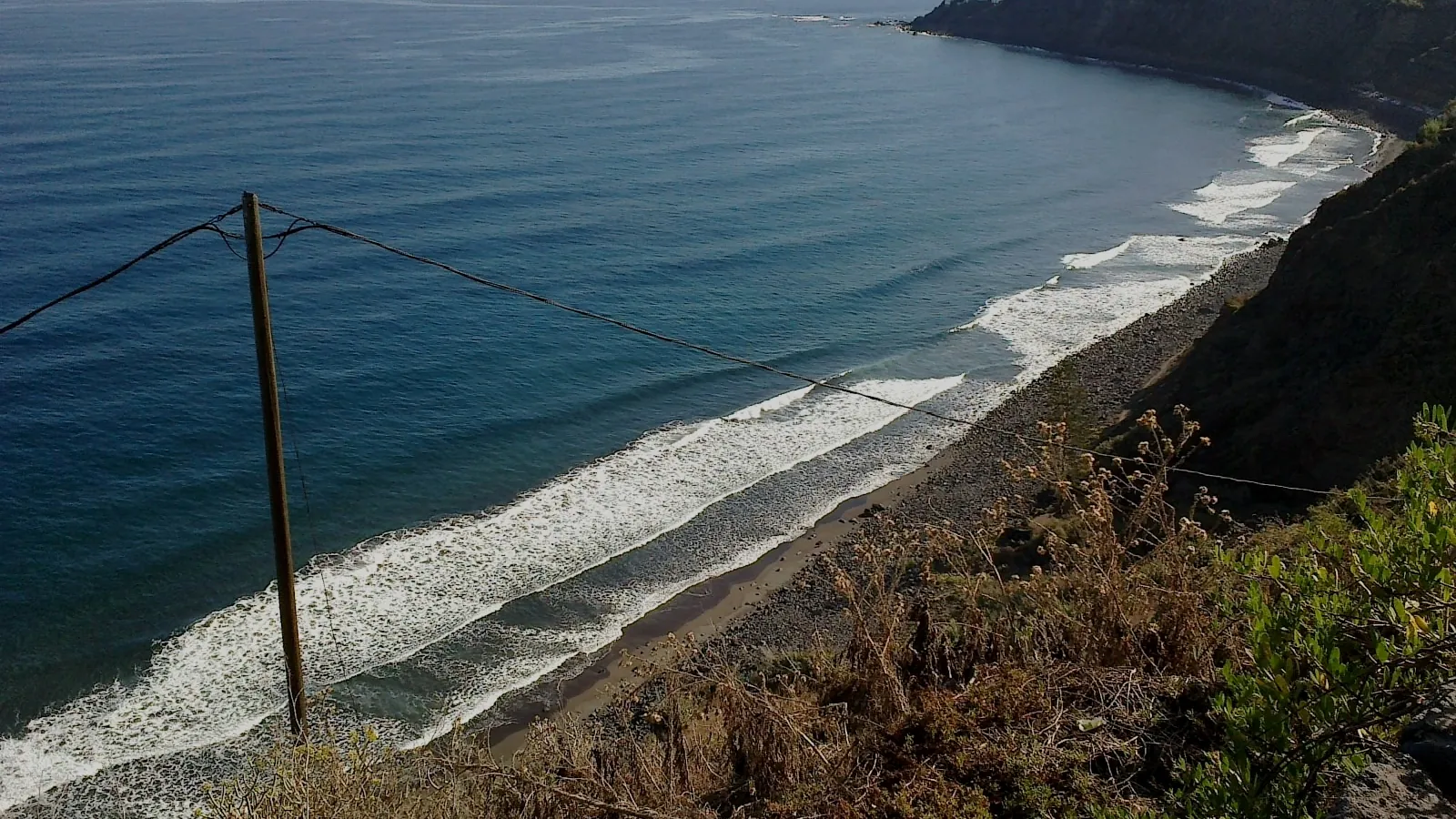
Rural Beach. The beach sits in the north zone of Los Realejos municipality, beside the coastal areas of Grimona and Guidaste. Two protected natural spaces border the area: Rambla de Castro and los Campeches, Tigaiga y Ruiz, both designated under Spain's protected natural spaces law.
Quick Overview
Plan Your Visit to El Socorro
The key facts before you go
About the Beach
What is El Socorro?
El Socorro is a rural beach on the north coast of Tenerife, located in Los Realejos municipality. Backed by protected natural areas including the Rambla de Castro and los Campeches, Tigaiga y Ruiz spaces, this is a working coastal community rather than a resort destination. The beach faces east and benefits from excellent bathing water quality. Access is straightforward via the C-820 road from the TF-5 highway. El Socorro offers a quieter alternative to Tenerife's busier beaches, with lifeguard cover and a municipal cultural facility nearby. Water temperatures peak at 21.2°C in August, making summer the main swimming season, though conditions remain swimmable through December.
It sits alongside certified beaches along Canary Islands, part of a broader network of certified beaches throughout Spain certified annually by the Foundation for Environmental Education.
Sunrise, Sunset & Beach Direction
El Socorro faces east toward Atlantic Ocean. The best light for photography and swimming is typically in April, May, June. Direct sun hours follow that facing.
Planning
When to Go: Month by Month
| Month | Air Temp | Water Temp | Crowds |
|---|---|---|---|
| Jan | 17°C | 14°C | Med |
| Feb | 17°C | 14°C | Med |
| Mar | 17°C | 14°C | Med |
| Apr | 18°C | 15°C | High |
| May | 19°C | 16°C | High |
| Jun | 21°C | 18°C | High |
| Jul | 23°C | 20°C | High |
| Aug | 24°C | 21°C | High |
| Sep | 23°C | 20°C | High |
| Oct | 22°C | 19°C | Med |
| Nov | 20°C | 17°C | Med |
| Dec | 18°C | 15°C | Med |
The best time to visit El Socorro is April, May, June. Air temperatures peak around 22.8°C in summer. Peak water temperature reaches 19.8°C in July.
How crowded does El Socorro get?El Socorro functions as a local beach rather than a tourist-focused destination, which significantly affects crowd patterns. Being a rural beach in Los Realejos rather than a major resort area, visitor numbers remain considerably lower than Tenerife's main tourist beaches. The peak swimming season runs from August through December, when water temperatures are warmest (21.2°C in August cooling to 15.1°C by December). August and September naturally see higher visitor numbers due to school holidays and optimal water temperatures around 20°C+. Air temperatures peak in August-September at 24.2°C and 23.3°C, making these months most comfortable for non-swimmers too. Winter months (January-March) experience minimal bathing activity due to water temperatures dropping to 13.8-14.0°C, though the beach remains accessible. The presence of lifeguards suggests some seasonal variation in staffing levels. As a rural location without major resort infrastructure, El Socorro lacks the commercial facilities that typically draw large crowds. The nearby municipal cultural facility indicates some local community use. Most visitors are likely to be locals, regional tourists, or those seeking quieter coastal alternatives. Weekend patterns probably differ from weekdays, particularly during summer months when day-trippers from nearby Puerto de La Cruz area might visit.
Is El Socorro open year-round?The beach itself is accessible year-round, though staffed facilities including lifeguards typically operate only during the official season (01-01 – 31-12). The Blue Flag is displayed during the certification period only.
The Water
Swimming and Beach Life at El Socorro
Is El Socorro safe to swim?El Socorro is Blue Flag certified, which requires meeting strict bathing water standards set by the EU Bathing Water Directive. Water quality is rated Excellent. Lifeguards are on duty during the official season.
What is the water temperature at El Socorro?Peak water temperature at El Socorro reaches around 19.8°C in July, making it comfortable for swimming during the summer months. In winter (January), air temperatures average 16.8°C.
What is the beach like at El Socorro?El Socorro stretches along Tenerife's northern coast in a rural setting, distinct from the island's developed tourist beaches. The beach is easily accessed from the C-820 road, with a convenient entrance near the San Pedro viewpoint, which overlooks the Rambla de Castro Protected Natural Area. The bathing water consistently meets excellent quality standards, monitored regularly throughout the year. Water temperatures follow a typical Atlantic pattern: January and February average around 13.8-14.0°C, gradually warming through spring. Peak conditions occur August through September, when water temperatures reach 21.2°C and 20.3°C respectively. Air temperatures in summer months (August-September) range from 22.8°C to 24.2°C, providing warm conditions for beach activities. The beach is situated beside coastal areas of Grimona and Guidaste, positioning it within a network of protected natural spaces. Lifeguards are present during operational periods, providing safety oversight for swimmers. The immediate environment retains rural character, with the beach serving local communities rather than functioning as a major resort facility. The municipal cultural facility (Nature Area Emilio Muñoz) nearby indicates some infrastructure development. The east-facing orientation provides exposure to Atlantic swells and wind patterns typical of Tenerife's north coast. El Socorro's rating as a Blue Flag beach confirms it meets European standards for water quality, safety, and environmental management across multiple assessment categories.
Does El Socorro have good facilities?As a Blue Flag certified beach, El Socorro meets the Foundation for Environmental Education's standards for facilities and services. Trained lifeguards are on duty during the season. The beach has disabled access facilities.
El Socorro sits on the Atlantic Ocean: explore all Blue Flag beaches on the Atlantic.
Planning a trip to Spain? Blue Flag Beaches Spain 2026 , our editorial guide to certified beaches across the country.
While You're Here
Beyond El Socorro
El Socorro's location within protected natural areas creates opportunities for coastal exploration. The adjacent Rambla de Castro Protected Natural Area lies directly adjacent, this space is visible from the San Pedro viewpoint that marks the beach entrance. The los Campeches, Tigaiga y Ruiz protected spaces extend across this section of Tenerife's north coast. These areas are legally protected under Spain's natural space conservation law, indicating ecological importance. The rural setting around El Socorro contrasts with developed tourist zones, offering a more natural coastal environment. Los Realejos municipality extends inland from the beach, providing access to local communities and traditional settlements. The proximity to Puerto de La Cruz (accessible via the TF-5 highway) offers cultural facilities, shopping, and dining if needed. The coastal paths linking Grimona and Guidaste areas may provide walking routes, though formal trail information is not confirmed. The east-facing beach position means nearby western-facing locations along the same coast could offer alternative viewpoints or access points for exploring the broader protected coastal landscape.
Transport
Getting to El Socorro
How do I get to El Socorro by car?El Socorro is approximately 5.17 km from Los Realejos. Follow local road signs to the beach. Check Google Maps or a local map for the most current directions.
What is the nearest airport to El Socorro?The nearest airport is Tenerife Norte Airport (TFN) (TFN), approximately 27.4 km away. Tenerife Norte Airport (TFN) is the closest air gateway, located 27.4 km from El Socorro beach. From the airport, drive south toward Los Realejos via the TF-5 highway heading toward Puerto de La Cruz and Icod. This main road connects directly to Los Realejos municipality. Once approaching Los Realejos from the TF-5, take the C-820 road turnoff, which provides direct beach access. The journey takes approximately 35-45 minutes depending on traffic conditions. The drive passes the San Pedro viewpoint, which is a useful landmark. El Socorro's entrance is located 200 meters after this viewpoint. Standard car rental is available at the airport. If using a taxi, confirm the destination (El Socorro, Los Realejos) clearly with the driver beforehand, as the beach is rural rather than a major tourist resort.
Can I get to El Socorro by public transport?Public transport to El Socorro is limited due to its rural location. Los Realejos is served by local bus routes from surrounding areas, but specific service to the beach itself is not confirmed. Check with TITSA (Tenerife's public transport operator) for routes serving Los Realejos municipality. If you reach Los Realejos town center, a taxi to the beach (approximately 5-10 km) becomes necessary. For reliable beach access, car rental or pre-arranged transport is recommended rather than relying solely on bus connections.
Map
Find El Socorro
Open the map or get directions to the El Socorro pin. Amenity names are listed here only when OpenStreetMap has a mapped feature nearby.
Map loads when you ask. Tiles stay off the first paint.
Map: OpenStreetMap (ODbL)
Practical Details
Practical Information
| At the Beach | |
| Entry | Free: no charge to access the beach |
|---|---|
| Lifeguards | ✓ On duty during official season |
| Disabled Access | ✓ Accessible site facilities |
| Showers | ✗ |
| Toilets | ✗ |
| Official Season | 01 Jan – 31 Dec |
| Beach Type | Sandy beach |
| Visiting Information | |
| GPS Coordinates | 28.3941°N, 16.6032°W |
| Water Quality | Excellent (EU Bathing Water Directive) |
| Blue Flag Operator | Foundation for Environmental Education (FEE), Spain |
Frequently Asked Questions
El Socorro FAQ
Is El Socorro worth visiting?
Yes, if you prefer quieter coastal alternatives to Tenerife's main tourist beaches. El Socorro offers excellent bathing water quality in a rural setting within protected natural areas. It's suitable for those seeking authentic local beaches rather than resort facilities. The beach works well during summer months (August-December) when water temperatures are warmest. However, it's not ideal if you require extensive facilities, dining, or accommodation nearby. The beach is worth the trip if coastal exploration of less-developed areas appeals to you, or as a day visit from Puerto de La Cruz.
How do I get to El Socorro?
From Tenerife Norte Airport (27.4 km away), drive south toward Los Realejos via the TF-5 highway heading toward Puerto de La Cruz. Take the C-820 road turnoff for direct beach access. The journey takes approximately 35-45 minutes. Look for the San Pedro viewpoint as a landmark. El Socorro's entrance is 200 meters past this point. Car rental is the most reliable option. Public buses serve Los Realejos municipality, but specific beach service isn't confirmed; a taxi from the town may be necessary as an alternative.
What's the best time of year to visit?
August through December offers the optimal swimming season. August has the warmest water at 21.2°C and air temperatures of 24.2°C. September remains excellent with 20.3°C water and 23.3°C air temperatures. These months provide genuinely swimmable conditions. October-December remain viable (water stays above 15°C), though temperatures gradually cool. January-March see the coldest water (13.8-14.0°C), making swimming uncomfortable for most visitors. Summer months also experience higher visitor numbers, though El Socorro still remains less crowded than major tourist beaches.
What facilities are there at El Socorro?
El Socorro has lifeguard cover during operational periods, providing safety oversight for swimmers. A municipal cultural facility (Nature Area Emilio Muñoz) is located nearby, serving community and educational purposes. Beyond these, specific facility details (such as restrooms, showers, parking, or food outlets) are not confirmed. As a rural beach rather than a developed resort, expect limited commercial infrastructure. You should bring supplies and be self-sufficient, or plan access to Los Realejos town for services. Check locally for any seasonal variations in lifeguard availability.
Is El Socorro suitable for families?
Yes, with practical considerations. Lifeguards are present, providing safety supervision for children. Excellent bathing water quality ensures healthy swimming conditions. The rural setting and quieter atmosphere offer a different experience from crowded resort beaches. However, limited on-site facilities mean families should plan carefully, bring food, water, and supplies. Summer months (August-September) are most suitable due to warm water (20-21°C) and pleasant air temperatures (23-24°C). Winter months are less practical for families due to cold water (13-15°C). Check lifeguard operational schedules before visiting, particularly outside peak season.
Explore More
Nearby Blue Flag Beaches
Editorial
From the Zeach Blog
Everything you need to know about what makes a beach qualify for Blue Flag status, from water quality to environmental education.
Read moreOur editorial team's pick of the standout Blue Flag beaches in Spain, rated for family friendliness, scenery, and facilities.
Explore SpainWhat the flag actually means, how certification works, and why a Blue Flag is a genuinely reliable signal, not just a marketing tool.
Read moreSources
- Foundation for Environmental Education: Blue Flag programme
- FEE site listing for El Socorro
- ADEAC (Asociación de Educación Ambiental y del Consumidor)
- European Environment Agency: bathing water quality
Last verified September 2026. National operator pages and FEE listings are the primary certification sources.