El Moro
Valencian Community, Spain: Excellent water quality
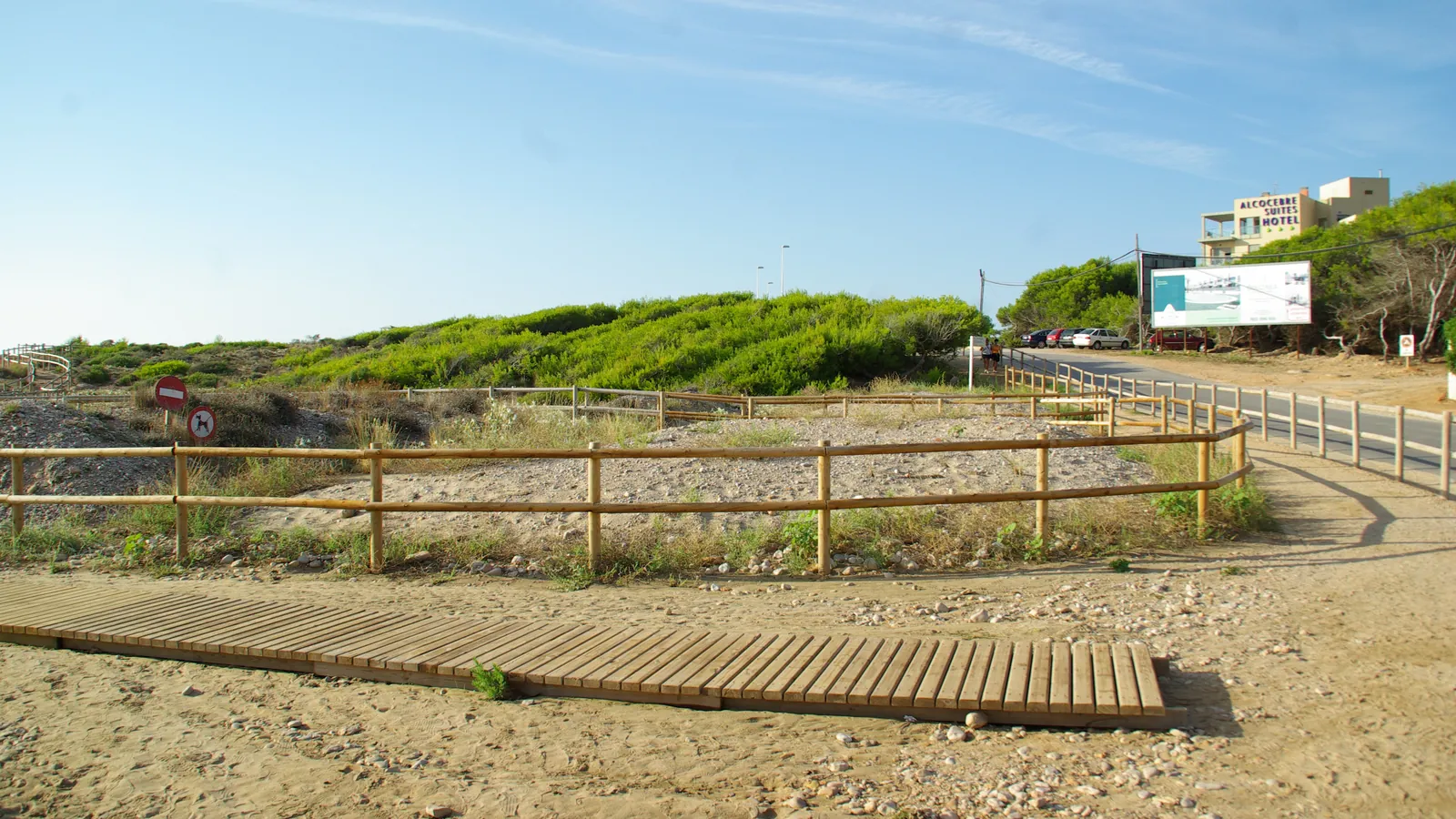
**Alcossebre Beach**
Quick Overview
Plan Your Visit to El Moro
The key facts before you go
About the Beach
What is El Moro?
El Moro sits on the Valencian coast near Alcalà de Xivert, offering a straightforward beach experience with fine sand and reliable facilities. Located in an urban area just outside the city center, this west-facing beach combines accessibility with proximity to natural sites like Irta Mountain. The bathing water quality consistently rates as excellent, making it a practical choice for swimmers throughout the season. The beach operates within a developed coastal zone where you'll find restaurants, sport facilities, and public transport connections. Tourist information services are available on-site. El Moro functions as a working beach for locals and visitors seeking standard amenities rather than isolation, it's the kind of place where you can swim safely with lifeguards present during peak months and grab food without traveling far.
It sits alongside certified beaches along Valencian Community, part of a broader network of certified beaches throughout Spain certified annually by the Foundation for Environmental Education.
Sunrise, Sunset & Beach Direction
El Moro faces west toward Mediterranean Sea. The best light for photography and swimming is typically in June. Direct sun hours follow that facing.
Planning
When to Go: Month by Month
| Month | Air Temp | Water Temp | Crowds |
|---|---|---|---|
| Jan | 10°C | 7°C | Low |
| Feb | 11°C | 8°C | Low |
| Mar | 12°C | 9°C | Low |
| Apr | 14°C | 11°C | Low |
| May | 18°C | 15°C | Low |
| Jun | 22°C | 19°C | Med |
| Jul | 25°C | 22°C | High |
| Aug | 25°C | 22°C | High |
| Sep | 22°C | 19°C | Med |
| Oct | 18°C | 15°C | Low |
| Nov | 14°C | 11°C | Low |
| Dec | 11°C | 8°C | Low |
The best time to visit El Moro is June. Air temperatures peak around 25°C in summer. Peak water temperature reaches 22°C in July.
How crowded does El Moro get?El Moro attracts a mixed crowd reflecting its location in an urban area outside the city center. During peak season (July-August), expect typical Mediterranean beach activity, families with children, swimmers, and sunbathers occupying the fine sand. The presence of restaurants and sport facilities nearby suggests the beach functions as a community gathering space rather than a secluded spot. Crowds tend to concentrate during mid-day hours and weekends, which is standard for accessible urban beaches. The lifeguard schedule (11:00-19:00 in summer) essentially defines peak-use hours, before and after these times, the beach sees minimal formal supervision. Shoulder seasons (September-November) bring fewer people, though water temperatures remain swimmable. Winter months (December-June) see sparse beach activity due to cold water and air temperatures, making the beach quieter but less inviting for typical seaside visits. The nearby Irta Mountain Sensible Area draws some visitors interested in trekking or guided tours, which can affect overall coastal zone traffic patterns. Public transport accessibility means the beach draws day-trippers from surrounding areas, preventing the isolation you'd find at more remote coastal sites. Tourist information services on-site suggest El Moro caters to organized visiting rather than spontaneous discovery.
Is El Moro open year-round?The beach itself is accessible year-round, though staffed facilities including lifeguards typically operate only during the official season (01-06 – 30-09). The Blue Flag is displayed during the certification period only.
The Water
Swimming and Beach Life at El Moro
Is El Moro safe to swim?El Moro is Blue Flag certified, which requires meeting strict bathing water standards set by the EU Bathing Water Directive. Water quality is rated Excellent. Lifeguards are on duty during the official season.
What is the water temperature at El Moro?Peak water temperature at El Moro reaches around 22°C in July, making it comfortable for swimming during the summer months. In winter (January), air temperatures average 9.7°C.
What is the beach like at El Moro?El Moro's defining characteristic is its fine sand, which provides a comfortable surface for walking and lounging. The beach faces west, meaning afternoon light comes from behind the shoreline, useful information if you're planning photography or prefer morning sun exposure. Water temperatures follow the Mediterranean pattern: cold from January through April (ranging from 6.7°C to 11.1°C), warming significantly through spring and summer, peaking at 22.3°C in August, then cooling again through autumn. This makes El Moro genuinely swimmable only from July through November, when water temperatures exceed 15°C. Air temperatures tell a similar story. January averages 9.7°C while July and August hover around 25°C. The beach location sits within Alcalà de Xivert-Alcossebre municipality on Camí de l'Atall. Bathing water quality assessments consistently rate this beach as excellent, reflecting proper monitoring and maintenance standards. The lifeguard service operates on a defined schedule: June through September from 11:00 to 19:00 hours. This limited window is important to know, swimming outside these hours means no immediate rescue capability, though the excellent water quality suggests generally safe conditions. The urban context means the beach integrates into the broader town infrastructure rather than offering remote or wilderness swimming. Fine sand combined with good water quality makes this beach reliable for standard beach activities (swimming, wading, and sunbathing) without requiring special conditions or advanced planning.
Does El Moro have good facilities?As a Blue Flag certified beach, El Moro meets the Foundation for Environmental Education's standards for facilities and services. Trained lifeguards are on duty during the season.
El Moro sits on the Mediterranean Sea: explore all Blue Flag beaches on the Mediterranean.
Planning a trip to Spain? Blue Flag Beaches Spain 2026 , our editorial guide to certified beaches across the country.
While You're Here
Beyond El Moro
Local Attraction
Transport
Getting to El Moro
How do I get to El Moro by car?El Moro is approximately 9.12 km from Alcalà de Xivert. Follow local road signs to the beach. Check Google Maps or a local map for the most current directions.
What is the nearest airport to El Moro?The nearest airport is Ibiza Airport (IBZ), approximately 178.1 km away. Ibiza Airport (IBZ) is the nearest commercial air hub at 178.1 kilometers away. From Ibiza, you'll need ground transportation to reach El Moro near Alcalà de Xivert. Car rental is practical given the distance and beach location, the journey takes approximately 2.5 hours driving north through Valencia's coastal zone. Public transport connections from Ibiza Airport to the Alcalà de Xivert area exist but require transfers and coordination with regional bus services. The airport itself primarily serves Mediterranean tourism routes, so you'll have standard European flight options. Direct flights operate from major European cities to Ibiza depending on season. Budget carriers serve this route frequently, particularly April through October.
Can I get to El Moro by public transport?Regional bus services connect to the Alcalà de Xivert area where El Moro is located. Public transport access exists as noted in the beach description, though specific schedules and route numbers require checking with local transit providers or the Alcossebre tourism website. The beach's location on Camí de l'Atall in the municipality makes it accessible to regional bus networks serving the Valencian coast. Journey times from Valencia city center would be approximately 1.5-2 hours depending on the specific service.
Map
Find El Moro
Open the map or get directions to the El Moro pin. Amenity names are listed here only when OpenStreetMap has a mapped feature nearby.
Map loads when you ask. Tiles stay off the first paint.
Map: OpenStreetMap (ODbL)
Practical Details
Practical Information
| At the Beach | |
| Entry | Free: no charge to access the beach |
|---|---|
| Lifeguards | ✓ On duty during official season |
| Disabled Access | ✗ No dedicated disabled access listed |
| Showers | ✗ |
| Toilets | ✗ |
| Official Season | 01 Jun – 30 Sep |
| Beach Type | Sandy beach |
| Visiting Information | |
| GPS Coordinates | 40.2302°N, 0.2716°E |
| Water Quality | Excellent (EU Bathing Water Directive) |
| Blue Flag Operator | Foundation for Environmental Education (FEE), Spain |
Frequently Asked Questions
El Moro FAQ
Is El Moro worth visiting?
El Moro works well if you want straightforward beach swimming with reliable facilities and excellent water quality. The fine sand, lifeguards (June-September), restaurants, and public transport make it practical rather than exceptional. It suits visitors prioritizing accessibility and safety over remoteness. Water temperatures limit swimming to July-November genuinely, with peak comfort August-September. The nearby Irta Mountain adds value if you combine beach time with light trekking. Skip it if you're seeking isolation or dramatic scenery, this is an urban-area beach functioning as a community resource.
How do I get to El Moro?
By car: Take the A-7 highway to exit junction 44 (Torreblanca-Alcossebre), turn left onto N340, continue 4km following signs to Alcossebre. The beach sits on Camí de l'Atall. By air: Ibiza Airport (IBZ) is 178.1km away, rent a car for the 2.5-hour drive north. By bus: Regional services serve Alcalà de Xivert-Alcossebre; check local transport sites for schedules. Public transport connections exist as the beach has formal access routes and tourist infrastructure.
Best time of year to visit El Moro?
July through September offers the warmest water (22-22.3°C) and air (22.4-25.3°C), ideal for swimming and beach comfort. August is peak season with most visitors and services fully operational. June and September-October provide transition months with decent conditions but fewer crowds, water temperatures remain 15-19.4°C. Lifeguards work June-September (11:00-19:00). October reaches 15.4°C water temperature, borderline for comfortable swimming. November water drops to 10.7°C, swimmable but cold. December-May means water under 11°C and limited beach appeal for most visitors.
What facilities are there at El Moro?
El Moro provides lifeguards (June-September, 11:00-19:00), restaurants, sport facilities, and public transport access. Tourist information services operate on-site. The beach sits in an urban area outside the city center, meaning shops and services extend beyond the immediate sand. Fine sand indicates basic beach infrastructure. No specific details are published about changing facilities, showers, or equipment rental, contact the Alcossebre tourism office (www.alcossebre.org) for complete amenity information. Public facilities suggest moderate development rather than minimal or luxury resort-style provisioning.
Is El Moro suitable for families?
Yes, El Moro works reasonably well for families. Lifeguards operate June-September (11:00-19:00), excellent water quality reduces health risks, and fine sand suits children. Nearby restaurants and sport facilities provide variety. The urban location means amenities are accessible without driving far. Public transport makes it reachable without a car. Limited cold-water season (July-November genuinely swimmable) restricts family beach visits to roughly five months. Irta Mountain offers light activity options if children want breaks from sand. Check ahead on specific family facilities, beaches don't always publish details about changing rooms or child services.
Explore More
Nearby Blue Flag Beaches
Editorial
From the Zeach Blog
Everything you need to know about what makes a beach qualify for Blue Flag status, from water quality to environmental education.
Read moreOur editorial team's pick of the standout Blue Flag beaches in Spain, rated for family friendliness, scenery, and facilities.
Explore SpainWhat the flag actually means, how certification works, and why a Blue Flag is a genuinely reliable signal, not just a marketing tool.
Read moreSources
- Foundation for Environmental Education: Blue Flag programme
- FEE site listing for El Moro
- ADEAC (Asociación de Educación Ambiental y del Consumidor)
- European Environment Agency: bathing water quality
Last verified September 2026. National operator pages and FEE listings are the primary certification sources.