El Morche
Andalusia, Spain: Excellent water quality
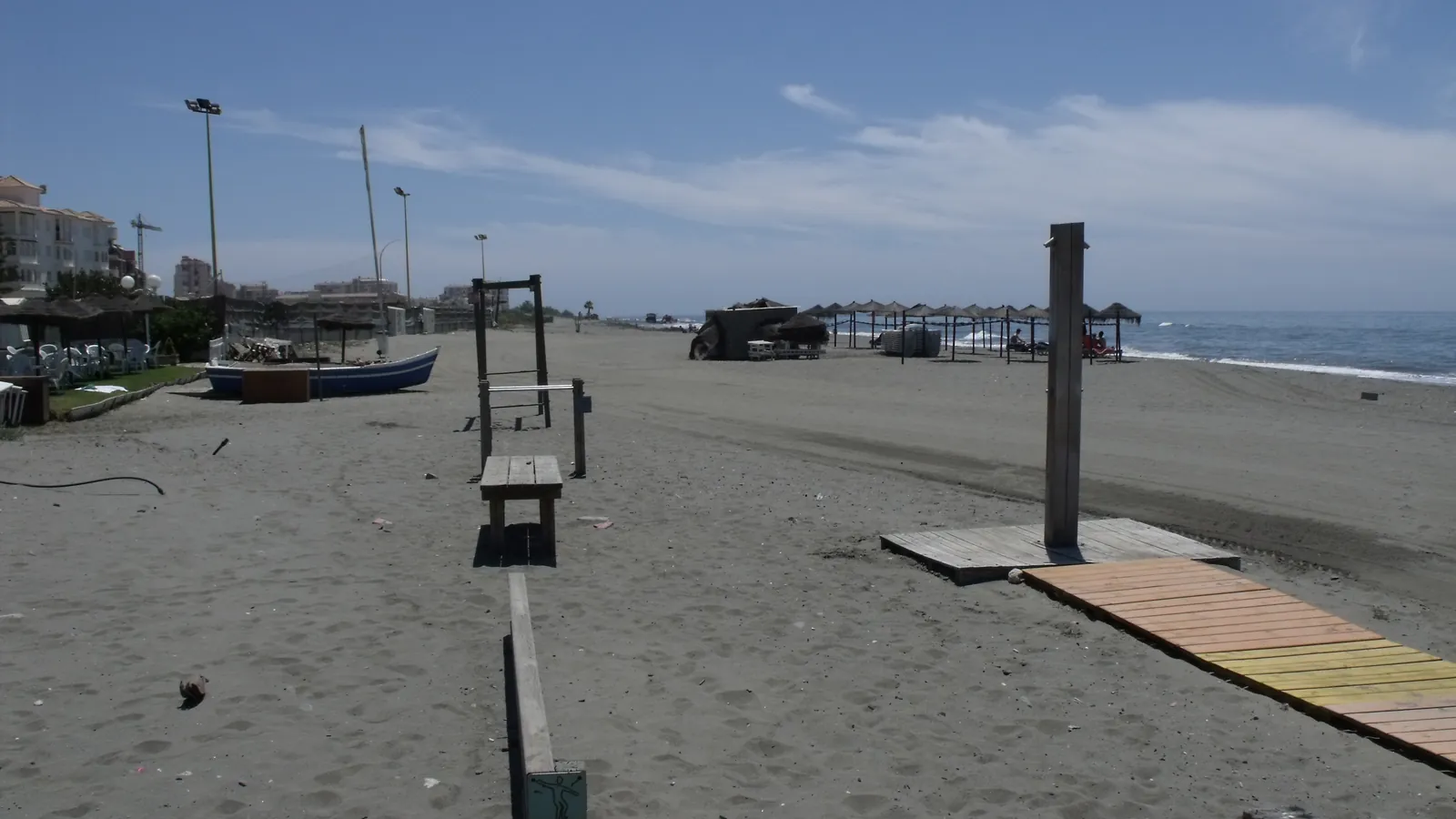
Gross Sand. Urban Beach. Lifeguards are on duty June 1–September 30, daily from 10 am to 9 pm. The beach has sports facilities, public transport access, accommodation nearby, and handicap facilities. Rio Torrox mouth is close by. www.turismotorrox.com
Quick Overview
Plan Your Visit to El Morche
The key facts before you go
About the Beach
What is El Morche?
El Morche is a west-facing urban beach near Torrox in Andalusia's Costa del Sol. The beach sits at the mouth of the Rio Torrox, where freshwater meets the Mediterranean. With excellent bathing water quality and lifeguard coverage throughout the main season, El Morche offers reliable conditions for swimmers and families looking for a working beach with proper facilities. The long summer season runs from June through September, when water temperatures climb into the mid-20s Celsius. Just 23.5 kilometres from Málaga Airport, the beach is accessible for day trips or longer stays, with public transport connections and accommodation options nearby. The setting combines practical beach amenities with proximity to the natural landscape of the Torrox river mouth.
It sits alongside Blue Flag beaches in Andalusia, part of a broader network of Blue Flag certified beaches across Spain certified annually by the Foundation for Environmental Education.
Sunrise, Sunset & Beach Direction
El Morche faces west toward Mediterranean Sea. The best light for photography and swimming is typically in June. Direct sun hours follow that facing.
Planning
When to Go: Month by Month
| Month | Air Temp | Water Temp | Crowds |
|---|---|---|---|
| Jan | 13°C | 10°C | Low |
| Feb | 14°C | 11°C | Low |
| Mar | 15°C | 12°C | Low |
| Apr | 17°C | 14°C | Low |
| May | 21°C | 18°C | Low |
| Jun | 25°C | 22°C | Med |
| Jul | 27°C | 24°C | High |
| Aug | 28°C | 25°C | High |
| Sep | 25°C | 22°C | Med |
| Oct | 21°C | 18°C | Low |
| Nov | 16°C | 13°C | Low |
| Dec | 15°C | 12°C | Low |
The best time to visit El Morche is June. Air temperatures peak around 27.4°C in summer. Peak water temperature reaches 24.4°C in July.
How crowded does El Morche get?El Morche operates as a working urban beach, not a destination specifically marketed for exclusivity or isolation. During the main season (June-September), expect consistent visitor presence, particularly in July and August when Spanish holidays align with school breaks. Weekends see higher density than weekdays, and peak hours concentrate between 11 am and 6 pm. Spring and early summer (June) bring moderate crowds, busy enough to feel like an active beach, but not overwhelming. September marks the shoulder season, with noticeably fewer visitors as families return to school routines and the worst summer heat subsides. This month often suits visitors preferring less crowding. Outside June-September, crowds drop significantly. Water temperatures don't support casual swimming for most people in the winter months (January-March), so usage reflects committed swimmers or locals rather than holiday-makers. The lifeguard presence ends on September 30th, which signals a shift in the beach's operational mode. The urban setting means you'll share the beach with local residents, not just tourists. This creates a different atmosphere than seasonal resort beaches, more functional, less performance-oriented. Facilities remain open throughout the year, though some services may operate on reduced schedules outside peak season. Public transport proximity means accessibility from nearby towns contributes to local day-trip patterns.
Is El Morche open year-round?The beach itself is accessible year-round, though staffed facilities including lifeguards typically operate only during the official season (15-06 – 15-09). The Blue Flag is displayed during the certification period only.
The Water
Swimming and Beach Life at El Morche
Is El Morche safe to swim?El Morche is Blue Flag certified, which requires meeting strict bathing water standards set by the EU Bathing Water Directive. Water quality is rated Excellent. Lifeguards are on duty during the official season.
What is the water temperature at El Morche?Peak water temperature at El Morche reaches around 24.4°C in July, making it comfortable for swimming during the summer months. In winter (January), air temperatures average 12.9°C.
What is the beach like at El Morche?El Morche spreads across the coastline as a gross sand beach, backed by the urban infrastructure of Torrox. The beach faces west, which shapes how and when sunlight hits the water and shore throughout the day. The sand composition and width vary seasonally with Mediterranean wave patterns, but the beach maintains consistent access points and established facilities year-round. Water temperatures follow a clear seasonal pattern. Winter months (January to March) see temperatures between 9.9 and 12 degrees Celsius, cold for most swimmers without thermal protection. Spring brings gradual warming: April reaches 13.6°C, and May climbs to 17.6°C. June marks the practical start of comfortable swimming at 21.6°C, and peak summer (July-August) delivers 24.4 to 24.6°C water. September remains pleasant at 21.8°C. Autumn cooling happens quickly: October drops to 17.9°C, and November to 13.4°C. What makes El Morche practical for regular use? The lifeguard service operates daily from June 1st through September 30th, 10 am to 9 pm. This means supervision covers the entire official swimming season. Sports installations are in place, indicating facilities beyond basic beach access. Disabled access has been implemented, which matters for visitors with mobility considerations. The Rio Torrox mouth creates a unique feature. Freshwater discharge affects water conditions, particularly after rainfall in the upper catchment. This can influence water clarity and temperature gradients. Local knowledge suggests checking conditions after heavy rain if water clarity matters to your visit. As an urban beach, El Morche lacks the isolated character of more remote stretches, but this also means reliable services, established pathways, and emergency response readiness. The beach orientation (west-facing) means afternoon and evening light but stronger sun exposure in afternoon hours during summer.
Does El Morche have good facilities?As a Blue Flag certified beach, El Morche meets the Foundation for Environmental Education's standards for facilities and services. Trained lifeguards are on duty during the season. The beach has disabled access facilities.
El Morche sits on the Mediterranean Sea: explore all Blue Flag beaches on the Mediterranean.
Planning a trip to Spain? Blue Flag Beaches Spain 2026 , our editorial guide to certified beaches across the country.
While You're Here
Beyond El Morche
Torrox itself sits immediately adjacent to El Morche, offering accommodation, restaurants, and small-town services. The town provides a practical base for beach visits, with connections to larger Andalusian settlements along the coast. The Rio Torrox mouth provides the most immediate natural interest. The river creates a landscape transition zone where freshwater systems meet the Mediterranean, supporting different vegetation and wildlife compared to purely marine environments. Access to the river valley offers alternative walks and observation opportunities beyond the beach itself. The broader Costa del Sol context places El Morche within reach of other established coastal towns. Nerja to the west and larger developments eastward toward Málaga. The Axarquia region inland from the coast holds mountain villages and agricultural landscapes typical of eastern Andalusia. Seasonal patterns affect what's worth visiting beyond the beach. Summer heat (27-28°C air temperature) concentrates activity on the coast and in shaded settings. Spring and autumn offer more comfortable conditions for exploration away from the water. Winter rainfall can affect mountain route conditions but also creates temporary waterfalls and fuller streams in the inland valleys. Public transport connections from Torrox extend to other Costa del Sol destinations, making day trips feasible without a car. However, detailed route planning depends on current schedules, which vary seasonally.
Transport
Getting to El Morche
How do I get to El Morche by car?El Morche is approximately 3.37 km from Torrox. Follow local road signs to the beach. Check Google Maps or a local map for the most current directions.
What is the nearest airport to El Morche?The nearest airport is Málaga-Costa del Sol Airport (AGP), approximately 23.5 km away. Málaga-Costa del Sol Airport (AGP) sits 23.5 kilometres south of El Morche. Direct flights connect AGP to major European cities, making it the standard air gateway for the region. From the airport, road transport takes approximately 45 minutes to one hour to reach El Morche, depending on traffic and specific routing. The A-7 motorway provides the main connection westward along the coast. Rental car services operate at the airport terminal; hire is straightforward but book ahead during peak season. Alternatively, airport shuttles and organised transfers serve the Torrox area, though these require advance arrangement. The distance is short enough that a standard taxi or ride-sharing service remains feasible, though costs reflect the distance. No direct public transport links AGP to El Morche without intermediate stops.
Can I get to El Morche by public transport?Public transport options vary by season. Check local transport authority websites for current bus and train schedules connecting to Torrox.
Map
Find El Morche
Open the map or get directions to the El Morche pin. Amenity names are listed here only when OpenStreetMap has a mapped feature nearby.
Map loads when you ask. Tiles stay off the first paint.
Map: OpenStreetMap (ODbL)
Practical Details
Practical Information
| At the Beach | |
| Entry | Free: no charge to access the beach |
|---|---|
| Lifeguards | ✓ On duty during official season |
| Disabled Access | ✓ Accessible site facilities and water entry |
| Showers | ✗ |
| Toilets | ✗ |
| Official Season | 15 Jun – 15 Sep |
| Beach Type | Sandy beach |
| Visiting Information | |
| GPS Coordinates | 36.7371°N, 3.9893°W |
| Water Quality | Excellent (EU Bathing Water Directive) |
| Blue Flag Operator | Foundation for Environmental Education (FEE), Spain |
Frequently Asked Questions
El Morche FAQ
Is El Morche worth visiting?
Yes, if you want reliable beach conditions with proper facilities. El Morche offers excellent bathing water quality, established lifeguard coverage (June-September), sports installations, and disabled access. The beach suits families and swimmers looking for a functional Mediterranean beach rather than a remote destination. The location near Málaga Airport (23.5 km) makes day trips practical. If you prefer quiet or isolated beaches, look elsewhere, this is an active urban beach serving local and visiting populations.
How do I get to El Morche?
By air: Málaga-Costa del Sol Airport (AGP) is 23.5 kilometres away; rent a car, take a taxi, or arrange a transfer (45 minutes to one hour). By road: The A-7 motorway runs along the coast near Torrox. By public transport: Services connect Torrox to other coastal towns, but schedules vary seasonally. Public transport from AGP airport requires intermediate stops and longer journey times. A rental car offers the most flexibility for accessing El Morche and exploring the wider region.
What is the best time of year to visit El Morche?
For swimming and warm weather: June through September. Water temperatures peak July-August at 24.4-24.6°C. June and September offer warmer water than spring/autumn (17-21°C) with fewer crowds than peak summer. Lifeguards work daily only June 1-September 30. For milder conditions without extreme summer heat: April-May and September-October bring air temperatures of 13-25°C and are less crowded. Winter (December-March) suits only committed swimmers; water temperatures drop to 9.9-12°C.
What facilities are available at El Morche?
El Morche provides lifeguard service (June-September, 10 am-9 pm daily), sports installations, public transport access, accommodation nearby, and disabled facilities. The urban beach setting means established pathways, services, and emergency response readiness. Specific details about restaurant density, shower facilities, or parking require current local information. Services operate year-round, though some may run on reduced schedules outside peak season. The Rio Torrox mouth lies near the beach, creating a distinctive natural feature.
Is El Morche suitable for families?
Yes. Lifeguard coverage June-September (10 am-9 pm) provides supervision during the main swimming season. Disabled access accommodates families with mobility considerations. Sports installations and public transport connections support families managing multiple age groups. The urban beach setting means reliable facilities and nearby accommodation. Water temperatures suit children from June onward (21.6°C+). Families avoiding peak July-August crowds might prefer June or early September. Winter months require thermal protection for children due to cold water (9.9-12°C).
Explore More
Nearby Blue Flag Beaches
Editorial
From the Zeach Blog
Everything you need to know about what makes a beach qualify for Blue Flag status, from water quality to environmental education.
Read moreOur editorial team's pick of the standout Blue Flag beaches in Spain, rated for family friendliness, scenery, and facilities.
Explore SpainWhat the flag actually means, how certification works, and why a Blue Flag is a genuinely reliable signal, not just a marketing tool.
Read moreSources
- Foundation for Environmental Education: Blue Flag programme
- FEE site listing for El Morche
- ADEAC (Asociación de Educación Ambiental y del Consumidor)
- European Environment Agency: bathing water quality
Last verified September 2026. National operator pages and FEE listings are the primary certification sources.