El Dossel
Valencian Community, Spain: Excellent water quality
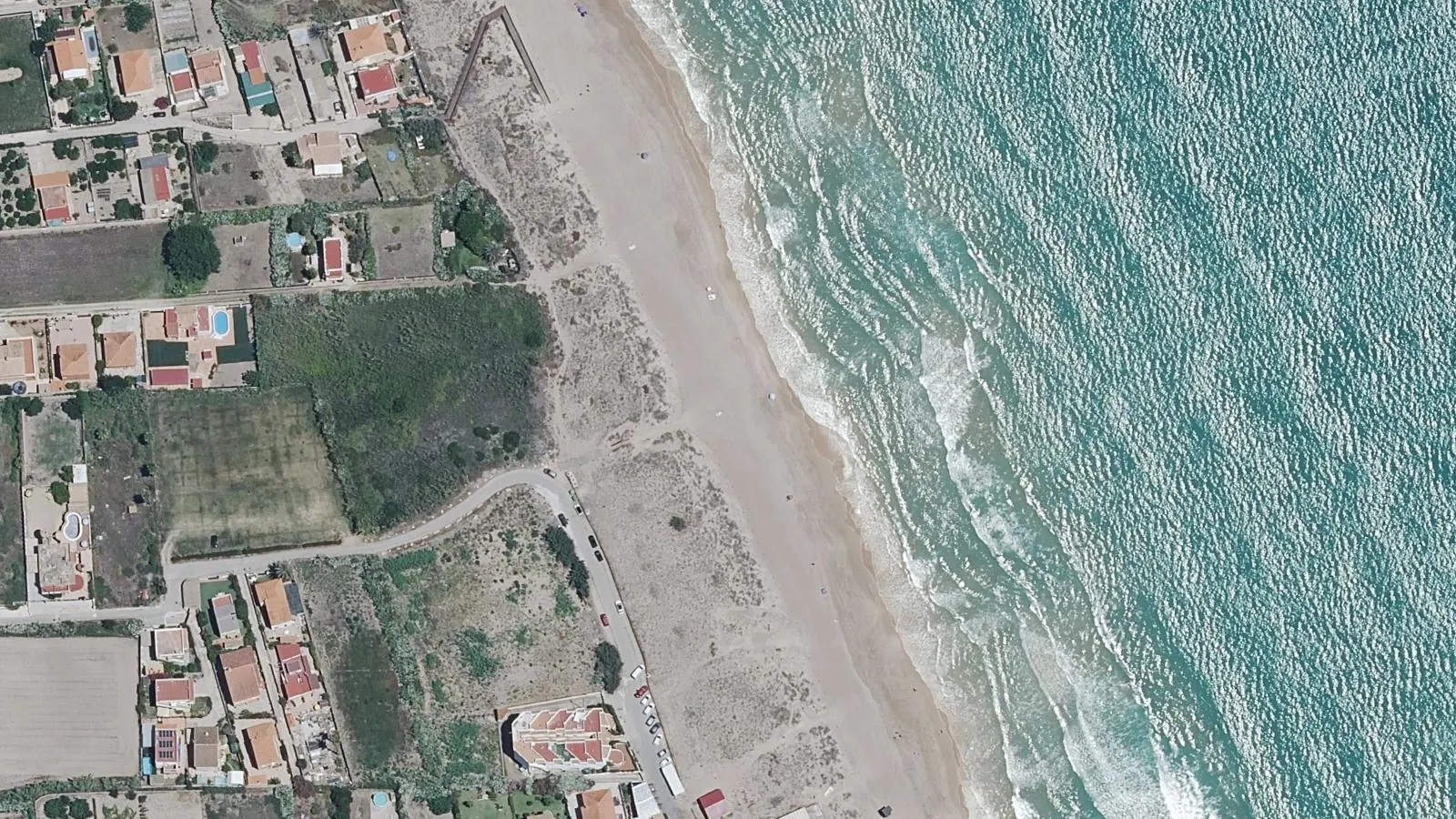
Fine sand. Urban beach. Lifeguards are on duty from 11:00 to 19:00 during peak season (July 1–September 12). The beach has sports facilities and nearby accommodation. Water quality meets Blue Flag standards. For more information, visit www.cullera.es.
Quick Overview
Plan Your Visit to El Dossel
The key facts before you go
About the Beach
What is El Dossel?
El Dossel is an urban beach in Cullera, located on the Valencian coast near Alicante. This Blue Flag beach offers fine sand and direct access to reliable facilities and lifeguard services during peak season. The beach faces west, providing afternoon sun exposure. Water quality is rated Excellent, making it a dependable choice for swimmers. Cullera itself is a working coastal town with a mix of residential areas and tourist infrastructure. El Dossel sits within this developed setting, offering straightforward beach access without the pretense of remoteness. The water temperature peaks at 23.7°C in August, with the main swimming season running from July through September when lifeguards are on duty daily from 11:00 to 19:00. For those arriving from Alicante-Elche Airport (105.5 km away), the journey is straightforward by car or public transport.
It sits alongside Blue Flag beaches in Valencian Community, part of a broader network of Blue Flag certified beaches across Spain certified annually by the Foundation for Environmental Education.
Sunrise, Sunset & Beach Direction
El Dossel faces west toward Mediterranean Sea. The best light for photography and swimming is typically in June. Direct sun hours follow that facing.
Planning
When to Go: Month by Month
| Month | Air Temp | Water Temp | Crowds |
|---|---|---|---|
| Jan | 12°C | 9°C | Low |
| Feb | 13°C | 10°C | Low |
| Mar | 14°C | 11°C | Low |
| Apr | 16°C | 13°C | Low |
| May | 20°C | 17°C | Low |
| Jun | 24°C | 21°C | Med |
| Jul | 26°C | 23°C | High |
| Aug | 27°C | 24°C | High |
| Sep | 24°C | 21°C | Med |
| Oct | 20°C | 17°C | Low |
| Nov | 16°C | 13°C | Low |
| Dec | 13°C | 10°C | Low |
The best time to visit El Dossel is June. Air temperatures peak around 26.4°C in summer. Peak water temperature reaches 23.4°C in July.
How crowded does El Dossel get?El Dossel's urban location means it experiences consistent visitor traffic, particularly during the July–September peak season when lifeguards are on duty. This is a town beach serving both residents and tourists, not a quiet escape. Summer weekends will see significant crowds, especially in July and August when Spanish school holidays drive families to the coast. Weekday visits during the main season tend to be less crowded than weekends, but 'quiet' is relative for an urban beach. Early morning swimmers, particularly those arriving before 11:00 when lifeguards begin their shift, will find fewer people. Morning also offers shade from the westward-facing orientation before sun exposure peaks in afternoon hours. Shoulder season visits (early July or late September) experience lighter crowds than peak August. Spring and autumn outside the official swim season (May–June, October) are noticeably quieter, though lifeguard services won't be present. Winter visits see minimal crowds but cold water temperatures (8.7–10.9°C) and moderate air temperatures (around 11.7°C) limit appeal for most swimmers. The presence of sports installations and accommodation indicates this beach serves an active tourism function. Expect fellow visitors to be a mix of local residents and tourists. Family groups are typical during school holidays. The urban setting means easy access to town facilities, but also integration with general town activity rather than isolation for contemplation.
Is El Dossel open year-round?The beach itself is accessible year-round, though staffed facilities including lifeguards typically operate only during the official season (15-06 – 15-09). The Blue Flag is displayed during the certification period only.
The Water
Swimming and Beach Life at El Dossel
Is El Dossel safe to swim?El Dossel is Blue Flag certified, which requires meeting strict bathing water standards set by the EU Bathing Water Directive. Water quality is rated Excellent. Lifeguards are on duty during the official season.
What is the water temperature at El Dossel?Peak water temperature at El Dossel reaches around 23.4°C in July, making it comfortable for swimming during the summer months. In winter (January), air temperatures average 11.7°C.
What is the beach like at El Dossel?El Dossel's defining feature is its fine sand composition, which creates a smooth walking surface and comfortable lounging area. The beach is classified as urban, meaning it sits within Cullera's town fabric rather than in an isolated coastal setting. This proximity to town infrastructure shapes the entire experience. Water quality here maintains Excellent status, verified through regular testing protocols required for Blue Flag beaches. The beach faces west, which affects sun patterns throughout the day, morning swimmers and loungers will be in shadow, while afternoon visitors benefit from direct western exposure. This orientation also influences wave conditions, though the Mediterranean at this latitude generally offers calm waters during the main summer season. Lifeguard coverage is guaranteed from 1 July to 12 September, with staff and first aid equipment on duty between 11:00 and 19:00 daily. Outside these dates, lifeguard presence becomes sporadic, which is typical for Spanish Mediterranean beaches where summer tourism dominates the season. Water temperatures follow a clear seasonal pattern. Winter months (January–March) are cold, ranging from 8.7°C to 10.9°C, making swimming uncomfortable without a wetsuit. Spring temperatures climb gradually: April reaches 12.5°C, May jumps to 16.5°C. Summer is warm: June averages 20.6°C, July peaks at 23.4°C, and August holds at 23.7°C. Autumn cooling begins in September (21.0°C), October (17.0°C), and continues through November. The swim season starting in July aligns with when water temperature becomes genuinely pleasant for extended immersion. Air temperatures reinforce this seasonal rhythm. January averages 11.7°C, so winter beach time means cold air and cold water. July–August averages are 26.4–26.7°C, with September at 24.0°C. These are comfortable conditions for sun exposure and drying off after swimming. Sports installations and accommodation are available nearby. The beach itself functions as part of Cullera's broader tourism infrastructure rather than a standalone natural area. This means amenities are integrated with the town rather than concentrated on the beach itself.
Does El Dossel have good facilities?As a Blue Flag certified beach, El Dossel meets the Foundation for Environmental Education's standards for facilities and services. Trained lifeguards are on duty during the season. Parking is available nearby. The beach has disabled access facilities.
El Dossel sits on the Mediterranean Sea: explore all Blue Flag beaches on the Mediterranean.
Planning a trip to Spain? Blue Flag Beaches Spain 2026 , our editorial guide to certified beaches across the country.
While You're Here
Beyond El Dossel
Cullera itself offers several draws beyond El Dossel beach. The town has a working port and fishing heritage that remains visible in the waterfront. The Castillo de Cullera, a fortified structure overlooking the coast, provides historical context and elevated views of the surrounding area. The castle's position illustrates the region's maritime history and past defensive needs against corsair raids. The town center contains shops, restaurants, and services typical of a Mediterranean coastal town with tourism infrastructure. Food options reflect local preferences and seafood availability, unsurprising given Cullera's fishing tradition. Wine production in the surrounding Valencian region means local wine options appear on many menus. The beach's location on the Valencian coast places it within reach of other coastal settlements and natural areas. The Túria riverbed (a massive green corridor created from a diverted river) runs inland from the coast and extends toward Valencia city, offering cycling and walking routes. This ecological project is one of Spain's more ambitious urban green space transformations. Inland from the coast, the region produces citrus crops, rice paddies in flatter areas, and wine in designated zones. These agricultural landscapes are visible from road routes between the coast and interior.
Transport
Getting to El Dossel
How do I get to El Dossel by car?El Dossel is approximately 4.23 km from Cullera. Follow local road signs to the beach. Check Google Maps or a local map for the most current directions.
What is the nearest airport to El Dossel?The nearest airport is Alicante-Elche Airport (ALC), approximately 105.5 km away. Alicante-Elche Airport (ALC) is the nearest major airport, located 105.5 km south of El Dossel. Journey time by rental car is approximately 75–90 minutes depending on traffic conditions and route taken. The main route follows the A-7 motorway north along the coast. Car rental is available at the airport terminal, offering the most flexible option for accessing the beach and exploring the surrounding region. Alternatively, bus services connect Alicante airport to Cullera, though journey times are longer, typically 2–2.5 hours including transfers. This option suits travelers without driving plans. Advance booking of coach services is recommended during peak summer season.
Can I get to El Dossel by public transport?Bus services operate from Alicante city to Cullera. Journey times vary depending on route and stops. During peak summer season, book in advance to secure seats. Local buses within Cullera connect to the beach area. Exact schedules and operator details should be confirmed through local transport information before travel. The nearest recorded bus stop is 1.5 km from the beach.
Is there a train to El Dossel?El Dossel lists Cullera as the nearest railway station, 3.77 km away. Check current timetables before travelling.
Nearby
Near El Dossel
Mapped toilets, bus stops, cafés, parking, and shops within about 500 m of El Dossel. Distances are walking-line estimates from the beach pin.
Map loads when you ask. Tiles stay off the first paint.
Map: OpenStreetMap (ODbL)
Cafés near El Dossel
- La Mar Salà Restaurant 139 m
- El Mayo Restaurant 145 m
Parking near El Dossel
- Parking Parking 158 m
- Parking Parking 159 m
- Parking Parking 486 m
Source: © OpenStreetMap contributors (ODbL). Names and positions come from mapped OSM features. Confirm on site.
Practical Details
Practical Information
| At the Beach | |
| Entry | Free: no charge to access the beach |
|---|---|
| Lifeguards | ✓ On duty during official season |
| Disabled Access | ✓ Accessible site facilities |
| Showers | ✗ |
| Toilets | ✗ |
| Official Season | 15 Jun – 15 Sep |
| Beach Type | Sandy beach |
| Parking | ✓ Available nearby (parking) |
| Nearest supermarket | 1.5 km from the beach |
| Nearest bus stop | 1.5 km from the beach |
| Visiting Information | |
| GPS Coordinates | 39.1961°N, 0.2265°W |
| Water Quality | Excellent (EU Bathing Water Directive) |
| Blue Flag Operator | Foundation for Environmental Education (FEE), Spain |
Frequently Asked Questions
El Dossel FAQ
Is El Dossel worth visiting?
El Dossel is worth visiting if you want reliable summer beach access with verified water quality and lifeguard coverage. The Excellent bathing water rating and daily lifeguard service (July–September, 11:00–19:00) provide genuine safety assurance. The fine sand is comfortable for lounging and walking. However, this is an urban beach serving a working coastal town, not a secluded retreat. Water temperature becomes pleasant only from July onward (23.4–23.7°C). If you value easy access to facilities, town amenities, and guaranteed safety infrastructure, it's a solid choice. If you seek isolation or off-season swimming comfort, look elsewhere.
How do I get to El Dossel?
By car from Alicante-Elche Airport (105.5 km away): rent a vehicle and follow the A-7 motorway north along the coast toward Cullera, approximately 75–90 minutes depending on traffic. By bus: services run from Alicante city to Cullera, taking 2–2.5 hours. Book in advance during summer. Once in Cullera, local buses or taxis connect to El Dossel beach. There is no direct rail connection to the beach itself. Driving offers the most flexibility for timing and exploring the surrounding region.
What's the best time of year to visit?
July through September offers the optimal combination of warm water (23.4–23.7°C in summer, 21.0°C in September) and lifeguard presence. Air temperatures are comfortable (26.4–26.7°C July–August, 24.0°C September). Swimming in other months is possible but less pleasant: water temperature drops to 12.5°C in April–November, and below 9.9°C January–March. If you're specifically coming to swim comfortably, commit to the official swim season (July–September). Weekdays are less crowded than weekends and holidays.
What facilities are there at El Dossel?
Lifeguards and first aid equipment are on duty 1 July–12 September, 11:00–19:00. Sports installations are available. Accommodation options exist in the area. The beach is classified as urban, so facilities are integrated with Cullera's town infrastructure rather than concentrated on the beach itself. Shops, restaurants, and services are accessible via the adjacent town. Water quality is regularly tested and verified as Excellent. Facilities outside the July–September period are reduced; lifeguard coverage becomes sporadic.
Is El Dossel suitable for families?
Yes, El Dossel is reasonably suitable for families during the July–September season. Daily lifeguard presence (11:00–19:00) provides safety oversight. Fine sand is comfortable for children, and water temperature is warm enough for extended swimming (23.4–23.7°C). The urban beach setting means easy access to facilities and amenities without requiring a car journey inland. Accommodation is available nearby. However, crowded conditions during peak summer weekends and school holidays are typical for urban beaches. Early morning visits reduce crowds. Outside July–September, lifeguard absence makes supervision more dependent on parental responsibility.
Are there cafés near El Dossel?
Yes. OpenStreetMap lists 2 cafés or restaurants near El Dossel, including La Mar Salà (139 m) and El Mayo (145 m). Hours and seasonal opening are not verified here. Check on the day. © OpenStreetMap contributors (ODbL).
Is there parking near El Dossel?
Yes. OpenStreetMap maps parking 158 m from El Dossel, with 3 lots or spaces inside about 500 m. Charges and time limits are not recorded here. © OpenStreetMap contributors (ODbL).
Explore More
Nearby Blue Flag Beaches
Editorial
From the Zeach Blog
Everything you need to know about what makes a beach qualify for Blue Flag status, from water quality to environmental education.
Read moreOur editorial team's pick of the standout Blue Flag beaches in Spain, rated for family friendliness, scenery, and facilities.
Explore SpainWhat the flag actually means, how certification works, and why a Blue Flag is a genuinely reliable signal, not just a marketing tool.
Read moreSources
- Foundation for Environmental Education: Blue Flag programme
- FEE site listing for El Dossel
- ADEAC (Asociación de Educación Ambiental y del Consumidor)
- European Environment Agency: bathing water quality
Last verified September 2026. National operator pages and FEE listings are the primary certification sources.