El Cura
Spain: Excellent water quality
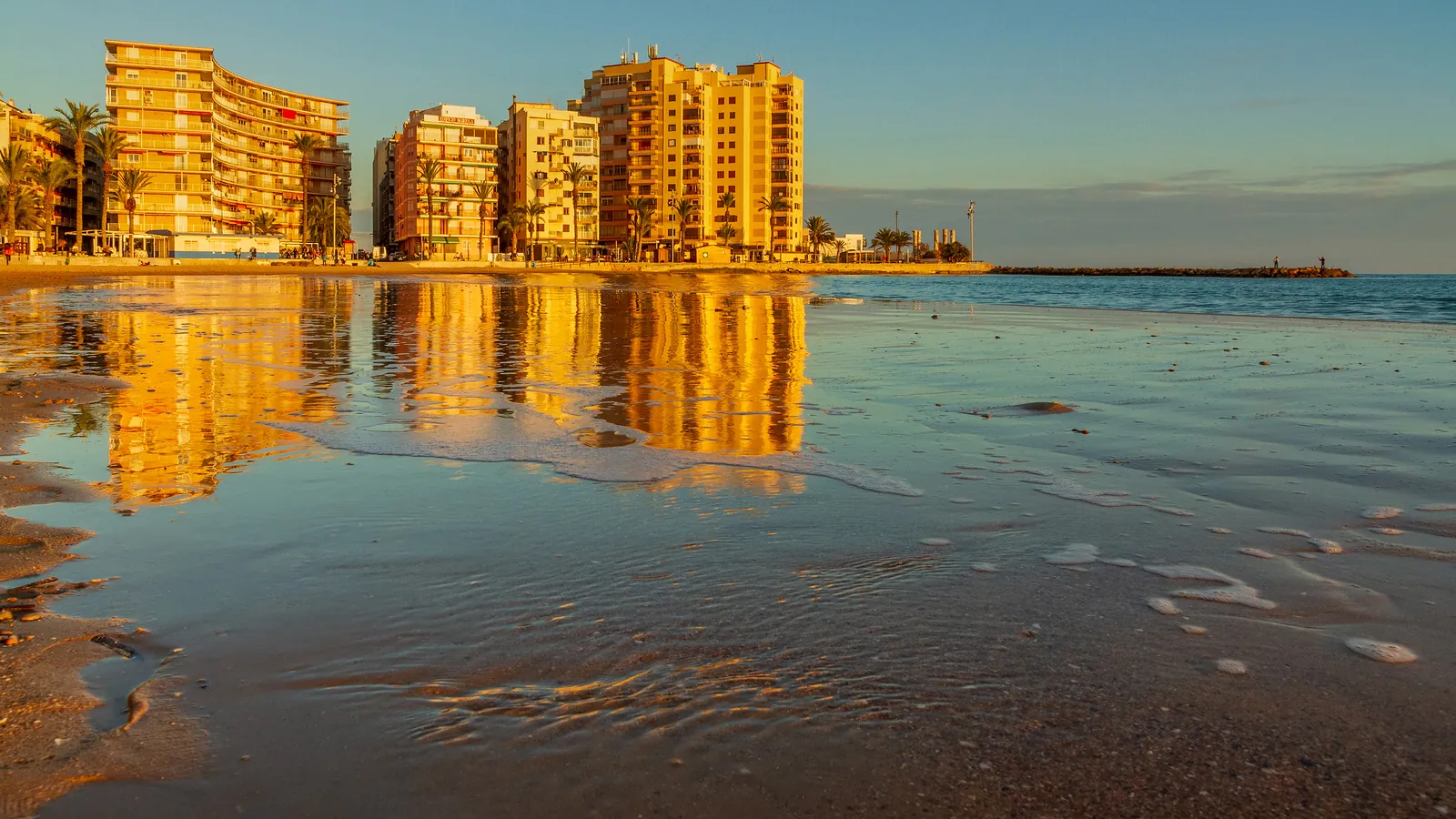
Fine sand beach in the city center. Lifeguards are on duty from June 15 to September 15, daily from 11:00 to 19:00. From July 1 to September 12, lifesaving and first aid staff are stationed on the beach.
Quick Overview
Plan Your Visit to El Cura
The key facts before you go
About the Beach
What is El Cura?
El Cura is an urban beach in the city center of Torrevieja, located on Spain's Costa Blanca. With fine sand and excellent bathing water quality, it's a straightforward Mediterranean swimming spot backed by town amenities. The beach faces west and sits about 35 kilometers south of Alicante-Elche Airport. Lifeguards are on duty during summer months, and the beach offers public transport access plus facilities for visitors with disabilities. The water temperature ranges from 8.7°C in January to 23.5°C in August, making the official swim season run from July through November when water conditions are warmest and most comfortable for bathing.
It is part of a wider group of certified beaches throughout Spain that meet FEE's annual standards for water quality, safety, and environmental management.
Sunrise, Sunset & Beach Direction
El Cura faces west toward Mediterranean Sea. The best light for photography and swimming is typically in June. Direct sun hours follow that facing.
Planning
When to Go: Month by Month
| Month | Air Temp | Water Temp | Crowds |
|---|---|---|---|
| Jan | 12°C | 9°C | Low |
| Feb | 13°C | 10°C | Low |
| Mar | 14°C | 11°C | Low |
| Apr | 16°C | 13°C | Low |
| May | 20°C | 17°C | Low |
| Jun | 23°C | 20°C | Med |
| Jul | 26°C | 23°C | High |
| Aug | 27°C | 24°C | High |
| Sep | 24°C | 21°C | Med |
| Oct | 20°C | 17°C | Low |
| Nov | 16°C | 13°C | Low |
| Dec | 13°C | 10°C | Low |
The best time to visit El Cura is June. Air temperatures peak around 26.1°C in summer. Peak water temperature reaches 23.1°C in July.
How crowded does El Cura get?As an urban beach in the city center, El Cura draws a mixed crowd reflecting typical Mediterranean resort patterns. Summer months from July through early September will see the highest visitor numbers, particularly during Spanish holidays and weekends. The presence of sports installations and public transport access means families, local residents, and tourists all use the space regularly. Afternoon periods typically see more activity than mornings. The lifeguard presence during peak season (July-September) indicates the beach authorities expect sufficient visitor numbers to justify year-round supervision during those months. Shoulder months like June and October attract fewer visitors while still offering comfortable water temperatures for swimming. Winter sees minimal bathing activity given the cold water, though some locals may visit for walks along the sand. The urban location means the beach integrates with town life rather than offering isolated coastal solitude.
Is El Cura open year-round?The beach itself is accessible year-round, though staffed facilities including lifeguards typically operate only during the official season (15-06 – 15-09). The Blue Flag is displayed during the certification period only.
The Water
Swimming and Beach Life at El Cura
Is El Cura safe to swim?El Cura is Blue Flag certified, which requires meeting strict bathing water standards set by the EU Bathing Water Directive. Water quality is rated Excellent. Lifeguards are on duty during the official season.
What is the water temperature at El Cura?Peak water temperature at El Cura reaches around 23.1°C in July, making it comfortable for swimming during the summer months. In winter (January), air temperatures average 11.7°C.
What is the beach like at El Cura?El Cura stretches along Torrevieja's waterfront with fine sand that characterizes much of this section of coast. The beach is classified as urban, meaning it's integrated into the city center rather than isolated, which shapes both its character and the facilities available nearby. The west-facing orientation means you'll get afternoon and evening light, though the exposed position can bring wind from Atlantic weather systems. Water temperatures climb steadily from spring through August: May averages 16.5°C, June reaches 20.3°C, July hits 23.1°C, and August peaks at 23.5°C before dropping back to 21.1°C in September and 17°C by October. Winter months from December through April see temperatures between 8.7°C and 12.8°C, making winter swimming genuinely cold without a wetsuit. Lifeguards operate from July 1st through September 12th, covering 11:00 to 19:00 daily, with first aid equipment and trained staff present during this period. Outside these dates, no lifeguard service is available. The beach has sports installations on-site, and public transport connections make access straightforward for those without cars. Facilities for visitors with disabilities are provided. The beach sits within reasonable distance of the Natural Park of Las Lagunas de Torrevieja and Las Matas, offering context for the broader coastal environment.
Does El Cura have good facilities?As a Blue Flag certified beach, El Cura meets the Foundation for Environmental Education's standards for facilities and services. Trained lifeguards are on duty during the season. The beach has disabled access facilities.
El Cura sits on the Mediterranean Sea: explore all Blue Flag beaches on the Mediterranean.
Planning a trip to Spain? Blue Flag Beaches Spain 2026 , our editorial guide to certified beaches across the country.
While You're Here
Beyond El Cura
Torrevieja itself offers basic tourism infrastructure with an office of tourism in the city center near the beach. The Natural Park of Las Lagunas de Torrevieja and Las Matas lies nearby, providing opportunities to explore coastal wetland ecosystems and associated birdlife. This park features environmental interpretation centers explaining the ecological characteristics of the lagoon habitat. The town's center location means restaurants, shops, and basic services are within walking distance of the beach. The broader Costa Blanca region extends north toward Alicante and south toward Murcia, offering additional beaches and coastal towns for day trips if you want to explore beyond El Cura itself.
Transport
Getting to El Cura
How do I get to El Cura by car?El Cura is located in Spain. Follow local road signs to the beach. Check Google Maps or a local map for the most current directions.
What is the nearest airport to El Cura?The nearest airport is Alicante-Elche Airport (ALC), approximately 35.5 km away. Alicante-Elche Airport (ALC) is the nearest air hub, located 35.5 kilometers north of El Cura. Direct flights connect ALC to major European cities and Spanish hubs. Ground transportation from the airport to Torrevieja involves either rental car (around 40 minutes via the coastal highway heading south), taxi services, or bus connections. The journey follows the coast northward initially before connecting to Torrevieja. Budget airlines and scheduled carriers both serve ALC, making flight availability variable depending on your departure point and travel dates.
Can I get to El Cura by public transport?Public transport connections reach El Cura directly, as noted in the beach information. Local and regional bus services connect Torrevieja to surrounding towns and to Alicante. Journey times from Alicante to Torrevieja run approximately 45-60 minutes depending on the specific route. Buses operate regularly throughout the day with reduced frequency in winter months. The nearest recorded bus stop is 158 m from the beach.
Nearby
Near El Cura
Mapped toilets, bus stops, cafés, parking, and shops within about 500 m of El Cura. Distances are walking-line estimates from the beach pin.
Map loads when you ask. Tiles stay off the first paint.
Map: OpenStreetMap (ODbL)
Bus near El Cura
- Playa del Cura 1 Bus stop 158 m
- Playa del Cura 2 Bus stop 340 m
- Bus stop Bus stop 383 m
- Bus stop Bus stop 472 m
- Avenida Habaneras, 36 Bus stop 474 m
Cafés near El Cura
- Lizarran Restaurant 71 m
- Pizza nº1 Restaurant 77 m
- Heladería Masiá Jijonenca Restaurant 89 m
- Sirocco Restaurant 109 m
- Soraya Restaurant 133 m
Parking near El Cura
- Parking Parking 282 m
Supermarket near El Cura
- Consum Supermarket 420 m
Source: © OpenStreetMap contributors (ODbL). Names and positions come from mapped OSM features. Confirm on site.
Practical Details
Practical Information
| At the Beach | |
| Entry | Free: no charge to access the beach |
|---|---|
| Lifeguards | ✓ On duty during official season |
| Disabled Access | ✓ Accessible site facilities |
| Showers | ✗ |
| Toilets | ✗ |
| Official Season | 15 Jun – 15 Sep |
| Beach Type | Sandy beach |
| Parking | ✗ No parking listed nearby |
| Nearest supermarket | 280 m from the beach |
| Nearest bus stop | 158 m from the beach |
| Visiting Information | |
| GPS Coordinates | 37.9766°N, 0.6696°W |
| Water Quality | Excellent (EU Bathing Water Directive) |
| Blue Flag Operator | Foundation for Environmental Education (FEE), Spain |
Frequently Asked Questions
El Cura FAQ
Is El Cura worth visiting?
El Cura offers excellent bathing water quality and practical summer swimming on Spain's Costa Blanca. As an urban beach, it's straightforward and functional rather than remote or dramatic. It suits visitors seeking accessible Mediterranean bathing with lifeguard coverage from July through September and nearby town facilities. Winter visits are feasible for walking but not swimming given water temperatures below 11°C. The beach works well if you want beach access plus easy access to town services and public transport.
How do I get to El Cura?
From Alicante-Elche Airport (35.5 km away), drive south along the coast highway toward Torrevieja (roughly 40 minutes by car). Bus services connect Alicante to Torrevieja in 45-60 minutes. El Cura sits in Torrevieja's city center, making it accessible by public transport once you reach town. Taxi services are available from the airport. If you have a car, the coastal route is straightforward; if not, the combination of bus connections and local public transport makes reaching the beach feasible without driving.
What's the best time of year to visit?
July through September offers the warmest water (23-23.5°C), lifeguard coverage daily from 11:00-19:00, and the official swim season. June and October provide comfortable water temperatures (20.3°C and 17°C respectively) with fewer crowds. Winter months are cold (8.7-12.5°C) and unsuitable for swimming without a wetsuit, though the beach remains accessible for walks. July-August see peak visitor numbers; June and September offer a better balance of warm water and lighter crowds.
What facilities are there at El Cura?
El Cura provides sports installations on-site, public transport access, and facilities for visitors with disabilities. An office of tourism operates in the city center near the beach. Lifeguards and first aid equipment are present from July 1-September 12, daily 11:00-19:00. The urban location means restaurants, shops, and services are within walking distance. An environmental interpretation center explains the nearby Natural Park. Outside the lifeguard season (September 13-June 30), these services are unavailable.
Is El Cura suitable for families?
Yes, El Cura works well for family visits during summer. Lifeguard presence from July-September provides safety supervision, and disabled access facilities accommodate families with mobility needs. Sports installations offer activities beyond swimming. The urban location with nearby shops and restaurants makes it practical for families needing facilities. Water temperatures July-September are warm enough for extended swimming. The fine sand is appropriate for young children. Winter months offer beach walks but not safe swimming due to cold water temperatures and lack of lifeguard coverage.
Is there a bus near El Cura?
Yes. OpenStreetMap maps a public-transport stop 158 m from El Cura (Playa del Cura 1), plus 4 more within about 500 m. Check current timetables before you travel. © OpenStreetMap contributors (ODbL).
Are there cafés near El Cura?
Yes. OpenStreetMap lists 5 cafés or restaurants near El Cura, including Lizarran (71 m), Pizza nº1 (77 m), Heladería Masiá Jijonenca (89 m), and Sirocco (109 m). Hours and seasonal opening are not verified here. Check on the day. © OpenStreetMap contributors (ODbL).
Is there parking near El Cura?
Yes. OpenStreetMap maps parking 282 m from El Cura. Charges and time limits are not recorded here. © OpenStreetMap contributors (ODbL).
Is there a supermarket near El Cura?
Yes. OpenStreetMap maps a supermarket 420 m from El Cura (Consum). Walking-line distance; confirm opening hours locally. © OpenStreetMap contributors (ODbL).
Explore More
Nearby Blue Flag Beaches
Editorial
From the Zeach Blog
Everything you need to know about what makes a beach qualify for Blue Flag status, from water quality to environmental education.
Read moreOur editorial team's pick of the standout Blue Flag beaches in Spain, rated for family friendliness, scenery, and facilities.
Explore SpainWhat the flag actually means, how certification works, and why a Blue Flag is a genuinely reliable signal, not just a marketing tool.
Read moreSources
- Foundation for Environmental Education: Blue Flag programme
- FEE site listing for El Cura
- ADEAC (Asociación de Educación Ambiental y del Consumidor)
- European Environment Agency: bathing water quality
Last verified September 2026. National operator pages and FEE listings are the primary certification sources.