El Chaparral
Andalusia, Spain: Excellent water quality
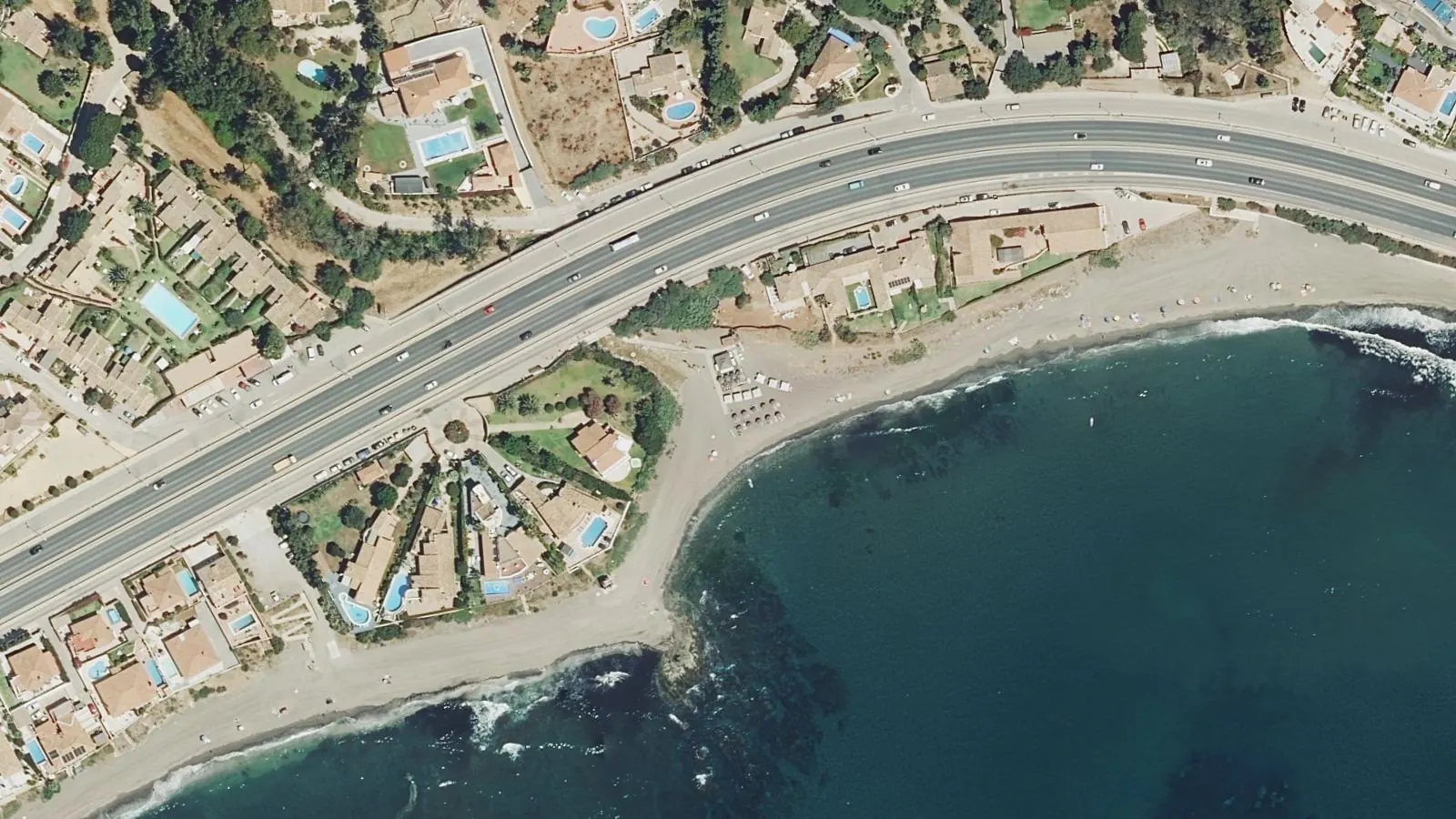
El Chaparral beach is in Mijas, Málaga province. The beach stretches nearly 1 kilometer with a mix of sand and rocks, and the waves are moderate. You can reach it by urban bus. There's an unguarded car park nearby with 100 spaces.
Quick Overview
Plan Your Visit to El Chaparral
The key facts before you go
About the Beach
What is El Chaparral?
El Chaparral is a 1-kilometre beach on the coast of Mijas in Málaga province, Andalusia. The beach combines sand and rocky sections, offering moderate wave conditions that make it accessible for various water activities. With excellent bathing water quality and lifeguards on duty, El Chaparral provides a reliable coastal experience. The beach is well-served by public transport, particularly urban bus connections, and has an unguarded car park with 100 spaces nearby. Its westward-facing orientation means consistent light conditions throughout the afternoon hours.
It sits alongside other certified beaches in Andalusia, part of a broader network of other Blue Flag beaches in Spain certified annually by the Foundation for Environmental Education.
Sunrise, Sunset & Beach Direction
El Chaparral faces west toward Mediterranean Sea. The best light for photography and swimming is typically in June. Direct sun hours follow that facing.
Planning
When to Go: Month by Month
| Month | Air Temp | Water Temp | Crowds |
|---|---|---|---|
| Jan | 13°C | 10°C | Low |
| Feb | 14°C | 11°C | Low |
| Mar | 15°C | 12°C | Low |
| Apr | 16°C | 13°C | Low |
| May | 19°C | 16°C | Low |
| Jun | 23°C | 20°C | Med |
| Jul | 25°C | 22°C | High |
| Aug | 26°C | 23°C | High |
| Sep | 24°C | 21°C | Med |
| Oct | 20°C | 17°C | Low |
| Nov | 16°C | 13°C | Low |
| Dec | 14°C | 11°C | Low |
The best time to visit El Chaparral is June. Air temperatures peak around 25.3°C in summer. Peak water temperature reaches 22.3°C in July.
How crowded does El Chaparral get?El Chaparral's character changes across the bathing season. During the peak summer months of July and August, when water temperatures reach 22–23°C and air temperatures exceed 25°C, the beach attracts more visitors. The 1-kilometre length provides reasonable space distribution, but sandy areas will naturally see higher footfall during school holidays. The moderate wave conditions mean it's not a specialist surf destination, reducing the concentration of dedicated water sports enthusiasts. The mixed sand-and-rock composition means some visitors prefer specific zones, which can help distribute crowds naturally. Morning and early afternoon typically see steadier numbers rather than sudden peak periods. The lifeguard presence may attract families who prioritize supervised swimming. Shoulder seasons (May-June and September) offer notably quieter conditions with warmer water than spring but before peak summer arrivals. The car park capacity of 100 spaces provides a practical limit on vehicle access, which naturally moderates visitor numbers on any given day.
Is El Chaparral open year-round?The beach itself is accessible year-round, though staffed facilities including lifeguards typically operate only during the official season (01-06 – 30-09). The Blue Flag is displayed during the certification period only.
The Water
Swimming and Beach Life at El Chaparral
Is El Chaparral safe to swim?El Chaparral is Blue Flag certified, which requires meeting strict bathing water standards set by the EU Bathing Water Directive. Water quality is rated Excellent. Lifeguards are on duty during the official season.
What is the water temperature at El Chaparral?Peak water temperature at El Chaparral reaches around 22.3°C in July, making it comfortable for swimming during the summer months. In winter (January), air temperatures average 12.7°C.
What is the beach like at El Chaparral?El Chaparral extends for almost 1 kilometre along the Mijas coastline, presenting a mixed composition of sand and rock formations. This natural variation creates different zones within the beach, the sandy areas are suitable for laying out and sunbathing, while the rocky sections add visual interest and provide natural shelter from wind in certain spots. The moderate wave conditions make the water generally suitable for casual swimmers, though conditions will vary seasonally and with weather systems moving through the Mediterranean. Water temperatures fluctuate significantly across the year. Winter months from December to March see temperatures between 9.7°C and 11.6°C, cold enough to require a wetsuit for extended swimming. Spring sees gradual warming from April (13°C) through May (16.4°C). Summer months are warmest, with July and August averaging 22.3°C and 22.9°C respectively, creating genuinely pleasant swimming conditions. Autumn cooling is gradual, with September still at 20.6°C but November dropping to 13°C. Air temperatures mirror water conditions. January averages 12.7°C, making beachgoing a cooler activity. The summer months of July and August reach 25.3°C and 25.9°C respectively, providing warm conditions for beach days. September remains relatively warm at 23.6°C. Lifeguards are present, which is an important safety feature, particularly when water conditions change seasonally. The beach's west-facing aspect means afternoon sun exposure, though morning visits offer eastward views across the bay.
Does El Chaparral have good facilities?As a Blue Flag certified beach, El Chaparral meets the Foundation for Environmental Education's standards for facilities and services. Trained lifeguards are on duty during the season. Showers are available. Toilet facilities are on site. Parking is available nearby. The beach has disabled access facilities.
El Chaparral sits on the Mediterranean Sea: explore all Blue Flag beaches on the Mediterranean.
Planning a trip to Spain? Blue Flag Beaches Spain 2026 , our editorial guide to certified beaches across the country.
While You're Here
Beyond El Chaparral
Local Attraction
Transport
Getting to El Chaparral
How do I get to El Chaparral by car?El Chaparral is approximately 10.18 km from Mijas. Follow local road signs to the beach. Check Google Maps or a local map for the most current directions.
What is the nearest airport to El Chaparral?The nearest airport is Málaga-Costa del Sol Airport (AGP), approximately 84.8 km away. Málaga-Costa del Sol Airport (AGP) is the nearest airport, located 84.8 kilometres from El Chaparral. This is a major international airport with connections across Europe and beyond. From the airport, onward travel to Mijas requires road transport, either rental car (approximately 1.5 hours driving), taxi, or joining a shuttle service. The distance and travel time make El Chaparral more of a secondary destination in a broader Costa del Sol trip rather than a primary arrival point. Most visitors combine the beach with other Málaga province locations when planning air-based trips.
Can I get to El Chaparral by public transport?Urban bus services connect El Chaparral, providing the primary public transport option. These local buses link the beach to Mijas town centre and surrounding areas. Journey times and frequencies depend on your starting point, but bus travel is practical for those without personal vehicles. Check local Mijas transport operators for current timetables, as schedules vary seasonally. The nearest recorded bus stop is 64 m from the beach.
Is there a train to El Chaparral?El Chaparral lists Fuengirola as the nearest railway station, 5.27 km away. Check current timetables before travelling.
Map
Find El Chaparral
Open the map or get directions to the El Chaparral pin. Amenity names are listed here only when OpenStreetMap has a mapped feature nearby.
Map loads when you ask. Tiles stay off the first paint.
Map: OpenStreetMap (ODbL)
Practical Details
Practical Information
| At the Beach | |
| Entry | Free: no charge to access the beach |
|---|---|
| Lifeguards | ✓ On duty during official season |
| Disabled Access | ✓ Accessible site facilities and water entry |
| Showers | ✓ Available during season |
| Toilets | ✓ Available during season |
| Official Season | 01 Jun – 30 Sep |
| Beach Type | Sandy beach |
| Parking | ✓ Available nearby (surface parking) |
| Nearest supermarket | 470 m from the beach |
| Nearest bus stop | 64 m from the beach |
| Visiting Information | |
| GPS Coordinates | 36.5066°N, 4.6634°W |
| Water Quality | Excellent (EU Bathing Water Directive) |
| Blue Flag Operator | Foundation for Environmental Education (FEE), Spain |
Frequently Asked Questions
El Chaparral FAQ
Is El Chaparral worth visiting?
Yes, for coastal swimmers seeking excellent bathing water quality and lifeguard supervision. The 1-kilometre length with mixed sand and rock sections offers variety. It's particularly worthwhile from June to September when water temperatures are genuinely warm (19.7–22.9°C). For water sports enthusiasts or surfers seeking larger waves, other Costa del Sol beaches may be better suited. The public transport access and car parking make it practical to reach without a vehicle. Winter visits are viable but require acceptance of cooler water temperatures below 12°C.
How do I get to El Chaparral?
Urban buses serve El Chaparral directly, making it accessible via public transport within Mijas and the surrounding region. By car, you reach the adjacent unguarded car park offering 100 spaces. From Málaga-Costa del Sol Airport (84.8 kilometres away), you'll need to arrange road transport, car rental, taxi, or shuttle services. Check local Mijas transport providers for current bus routes and timetables, as schedules vary by season and day of week.
What is the best time of year to visit El Chaparral?
July and August offer the warmest water (22.3–22.9°C) and air temperatures (25.3–25.9°C), making these the most comfortable months for swimming and beach time. However, these are peak season months. May-June and September provide good conditions (16.4–20.6°C water, 23.6°C+ air temperature) with fewer visitors. Winter months (December-March) see water temperatures of 9.7–11.6°C, requiring wetsuits for extended swimming but offering quieter beach conditions. Spring warming begins in April (13°C).
What facilities are there at El Chaparral?
Lifeguards are present, providing safety supervision during bathing periods. An unguarded car park with 100 spaces is nearby for vehicle parking. Urban bus services provide public transport access. The beach itself comprises sand and rocky sections spanning 1 kilometre. Basic amenities in nearby Mijas town include shops and cafés. Specific details about beach facilities like changing rooms, showers, or food vendors should be confirmed with local Mijas council information, as infrastructure details change seasonally.
Is El Chaparral suitable for families?
Yes, particularly during summer months when water temperatures are warm and lifeguards are present. The moderate wave conditions and mixed sand-rock composition allow different activity preferences. The 1-kilometre length provides space for families to spread out. Excellent bathing water quality is an important safety factor. The nearby car park and bus access make arrival straightforward. Families should plan visits during warmer months (May-September) for comfortable water temperatures. Check tide times and wave forecasts before visiting, as conditions vary.
Explore More
Nearby Blue Flag Beaches
Editorial
From the Zeach Blog
Everything you need to know about what makes a beach qualify for Blue Flag status, from water quality to environmental education.
Read moreOur editorial team's pick of the standout Blue Flag beaches in Spain, rated for family friendliness, scenery, and facilities.
Explore SpainWhat the flag actually means, how certification works, and why a Blue Flag is a genuinely reliable signal, not just a marketing tool.
Read moreSources
- Foundation for Environmental Education: Blue Flag programme
- FEE site listing for El Chaparral
- ADEAC (Asociación de Educación Ambiental y del Consumidor)
- European Environment Agency: bathing water quality
Last verified September 2026. National operator pages and FEE listings are the primary certification sources.