El Carregador
Valencian Community, Spain: Excellent water quality
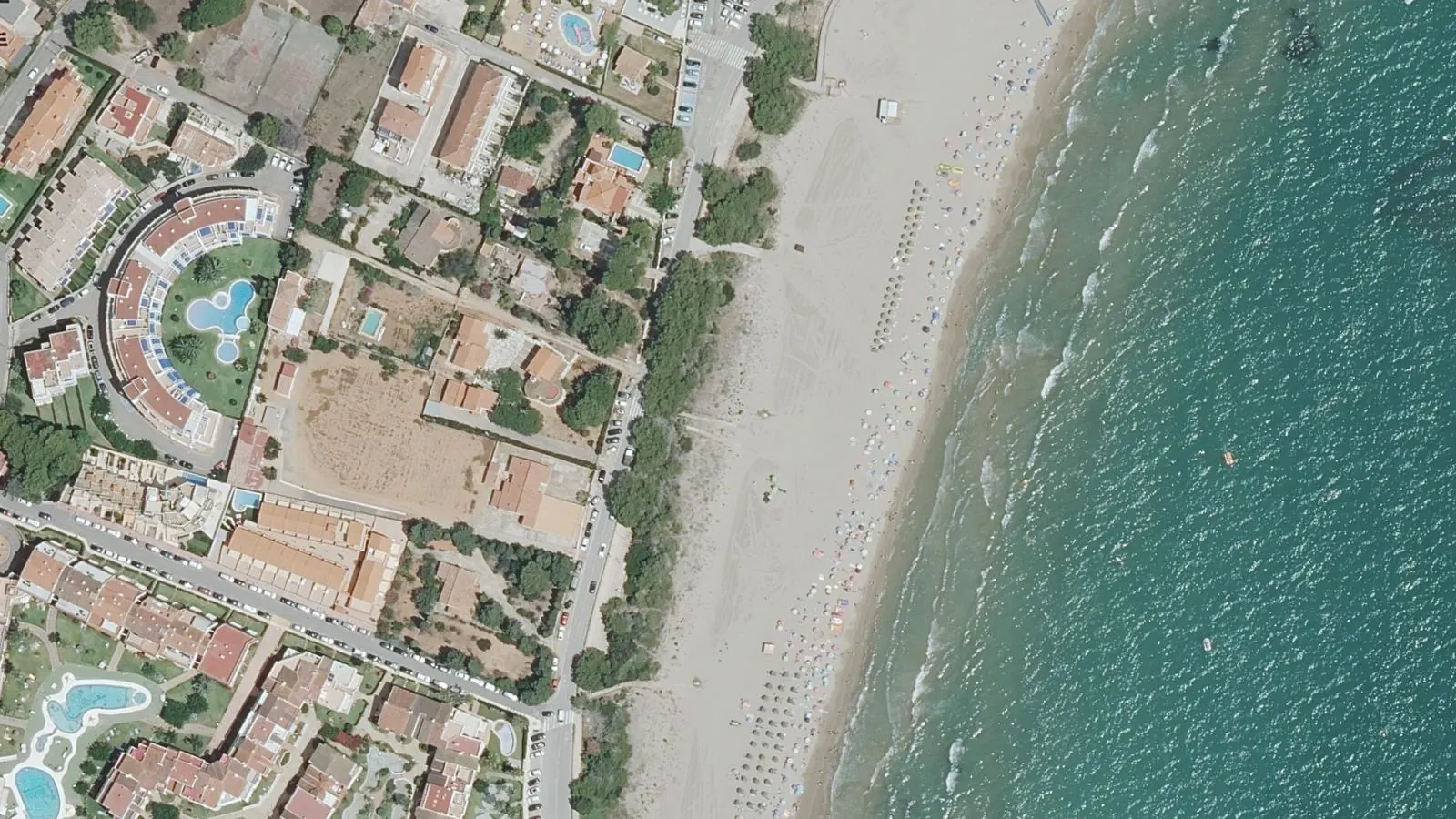
Fine sand. Urban beach. Lifeguards are on duty June through September, 11:00 to 19:00 daily.
Quick Overview
Plan Your Visit to El Carregador
The key facts before you go
About the Beach
What is El Carregador?
El Carregador is an urban beach in Alcalà de Xivert, within the Valencian Community's Alcossebre area. The beach features fine sand and faces west, offering Mediterranean conditions typical of Spain's eastern coast. It sits adjacent to the Las Fuentes urban zone and benefits from organized facilities including lifeguard coverage during peak months and sports installations. The nearby Irta Mountain forms a natural backdrop and designated sensible area. Water quality here is rated as Excellent by bathing water standards. The beach serves as a practical base for exploring both coastal swimming and inland natural terrain, with access to trekking paths through the mountain zone.
It sits alongside other certified beaches in Valencian Community, part of a broader network of other Blue Flag beaches in Spain certified annually by the Foundation for Environmental Education.
Sunrise, Sunset & Beach Direction
El Carregador faces west toward Mediterranean Sea. The best light for photography and swimming is typically in June. Direct sun hours follow that facing.
Planning
When to Go: Month by Month
| Month | Air Temp | Water Temp | Crowds |
|---|---|---|---|
| Jan | 10°C | 7°C | Low |
| Feb | 11°C | 8°C | Low |
| Mar | 12°C | 9°C | Low |
| Apr | 14°C | 11°C | Low |
| May | 18°C | 15°C | Low |
| Jun | 22°C | 19°C | Med |
| Jul | 25°C | 22°C | High |
| Aug | 25°C | 22°C | High |
| Sep | 22°C | 19°C | Med |
| Oct | 18°C | 15°C | Low |
| Nov | 14°C | 11°C | Low |
| Dec | 11°C | 8°C | Low |
The best time to visit El Carregador is June. Air temperatures peak around 25°C in summer. Peak water temperature reaches 22°C in July.
How crowded does El Carregador get?What you'll actually encounter at El Carregador depends heavily on season and day of week. Summer months (June through August) draw the densest crowds, particularly on weekends and Spanish holiday periods. July and August are peak tourist season across the Valencian Community, so expect crowded conditions during those weeks. The lifeguard presence from June to September does regulate swimming activity and likely reduces chaotic behavior near the waterline. Weekdays tend quieter than weekends throughout the year. May through June and September through October offer moderate attendance, warm enough for swimming comfort without July's intensity. Spring months (March–April) and autumn (November) see significantly fewer visitors, though water temperatures challenge casual swimmers. Winter (December–February) attracts only hardy swimmers and walkers; the beach becomes substantially quieter. The urban beach designation means consistent nearby infrastructure, restaurants, shops, and services within short walking distance. This accessibility draws day-trippers and families. The sports installations suggest organized activities on certain days, which may concentrate crowds around specific areas rather than spreading them evenly. The Alcossebre town center's proximity creates natural foot traffic patterns, with the beach functioning as part of the broader coastal promenade rather than an isolated location.
Is El Carregador open year-round?The beach itself is accessible year-round, though staffed facilities including lifeguards typically operate only during the official season (01-06 – 30-09). The Blue Flag is displayed during the certification period only.
The Water
Swimming and Beach Life at El Carregador
Is El Carregador safe to swim?El Carregador is Blue Flag certified, which requires meeting strict bathing water standards set by the EU Bathing Water Directive. Water quality is rated Excellent. Lifeguards are on duty during the official season.
What is the water temperature at El Carregador?Peak water temperature at El Carregador reaches around 22°C in July, making it comfortable for swimming during the summer months. In winter (January), air temperatures average 9.7°C.
What is the beach like at El Carregador?El Carregador delivers consistent Mediterranean beach conditions with fine sand throughout. The beach's west-facing orientation means morning sun exposure and afternoon shade development, which affects comfort depending on your schedule. Water temperatures follow predictable seasonal patterns: winter months from December to March range from 6.7°C to 9.3°C, making swimming uncomfortable without protection. Spring warming occurs gradually through April and May, reaching 15°C by May. Peak summer temperatures arrive by June at 19.1°C, climbing to 22.0–22.3°C in July and August. Autumn sees gradual cooling from 19.4°C in September through October's 15.4°C to November's 10.7°C. What makes El Carregador practical for regular visitors is its organized lifeguard service. Coverage operates from June through September, daily between 11:00 and 19:00, providing supervision during the warmest months when most swimmers use the beach. This schedule aligns with water temperatures becoming genuinely swimmable. June marks the threshold where 19.1°C water becomes tolerable for most people without wetsuits. The beach supports active use with dedicated sports installations on-site, indicating facilities for beach volleyball, paddle sports, or similar activities. Handicap facilities are present, making access possible for visitors with mobility considerations. Accommodation options exist nearby within the Las Fuentes and Alcossebre town zones, allowing flexible stay arrangements without commuting far. Sand conditions remain stable year-round, though winter storms do occur along this coastline. The fine sand composition is consistent with other Valencian beaches and responds typically to seasonal swell patterns. The beach's position within the municipality puts it close enough to town services while maintaining distinct separation from purely urban sprawl.
Does El Carregador have good facilities?As a Blue Flag certified beach, El Carregador meets the Foundation for Environmental Education's standards for facilities and services. Trained lifeguards are on duty during the season. Showers are available. Toilet facilities are on site. Parking is available nearby. The beach has disabled access facilities.
El Carregador sits on the Mediterranean Sea: explore all Blue Flag beaches on the Mediterranean.
Planning a trip to Spain? Blue Flag Beaches Spain 2026 , our editorial guide to certified beaches across the country.
While You're Here
Beyond El Carregador
Local Attraction
Transport
Getting to El Carregador
How do I get to El Carregador by car?El Carregador is approximately 8.71 km from Alcalà de Xivert. Follow local road signs to the beach. Check Google Maps or a local map for the most current directions.
What is the nearest airport to El Carregador?The nearest airport is Ibiza Airport (IBZ), approximately 178.4 km away. The nearest airport is Ibiza Airport (IBZ), located 178.4 km south. This distance makes Ibiza impractical as a primary entry point unless you're combining a beach trip with island time. Flight options are seasonal and often require car rental for the drive north to El Carregador. Valencia Airport (VLC) is approximately 120 km north and offers more frequent connections to European hubs and Spanish cities. The drive takes roughly 1.5 hours via the A-7 motorway. Both airports provide car rental services. Direct airport shuttles to Alcossebre don't exist; you'll need either rental transport or organized transfers arranged through accommodation.
Can I get to El Carregador by public transport?Public transport options vary by season. Check local transport authority websites for current bus and train schedules connecting to Alcalà de Xivert. The nearest recorded bus stop is 109 m from the beach.
Is there a train to El Carregador?El Carregador lists Alcalà de Xivert as the nearest railway station, 8.63 km away. Check current timetables before travelling.
Map
Find El Carregador
Open the map or get directions to the El Carregador pin. Amenity names are listed here only when OpenStreetMap has a mapped feature nearby.
Map loads when you ask. Tiles stay off the first paint.
Map: OpenStreetMap (ODbL)
Practical Details
Practical Information
| At the Beach | |
| Entry | Free: no charge to access the beach |
|---|---|
| Lifeguards | ✓ On duty during official season |
| Disabled Access | ✓ Accessible site facilities and water entry |
| Showers | ✓ Available during season |
| Toilets | ✓ Available during season |
| Official Season | 01 Jun – 30 Sep |
| Beach Type | Sandy beach |
| Parking | ✓ Available nearby (surface parking) |
| Nearest supermarket | 310 m from the beach |
| Nearest bus stop | 109 m from the beach |
| Visiting Information | |
| GPS Coordinates | 40.2347°N, 0.2728°E |
| Water Quality | Excellent (EU Bathing Water Directive) |
| Blue Flag Operator | Foundation for Environmental Education (FEE), Spain |
Frequently Asked Questions
El Carregador FAQ
Is El Carregador worth visiting?
El Carregador works well if you want reliable Mediterranean beach conditions without extreme crowding outside peak summer. Excellent bathing water quality and organized lifeguard coverage during June–September make it safe for regular swimmers. The nearby Irta Mountain and trekking paths add value beyond beach time. Urban facilities reduce hassle, accommodation, restaurants, and shops are close by. It's practical rather than exclusive; visit if you're basing yourself in Alcossebre and want consistent swimming access with natural surroundings.
How do I get to El Carregador?
By car: Exit junction 44 (Torreblanca-Alcossebre) from the A-7 motorway, turn left onto National Road 340. After 4 km, follow signage for Alcossebre. Valencia Airport (120 km north) is the most practical flying option with regular connections. Ibiza Airport (178 km south) works if combining travel with island time. Public transport options are limited; local bus services may connect to nearby towns, but daily verification is necessary. Car rental from Valencia provides the most flexibility.
What's the best time of year to visit?
June through September offers genuine swimming conditions, with water temperatures reaching 19–22°C and lifeguards on duty. July–August brings peak crowds and heat (25–25.3°C air temperature). May and September–early October balance moderate crowds with acceptable water temperatures (15–19°C). Spring (March–April) and autumn (November) suit walkers and hardy swimmers willing to accept cold water (9–15°C). Winter (December–February) is quiet but chilly (6.7–9.3°C water, 9.7°C air average).
What facilities are available at El Carregador?
The beach provides lifeguard supervision June–September (11:00–19:00 daily), sports installations for beach activities, and handicap facilities for accessibility. Accommodation options exist in the adjacent Las Fuentes area and Alcossebre center. Restaurants, shops, and services cluster in nearby town zones. Environmental education programs operate through local authorities. The beach faces west, so afternoon shade develops naturally. Facilities are organized but straightforward, this is a functional urban beach rather than a resort setup.
Is El Carregador suitable for families?
Yes, with conditions. Lifeguard coverage June–September provides safety during peak family season. Fine sand suits young children, and handicap facilities accommodate visitors with mobility needs. Nearby accommodation and restaurants make logistics manageable. Water temperatures below 15°C (May, October, November, and earlier/later) require wetsuits for most children. Winter months are quieter but colder. The adjacent Irta Mountain offers gentle trekking suitable for older children and active families seeking non-beach activities.
Explore More
Nearby Blue Flag Beaches
Editorial
From the Zeach Blog
Everything you need to know about what makes a beach qualify for Blue Flag status, from water quality to environmental education.
Read moreOur editorial team's pick of the standout Blue Flag beaches in Spain, rated for family friendliness, scenery, and facilities.
Explore SpainWhat the flag actually means, how certification works, and why a Blue Flag is a genuinely reliable signal, not just a marketing tool.
Read moreSources
- Foundation for Environmental Education: Blue Flag programme
- FEE site listing for El Carregador
- ADEAC (Asociación de Educación Ambiental y del Consumidor)
- European Environment Agency: bathing water quality
Last verified September 2026. National operator pages and FEE listings are the primary certification sources.