El Albergue
Spain: Excellent water quality
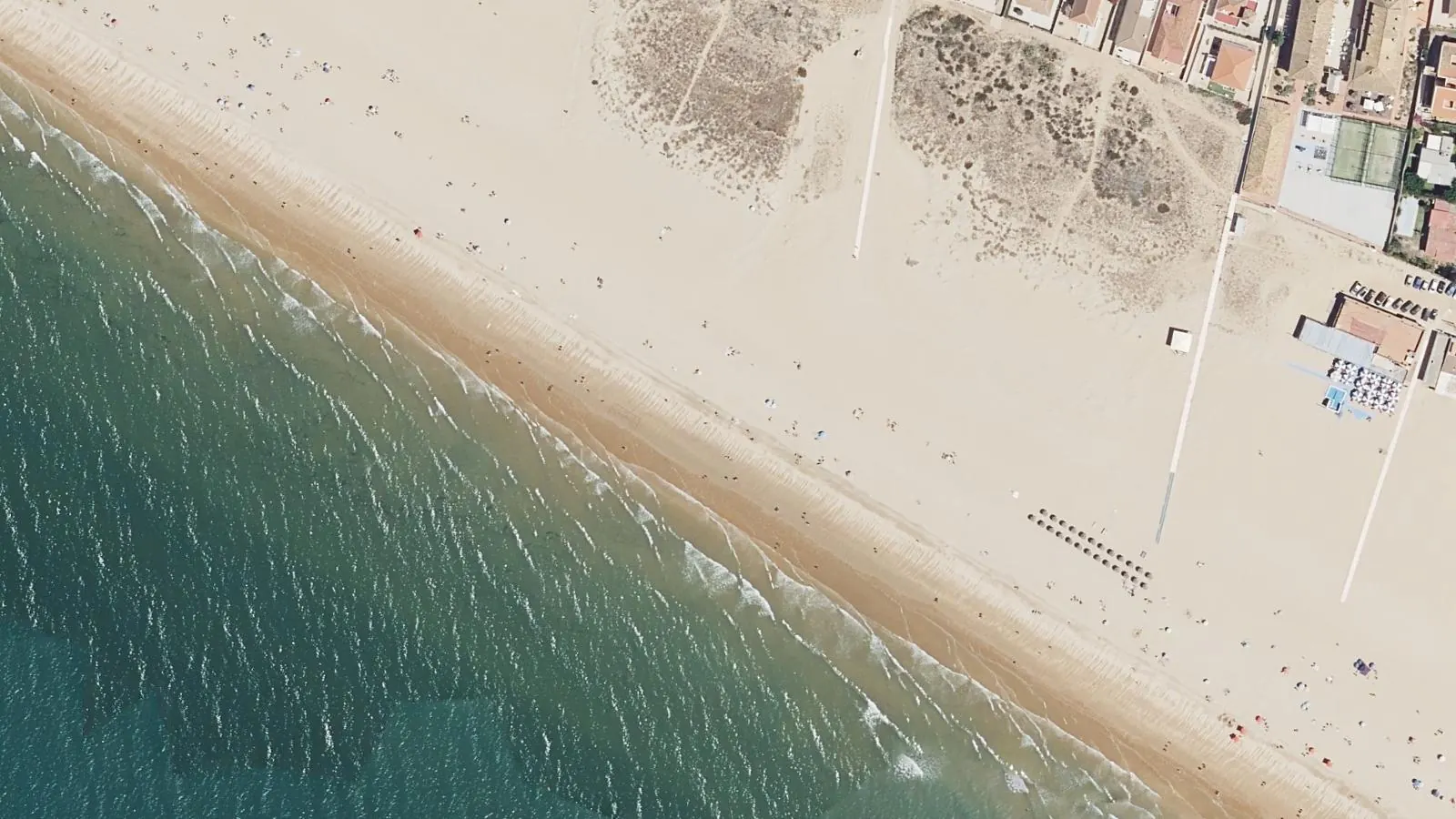
Punta Umbría beach sits on a small peninsula where the town of Punta Umbría meets the sea, bordered by the Los Enebrales Nature Area and the Marismas del Odiel wetlands. A footpath and cycle path run along the shore, and bus stops are located nearby…
Quick Overview
Plan Your Visit to El Albergue
The key facts before you go
About the Beach
What is El Albergue?
El Albergue is a west-facing beach located in Punta Umbría, a small peninsula in southern Spain where the Odiel marshes meet the coast. The beach sits adjacent to the Nature Area Los Enebrales and the Natural Area of Marismas del Odiel, creating a setting where development and protected wetland coexist. Access is straightforward via dedicated footpaths and cycle routes that run along the shoreline, with bus stops serving the beach directly. The combination of lifeguard cover, accessible facilities, and the natural character of the surrounding landscape makes El Albergue a functioning coastal destination rather than a remote escape. Water quality here is rated Excellent, which is notable for a beach in this region. It functions as a working beach with structured services, appealing primarily to people seeking reliable bathing conditions and standard beach amenities within reach of a functioning town.
It is part of a wider group of Blue Flag certified beaches across Spain that meet FEE's annual standards for water quality, safety, and environmental management.
Sunrise, Sunset & Beach Direction
El Albergue faces west toward Atlantic Ocean. The best light for photography and swimming is typically in June. Direct sun hours follow that facing.
Planning
When to Go: Month by Month
| Month | Air Temp | Water Temp | Crowds |
|---|---|---|---|
| Jan | 11°C | 8°C | Low |
| Feb | 13°C | 10°C | Low |
| Mar | 14°C | 11°C | Low |
| Apr | 16°C | 13°C | Low |
| May | 20°C | 17°C | Low |
| Jun | 23°C | 20°C | Med |
| Jul | 26°C | 23°C | High |
| Aug | 26°C | 23°C | High |
| Sep | 24°C | 21°C | Med |
| Oct | 20°C | 17°C | Low |
| Nov | 15°C | 12°C | Low |
| Dec | 13°C | 10°C | Low |
The best time to visit El Albergue is June. Air temperatures peak around 25.6°C in summer. Peak water temperature reaches 22.6°C in July.
How crowded does El Albergue get?El Albergue operates within Punta Umbría's seasonal rhythm, which is determined by Spanish school holidays and European visitor patterns. The July-August peak is when air temperatures reach their highest (25.6°C–26.1°C) and water temperatures are warmest (22–23°C), coinciding with summer holiday periods across Spain and northern Europe. During these months, facilities operate at full capacity: lifeguards are on duty, medical centres open, beach bars activate, and sun lounger rentals function. The beach draws families, regular swimmers, and tourists making use of the direct bus connections. Shoulder seasons (June and September) see moderate activity. June water is 19.8°C and air reaches summer warmth; September water remains at 20.6°C while air stays at 23.6°C. Both months attract visitors avoiding peak-season crowds, though facilities operate at reduced capacity. Winter (November–March) is quiet. Water temperatures plummet to single digits, air temperatures hover around 11°C, and medical centres close seasonally. This is when locals swim if at all, and the beach functions more as a community space than a tourist destination. The bus service continues, but beach bars close and sun lounger rentals disappear. The accessibility infrastructure (disabled access, bus stops, nearby town amenities) means El Albergue draws visitors with diverse mobility needs rather than only able-bodied tourists. This shapes crowd composition more than typical beach resorts. The adjacent nature reserves also bring birdwatchers and naturalists in shoulder seasons.
Is El Albergue open year-round?The beach itself is accessible year-round, though staffed facilities including lifeguards typically operate only during the official season (21-06 – 15-09). The Blue Flag is displayed during the certification period only.
The Water
Swimming and Beach Life at El Albergue
Is El Albergue safe to swim?El Albergue is Blue Flag certified, which requires meeting strict bathing water standards set by the EU Bathing Water Directive. Water quality is rated Excellent. Lifeguards are on duty during the official season.
What is the water temperature at El Albergue?Peak water temperature at El Albergue reaches around 22.6°C in July, making it comfortable for swimming during the summer months. In winter (January), air temperatures average 11.4°C.
What is the beach like at El Albergue?El Albergue occupies a practical position on the Punta Umbría peninsula, where urban infrastructure meets natural coastal habitats. What makes this beach distinct is its dual character, it serves regular swimmers and families while sitting at the edge of two protected natural areas. The Odiel marshes and Los Enebrales nature reserves adjacent to the beach create a different ecological context than typical resort beaches further east along the Costa de la Luz. The water temperature follows a clear seasonal pattern. Winter months (January to March) average between 8.4°C and 11.3°C, making swimming uncomfortable without a wetsuit. Spring warming is gradual: April reaches 13.2°C, May jumps to 16.9°C. Summer peaks in August at 23.1°C, with July at 22.6°C providing the warmest reliable conditions. Autumn cooling is steady through September (20.6°C) and October (17.1°C). By November, temperatures have dropped to 12.2°C. The official swim season runs July through August, reflecting when water and air temperatures align for casual swimming. Air temperatures broadly support beach use in summer months. July and August average 25.6°C and 26.1°C respectively, with September still reaching 23.6°C. January air sits at 11.4°C, which combined with 8.4°C water, explains the minimal winter swimming. The beach infrastructure is comprehensive for a Spanish Atlantic coast location. Disabled access is available, addressing mobility needs. During summer, medical centres operate on-site. Lifeguards are present, providing supervision during peak season. Sun loungers and parasol rental is available for those preferring equipped beach time. Facilities include both indoor and outdoor toilets and showers. A car park serves visitors arriving by vehicle. Summer beach bars operate seasonally, offering refreshments without requiring trips away from the sand. The footpath and cycle path system means access doesn't depend entirely on cars. This infrastructure density distinguishes El Albergue from less-developed stretches of the Costa de la Luz, though it also signals a more managed beach experience.
Does El Albergue have good facilities?As a Blue Flag certified beach, El Albergue meets the Foundation for Environmental Education's standards for facilities and services. Trained lifeguards are on duty during the season. Parking is available nearby. The beach has disabled access facilities.
El Albergue sits on the Atlantic Ocean: explore all Blue Flag beaches on the Atlantic.
Planning a trip to Spain? Blue Flag Beaches Spain 2026 , our editorial guide to certified beaches across the country.
While You're Here
Beyond El Albergue
Punta Umbría itself offers practical services: shops, restaurants, and cafés support beach visitors without requiring car travel. The town functions as a working fishing port and residential area rather than a tourist resort, which shapes its character and pricing. The adjacent natural areas (Los Enebrales and the Odiel marshes) are accessible from the beach and attract birdwatchers, particularly during migration seasons. These wetlands support diverse species and offer a contrast to the developed beachfront. The proximity to Huelva city (approximately 20 km) provides access to museums, cultural facilities, and a larger commercial base if extended stays require variety beyond beach time. The region's Atlantic coastline extends in both directions, with alternative beaches reachable by car or bus. This location sits at the boundary between tourist infrastructure and natural coast, making it suitable for visitors seeking beach access without resort-scale development.
Transport
Getting to El Albergue
How do I get to El Albergue by car?El Albergue is located in Spain. Follow local road signs to the beach. Check Google Maps or a local map for the most current directions.
What is the nearest airport to El Albergue?The nearest airport is Faro Airport (FAO), approximately 91.2 km away. El Albergue is served by Faro Airport (FAO), located 91.2 km away. This is the nearest major airport and the standard entry point for international visitors to the region. From Faro Airport, ground transportation options connect to Punta Umbría: car rental allows direct driving to the beach with parking available on-site; bus services operate from the airport to regional destinations, though connections to El Albergue require transfers. Journey time from airport to beach is approximately 90–120 minutes depending on route and traffic through the Algarve and across the border into Spain. Direct shuttle services may operate during peak season; checking with local travel operators ahead of arrival is advisable.
Can I get to El Albergue by public transport?Bus services run directly to El Albergue, with stops located next to the beach. This is the primary public transport connection. Services operate year-round, though frequency may vary seasonally. Regional buses connect Punta Umbría to Huelva city (approximately 20 km away) and onward destinations. Journey times from Huelva to El Albergue typically run 30–45 minutes. During peak summer months, increased service accommodates higher visitor numbers. Schedules are essential to check in advance, particularly for early morning or evening travel. The nearest recorded bus stop is 675 m from the beach.
Is there a train to El Albergue?El Albergue lists Huelva as the nearest railway station, 8.75 km away. Check current timetables before travelling.
Nearby
Near El Albergue
Mapped toilets, bus stops, cafés, parking, and shops within about 500 m of El Albergue. Distances are walking-line estimates from the beach pin.
Map loads when you ask. Tiles stay off the first paint.
Map: OpenStreetMap (ODbL)
Parking near El Albergue
- Parking Parking 398 m
- Parking Parking 459 m
Source: © OpenStreetMap contributors (ODbL). Names and positions come from mapped OSM features. Confirm on site.
Practical Details
Practical Information
| At the Beach | |
| Entry | Free: no charge to access the beach |
|---|---|
| Lifeguards | ✓ On duty during official season |
| Disabled Access | ✓ Accessible site facilities and water entry |
| Showers | ✗ |
| Toilets | ✗ |
| Official Season | 21 Jun – 15 Sep |
| Beach Type | Sandy beach |
| Parking | ✓ Available nearby (surface parking) |
| Nearest supermarket | 870 m from the beach |
| Nearest bus stop | 675 m from the beach |
| Visiting Information | |
| GPS Coordinates | 37.1757°N, 6.9657°W |
| Water Quality | Excellent (EU Bathing Water Directive) |
| Blue Flag Operator | Foundation for Environmental Education (FEE), Spain |
Frequently Asked Questions
El Albergue FAQ
Is El Albergue worth visiting?
El Albergue offers reliable bathing water quality (Excellent rating) and standard beach amenities (lifeguards, toilets, showers, disabled access) making it a practical coastal destination. If you're seeking a developed beach with infrastructure and nearby town services, it delivers this. The summer season (July–August) provides water temperatures around 22–23°C and air temperatures of 25–26°C. The adjacent nature reserves add character beyond typical resort beaches. It's worth visiting if you value accessibility and services over remoteness. Summer crowds reflect its popularity among Spanish and European visitors.
How do I get to El Albergue?
The most direct access is by bus, services run directly to the beach year-round. Arriving by air, use Faro Airport (91 km away); from there, rent a car or take connecting bus services to Punta Umbría. Driving allows flexibility for accessing the beach and exploring surrounding areas. Public transport is viable: buses from Huelva city take 30–45 minutes to reach the beach. Arriving by train requires traveling to Huelva station first, then completing the journey by bus or car. During summer months, shuttle services from Faro may operate; check ahead.
What is the best time of year to visit El Albergue?
July and August are peak season: water reaches 22–23°C, air temperatures average 25–26°C, and all facilities operate. Lifeguards are on duty, medical centres open, and beach bars run. If you prefer warmer conditions with functioning services, this is ideal. June and September offer moderate temperatures (water 19.8–20.6°C, air 23–24°C) with smaller crowds. Winter (November–March) sees water temperatures drop to 8–12°C and medical centres close seasonally. Swimming is uncomfortable without wetsuits. Visit winter only if you seek quiet beaches and are comfortable with cold water. Spring (April–May) shows gradual warming but remains cool for casual swimmers.
What facilities are available at El Albergue?
El Albergue offers comprehensive amenities: lifeguards during season, disabled access, indoor and outdoor toilets and showers, sun lounger and parasol hire, a car park, and summer beach bars. Medical centres operate on-site during summer months. The footpath and cycle path system allows non-motorised access. Bus stops are adjacent to the beach. These facilities operate year-round at baseline level; summer months see full activation including bars and medical services. This makes El Albergue suitable for visitors with mobility needs and families seeking equipped beach time.
Is El Albergue suitable for families?
Yes, El Albergue is family-oriented. Lifeguards provide supervision, medical facilities operate in summer, and disabled access accommodates families with mobility considerations. Sun loungers and parasol hire reduce setup requirements. Nearby facilities in Punta Umbría include shops, cafés, and restaurants. The footpath system allows safe walking with children separate from traffic. Water temperatures in July–August (22–23°C) are warm enough for children's swimming. The adjacent nature reserves offer educational exploration of coastal wetlands. Quieter shoulder seasons (June, September) reduce crowd pressure. Winter water temperatures are not suitable for young children without extended exposure suits.
Is there parking near El Albergue?
Yes. OpenStreetMap maps parking 398 m from El Albergue, with 2 lots or spaces inside about 500 m. Charges and time limits are not recorded here. © OpenStreetMap contributors (ODbL).
Explore More
Nearby Blue Flag Beaches
Editorial
From the Zeach Blog
Everything you need to know about what makes a beach qualify for Blue Flag status, from water quality to environmental education.
Read moreOur editorial team's pick of the standout Blue Flag beaches in Spain, rated for family friendliness, scenery, and facilities.
Explore SpainWhat the flag actually means, how certification works, and why a Blue Flag is a genuinely reliable signal, not just a marketing tool.
Read moreSources
- Foundation for Environmental Education: Blue Flag programme
- FEE site listing for El Albergue
- ADEAC (Asociación de Educación Ambiental y del Consumidor)
- European Environment Agency: bathing water quality
Last verified September 2026. National operator pages and FEE listings are the primary certification sources.