Dragão Vermelho
Lisbon, Portugal: Excellent water quality
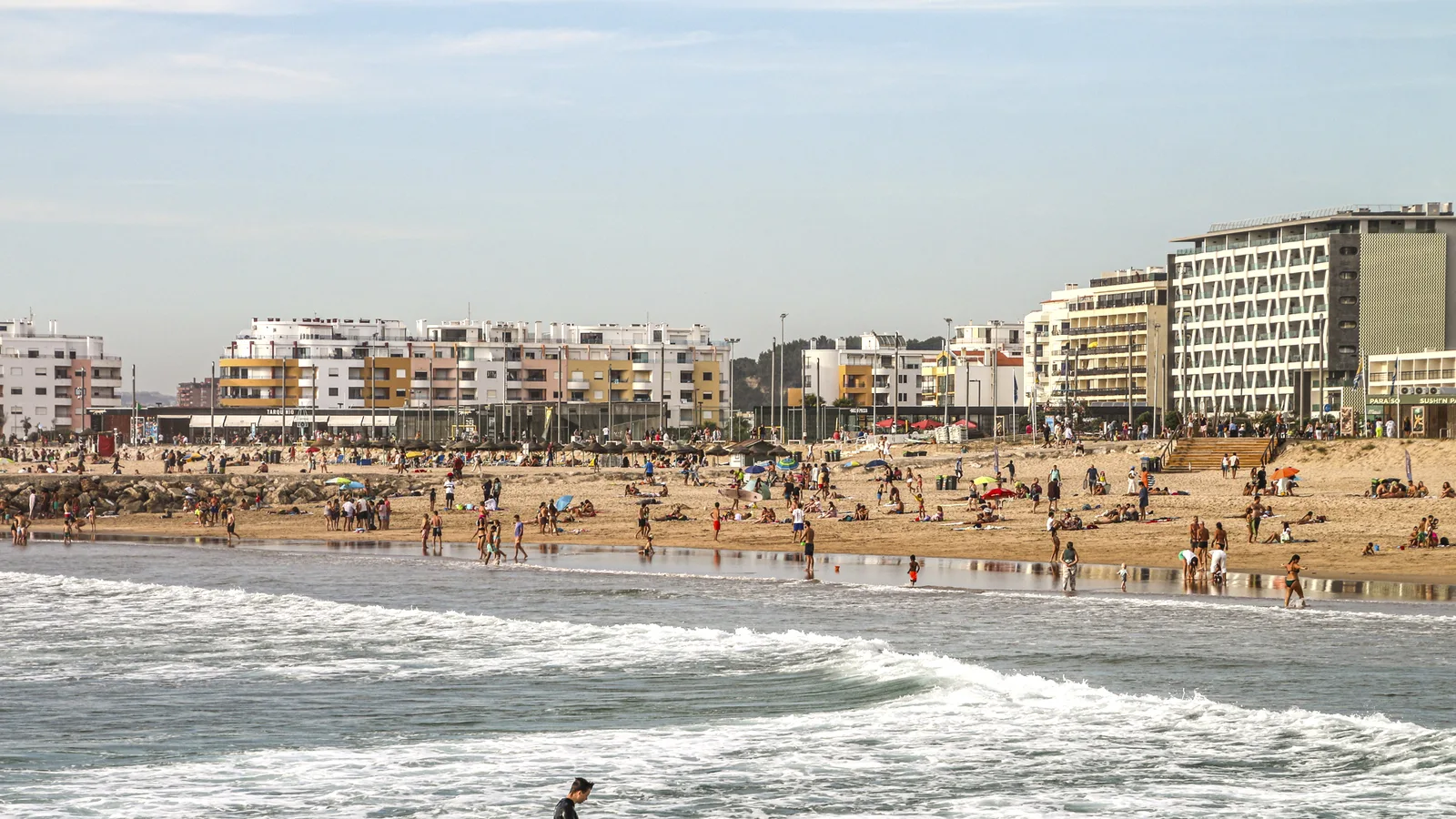
The beaches of Costa da Caparica stretch for 15 kilometers along the coast. Most are staffed with lifeguards during summer, have parking nearby, and are lined with restaurants and bars.
Quick Overview
Plan Your Visit to Dragão Vermelho
The key facts before you go
About the Beach
What is Dragão Vermelho?
Praia do Dragão Vermelho sits along the Costa da Caparica coastline, a 15-kilometer stretch of beaches in the Lisbon region near Agualva-Cacém. This 220-meter beach serves a mixed crowd, surfers seeking Atlantic swells and swimmers wanting safe bathing conditions. The water quality is rated excellent, and lifeguards patrol during summer months. The beach faces west, catching afternoon light and consistent Atlantic swell. Access is straightforward with paved roads and nearby parking. The sand here is light and fine, typical of this section of coast. Unlike some Portuguese beaches, Dragão Vermelho doesn't rely on dramatic scenery or exclusive positioning, it works because it handles different users well.
It sits alongside certified beaches along Lisbon, part of a broader network of certified beaches throughout Portugal certified annually by the Foundation for Environmental Education.
Sunrise, Sunset & Beach Direction
Dragão Vermelho faces west toward Atlantic Ocean. The best light for photography and swimming is typically in June, September. Direct sun hours follow that facing.
Planning
When to Go: Month by Month
| Month | Air Temp | Water Temp | Crowds |
|---|---|---|---|
| Jan | 12°C | 9°C | Low |
| Feb | 13°C | 10°C | Low |
| Mar | 14°C | 11°C | Low |
| Apr | 15°C | 12°C | Low |
| May | 18°C | 15°C | Low |
| Jun | 20°C | 17°C | Med |
| Jul | 22°C | 19°C | High |
| Aug | 23°C | 20°C | High |
| Sep | 21°C | 18°C | Med |
| Oct | 19°C | 16°C | Low |
| Nov | 15°C | 12°C | Low |
| Dec | 13°C | 10°C | Low |
The best time to visit Dragão Vermelho is June, September. Air temperatures peak around 22.2°C in summer. Peak water temperature reaches 19.2°C in July.
How crowded does Dragão Vermelho get?Dragão Vermelho draws a mixed user base throughout the year. Summer months (June-September) bring families, swimmers, and tourists taking advantage of water temperatures between 16.9°C and 19.5°C. The 220-meter beach length manages this traffic reasonably, though July and August weekends can feel crowded. Surfers appear most consistently during autumn and winter when Atlantic swell is more reliable, even as water temperatures drop to single digits. The pier structures at each end provide natural gathering points and help distribute people along the length. The tarmac walkway behind the beach means non-swimmers have dry access and viewpoints. Lifeguards during summer months create a clear safe zone for families and less confident swimmers, which shapes where people concentrate. Local knowledge suggests weekdays, particularly in shoulder seasons (May-June, September), offer better space and lighter atmosphere than peak July-August periods.
Is Dragão Vermelho open year-round?The beach itself is accessible year-round, though staffed facilities including lifeguards typically operate only during the official season (01-06 – 30-09). The Blue Flag is displayed during the certification period only.
The Water
Swimming and Beach Life at Dragão Vermelho
Is Dragão Vermelho safe to swim?Dragão Vermelho is Blue Flag certified, which requires meeting strict bathing water standards set by the EU Bathing Water Directive. Water quality is rated Excellent. Lifeguards are on duty during the official season.
What is the water temperature at Dragão Vermelho?Peak water temperature at Dragão Vermelho reaches around 19.2°C in July, making it comfortable for swimming during the summer months. In winter (January), air temperatures average 11.5°C.
What is the beach like at Dragão Vermelho?Dragão Vermelho is a functional, working beach that handles multiple uses without obvious conflict. The 220-meter beach sits between two piers that anchor the sand and define its boundaries. A tarmac walkway runs along the top of the wall system, giving dry-footed access and a clear separation between the beach and the urban development behind. The sand itself is light and fine, easy to walk on, comfortable underfoot, and quick-draining in the typical Lisbon climate. The western exposure means the beach catches Atlantic swell consistently. On larger swell days, the beach picks up rideable waves. On smaller days, the same exposure creates safe bathing conditions. Water temperatures vary significantly by season: January averages 8.5°C, climbing through spring to peak at 19.5°C in August, then cooling back down. Most visitors come June through September when water sits between 16.9°C and 19.5°C. Access roads are paved and maintained to good condition, not a difficult beach to reach by car. Parking is available nearby, though summer weekends can fill spaces quickly. The beach facilities include restaurants and bars scattered along the Costa da Caparica strip, so getting food or a drink doesn't require leaving the area. Lifeguards work the beach during summer, marked by the typical red and yellow flags. Winter brings much cooler air temperatures (11.5°C in January) and rougher conditions, though the beach remains accessible year-round.
Does Dragão Vermelho have good facilities?As a Blue Flag certified beach, Dragão Vermelho meets the Foundation for Environmental Education's standards for facilities and services. Trained lifeguards are on duty during the season.
Dragão Vermelho sits on the Atlantic Ocean: explore all Blue Flag beaches on the Atlantic.
Planning a trip to Portugal? Blue Flag Beaches Portugal , our editorial guide to certified beaches across the country.
While You're Here
Beyond Dragão Vermelho
Costa da Caparica extends 15 kilometers, so exploring neighboring beaches is practical and common. Each beach along the strip has slightly different character and crowd levels. Agualva-Cacém itself is primarily residential with local amenities but limited tourism infrastructure. Lisbon lies within 30-40 kilometers north, accessible by bus or car, offering museums, historic neighborhoods, and full urban services. The wider Setúbal Peninsula to the south contains fishing villages, small ports, and secondary beaches with less tourist density. The region's food culture emphasizes fresh seafood, restaurants along Costa da Caparica typically serve grilled fish, octopus, and Portuguese seafood stews reflecting the working fishing heritage of the area.
Transport
Getting to Dragão Vermelho
How do I get to Dragão Vermelho by car?Dragão Vermelho is approximately 14.82 km from Agualva-Cacém. Follow local road signs to the beach. Check Google Maps or a local map for the most current directions.
What is the nearest airport to Dragão Vermelho?The nearest airport is Faro Airport (FAO), approximately 212.5 km away. Faro Airport, 212.5 kilometers south, is the nearest airport serving Dragão Vermelho. Flying into Faro gives access to the wider Algarve and Lisbon regions. From Faro, you'll need onward transport, car rental is the most direct option for reaching Dragão Vermelho, with a 2.5-3 hour drive north through the Alentejo. Alternatively, bus services connect Faro to Lisbon, then local buses serve Agualva-Cacém and the Costa da Caparica. Humberto Delgado Lisboa Airport in the capital is further (approximately 50 kilometers) but offers more European flight options and better ground transport connections to the beach.
Can I get to Dragão Vermelho by public transport?Bus services operate from Lisbon and surrounding areas to Costa da Caparica. Agualva-Cacém, the nearest named city, has transport connections to the beach. TST and Barraqueiro operate regional bus routes serving this coastline. Journey times from central Lisbon typically run 45-60 minutes depending on stops and starting point. Buses serve the tarmac parking areas near the beach. The nearest recorded bus stop is 700 m from the beach.
Is there a train to Dragão Vermelho?Dragão Vermelho lists Universidade as the nearest railway station, 4.3 km away. Check current timetables before travelling.
Map
Find Dragão Vermelho
Open the map or get directions to the Dragão Vermelho pin. Amenity names are listed here only when OpenStreetMap has a mapped feature nearby.
Map loads when you ask. Tiles stay off the first paint.
Map: OpenStreetMap (ODbL)
Practical Details
Practical Information
| At the Beach | |
| Entry | Free: no charge to access the beach |
|---|---|
| Lifeguards | ✓ On duty during official season |
| Disabled Access | ✗ No dedicated disabled access listed |
| Showers | ✗ |
| Toilets | ✗ |
| Official Season | 01 Jun – 30 Sep |
| Beach Type | Sandy beach |
| Parking | ✗ No parking listed nearby |
| Nearest supermarket | 850 m from the beach |
| Nearest bus stop | 700 m from the beach |
| Visiting Information | |
| GPS Coordinates | 38.6397°N, 9.2460°W |
| Water Quality | Excellent (EU Bathing Water Directive) |
| Blue Flag Operator | Foundation for Environmental Education (FEE), Portugal |
Frequently Asked Questions
Dragão Vermelho FAQ
Is Dragão Vermelho worth visiting?
Yes, if you want a functional beach that handles multiple uses well. It's not the most scenic or exclusive beach on the Lisbon coast, but the combination of excellent water quality, lifeguard presence, reliable conditions for both swimmers and surfers, and straightforward access makes it practical. The 220-meter length gives space without feeling empty. It works best in shoulder seasons (May-June, September) when crowds are lighter and water temperatures comfortable.
How do I get to Dragão Vermelho?
By car is most straightforward, paved access roads and nearby parking. From Lisbon, drive south toward Almada and Costa da Caparica, approximately 30-40 kilometers. Bus services operate from Lisbon and Agualva-Cacém to the beach area. Faro Airport is 212.5 kilometers away; car rental and a 2.5-3 hour drive is typical. Public transport from Faro requires connections through Lisbon, taking longer.
What's the best time of year to visit?
June through September offers warmest water (16.9°C-19.5°C) and air temperatures (22-23°C). May and September provide good conditions with fewer crowds than July-August. Winter water temperatures drop to 8.5°C (January), requiring wetsuit protection. Summer offers the most reliable beach infrastructure and lifeguard presence. Shoulder seasons balance comfort and crowd levels better than peak summer.
What facilities are available at the beach?
Lifeguards patrol during summer months, marked by red and yellow flags. Restaurants and bars operate along the Costa da Caparica strip. Paved parking is available nearby. The tarmac walkway behind the beach provides dry access and seating areas. Toilets and basic services are typical for a developed beach strip. No major resort facilities, but the setup supports day visits comfortably.
Is Dragão Vermelho suitable for families?
Yes, with conditions noted. Summer lifeguard presence creates a designated safe zone for children. The light, fine sand is comfortable for young children. Water temperatures June-September are manageable for families accustomed to Atlantic conditions. The pier boundaries help define swimming areas. Restaurants and walkway facilities support family visits. Winter water temperatures (under 10°C) would need protective gear. Weekdays outside peak July-August offer calmer conditions for younger children.
Explore More
Nearby Blue Flag Beaches
Editorial
From the Zeach Blog
Everything you need to know about what makes a beach qualify for Blue Flag status, from water quality to environmental education.
Read moreOur editorial team's pick of the standout Blue Flag beaches in Portugal, rated for family friendliness, scenery, and facilities.
Explore PortugalWhat the flag actually means, how certification works, and why a Blue Flag is a genuinely reliable signal, not just a marketing tool.
Read moreSources
- Foundation for Environmental Education: Blue Flag programme
- FEE site listing for Dragão Vermelho
- ABAE (Associação Bandeira Azul da Europa)
- European Environment Agency: bathing water quality
Last verified September 2026. National operator pages and FEE listings are the primary certification sources.