Doniños
Galicia, Spain: Excellent water quality
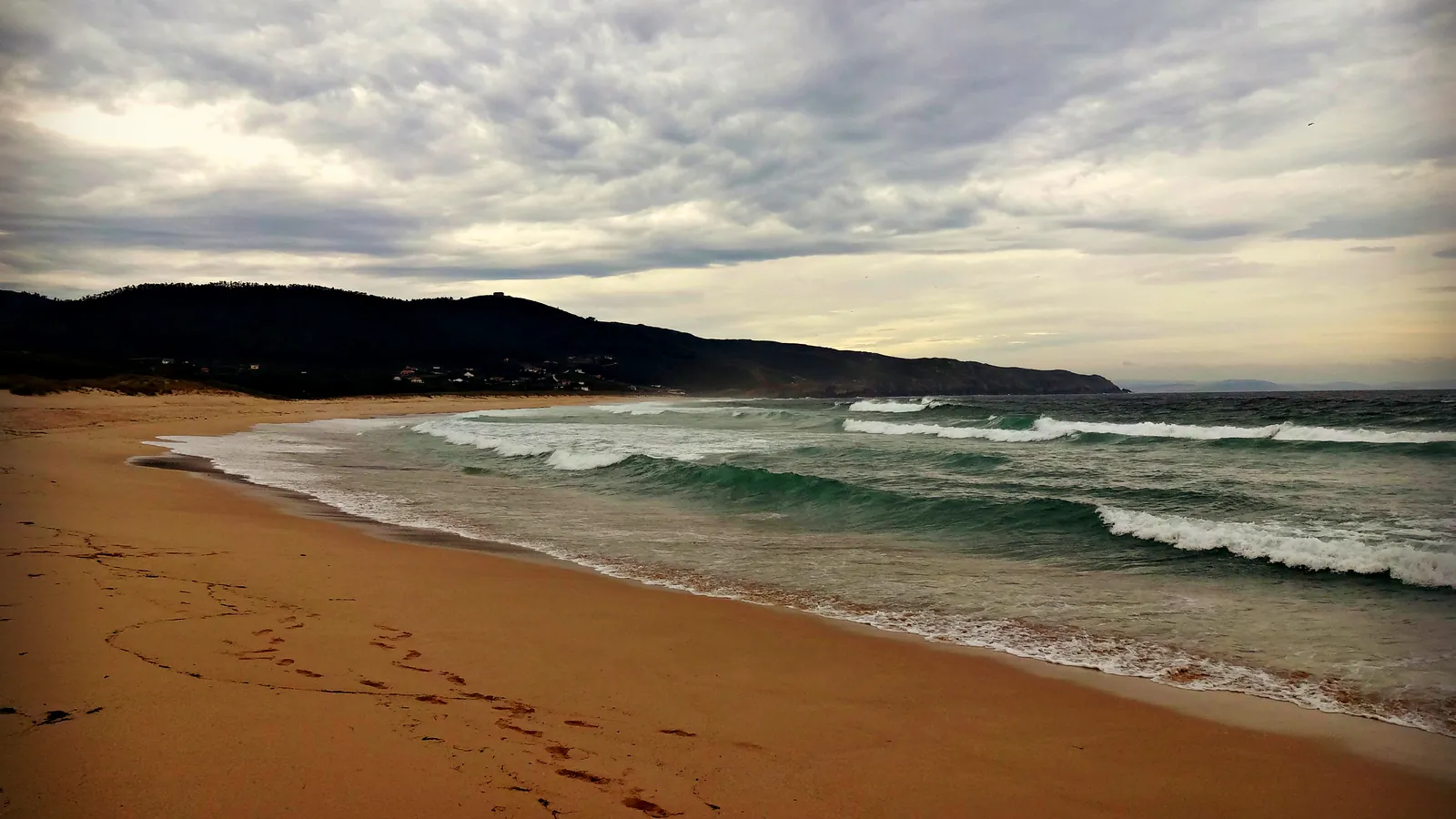
Doniños is a fine-sand beach in a protected natural area near Ferrol, in northwestern Galicia. The beach sits beside Doniños Lagoon, one of the region's most important wetlands, where marine birds nest on cliff faces and nearby islands. The lagoon's coastline supports unusual flora, including…
Quick Overview
Plan Your Visit to Doniños
The key facts before you go
About the Beach
What is Doniños?
Doninos is a fine sand beach on Galicia's northwestern coast, situated within a protected natural landscape near Ferrol. The beach forms part of a larger natural area centred on Doniños Lagoon, one of the region's most ecologically significant wetlands. The lagoon supports diverse marine bird populations, while the surrounding landscape features distinctive flora including extensive beds of white-flowered water lilies. The beach itself offers direct access to this unique environment, making it a destination where coastal bathing and natural history interest overlap. Bathing water quality is consistently excellent, and lifeguard cover is available during peak periods.
It sits alongside certified beaches along Galicia, part of a broader network of certified beaches throughout Spain certified annually by the Foundation for Environmental Education.
Sunrise, Sunset & Beach Direction
Doniños faces west toward Atlantic Ocean. The best light for photography and swimming is typically in June. Direct sun hours follow that facing.
Planning
When to Go: Month by Month
| Month | Air Temp | Water Temp | Crowds |
|---|---|---|---|
| Jan | 10°C | 7°C | Low |
| Feb | 11°C | 8°C | Low |
| Mar | 11°C | 8°C | Low |
| Apr | 13°C | 10°C | Low |
| May | 16°C | 13°C | Low |
| Jun | 17°C | 14°C | Med |
| Jul | 20°C | 17°C | High |
| Aug | 20°C | 17°C | High |
| Sep | 19°C | 16°C | Med |
| Oct | 16°C | 13°C | Low |
| Nov | 13°C | 10°C | Low |
| Dec | 12°C | 9°C | Low |
The best time to visit Doniños is June. Air temperatures peak around 19.5°C in summer. Peak water temperature reaches 16.5°C in July.
How crowded does Doniños get?Doninos remains relatively quiet compared to major urban beaches in Galicia. Its rural location and limited facilities act as natural crowd regulators. During July and August, the beach sees increased visitor numbers, particularly on weekends and during Spanish holiday periods, but crowding remains manageable. Weekday visits during these months offer noticeably quieter conditions. September onwards sees rapid decrease in visitor numbers as summer ends and water temperatures drop below 16°C. Winter months attract only occasional visitors, primarily those with specific interests in the natural environment or willing to tolerate cold conditions. The beach appeals to families seeking quieter environments, nature-focused visitors interested in the lagoon system, and those preferring solitude over social beach atmospheres. Peak times (mid-July to mid-August, weekends) may require early arrival to secure parking, but the beach itself rarely becomes congested even during busier periods.
Is Doniños open year-round?The beach itself is accessible year-round, though staffed facilities including lifeguards typically operate only during the official season (15-06 – 15-09). The Blue Flag is displayed during the certification period only.
The Water
Swimming and Beach Life at Doniños
Is Doniños safe to swim?Doniños is Blue Flag certified, which requires meeting strict bathing water standards set by the EU Bathing Water Directive. Water quality is rated Excellent. Lifeguards are on duty during the official season.
What is the water temperature at Doniños?Peak water temperature at Doniños reaches around 16.5°C in July, making it comfortable for swimming during the summer months. In winter (January), air temperatures average 10.2°C.
What is the beach like at Doniños?Doninos stretches along the western-facing coast with fine sand characteristic of this section of Galicia. The beach's setting within a protected landscape distinguishes it from more developed resorts. The immediate surroundings are rural, with the Doniños Lagoon system dominating the natural geography. Water temperatures are typical of the Atlantic Galician coast: cold year-round by Mediterranean standards, ranging from 7.2°C in January to a peak of 17.0°C in August. Spring and early summer (May to July) offer the most comfortable bathing conditions, though water rarely exceeds 17°C even at seasonal peaks. The beach benefits from excellent bathing water quality ratings, monitored and maintained to high standards. Lifeguards are present, providing safety oversight during designated periods. The fine sand composition is suitable for walking and basic beach activities, though the cool water temperature limits comfortable bathing to summer months for most visitors. The lagoon system immediately adjacent creates a landscape where coastal and wetland environments meet. The cliff faces in the surrounding area support nesting seabirds, while the lagoon margins support the characteristic white water lily beds that give the area botanical interest. The rural character means facilities are limited compared to urban beaches, which is both a constraint and part of the appeal for visitors seeking quieter natural settings. Access to the beach is straightforward via local roads from Ferrol. Parking is available, though during peak summer periods capacity can fill, particularly on weekends. The beach faces west, receiving afternoon and evening sun. Air temperatures are moderate, with August averaging 20°C and winter months averaging around 10°C, making the beach most accessible for extended time outdoors between May and September.
Does Doniños have good facilities?As a Blue Flag certified beach, Doniños meets the Foundation for Environmental Education's standards for facilities and services. Trained lifeguards are on duty during the season. The beach has disabled access facilities.
Doniños sits on the Atlantic Ocean: explore all Blue Flag beaches on the Atlantic.
Planning a trip to Spain? Blue Flag Beaches Spain 2026 , our editorial guide to certified beaches across the country.
While You're Here
Beyond Doniños
Doniños Lagoon itself is the primary natural attraction beyond the beach. This protected wetland supports significant populations of marine and coastal birds, with observation opportunities from designated viewpoints and paths around the lagoon margins. The white water lily beds visible during flowering season are botanically distinctive. The cliff faces surrounding the lagoon support seabird nesting colonies. Ferrol, the nearest city, offers urban amenities including restaurants, accommodation, and shops. The broader Galician coast provides additional beach destinations within short driving distances. The Rias Altas region offers dramatic coastal scenery and fishing villages. Inland Galicia features forest landscapes and rural settlements typical of the region.
Transport
Getting to Doniños
How do I get to Doniños by car?Doniños is approximately 7.04 km from Ferrol. Follow local road signs to the beach. Check Google Maps or a local map for the most current directions.
What is the nearest airport to Doniños?The nearest airport is A Coruna Airport (LCG) (LCG), approximately 21.8 km away. A Coruna Airport (LCG) is the nearest commercial airport, located 21.8 km northwest of Doninos beach. The airport handles domestic and international flights, with regular connections to Madrid, Barcelona, and other major Spanish cities. From the airport, ground transport to Ferrol (approximately 30 km further) is required; options include rental car, taxi, or bus services. A rental car offers greatest flexibility for reaching the beach and exploring the surrounding Galician coast. Journey time from airport to beach is approximately 45 minutes to one hour by car via the N-VI and local roads toward Ferrol.
Can I get to Doniños by public transport?Public transport options vary by season. Check local transport authority websites for current bus and train schedules connecting to Ferrol. The nearest recorded bus stop is 624 m from the beach.
Is there a train to Doniños?Doniños lists Santa Icía as the nearest railway station, 9.65 km away. Check current timetables before travelling.
Map
Find Doniños
Open the map or get directions to the Doniños pin. Amenity names are listed here only when OpenStreetMap has a mapped feature nearby.
Map loads when you ask. Tiles stay off the first paint.
Map: OpenStreetMap (ODbL)
Practical Details
Practical Information
| At the Beach | |
| Entry | Free: no charge to access the beach |
|---|---|
| Lifeguards | ✓ On duty during official season |
| Disabled Access | ✓ Accessible site facilities and water entry |
| Showers | ✗ |
| Toilets | ✗ |
| Official Season | 15 Jun – 15 Sep |
| Beach Type | Sandy beach |
| Parking | ✗ No parking listed nearby |
| Nearest bus stop | 624 m from the beach |
| Visiting Information | |
| GPS Coordinates | 43.4937°N, 8.3193°W |
| Water Quality | Excellent (EU Bathing Water Directive) |
| Blue Flag Operator | Foundation for Environmental Education (FEE), Spain |
Frequently Asked Questions
Doniños FAQ
Is Doninos worth visiting?
Doninos suits visitors seeking a quiet beach within a natural protected landscape rather than those expecting resort facilities or extensive crowds. The beach offers excellent bathing water quality and lifeguard coverage. The primary appeal lies in the adjacent Doniños Lagoon ecosystem, which supports significant bird populations and distinctive wetland flora including white water lilies. The rural setting and fine sand beach are suitable for families and nature-focused visitors. The trade-off is limited facilities compared to developed beaches. Visitation is worthwhile if your priorities align with natural environment access and quieter beach conditions over infrastructure convenience.
How do I get to Doninos?
From Ferrol city centre, exit toward La Malata and take the DP3612 road at the roundabout (second exit) toward the beaches. At the crossroad, turn right onto DP3608 road toward Reciclaterra. Continue to the second roundabout and take DP3607 (second right exit). Follow DP3607 until the left-hand turning marked 'Praia Doniños'. A Coruna Airport (LCG) is 21.8 km away; rental car is the most practical transport option from there. Ferrol itself is approximately 5-10 km from the beach depending on the specific approach route.
What is the best time of year to visit Doninos?
May through September offers the most accessible conditions. Water temperatures peak at 17°C in August, still cold for extended swimming but workable for acclimatised swimmers and those in wetsuits. Air temperatures are warmest in August (20°C) and September (18.8°C). July and August see the highest visitor numbers. June offers slightly warmer water (14.2°C) with fewer crowds than peak summer. September provides good air temperatures (18.8°C) with dropping crowds and water still relatively warm (15.8°C). Winter visits are feasible for bird-watching and lagoon exploration but impractical for beach swimming due to water temperatures around 8°C.
What facilities are there at Doninos?
Doninos offers lifeguard coverage during designated periods. Parking is available near the beach. The rural setting means limited commercial facilities, expect no beachfront bars, restaurants, or hire facilities. Basic amenities may be minimal. Visitors should bring their own supplies, sun protection, and any specific equipment required. The nearby city of Ferrol provides accommodation, restaurants, and shops. This lack of infrastructure is intentional, reflecting the beach's status within a protected natural landscape. Plan accordingly for longer visits with supplies brought from Ferrol.
Is Doninos suitable for families?
Doninos is suitable for families prioritising natural environment access and quieter conditions over facilities. Lifeguards are present, providing safety oversight. The fine sand beach and relatively calm conditions (compared to Atlantic-exposed beaches) make it accessible for children. Water temperatures require caution, swimming is comfortably feasible only in July-August when temperatures reach 16-17°C. The adjacent lagoon system offers nature observation opportunities suitable for family exploration. Limited facilities mean parents should plan ahead: bring supplies, sun protection, and entertainment. The rural character and absence of crowds appeal to families seeking quieter beach experiences rather than animated seaside resorts.
Explore More
Nearby Blue Flag Beaches
Editorial
From the Zeach Blog
Everything you need to know about what makes a beach qualify for Blue Flag status, from water quality to environmental education.
Read moreOur editorial team's pick of the standout Blue Flag beaches in Spain, rated for family friendliness, scenery, and facilities.
Explore SpainWhat the flag actually means, how certification works, and why a Blue Flag is a genuinely reliable signal, not just a marketing tool.
Read moreSources
- Foundation for Environmental Education: Blue Flag programme
- FEE site listing for Doniños
- ADEAC (Asociación de Educación Ambiental y del Consumidor)
- European Environment Agency: bathing water quality
Last verified September 2026. National operator pages and FEE listings are the primary certification sources.