Culatra-Mar
Faro, Portugal: Excellent water quality
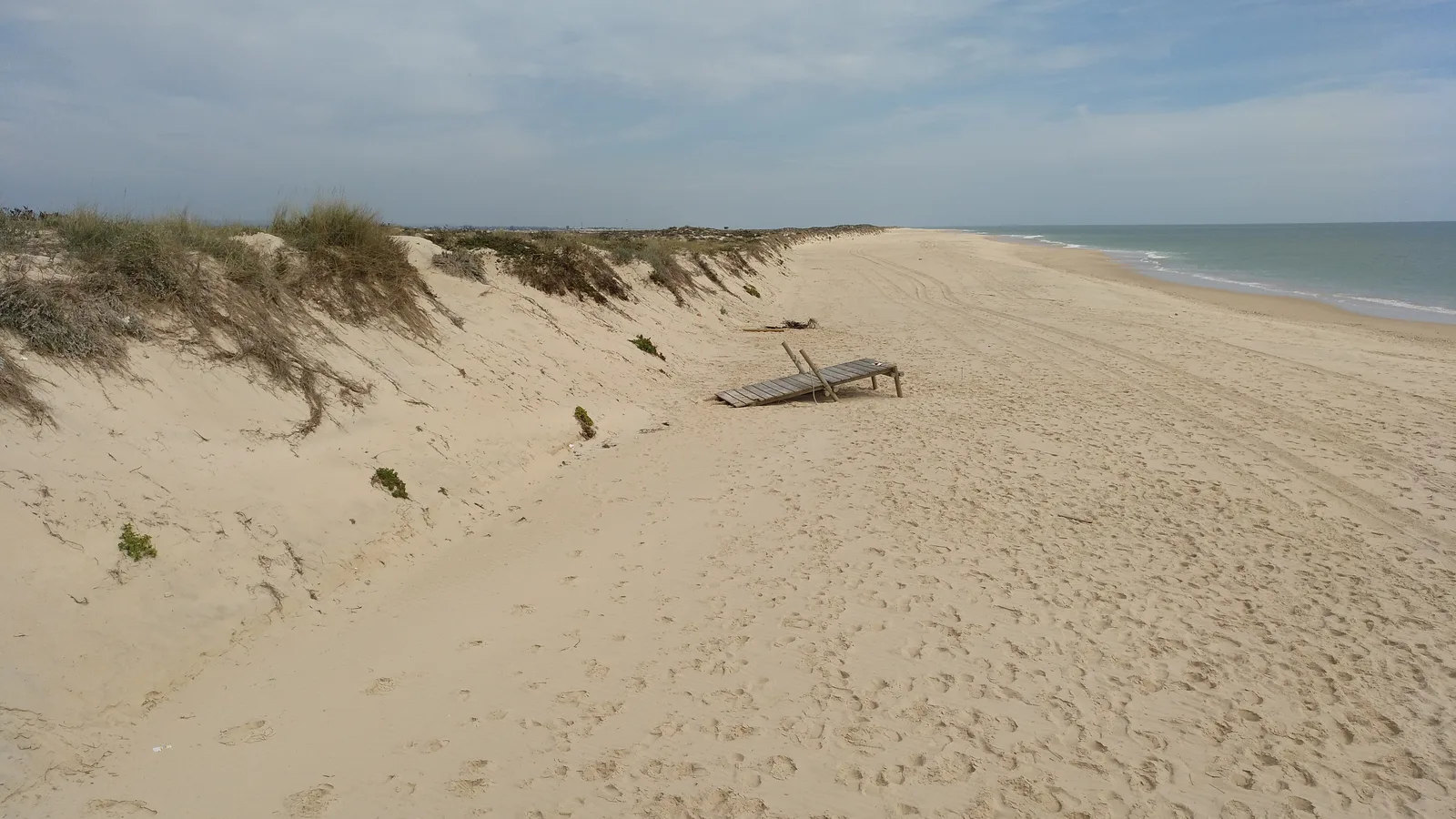
Praia da Culatra is on the island of the same name in Faro municipality. The village has about 750 residents and remains rooted in fishing. You can only reach Culatra by boat, ferries run year-round from Olhão and from Faro's Cais da Porta Nova (Portas…
Quick Overview
Plan Your Visit to Culatra-Mar
The key facts before you go
About the Beach
What is Culatra-Mar?
Culatra-Mar sits on the barrier island of Culatra, part of the Ria Formosa Natural Park in Portugal's Algarve region. This west-facing beach belongs to a working fishing village of around 750 inhabitants, where the sea remains central to daily life. Accessible only by boat from Olhão year-round or from Faro's Cais da Porta Nova, reaching Culatra-Mar requires a deliberate journey across the lagoon. The beach itself stretches wide and uninterrupted in both directions, east and west, offering an expanse of sand that feels removed from the developed coastline visible from the mainland. A wooden walkway constructed under Ria Formosa Natural Park guidelines leads visitors from the village to the shore, crossing through protected dune habitat. The water quality here carries an Excellent rating for bathing, and during summer months the municipality provides lifeguard coverage. This is a beach defined by its island setting and fishing heritage rather than resort amenities.
It sits alongside certified beaches along Faro, part of a broader network of certified beaches throughout Portugal certified annually by the Foundation for Environmental Education.
Sunrise, Sunset & Beach Direction
Culatra-Mar faces west toward Atlantic Ocean. The best light for photography and swimming is typically in June, September. Direct sun hours follow that facing.
Planning
When to Go: Month by Month
| Month | Air Temp | Water Temp | Crowds |
|---|---|---|---|
| Jan | 13°C | 10°C | Low |
| Feb | 14°C | 11°C | Low |
| Mar | 15°C | 12°C | Low |
| Apr | 16°C | 13°C | Low |
| May | 20°C | 17°C | Low |
| Jun | 22°C | 19°C | Med |
| Jul | 25°C | 22°C | High |
| Aug | 26°C | 23°C | High |
| Sep | 23°C | 20°C | Med |
| Oct | 20°C | 17°C | Low |
| Nov | 16°C | 13°C | Low |
| Dec | 14°C | 11°C | Low |
The best time to visit Culatra-Mar is June, September. Air temperatures peak around 25.3°C in summer. Peak water temperature reaches 22.3°C in July.
How crowded does Culatra-Mar get?Who actually visits Culatra-Mar, and when does it get busy? The ferry-only access creates a natural filter. Day-trippers willing to plan around boat schedules, residents of the island, and visitors specifically seeking out undeveloped coastline make up the typical beach population. Mass tourism gravitates toward easier-access beaches on the mainland. Summer months bring the highest numbers, particularly July and August when lifeguard service operates and water temperatures reach their peak above 22°C. Portuguese families, Algarve residents escaping crowded resort beaches, and informed tourists who've read about Ria Formosa's barrier islands arrive on morning ferries and spread across the wide sand. The beach's length (extending out of sight in both directions) means even busy days don't feel cramped. What happens during shoulder season? September maintains comfortable conditions with 20.4°C water and 23.4°C air temperatures, while ferry-dependent logistics reduce visitor numbers. The swim season officially extends through November, though by then you'll find the beach largely to yourself. October water at 17.3°C appeals mainly to hardy swimmers. Weekends see more ferry passengers than weekdays throughout the season. The village's small permanent population of approximately 750 means you'll share the beach primarily with other visitors rather than locals, who know every corner of their island and spread accordingly. Winter months see minimal beach traffic. January air temperatures around 12.7°C and water at 9.7°C limit swimming appeal, though the island remains inhabited and ferries continue running from Olhão year-round.
Is Culatra-Mar open year-round?The beach itself is accessible year-round, though staffed facilities including lifeguards typically operate only during the official season (19-06 – 30-09). The Blue Flag is displayed during the certification period only.
The Water
Swimming and Beach Life at Culatra-Mar
Is Culatra-Mar safe to swim?Culatra-Mar is Blue Flag certified, which requires meeting strict bathing water standards set by the EU Bathing Water Directive. Water quality is rated Excellent. Lifeguards are on duty during the official season.
What is the water temperature at Culatra-Mar?Peak water temperature at Culatra-Mar reaches around 22.3°C in July, making it comfortable for swimming during the summer months. In winter (January), air temperatures average 12.7°C.
What is the beach like at Culatra-Mar?What makes Culatra-Mar different from mainland Algarve beaches? The island location fundamentally shapes the experience. You arrive by ferry, walk through a village where fishing boats line the harbour and nets dry in the sun, then follow a wooden boardwalk through dune fields before the Atlantic reveals itself. The beach faces west, catching afternoon and evening light, with sand extending beyond sight in both directions. The shoreline here is wide and undeveloped. Municipal authorities provide lifeguard service during the bathing season, typically covering July through November, along with basic bathroom facilities. Beyond this, Culatra-Mar remains free of infrastructure, no beach bars, no sunbed rentals, no waterfront restaurants. You bring what you need or you do without. Water temperatures follow the Atlantic pattern for this latitude, climbing from cooler spring conditions to reach 22.3°C in July and peaking at 22.7°C in August. September remains comfortable at 20.4°C, making the extended swim season through November viable for those who tolerate water around 17°C. January sees the coldest readings at 9.7°C. The Excellent bathing water quality rating reflects the beach's position within the protected Ria Formosa system, away from urban runoff. How does the dune environment affect a day at Culatra-Mar? The wooden walkway exists specifically to protect sensitive habitat. Walking through, you pass vegetation adapted to sandy, salt-exposed conditions, the rich flora of dune fields that stabilise the island. Bird species populate these calmer areas where the lagoon meets the ocean side. This ecological context is integral to Culatra-Mar rather than incidental scenery. The beach's west-facing orientation means direct afternoon sun and spectacular sunset views over the water. It also means morning shade reaches further up the sand, which suits those arriving on early ferries. Wind patterns typical of exposed Atlantic beaches apply here, afternoon sea breezes are common, and the open location offers little natural shelter. For those wanting to explore further, a two-hour walk east along the shore leads to Barra Grande, where tidal dynamics create sandy pools that shift with the conditions. The landscape changes continuously along this stretch, and the walk itself becomes part of the beach experience. Going west offers similar exploration possibilities along the island's ocean-facing edge. Culatra-Mar works best for visitors comfortable with simplicity. The journey required to reach it filters out casual crowds, and the lack of facilities means those who come tend to stay for the beach itself rather than surrounding entertainment. Air temperatures in peak summer reach 25.7°C in August and 25.3°C in July, warm but moderated by sea breezes. September averages 23.4°C, still genuinely warm for extended beach days. The fishing village behind the beach provides context that resort beaches lack. This is a community that lives from the sea year-round, not a seasonal tourism construct. Landing at Culatra puts you somewhere people actually reside, and the walk to the beach passes through their daily environment.
Does Culatra-Mar have good facilities?As a Blue Flag certified beach, Culatra-Mar meets the Foundation for Environmental Education's standards for facilities and services. Trained lifeguards are on duty during the season. Toilet facilities are on site. The beach has disabled access facilities.
Culatra-Mar sits on the Atlantic Ocean: explore all Blue Flag beaches on the Atlantic.
Planning a trip to Portugal? Blue Flag Beaches Portugal , our editorial guide to certified beaches across the country.
While You're Here
Beyond Culatra-Mar
The island of Culatra centres on its fishing village, where approximately 750 permanent residents maintain traditional maritime livelihoods. Walking through after arriving by ferry, you'll pass working boats, stacked fishing equipment, and homes that serve year-round rather than seasonally. The village has various infrastructure and services, enough to support island life without resort development. Ria Formosa Natural Park encompasses the lagoon system and barrier islands including Culatra. This protected status shapes what you'll find: preserved dune ecosystems, bird populations using the calm lagoon waters, and restrictions on development that keep the landscape intact. The wooden walkway to the beach follows Natural Park guidelines specifically. A two-hour walk east along the beach reaches Barra Grande, where tidal conditions create shifting sandy pools. The landscape changes continuously along this stretch, offering a longer excursion for those wanting to explore beyond the main beach access point. This walk follows the ocean-facing coast with views across open Atlantic. Faro, as the nearest city and regional capital, provides contrast to island simplicity. The historic centre, marina at Portas do Mar where ferries depart, and standard urban amenities sit across the lagoon. Olhão's waterfront and traditional market offer another mainland counterpoint, with ferries running year-round.
Transport
Getting to Culatra-Mar
How do I get to Culatra-Mar by car?Culatra-Mar is approximately 9.3 km from Faro. Follow local road signs to the beach. Check Google Maps or a local map for the most current directions.
What is the nearest airport to Culatra-Mar?The nearest airport is Faro Airport (FAO), approximately 12.5 km away. Faro Airport handles flights serving Culatra-Mar, sitting just 12.5 kilometres from the ferry departure points. This proximity makes the island accessible within a reasonable timeframe after landing, though you'll need to factor in the ferry crossing that follows. From the airport, options include taxi, bus, or rental car to reach either Olhão or Faro's waterfront. Olhão offers year-round ferry service to Culatra, making it the more reliable departure point. Faro's Cais da Porta Nova at Portas do Mar provides an alternative route, particularly useful if you're staying in the city. Faro Airport receives flights from across Europe, with particular frequency from UK, German, and Portuguese mainland destinations. Budget carriers serve the route heavily during summer months, while year-round connections maintain accessibility. Allow time between landing and ferry departure for transfer logistics, ferries operate on fixed schedules that won't wait for delayed flights.
Can I get to Culatra-Mar by public transport?Bus services connect Faro and Olhão with surrounding Algarve towns and the national network. From either town, ferry terminals are accessible on foot or by short taxi ride. Olhão's year-round ferry service to Culatra makes it the more practical bus destination. Faro offers more extensive bus connections but ferry service operates seasonally from Portas do Mar. Regional buses link major Algarve destinations with reasonable frequency during daylight hours.
Is there a train to Culatra-Mar?Train connections to the Algarve run along the southern Portuguese coast, with stations at both Faro and Olhão providing reasonable access points for reaching Culatra-Mar. Olhão station sits closer to ferry departures and offers year-round service to the island. From Lisbon, direct regional trains reach Faro in approximately three hours, continuing to Olhão in an additional fifteen minutes. Connections from the Algarve's western beaches via the coastal line are also possible, though frequency varies seasonally. Once at either station, you'll need to reach the ferry terminal, a walkable distance in both towns, though taxis speed the connection if ferry timing is tight. Check ferry schedules before booking train tickets to ensure viable connections.
Nearby
Near Culatra-Mar
Mapped toilets, bus stops, cafés, parking, and shops within about 500 m of Culatra-Mar. Distances are walking-line estimates from the beach pin.
Map loads when you ask. Tiles stay off the first paint.
Map: OpenStreetMap (ODbL)
Toilets near Culatra-Mar
- Public toilets Public toilets 251 m
Source: © OpenStreetMap contributors (ODbL). Names and positions come from mapped OSM features. Confirm on site.
Practical Details
Practical Information
| At the Beach | |
| Entry | Free: no charge to access the beach |
|---|---|
| Lifeguards | ✓ On duty during official season |
| Disabled Access | ✓ Accessible site facilities and water entry |
| Showers | ✗ |
| Toilets | ✓ Available during season |
| Official Season | 19 Jun – 30 Sep |
| Beach Type | Sandy beach |
| Parking | ✗ No parking listed nearby |
| Nearest supermarket | 780 m from the beach |
| Visiting Information | |
| GPS Coordinates | 36.9868°N, 7.8372°W |
| Water Quality | Excellent (EU Bathing Water Directive) |
| Blue Flag Operator | Foundation for Environmental Education (FEE), Portugal |
Frequently Asked Questions
Culatra-Mar FAQ
Is Culatra-Mar worth visiting?
Culatra-Mar rewards visitors seeking undeveloped coastline within the Ria Formosa Natural Park system. The ferry journey filters out casual crowds, and the wide beach extends beyond sight without infrastructure beyond seasonal lifeguards and bathrooms. Excellent bathing water quality and the fishing village atmosphere distinguish it from mainland resort beaches. However, bring supplies, no beach bars or rentals exist. The two-hour walk to Barra Grande adds exploration potential. If you want convenience and facilities, mainland beaches serve better. If you want space and natural setting with genuine island character, Culatra-Mar delivers.
How do I get to Culatra-Mar?
Culatra-Mar is accessible only by boat. Ferries run year-round from Olhão, making this the most reliable option. Seasonal service operates from Faro's Cais da Porta Nova at Portas do Mar. From the ferry landing on Culatra, follow the wooden walkway through the village and dunes to reach the beach, the boardwalk was built under Ria Formosa Natural Park guidelines to protect dune habitat. Faro Airport sits 12.5 kilometres from departure points, with taxi or bus connections to either ferry terminal. Allow time for ferry schedules when planning.
What is the best time of year to visit Culatra-Mar?
The official swim season runs July through November, with lifeguard service provided during these months. Water temperatures peak at 22.7°C in August and remain above 20°C through September. July and August also bring the warmest air temperatures at 25.3°C and 25.7°C respectively. September offers comfortable 23.4°C air and 20.4°C water with reduced crowds. October and November suit hardy swimmers as water drops toward 17°C then 13°C. Avoid winter for swimming (January water reaches only 9.7°C) though the island remains inhabited and ferries from Olhão continue year-round.
What facilities are there at Culatra-Mar?
Facilities at Culatra-Mar are minimal by design. During the bathing season, Faro Municipal Council provides lifeguard service and bathroom access. Beyond this, the beach has no infrastructure, no beach bars, sunbed rentals, showers, or restaurants on the sand. The fishing village behind the beach has various services supporting its 750 permanent residents, where you may find basic provisions. The wooden walkway connecting village to beach represents the main constructed feature, built following Ria Formosa Natural Park regulations. Bring food, water, shade, and anything else you'll need.
Is Culatra-Mar suitable for families?
Families can visit Culatra-Mar successfully with preparation. Lifeguard coverage during swim season provides safety oversight, and Excellent water quality means clean bathing conditions. The wide sandy beach offers space for children to play. However, the ferry-only access requires planning around boat schedules with children, and the lack of facilities means packing all supplies including food, water, and sun protection. No beach services exist to purchase forgotten items. The dune walkway makes pushchairs impractical. For self-sufficient families comfortable with logistics, the uncrowded beach and natural setting work well. Those wanting convenience should consider mainland options.
Are there toilets near Culatra-Mar?
Yes. OpenStreetMap maps toilets near Culatra-Mar, including 251 m away. Distances are walking-line estimates within about 500 m of the beach pin. Confirm opening hours on site; some facilities are seasonal. © OpenStreetMap contributors (ODbL).
Explore More
Nearby Blue Flag Beaches
Editorial
From the Zeach Blog
Everything you need to know about what makes a beach qualify for Blue Flag status, from water quality to environmental education.
Read moreOur editorial team's pick of the standout Blue Flag beaches in Portugal, rated for family friendliness, scenery, and facilities.
Explore PortugalWhat the flag actually means, how certification works, and why a Blue Flag is a genuinely reliable signal, not just a marketing tool.
Read moreSources
- Foundation for Environmental Education: Blue Flag programme
- FEE site listing for Culatra-Mar
- ABAE (Associação Bandeira Azul da Europa)
- European Environment Agency: bathing water quality
Last verified September 2026. National operator pages and FEE listings are the primary certification sources.