Cala Estaca
Valencian Community, Spain: Excellent water quality
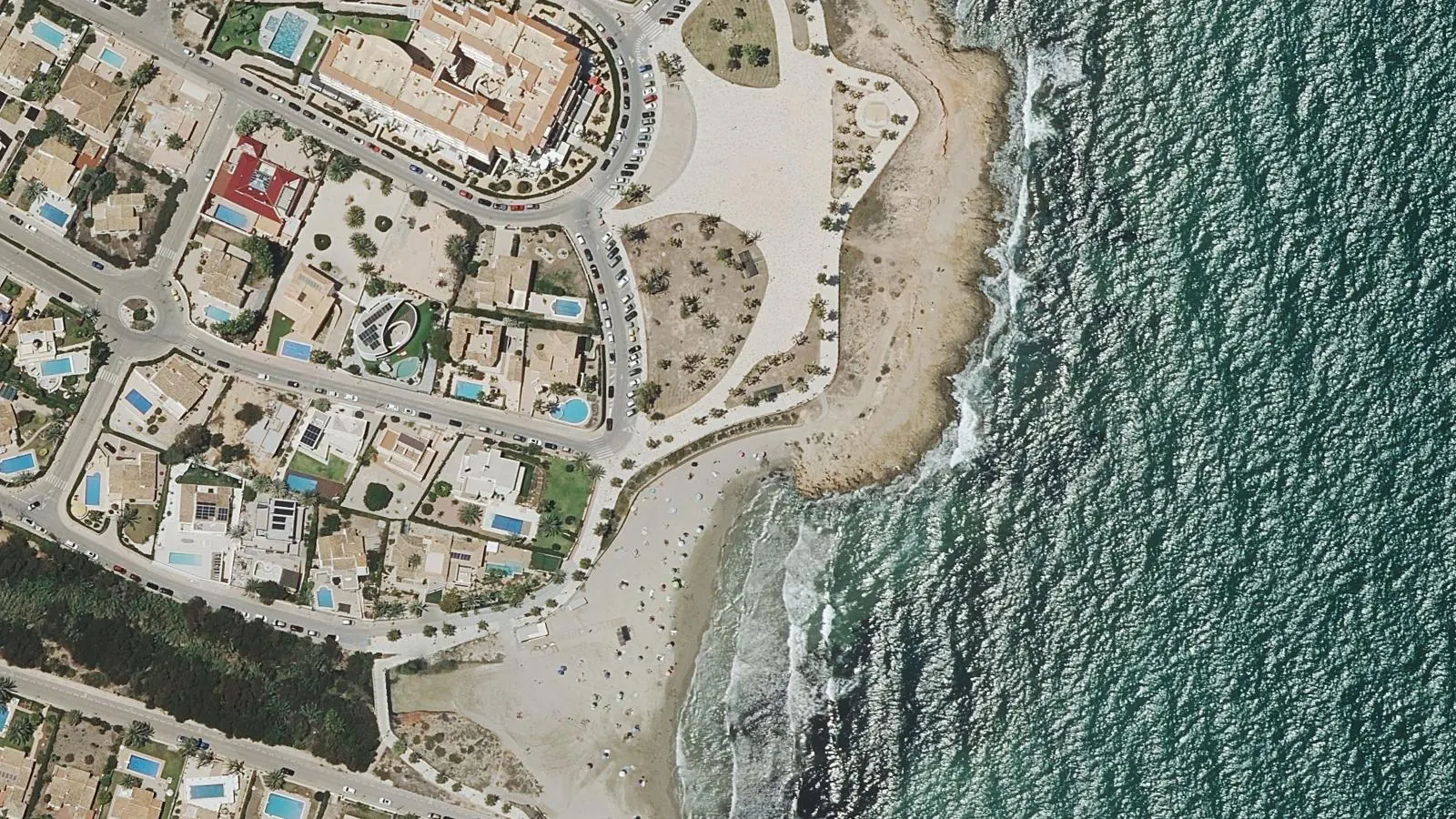
Orihuela's coast runs along the CN-332, which has a dedicated cycleway. The municipality has 11 beaches, all accessible via local roads that connect to the main highway. Most are within a 10-minute walk, bike ride, or short drive from the CN-332.
Quick Overview
Plan Your Visit to Cala Estaca
The key facts before you go
About the Beach
What is Cala Estaca?
Cala Estaca is a modest beach in Orihuela's municipality, situated in the Valencian Community near Alicante. This west-facing cove is one of 11 beaches along Orihuela's coastline, accessible via local roads connecting to the CN-332. The beach maintains excellent bathing water quality and benefits from lifeguard presence during peak season. Water temperatures range from cool winter months (8.8°C in January) to warm summer peaks (23.5°C in August). With its connected promenade infrastructure and cycleway access, Cala Estaca serves both walking and cycling visitors seeking a straightforward beach experience on Spain's Mediterranean coast.
It sits alongside certified beaches along Valencian Community, part of a broader network of certified beaches throughout Spain certified annually by the Foundation for Environmental Education.
Sunrise, Sunset & Beach Direction
Cala Estaca faces west toward Mediterranean Sea. The best light for photography and swimming is typically in June. Direct sun hours follow that facing.
Planning
When to Go: Month by Month
| Month | Air Temp | Water Temp | Crowds |
|---|---|---|---|
| Jan | 12°C | 9°C | Low |
| Feb | 13°C | 10°C | Low |
| Mar | 14°C | 11°C | Low |
| Apr | 16°C | 13°C | Low |
| May | 20°C | 17°C | Low |
| Jun | 24°C | 21°C | Med |
| Jul | 26°C | 23°C | High |
| Aug | 27°C | 24°C | High |
| Sep | 24°C | 21°C | Med |
| Oct | 20°C | 17°C | Low |
| Nov | 16°C | 13°C | Low |
| Dec | 13°C | 10°C | Low |
The best time to visit Cala Estaca is June. Air temperatures peak around 26°C in summer. Peak water temperature reaches 23°C in July.
How crowded does Cala Estaca get?Cala Estaca experiences variable crowding tied directly to seasonal water temperatures and school holidays. From July through August, when water reaches 23–23.5°C and air temperatures peak at 26–26.5°C, the beach draws holiday visitors and local swimmers. September remains moderately busy as water stays warm at 20.9°C. October sees declining numbers as air temperatures drop to less predictable levels and water cools to 17.3°C. Winter months (December–February) experience minimal bathing activity due to water temperatures between 8.8–9.8°C, though coastal walks continue. The integrated cycleway and promenade access distribute visitors across the wider Orihuela beach system rather than concentrating them at single points. School holidays and weekends will show increased foot traffic during warmer months. The lifeguard presence suggests managed supervision during peak season periods.
Is Cala Estaca open year-round?The beach itself is accessible year-round, though staffed facilities including lifeguards typically operate only during the official season (15-06 – 15-09). The Blue Flag is displayed during the certification period only.
The Water
Swimming and Beach Life at Cala Estaca
Is Cala Estaca safe to swim?Cala Estaca is Blue Flag certified, which requires meeting strict bathing water standards set by the EU Bathing Water Directive. Water quality is rated Excellent. Lifeguards are on duty during the official season.
What is the water temperature at Cala Estaca?Peak water temperature at Cala Estaca reaches around 23°C in July, making it comfortable for swimming during the summer months. In winter (January), air temperatures average 11.8°C.
What is the beach like at Cala Estaca?Cala Estaca occupies a section of Orihuela's developed coastal strip, characterized by practical seaside access rather than isolation. The beach faces west, offering afternoon light and sunset views across the Mediterranean. Water temperatures follow predictable seasonal patterns. January and February hover around 8.8–9.6°C, making winter swimming uncomfortable for most visitors. Spring sees gradual warming from 11.3°C in March through 16.5°C by May. Summer dominance peaks between June and August, when temperatures range from 20.5°C to 23.5°C, supporting genuine swimming season. Autumn temperatures remain reasonable at 20.9°C in September and 17.3°C in October, extending usable water conditions into November at 12.6°C. The beach benefits from excellent bathing water quality certification, backed by lifeguard supervision. The surrounding infrastructure reflects planned coastal development, the CN-332 runs parallel to the beach with a dedicated cycleway, connecting Cala Estaca to adjacent Cala Mosca via the promenade. Access routes from Urbanización Playa Flamenca via Calle Violetas and Calle Orquídeas provide predictable navigation. Sand composition and foreshore gradient typical to this stretch of Valencian coast support standard beach recreation. The proximity to Orihuela's urban core means this is an established, managed beach rather than a remote natural setting.
Does Cala Estaca have good facilities?As a Blue Flag certified beach, Cala Estaca meets the Foundation for Environmental Education's standards for facilities and services. Trained lifeguards are on duty during the season. The beach has disabled access facilities.
Cala Estaca sits on the Mediterranean Sea: explore all Blue Flag beaches on the Mediterranean.
Planning a trip to Spain? Blue Flag Beaches Spain 2026 , our editorial guide to certified beaches across the country.
While You're Here
Beyond Cala Estaca
Orihuela itself, located just inland from Cala Estaca, is a historic town offering cultural alternatives to beach activities. The town center contains several churches and architectural sites reflecting its medieval and Renaissance heritage. The surrounding Valencian coastline includes the adjacent 10 other beaches within Orihuela's municipality, all connected via the CN-332 and local roads. Cala Mosca is directly accessible via the same promenade approach. The region supports citrus agriculture in inland areas, typical of southern Valencia's economic landscape. Nearby Alicante city, roughly 45 km north, offers larger-scale urban facilities, museums, and dining options for day visits. The cycleway infrastructure allows cycling exploration along the coastal stretch without requiring motorized transport.
Transport
Getting to Cala Estaca
How do I get to Cala Estaca by car?Cala Estaca is approximately 26.19 km from Orihuela. Follow local road signs to the beach. Check Google Maps or a local map for the most current directions.
What is the nearest airport to Cala Estaca?The nearest airport is Alicante-Elche Airport (ALC), approximately 41.8 km away. Alicante-Elche Airport (ALC) is the primary air gateway, located 41.8 km north of Cala Estaca. Flight times from major European cities typically range 2–4 hours depending on origin. From the airport, hire car remains the most straightforward option for reaching Orihuela's beaches, approximately 45–50 minutes drive south via the A-7 motorway toward Alicante, then following regional routes toward the coast. Alternatively, airport buses connect to Alicante city, where onward buses service the Orihuela area, though journey times extend significantly. The direct approach for independent travelers is rental vehicle transportation.
Can I get to Cala Estaca by public transport?Bus services connect Alicante city to Orihuela's coastal areas, though specific route numbers and schedules require confirmation with local transport operators. Journey times from Alicante to Orihuela typically span 45–60 minutes depending on stops. Once in Orihuela proper, local buses or taxis reach the beach access points. The CN-332 road runs directly along the coast, so services following this route provide direct beach access.
Nearby
Near Cala Estaca
Mapped toilets, bus stops, cafés, parking, and shops within about 500 m of Cala Estaca. Distances are walking-line estimates from the beach pin.
Map loads when you ask. Tiles stay off the first paint.
Map: OpenStreetMap (ODbL)
Toilets near Cala Estaca
- Public toilets Public toilets 98 m
Bus near Cala Estaca
- C/ Orquideas, 8 Bus stop 252 m
- Bus stop Bus stop 390 m
Cafés near Cala Estaca
- The Lobster Restaurant Restaurant 103 m
- Coffe del mar Café 107 m
- Flamingos Café 121 m
- Laterracica Restaurant 208 m
- Pepe's Café Café 470 m
Parking near Cala Estaca
- Parking Parking 188 m
- Parking Parking 196 m
- Parking Parking 428 m
- Parking Parking 484 m
Source: © OpenStreetMap contributors (ODbL). Names and positions come from mapped OSM features. Confirm on site.
Practical Details
Practical Information
| At the Beach | |
| Entry | Free: no charge to access the beach |
|---|---|
| Lifeguards | ✓ On duty during official season |
| Disabled Access | ✓ Accessible site facilities |
| Showers | ✗ |
| Toilets | ✗ |
| Official Season | 15 Jun – 15 Sep |
| Beach Type | Sandy beach |
| Visiting Information | |
| GPS Coordinates | 37.9303°N, 0.7203°W |
| Water Quality | Excellent (EU Bathing Water Directive) |
| Blue Flag Operator | Foundation for Environmental Education (FEE), Spain |
Frequently Asked Questions
Cala Estaca FAQ
Is Cala Estaca worth visiting?
Cala Estaca is worth visiting if you value practical beach access with reliable facilities. The beach maintains excellent water quality and operates lifeguard supervision. It's best suited to summer visitors (June–August) when water temperatures reach 20–23.5°C. The integrated promenade and cycleway infrastructure support straightforward access. This is an established, managed beach rather than a secluded destination, useful for predictability rather than seclusion. Winter visits are feasible for coastal walks but unsuitable for swimming with water temperatures below 10°C.
How do I get to Cala Estaca?
From Alicante-Elche Airport (41.8 km away), rent a car and drive south via the A-7 motorway toward Alicante, then follow regional roads to Orihuela. Once in Orihuela, take the CN-332 and exit toward Urbanización Playa Flamenca, following Calle Violetas to Calle Orquídeas until reaching the promenade. Cala Estaca is on the right side (Cala Mosca is on the left). The dedicated cycleway allows bike access. Alternatively, take buses from Alicante city to Orihuela, then local transport to the beach.
What's the best time of year to visit?
July through October offers the most reliable swimming conditions. July and August peak at 23–23.5°C water temperature with air temperatures around 26°C. September remains warm at 20.9°C water temperature. October sees water cool to 17.3°C but remains usable. November (12.6°C) marks the end of practical swimming season. Winter months (December–February) drop below 10°C, limiting bathing to hardy swimmers. Spring (March–May) shows gradual warming from 11.3°C to 16.5°C, suitable for those tolerating cooler water.
What facilities are there?
Cala Estaca operates lifeguard supervision during the swimming season. The beach integrates with a developed promenade system connecting to the adjacent Cala Mosca. A dedicated cycleway runs alongside the CN-332 for bike access. The surrounding coastal infrastructure reflects planned urban development with access via local roads. Specific details on changing facilities, parking, or amenities require direct inquiry with Orihuela's municipal coastal management, as the available data confirms infrastructure connectivity rather than itemized facility lists.
Is Cala Estaca suitable for families?
Cala Estaca is practical for families during summer months (July–August) when water reaches 23–23.5°C and lifeguards are present. The integrated promenade and flat coastal access support children's movement. The cycleway allows bike-based family exploration. However, the beach's practical character (managed but not secluded) means it will experience holiday crowding during peak season. Winter visits are feasible for coastal walks but unsuitable for young swimmers due to cold water. The developed infrastructure suggests a mainstream rather than family-exclusive destination.
Are there toilets near Cala Estaca?
Yes. OpenStreetMap maps toilets near Cala Estaca, including 98 m away. Distances are walking-line estimates within about 500 m of the beach pin. Confirm opening hours on site; some facilities are seasonal. © OpenStreetMap contributors (ODbL).
Is there a bus near Cala Estaca?
Yes. OpenStreetMap maps a public-transport stop 252 m from Cala Estaca (C/ Orquideas, 8), plus 1 more within about 500 m. Check current timetables before you travel. © OpenStreetMap contributors (ODbL).
Are there cafés near Cala Estaca?
Yes. OpenStreetMap lists 5 cafés or restaurants near Cala Estaca, including The Lobster Restaurant (103 m), Coffe del mar (107 m), Flamingos (121 m), and Laterracica (208 m). Hours and seasonal opening are not verified here. Check on the day. © OpenStreetMap contributors (ODbL).
Is there parking near Cala Estaca?
Yes. OpenStreetMap maps parking 188 m from Cala Estaca, with 4 lots or spaces inside about 500 m. Charges and time limits are not recorded here. © OpenStreetMap contributors (ODbL).
Explore More
Nearby Blue Flag Beaches
Editorial
From the Zeach Blog
Everything you need to know about what makes a beach qualify for Blue Flag status, from water quality to environmental education.
Read moreOur editorial team's pick of the standout Blue Flag beaches in Spain, rated for family friendliness, scenery, and facilities.
Explore SpainWhat the flag actually means, how certification works, and why a Blue Flag is a genuinely reliable signal, not just a marketing tool.
Read moreSources
- Foundation for Environmental Education: Blue Flag programme
- FEE site listing for Cala Estaca
- ADEAC (Asociación de Educación Ambiental y del Consumidor)
- European Environment Agency: bathing water quality
Last verified September 2026. National operator pages and FEE listings are the primary certification sources.